The integration of electric machines in marine engineering has revolutionized the industry, offering numerous benefits such as enhanced efficiency, reduced emissions, and improved reliability. As an established electric machine supplier, I’ve witnessed firsthand the transformative impact these technologies have on marine applications. In this blog, I’ll explore the diverse applications of electric machines in marine engineering and highlight how they are shaping the future of the industry.
Propulsion Systems
One of the most significant applications of electric machines in marine engineering is in propulsion systems. Electric propulsion offers several advantages over traditional diesel engines, including higher efficiency, lower noise levels, and reduced emissions. Electric motors can be used in various propulsion configurations, such as direct drive, shaftless, and podded propulsion systems.
Direct drive electric propulsion systems eliminate the need for a gearbox, reducing mechanical losses and improving overall efficiency. These systems are particularly suitable for small to medium-sized vessels, such as ferries, yachts, and workboats. Shaftless electric propulsion systems, on the other hand, use a ring-shaped motor integrated into the ship’s hull, eliminating the need for a propeller shaft. This design reduces drag and improves maneuverability, making it ideal for high-speed vessels and submarines.
Podded propulsion systems are another popular option in marine engineering. These systems consist of a propulsion unit mounted in a pod outside the ship’s hull, which can be rotated 360 degrees. Podded propulsion offers excellent maneuverability and can significantly reduce fuel consumption, especially in vessels that require frequent changes in direction, such as cruise ships and icebreakers.
Power Generation
Electric machines also play a crucial role in power generation on ships. Diesel generators have long been the primary source of electrical power on board vessels, but they are being gradually replaced by more efficient and environmentally friendly alternatives. Electric generators powered by renewable energy sources, such as wind turbines and solar panels, are becoming increasingly popular in the marine industry.
Hybrid power systems, which combine diesel generators with energy storage systems and electric motors, are also gaining traction. These systems can optimize power generation and consumption, reducing fuel consumption and emissions. For example, during periods of low power demand, the diesel generator can be shut down, and the vessel can be powered by the energy stored in the batteries. When additional power is required, the diesel generator can be restarted, and the batteries can be recharged.
Auxiliary Systems
In addition to propulsion and power generation, electric machines are used in a wide range of auxiliary systems on ships. These systems include pumps, fans, compressors, and winches, which are essential for the operation of the vessel. Electric motors offer several advantages over traditional hydraulic and pneumatic systems, including higher efficiency, lower maintenance requirements, and better control.
For example, electric pumps are commonly used in ballast water management systems, which are designed to prevent the spread of invasive species in the world’s oceans. These pumps can be precisely controlled to ensure the proper flow of ballast water, reducing the risk of contamination. Electric fans are used in ventilation systems to provide fresh air to the crew and passengers, while electric compressors are used in refrigeration and air conditioning systems.
Electric winches are another important application of electric machines in marine engineering. These winches are used for various tasks, such as mooring, towing, and lifting heavy loads. Electric winches offer precise control and can be easily integrated with other ship systems, improving safety and efficiency.
Automation and Control
The use of electric machines in marine engineering has also enabled the development of advanced automation and control systems. These systems can monitor and control various aspects of the vessel’s operation, such as propulsion, power generation, and auxiliary systems, in real-time. Automation and control systems can improve safety, efficiency, and reliability, reducing the workload on the crew and minimizing the risk of human error.
For example, automated navigation systems can use sensors and GPS technology to determine the vessel’s position and course, and adjust the propulsion system accordingly. These systems can also provide real-time information on weather conditions, sea state, and traffic, helping the crew to make informed decisions and avoid collisions.
Automated power management systems can optimize power generation and consumption on board vessels, ensuring that the electrical load is distributed evenly across the generators and energy storage systems. These systems can also monitor the performance of the generators and batteries, detecting and diagnosing any potential problems before they become serious.
Our Product Offerings
As an electric machine supplier, we offer a wide range of products and solutions for the marine industry. Our product portfolio includes electric motors, generators, pumps, fans, compressors, and winches, as well as automation and control systems. We work closely with our customers to understand their specific requirements and provide customized solutions that meet their needs.
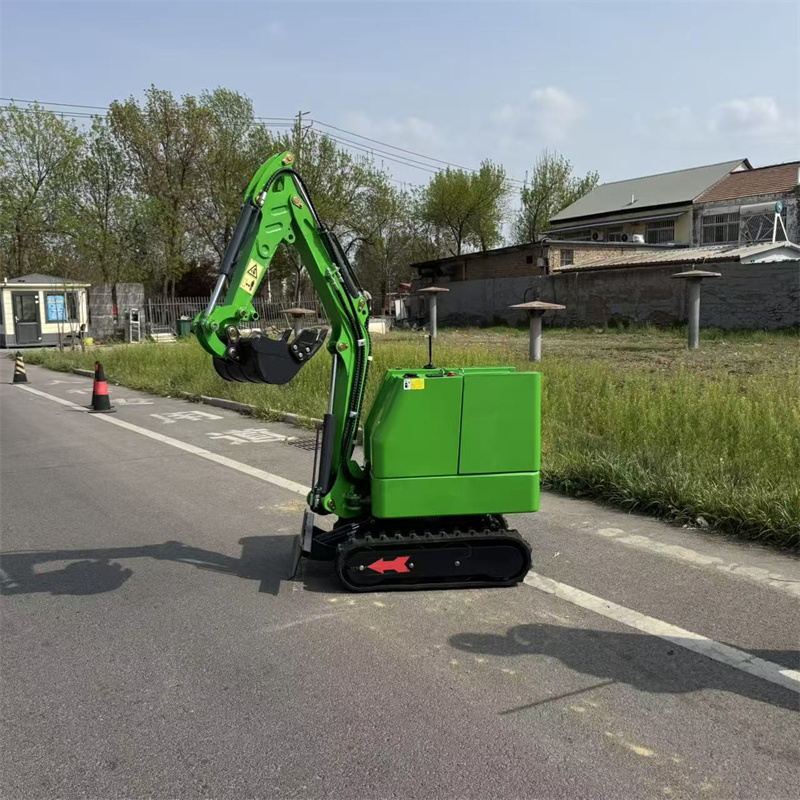
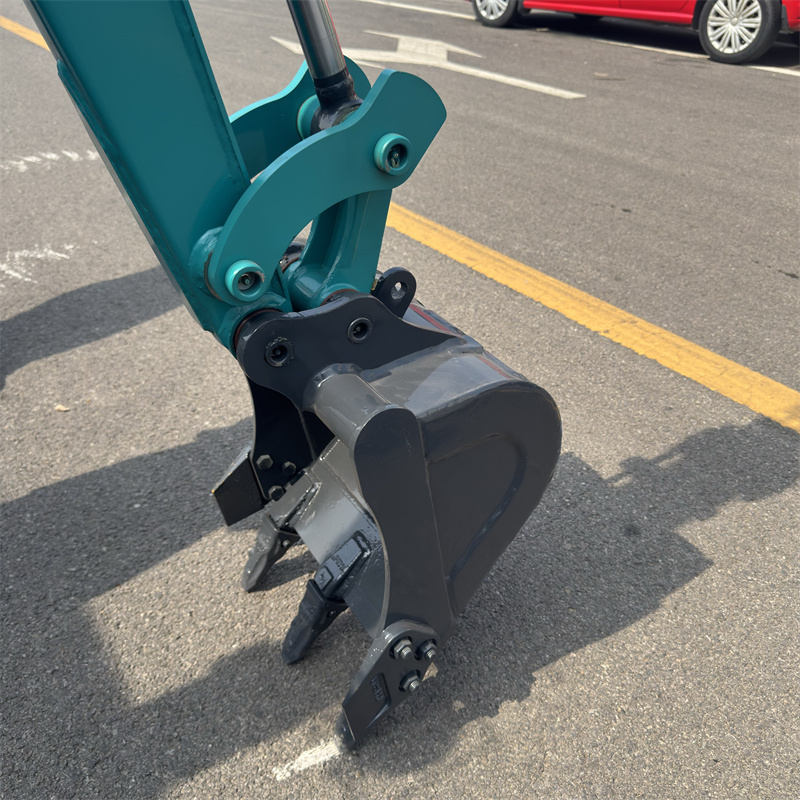
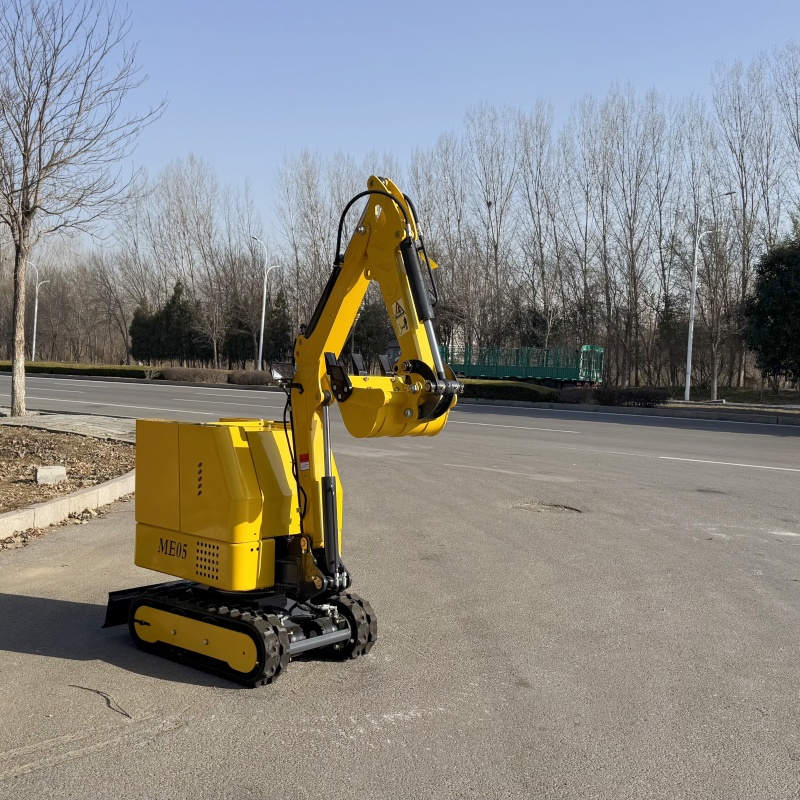
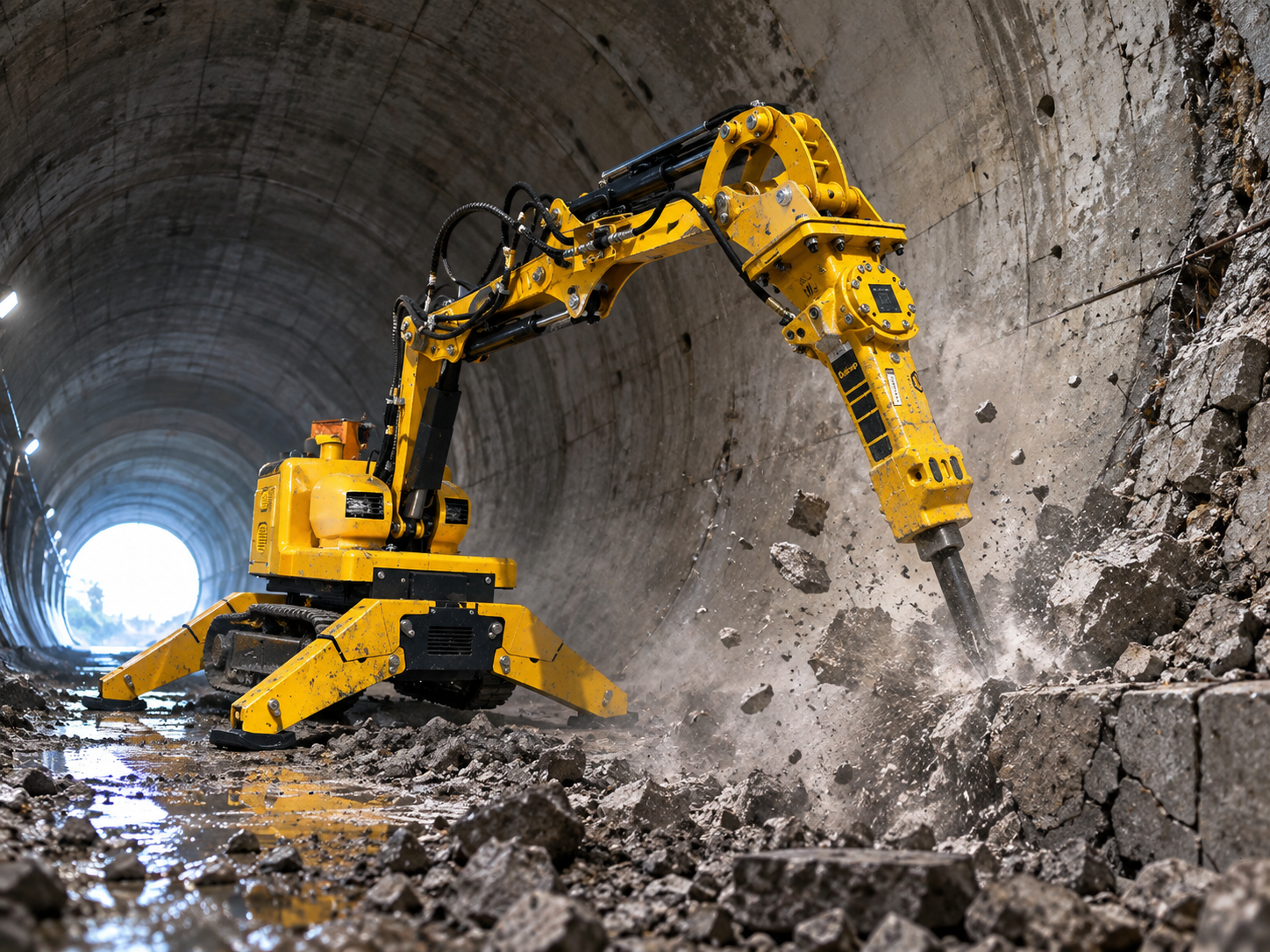
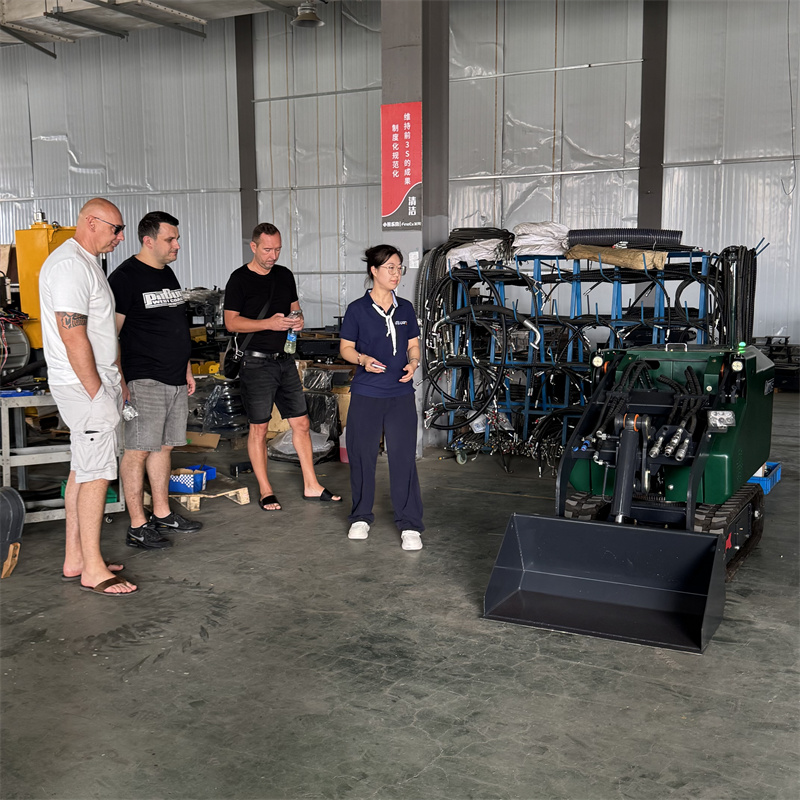
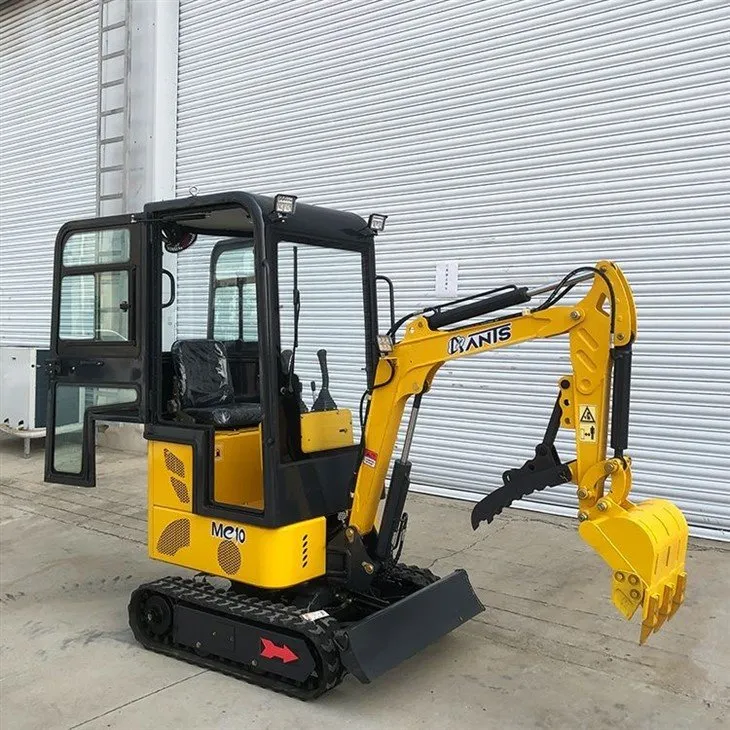
Some of our popular products in the marine industry include the Battery-powered Mini Excavator, which is ideal for small-scale excavation projects on board ships and offshore platforms. Our ME10 Farm Garden Household Electric Mini Excavator is a versatile and compact excavator that can be used for various applications, such as gardening, landscaping, and light construction. And our Electric Crawler Excavator is a powerful and efficient excavator that is suitable for large-scale excavation projects on land and in the water.
Conclusion
The application of electric machines in marine engineering is transforming the industry, offering numerous benefits in terms of efficiency, reliability, and environmental sustainability. From propulsion systems and power generation to auxiliary systems and automation, electric machines are playing an increasingly important role in the design and operation of modern ships.
As an electric machine supplier, we are committed to providing our customers with the highest quality products and solutions that meet their specific needs. Whether you are looking for a propulsion system for a new vessel or a replacement part for an existing one, we have the expertise and experience to help you find the right solution.
If you are interested in learning more about our products and solutions for the marine industry, or if you have any questions or inquiries, please don’t hesitate to contact us. We look forward to working with you to help you achieve your goals in marine engineering.
References
Smith, J. (2020). Electric Machines in Marine Engineering: A Review. Journal of Marine Engineering and Technology, 15(2), 123-135.
Johnson, R. (2019). The Future of Electric Propulsion in the Marine Industry. Marine Technology and SNAME News, 56(3), 45-52.
Brown, A. (2018). Hybrid Power Systems for Ships: Challenges and Opportunities. International Journal of Maritime Engineering, 160(4), 321-332.