What is the blade width of a Mini Small Excavator?
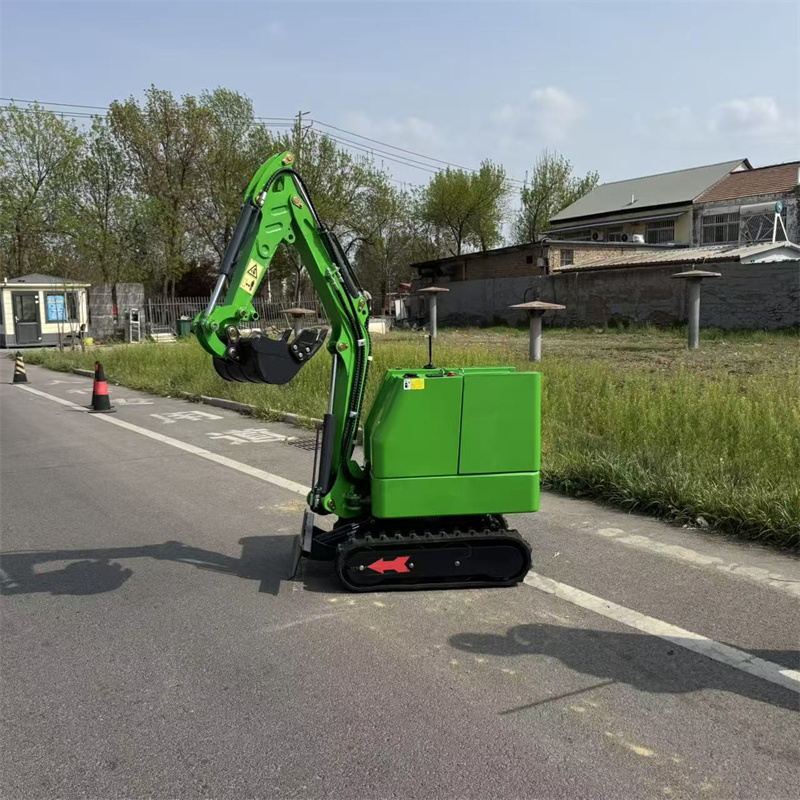
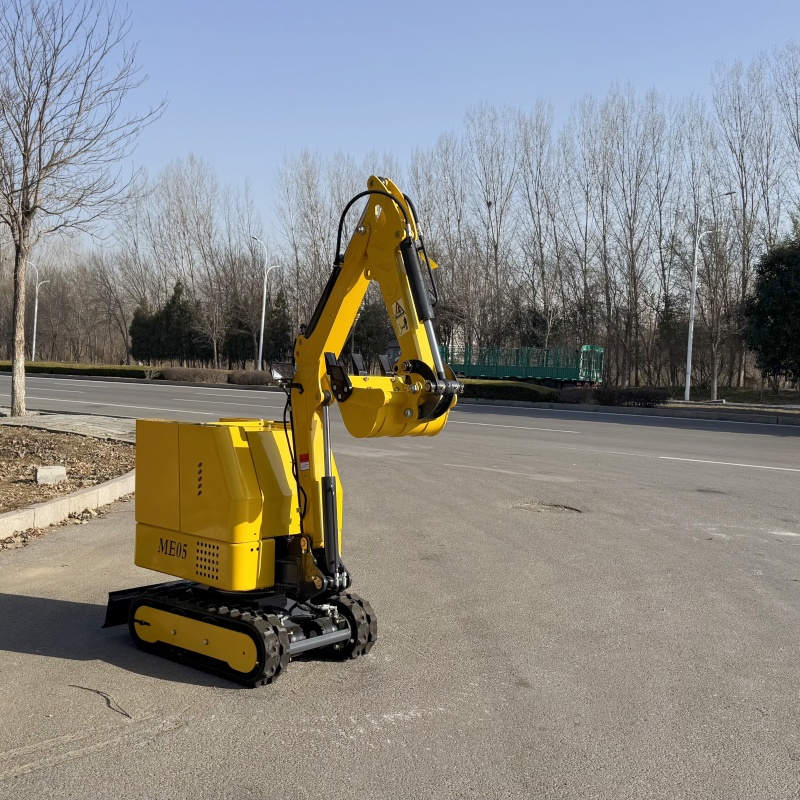
When it comes to the world of construction and excavation, mini small excavators have emerged as invaluable tools. These compact yet powerful machines offer versatility and efficiency in a wide range of tasks, from landscaping to small – scale building projects. One crucial aspect that often determines the effectiveness of a mini small excavator is its blade width. In this blog post, we’ll delve into what blade width means for a mini small excavator, its importance, and how it varies across different models. As a supplier of mini small excavators, I have in – depth knowledge of these machines and their specifications.
Understanding Blade Width
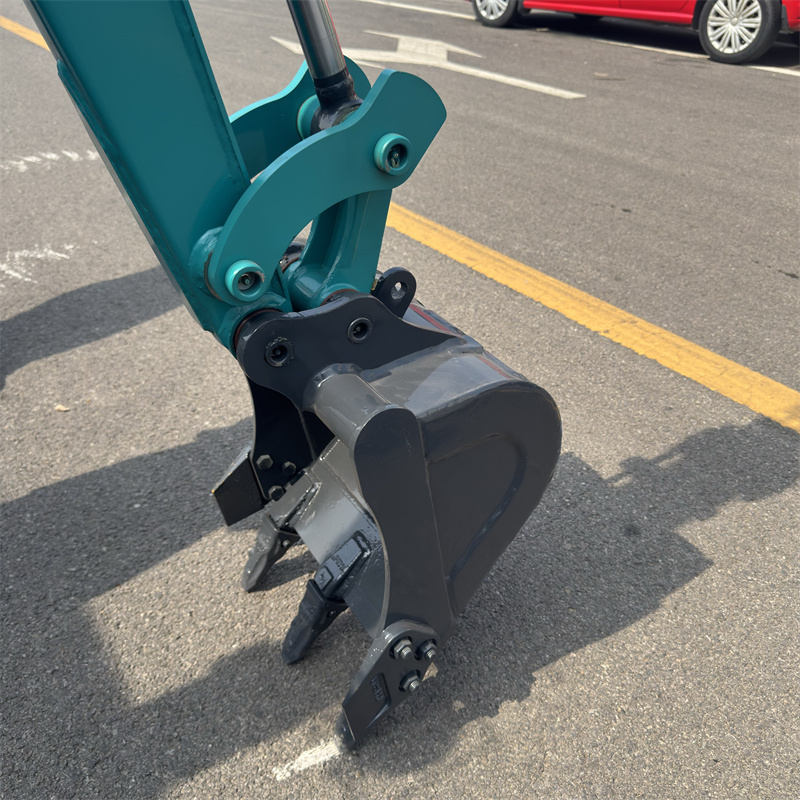
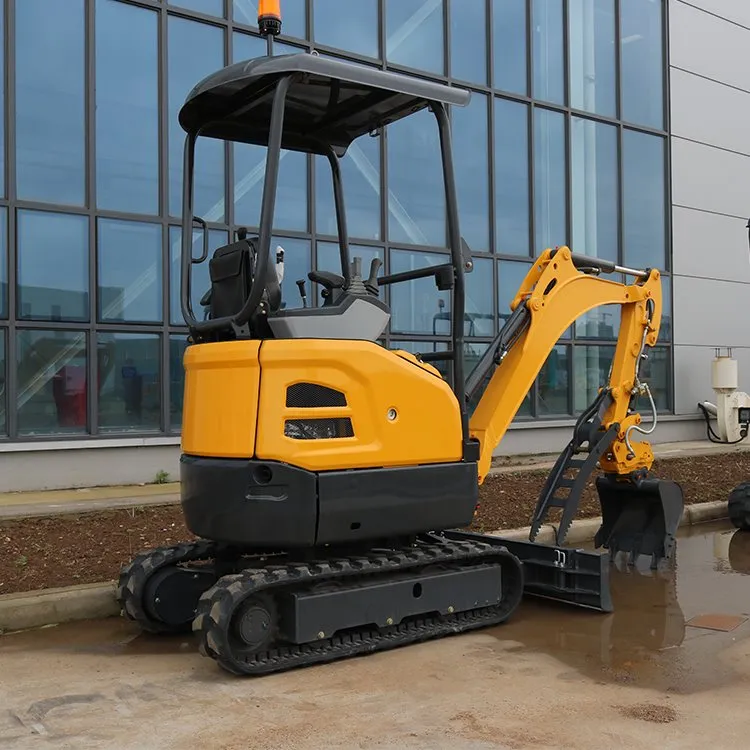
The blade width of a mini small excavator refers to the width of the dozer blade attached to the front of the machine. The dozer blade is a flat, wide metal plate that can be lowered to the ground and used for various functions such as pushing soil, grading surfaces, and back – filling trenches. It is an essential attachment that significantly enhances the functionality of the excavator.
The blade width is typically measured in inches or millimeters. A wider blade can cover more ground in a single pass, which means that tasks like grading large areas can be completed more quickly. However, a wider blade may also be less maneuverable in tight spaces. On the other hand, a narrower blade offers better precision and can be more easily navigated in confined areas, but it may take more passes to complete a large – scale job.
Importance of Blade Width
Efficiency in Earthmoving Tasks
A properly sized blade width can greatly improve the efficiency of earthmoving operations. For example, if you are working on a large – scale landscaping project where you need to level a big area of land, a mini small excavator with a wider blade will be more suitable. It can push a larger volume of soil in one go, reducing the number of passes required and saving both time and fuel.
Precision in Trenching and Back – filling
In tasks such as trenching, a narrower blade width might be preferred. When digging a trench, a narrow blade allows for more precise control over the width of the trench. After the trench is dug, the same narrow blade can be used for careful back – filling around pipes or cables. You can check out Mini Excavator Digging A Trench to see how the blade width affects the trenching process.
Maneuverability
The blade width also impacts the maneuverability of the mini small excavator. In construction sites with limited space, like urban areas or small yards, a narrow – bladed excavator can navigate through tight corners and between obstacles more easily. This is crucial for ensuring that the machine can access all areas of the job site without causing damage to surrounding structures.
Blade Width Variations in Mini Small Excavators
The blade width of mini small excavators can vary depending on the model and the manufacturer. Generally, blade widths for mini small excavators range from around 30 inches (762 mm) to 72 inches (1829 mm).
Smaller models, which are often used for light – duty tasks such as residential landscaping or small – scale indoor demolition, usually have blade widths on the narrower side, around 30 – 48 inches (762 – 1219 mm). These machines are designed for easy maneuverability and precision work.
Medium – sized mini small excavators, suitable for a wider range of tasks including small building foundations and medium – sized landscaping projects, typically have blade widths between 48 – 60 inches (1219 – 1524 mm). This width provides a good balance between efficiency and maneuverability.
Larger mini small excavators, which are capable of handling more heavy – duty tasks, may have blade widths up to 72 inches (1829 mm). These machines are ideal for large – scale earthmoving projects where covering a large area quickly is a priority.
Choosing the Right Blade Width
When choosing a mini small excavator, it’s important to consider the specific requirements of your projects. Here are some factors to keep in mind:
Job Site Conditions
If your job sites are mostly confined spaces with a lot of obstacles, a mini small excavator with a narrower blade width will be more appropriate. However, if you work on open fields or large construction sites, a wider blade can increase productivity.
Type of Tasks
For tasks that require high precision, such as installing underground utilities, a narrow blade is better. For general earthmoving and grading jobs, a wider blade can speed up the process.
Budget
In some cases, excavators with wider blades may be more expensive. You need to balance your budget with the benefits that a wider blade can offer.
Our Mini Small Excavators
As a supplier of Mini Small Excavator, we offer a wide range of models with different blade widths to meet the diverse needs of our customers. Our Mini Hydraulic Excavator series is known for its high – quality construction, reliable performance, and excellent maneuverability.
Whether you are a contractor looking for a machine for large – scale projects or a homeowner planning a small landscaping job, we have the right mini small excavator for you. Our team of experts can help you select the model with the most suitable blade width based on your specific requirements.
Contact Us for Procurement
If you are interested in purchasing a mini small excavator and want to learn more about the blade width options available, we encourage you to get in touch with us. We can provide detailed product information, answer your questions, and even arrange a demonstration so that you can see the machine in action. Contact us today to start the procurement process and find the perfect mini small excavator for your needs.
References
Construction Equipment Handbook. McGraw – Hill.
Excavator Manufacturer’s Manuals.