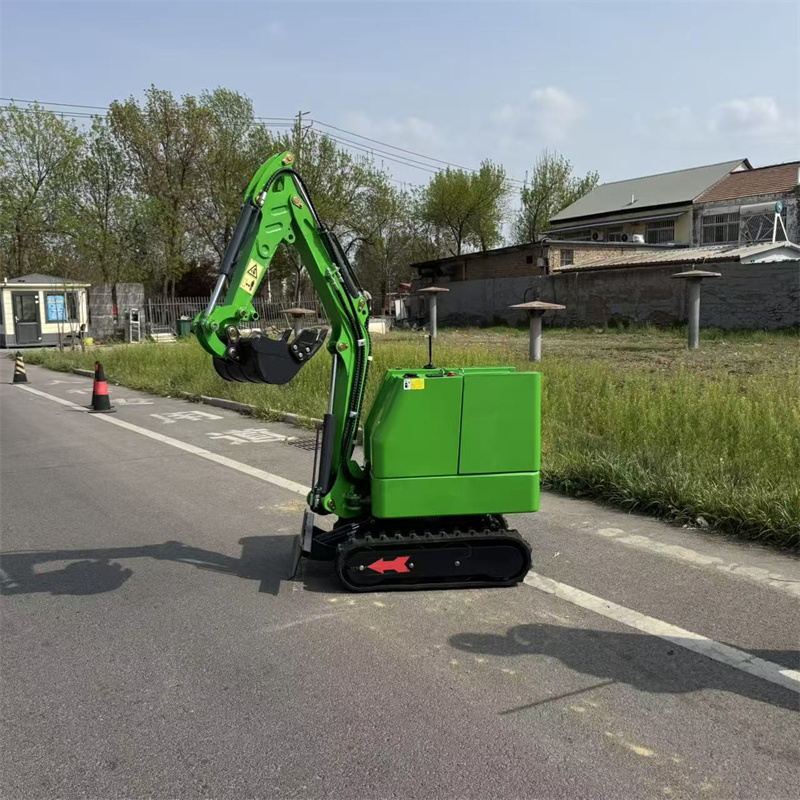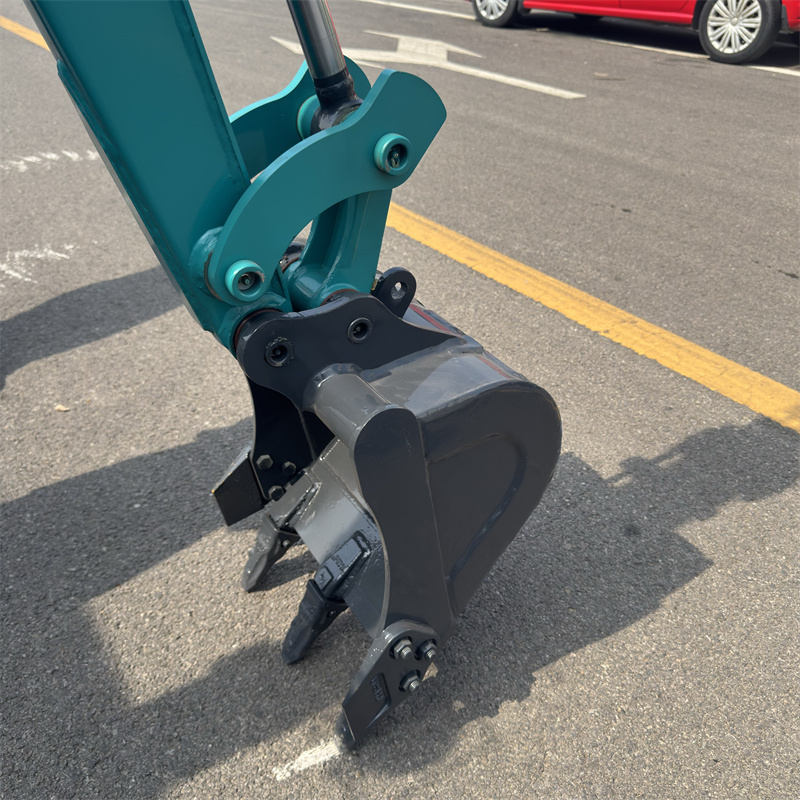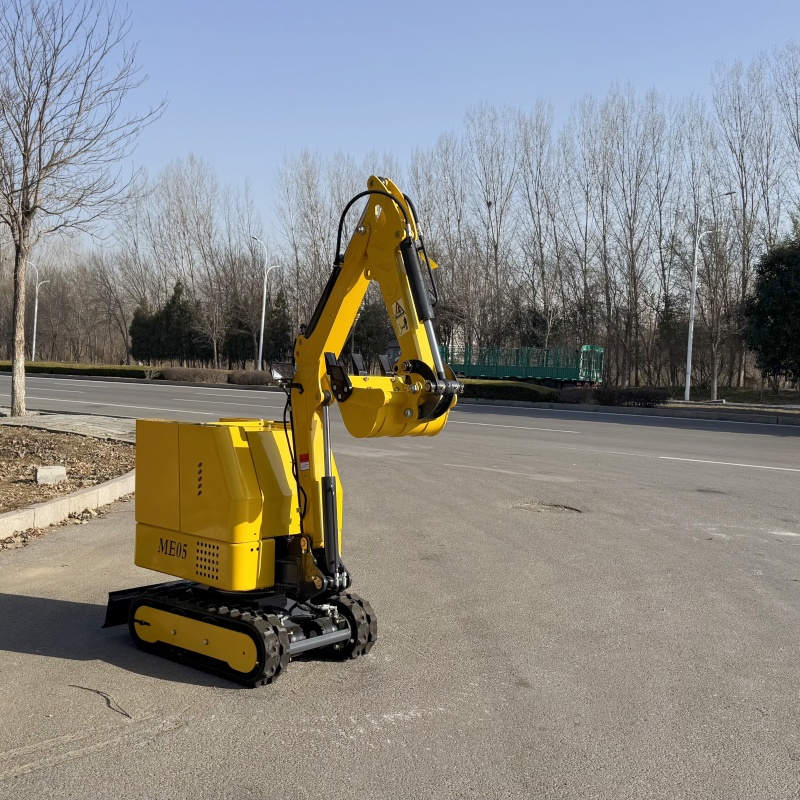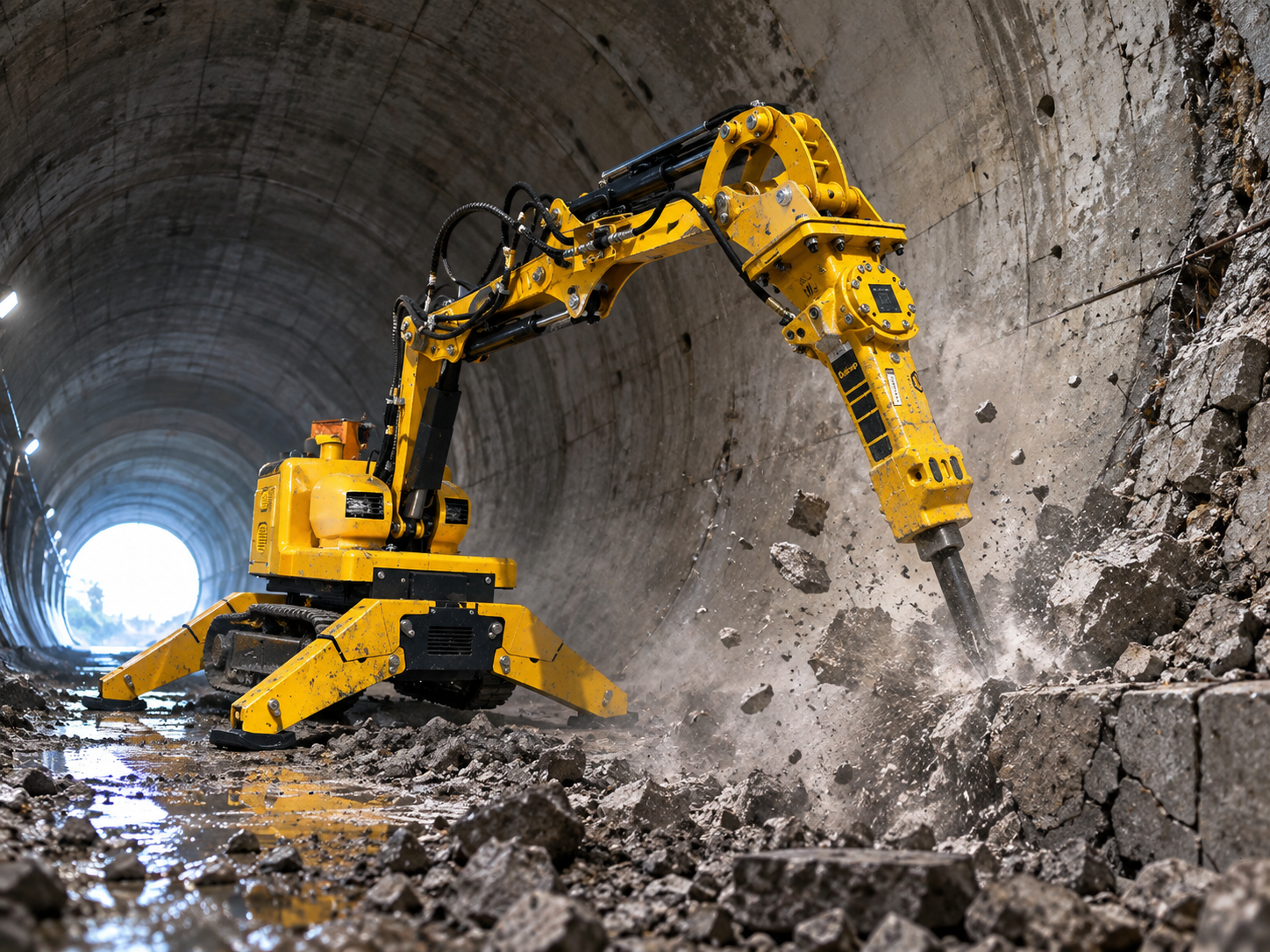
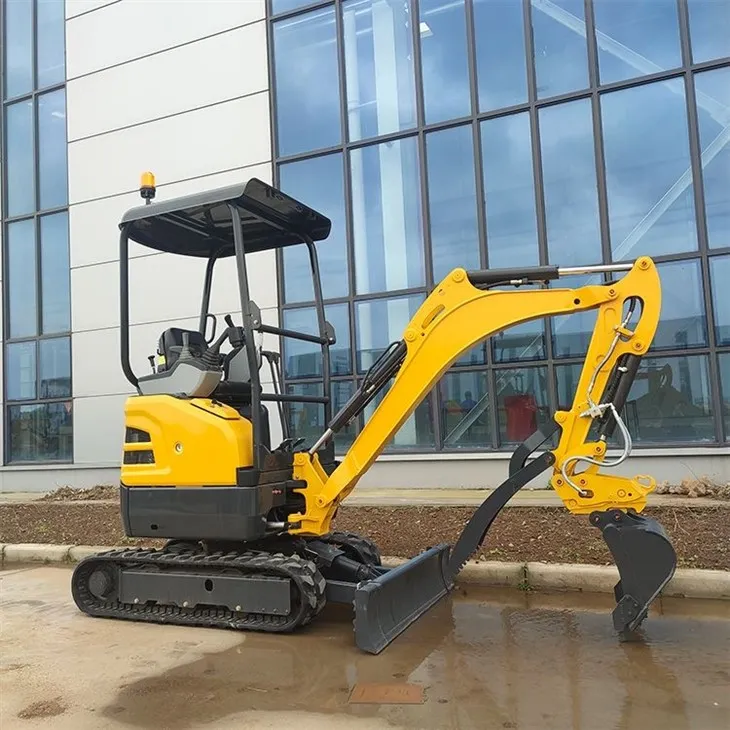
The bucket capacity of an excavator is a crucial factor that determines its efficiency and productivity in various construction and excavation tasks. As a supplier of 1.8 Ton Excavators, I often receive inquiries about the bucket capacity of these machines. In this blog post, I will delve into the details of the bucket capacity of a 1.8 Ton Excavator, exploring its significance, factors affecting it, and typical values.
Significance of Bucket Capacity
The bucket capacity of an excavator refers to the volume of material that the bucket can hold in a single scoop. It plays a vital role in determining the amount of work that can be accomplished in a given time. A larger bucket capacity means that more material can be moved in each cycle, resulting in higher productivity. This is particularly important in large – scale excavation projects where time is of the essence.
On the other hand, a smaller bucket capacity may be more suitable for tasks that require precision, such as trenching in tight spaces or working in areas with limited access. The ability to choose the right bucket capacity for the job is essential for optimizing the performance of the 1.8 Ton Excavator.
Factors Affecting Bucket Capacity
Several factors influence the bucket capacity of a 1.8 Ton Excavator.
Machine Design and Structure
The overall design of the excavator, including the boom and arm length, affects the size and shape of the bucket that can be attached. A well – designed 1.8 Ton Excavator is engineered to support a bucket that is proportionate to its size and lifting capacity. The hydraulic system of the excavator also plays a role. A more powerful hydraulic system can handle a larger and heavier bucket, allowing for increased capacity.
Bucket Shape and Design
The shape of the bucket has a significant impact on its capacity. Buckets come in various shapes, such as general – purpose, digging, and grading buckets. General – purpose buckets are designed for a wide range of tasks and usually have a medium capacity. Digging buckets are often deeper and have a larger capacity, as they are intended for heavy – duty excavation work. Grading buckets, on the other hand, are flatter and have a smaller capacity, as they are used for leveling and finishing tasks.
Material Density
The type of material being excavated also affects the effective bucket capacity. For example, if the material is loose soil or sand, the bucket can hold more volume compared to when it is digging through compacted rock or clay. The density of the material determines how much weight the bucket can carry without overloading the excavator.
Typical Bucket Capacity of a 1.8 Ton Excavator
The bucket capacity of a 1.8 Ton Excavator typically ranges from 0.04 to 0.12 cubic meters. This range allows for a variety of applications, from small – scale landscaping projects to light – duty construction work.
For instance, in a landscaping project where the excavator is used to dig flower beds or move small amounts of soil, a bucket with a capacity of around 0.04 – 0.06 cubic meters may be sufficient. This smaller capacity bucket provides better control and precision.
In a light – duty construction project, such as digging trenches for utility lines, a bucket with a capacity of 0.08 – 0.12 cubic meters can be more efficient. The larger capacity allows for faster excavation, reducing the overall project time.
Our 1.8 Ton Excavator Offerings
As a supplier of 1.8 Ton Excavators, we offer a range of models with different bucket capacities to meet the diverse needs of our customers. Our 1.8 Ton Mini Excavator is designed for maximum efficiency and versatility. It is equipped with a high – performance hydraulic system that can support a variety of bucket sizes.
One of our popular models is the ME20 Excavator. This machine offers a bucket capacity that can be adjusted according to the specific requirements of the job. Whether you need a smaller bucket for precise work or a larger one for faster excavation, the ME20 Excavator can be customized to suit your needs.
Our Mini Hydraulic Excavator is another excellent option. It features advanced hydraulic technology that ensures smooth and efficient operation. The bucket of this excavator is designed to provide optimal capacity while maintaining stability and control.
Choosing the Right Bucket Capacity for Your Project
When selecting the bucket capacity for your 1.8 Ton Excavator, it is important to consider the nature of the project. Here are some tips to help you make the right choice:
Project Scale: For large – scale projects with high – volume excavation requirements, choose a bucket with a larger capacity. For smaller projects or those that require precision, a smaller capacity bucket is more appropriate.
Material Type: As mentioned earlier, the density of the material being excavated affects the effective bucket capacity. If you are working with dense materials, a smaller bucket may be needed to avoid overloading the machine.
Accessibility: Consider the space available at the job site. In tight spaces, a smaller bucket is easier to maneuver.
Contact Us for Your Excavator Needs
If you are in the market for a 1.8 Ton Excavator and need guidance on choosing the right bucket capacity for your project, our team of experts is here to help. We have extensive experience in the excavation equipment industry and can provide you with the best advice based on your specific requirements.
Whether you are a contractor, a landscaper, or a DIY enthusiast, our 1.8 Ton Mini Excavator models are designed to meet your needs. We offer high – quality machines at competitive prices, along with excellent after – sales service.
Don’t hesitate to reach out to us to discuss your project and find the perfect 1.8 Ton Excavator with the right bucket capacity. Contact us today to start the procurement process and take your excavation projects to the next level.
References
Construction Equipment Handbook, 2023 Edition
Journal of Excavation Technology and Research, Vol. 15, No. 3, 2022