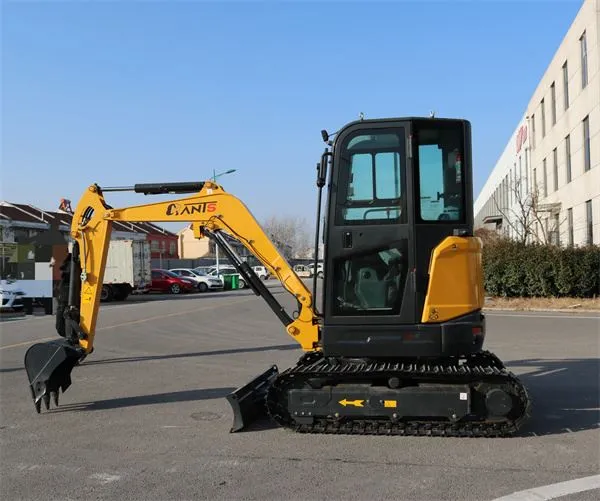
As a supplier of 3.5 Ton Mini Excavators, I am often asked about the cab design of these versatile machines. The cab of a 3.5 Ton Mini Excavator is not just a simple enclosure; it is a carefully engineered space that combines comfort, functionality, and safety to enhance the operator’s experience and productivity. In this blog post, I will delve into the key aspects of the cab design of a 3.5 Ton Mini Excavator.
Comfort and Ergonomics
One of the primary considerations in the cab design of a 3.5 Ton Mini Excavator is the comfort of the operator. Since operators often spend long hours in the cab, a comfortable working environment is essential to prevent fatigue and increase efficiency.
The seat is a crucial component of the cab. It is typically adjustable in multiple directions, allowing the operator to find the most comfortable position. High – quality seats are equipped with proper padding and lumbar support to reduce stress on the back. Some seats also have shock – absorbing features to minimize the impact of vibrations from the machine’s operation.
The layout of the controls is designed with ergonomics in mind. All the essential controls, such as the joysticks for operating the boom, arm, and bucket, are within easy reach of the operator. The placement of pedals and switches is also carefully planned to ensure that the operator can operate them without having to stretch or make awkward movements. This not only improves comfort but also reduces the risk of errors during operation.
The cab also provides sufficient legroom and headroom. Operators of different heights can move freely within the cab without feeling cramped. Additionally, the interior of the cab is often lined with sound – absorbing materials to reduce noise levels. This creates a quieter working environment, which is beneficial for the operator’s concentration and long – term hearing health.
Visibility
Good visibility is crucial for the safe and efficient operation of a 3.5 Ton Mini Excavator. The cab design takes this into account by providing a wide – field of view.
Large windows are installed on all sides of the cab. The front window offers an unobstructed view of the work area, allowing the operator to clearly see the boom, arm, and bucket movements. Side windows provide visibility to the sides of the machine, which is important when working in confined spaces or when maneuvering around obstacles. The rear window gives the operator a view of what is happening behind the excavator, enhancing safety during reverse operations.
Some cabs are also equipped with mirrors to further improve visibility. Side mirrors and rear – view mirrors help the operator to monitor the surroundings, especially in areas that are not directly visible through the windows. In addition, some advanced models may have camera systems installed. These cameras can provide a live feed of blind spots, giving the operator a more comprehensive view of the working environment.
Safety Features
Safety is a top priority in the cab design of a 3.5 Ton Mini Excavator. The cab is built to protect the operator in case of accidents.
The cab structure is made of high – strength steel. It is designed to withstand impacts and roll – overs. Reinforced pillars and frames provide additional protection. Some cabs are also equipped with a roll – over protection structure (ROPS) and a falling object protection structure (FOPS). The ROPS is designed to protect the operator in the event of a roll – over, while the FOPS protects against falling objects such as debris or rocks.
The cab has proper ventilation systems to ensure a supply of fresh air. This is important for the operator’s health, especially when working in dusty or fume – filled environments. In addition, fire suppression systems may be installed in the cab as an extra safety measure.
The doors and windows of the cab are designed to be easily opened and closed. In case of an emergency, the operator can quickly exit the cab. Some cabs also have emergency exits that are clearly marked and easy to access.
Technology and Connectivity
Modern 3.5 Ton Mini Excavators are increasingly incorporating advanced technology into their cab designs.
The cab may be equipped with a digital display panel. This panel can show important information such as the machine’s operating status, fuel level, engine temperature, and error codes. Operators can easily monitor these parameters and take appropriate actions if necessary.
Some cabs also support connectivity features. For example, they can be connected to a smartphone or a tablet via Bluetooth or Wi – Fi. This allows the operator to access additional information, such as maintenance schedules and operator manuals, on their mobile devices. It also enables remote monitoring of the machine’s performance, which can be useful for fleet management.
Comparison with Other Mini Excavators
When comparing the cab design of a 3.5 Ton Mini Excavator with other types of mini excavators, such as the 2.5 – ton Electric Excavator and the Home Orchard Mini Excavator, there are some similarities and differences.
Similarities include the focus on comfort, visibility, and safety. All these mini excavators are designed to provide a comfortable working environment for the operator, with adjustable seats, ergonomic controls, and good visibility. They also have safety features such as ROPS and FOPS.
However, there are also differences. The 3.5 Ton Mini Excavator is generally larger than the 2.5 – ton Electric Excavator, which may result in a more spacious cab. The 3.5 Ton Mini Excavator is also more powerful and may be used for more heavy – duty tasks, so its cab may be equipped with more advanced technology and monitoring systems. The Home Orchard Mini Excavator is often designed for lighter, more domestic – scale work, and its cab may be more simplified in terms of features and technology.
The Role of the Cab in the Overall Performance of the Excavator
The cab design has a significant impact on the overall performance of the 3.5 Ton Mini Excavator. A comfortable and well – designed cab allows the operator to focus on the task at hand. When the operator is not distracted by discomfort or poor visibility, they can operate the machine more precisely, leading to higher productivity.
The safety features in the cab also contribute to the overall performance. By protecting the operator from potential hazards, the machine can be operated with confidence. This reduces the risk of accidents and downtime, ensuring that the work progresses smoothly.
Conclusion
In conclusion, the cab design of a 3.5 Ton Mini Excavator is a complex and important aspect of the machine. It combines comfort, visibility, safety, and technology to create an optimal working environment for the operator. As a supplier of these machines, we are constantly looking for ways to improve the cab design to meet the evolving needs of our customers.
If you are in the market for a 3.5 Ton Mini Excavator or are interested in learning more about our Earthmoving Machinery Mini Excavator range, we invite you to contact us for a detailed discussion. Our team of experts is ready to assist you in finding the right machine for your specific requirements.
References
“Mini Excavator Operator’s Manual” – Manufacturer’s Documentation
“Ergonomics in Construction Equipment Design” – Industry Research Report
“Safety Standards for Construction Machinery Cabs” – International Safety Guidelines