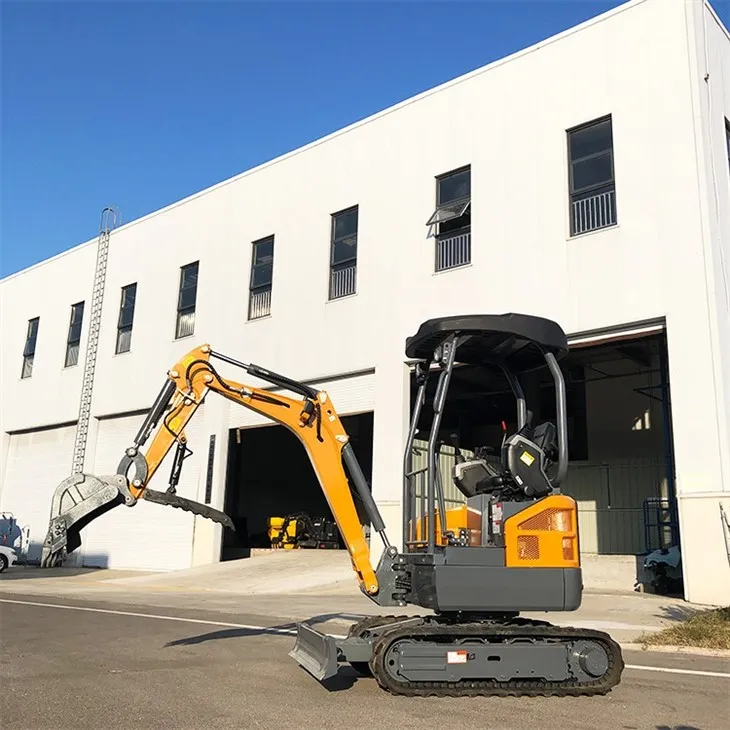
As a trusted supplier of 2.5 Ton Mini Excavators, I’ve witnessed firsthand the importance of a well – functioning cab ventilation system in these powerful machines. In this blog, I’ll delve into what the cab ventilation system in a 2.5 Ton Mini Excavator is like, and why it matters so much.
The Basics of Cab Ventilation in a 2.5 Ton Mini Excavator
The cab ventilation system in a 2.5 Ton Mini Excavator is designed to provide a comfortable and safe working environment for the operator. At its core, it serves two main purposes: air circulation and air filtration.
Air Circulation
Air circulation is crucial to prevent the build – up of heat, humidity, and stale air inside the cab. In a 2.5 Ton Mini Excavator, this is typically achieved through a combination of fans and vents. The fans are strategically placed to draw in fresh air from the outside and distribute it evenly throughout the cab.
There are usually intake vents located on the sides or rear of the cab. These vents are designed to allow fresh air to enter while preventing dust and debris from getting in. Once the fresh air is inside, the fans push it towards the operator, creating a continuous flow of air. At the same time, there are exhaust vents that expel the warm, stale air from the cab. This constant exchange of air helps to keep the temperature inside the cab at a comfortable level, even during long hours of operation in hot weather.
Air Filtration
Another important aspect of the cab ventilation system is air filtration. Mini excavators often operate in dusty and dirty environments, and without proper filtration, the operator would be exposed to harmful particles such as dust, pollen, and exhaust fumes.
The air filtration system in a 2.5 Ton Mini Excavator typically consists of one or more air filters. These filters are designed to trap particles of various sizes, ensuring that the air inside the cab is clean and breathable. The filters are usually made of high – quality materials that can effectively capture even the smallest particles. They need to be replaced regularly to maintain their efficiency. A clogged or dirty filter can reduce the airflow and increase the load on the fans, which can lead to reduced performance and increased energy consumption.
Components of the Cab Ventilation System
Let’s take a closer look at the main components of the cab ventilation system in a 2.5 Ton Mini Excavator.
Fans
As mentioned earlier, fans play a key role in the air circulation process. There are different types of fans used in the cab ventilation system. Axial fans are commonly used because they can move a large volume of air at a relatively low pressure. They are usually placed near the intake vents to draw in fresh air. Centrifugal fans, on the other hand, can generate a higher pressure and are often used to distribute the air inside the cab.
The fans are powered by the excavator’s electrical system. They are designed to be durable and reliable, as they need to operate continuously during the machine’s working hours. Some fans are also adjustable, allowing the operator to control the speed and direction of the airflow according to their needs.
Vents
Vents are the openings in the cab that allow air to enter and exit. The intake vents are usually equipped with screens or grilles to prevent large debris from entering the cab. They are designed to be aerodynamically efficient, minimizing the resistance to airflow.
The exhaust vents are located in areas where the warm, stale air naturally accumulates, such as near the top of the cab. They are designed to expel the air quickly and efficiently. Some exhaust vents are also equipped with dampers that can be adjusted to control the amount of air being expelled.
Air Filters
Air filters are the heart of the air filtration system. They are usually located in the air intake duct or near the fans. There are different types of air filters available, including paper filters, foam filters, and cartridge filters. Paper filters are the most common type because they are relatively inexpensive and can effectively capture a wide range of particles. Foam filters are more suitable for capturing larger particles and are often used as a pre – filter in combination with a paper filter. Cartridge filters are more expensive but offer a higher level of filtration and are often used in more demanding applications.
Benefits of a Good Cab Ventilation System
A well – designed cab ventilation system in a 2.5 Ton Mini Excavator offers several benefits.
Operator Comfort
One of the most obvious benefits is improved operator comfort. By maintaining a comfortable temperature and providing clean, fresh air, the ventilation system helps to reduce fatigue and stress on the operator. This is especially important for operators who spend long hours inside the cab. A comfortable operator is more likely to be focused and productive, which can lead to better overall performance of the machine.
Health and Safety
The cab ventilation system also plays a crucial role in protecting the operator’s health and safety. By filtering out harmful particles and exhaust fumes, it reduces the risk of respiratory problems and other health issues. In addition, a well – ventilated cab helps to prevent the build – up of carbon monoxide, which can be deadly in high concentrations.
Equipment Longevity
A good cab ventilation system can also have a positive impact on the longevity of the equipment. By keeping the temperature inside the cab at a reasonable level, it helps to prevent overheating of the electronic components and other sensitive parts of the machine. This can reduce the risk of breakdowns and extend the lifespan of the excavator.
Our 2.5 Ton Mini Excavator’s Ventilation System
At our company, we take pride in offering 2.5 Ton Mini Excavators with state – of – the – art cab ventilation systems. Our ventilation systems are designed to meet the highest standards of performance and reliability.
We use high – quality fans that are capable of moving a large volume of air efficiently. The fans are also designed to be quiet, so as not to cause any distractions to the operator. Our intake and exhaust vents are carefully engineered to provide optimal airflow while preventing dust and debris from entering the cab.
In terms of air filtration, we use advanced filters that can effectively capture even the smallest particles. Our filters are easy to replace, which helps to ensure that the air inside the cab remains clean at all times. We also offer regular maintenance services to keep the ventilation system in top condition.
If you’re interested in learning more about our 2.5 Ton Mini Excavator, or our Home Orchard Mini Excavator, or our Earthmoving Machinery Mini Excavator, we encourage you to get in touch with us. Our team of experts is ready to answer all your questions and help you make the right choice for your needs. Whether you’re a professional contractor or a homeowner looking for a reliable excavator, we have the perfect solution for you.
Conclusion
The cab ventilation system in a 2.5 Ton Mini Excavator is a complex and important component that plays a crucial role in the comfort, health, and performance of the operator, as well as the longevity of the equipment. A well – designed ventilation system can make a significant difference in the overall experience of using a mini excavator.
If you’re in the market for a 2.5 Ton Mini Excavator, be sure to pay close attention to the cab ventilation system. Look for a machine that offers a reliable and efficient ventilation system that can provide clean, fresh air and maintain a comfortable temperature inside the cab. And if you’re interested in our products, don’t hesitate to contact us for more information and to start a purchase negotiation.
References
Manufacturer’s manuals for 2.5 Ton Mini Excavators
Industry standards and guidelines for cab ventilation systems in earth – moving equipment
Research papers on the impact of ventilation systems on operator comfort and health in construction machinery