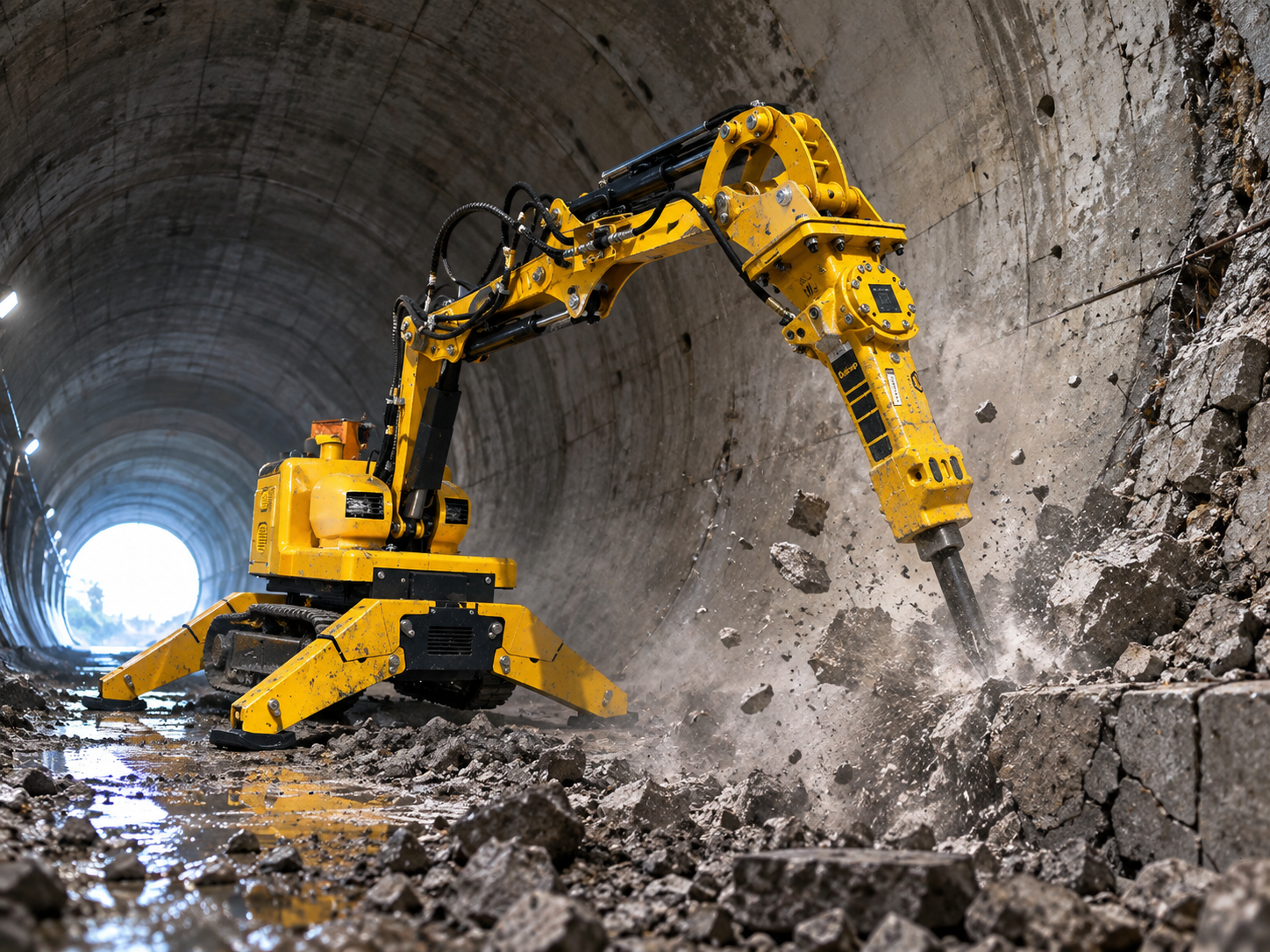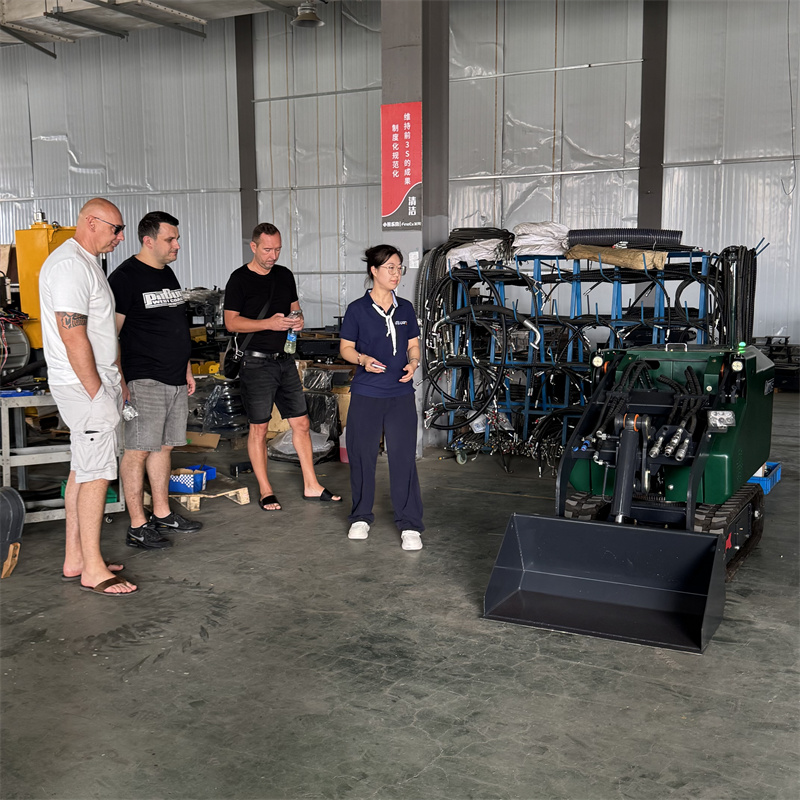
Yo! I’m an actual person behind a demolition robot supply biz, and today, I’m gonna break down what the cooling system of a demolition robot is all about.
So, first things first, why the heck does a demolition robot even need a cooling system? Well, these bad boys are like the heavy – hitters on a job site. They’re constantly working, breaking down concrete, demolishing structures, and all that hard stuff. And this kind of intense operation generates a whole lot of heat. Just like when you work out really hard, your body starts to heat up, right? The same goes for these robots. Without a proper cooling system, all that heat can cause some serious damage to the internal components.
Types of Cooling Systems in Demolition Robots
Now, let’s talk about the types of cooling systems you’ll typically find in these machines. There are two main players here: air – cooled and liquid – cooled systems.
Air – Cooled Systems
Air – cooled systems are pretty straightforward. They rely on air to dissipate heat. There are fans in these robots that suck in air from the outside. The air then flows over the hot components, like the engine or other parts generating heat. As the air moves, it takes the heat away with it.
One of the biggest perks of air – cooled systems is their simplicity. There aren’t a whole bunch of complex parts or a need for a lot of maintenance. You don’t have to worry about leaky hoses or coolant levels dropping. It’s just the fans doing their thing.
But, they do have their downsides. Air – cooled systems aren’t as efficient as liquid – cooled ones, especially in hot environments. When the outside air is already warm, it’s not that great at taking away the heat from the robot. And if the robot is working in a dusty area, the fans can suck in dust, which can clog up the system and reduce its effectiveness.
Liquid – Cooled Systems
Liquid – cooled systems, on the other hand, are a bit more high – tech. They use a liquid, usually a coolant mixture, to absorb the heat. The coolant circulates through pipes and passages in the robot, picking up heat from the hot components as it goes. Then, it flows to a radiator. The radiator is like a heat exchanger. It has a bunch of fins, and as air passes over these fins, the heat from the coolant is transferred to the air and released.
The big advantage of liquid – cooled systems is their efficiency. They can handle a lot more heat than air – cooled systems. This makes them ideal for heavy – duty demolition robots that are constantly working hard. They also work well in different environments, whether it’s hot or cold.
However, they are more complex. There are more parts to maintain, like the radiator, hoses, and the coolant itself. You have to keep an eye on the coolant levels and make sure there aren’t any leaks. If a hose bursts or the radiator gets damaged, it can lead to serious problems and downtime for the robot.
How Cooling Systems Impact the Performance of Demolition Robots
The cooling system has a huge impact on how well these robots perform. A well – functioning cooling system ensures that the robot can operate at its best for long periods of time.
When the temperature of the robot’s components is kept in check, the engine and other parts can work more efficiently. For example, if the engine is running too hot, it may start to lose power. The combustion process in the engine isn’t as efficient when it’s overheated, which means the robot won’t be as powerful in breaking down structures.
Imagine trying to run a race in a big, thick jacket on a hot day. You’d get tired really quickly, and your performance would suffer. It’s the same for the demolition robot. If its cooling system isn’t doing its job, the robot will tire out faster and not be able to work as effectively.
Our Products and Cooling Systems
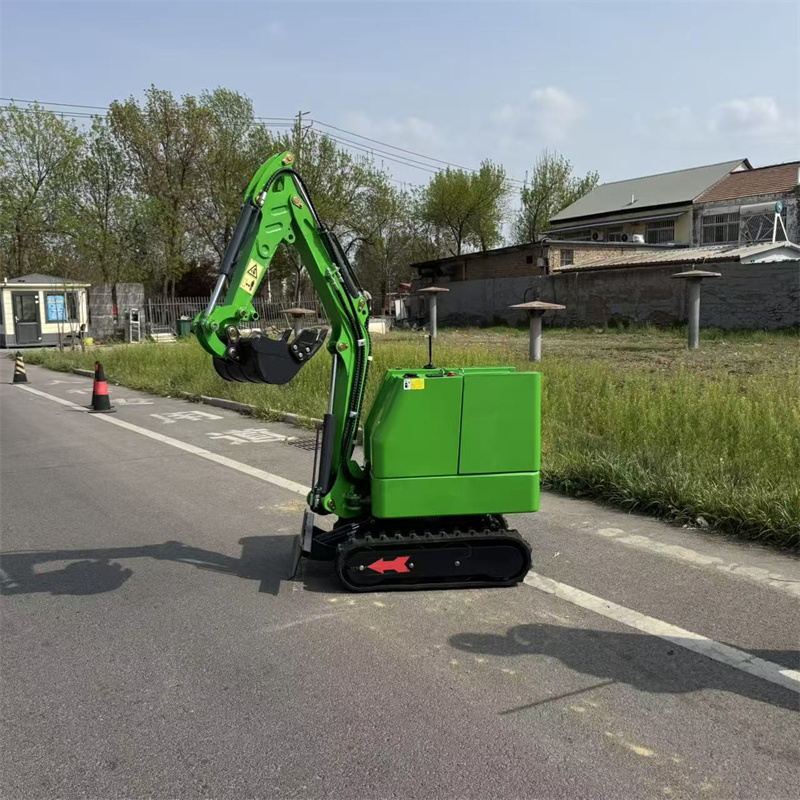
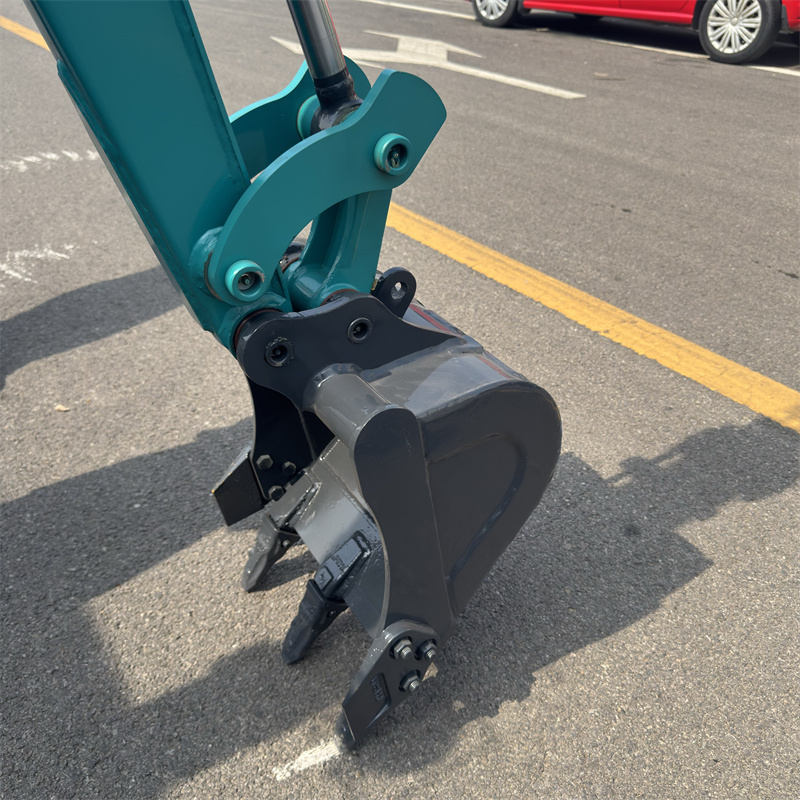
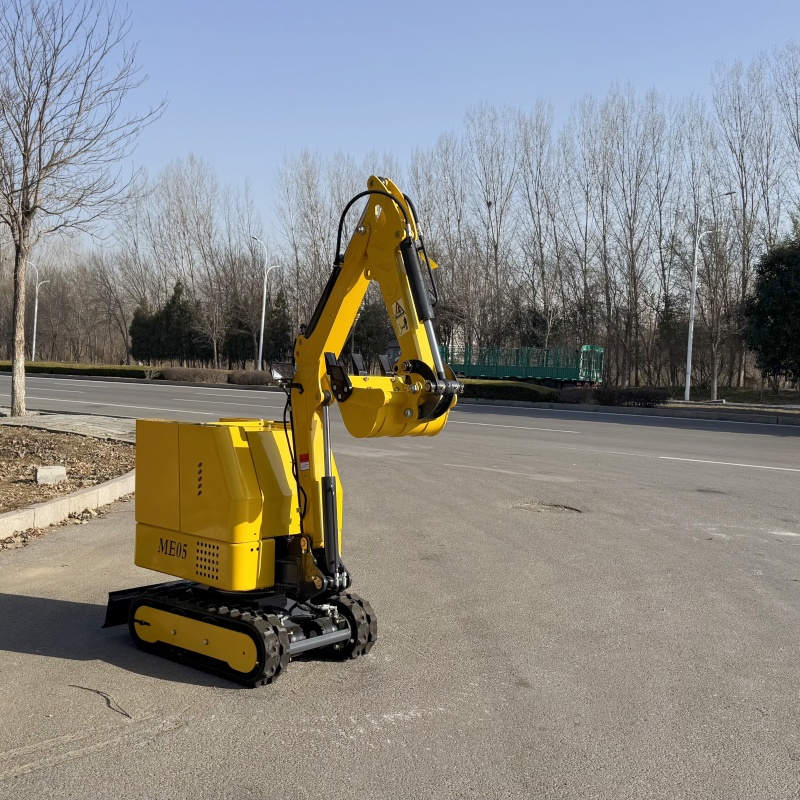
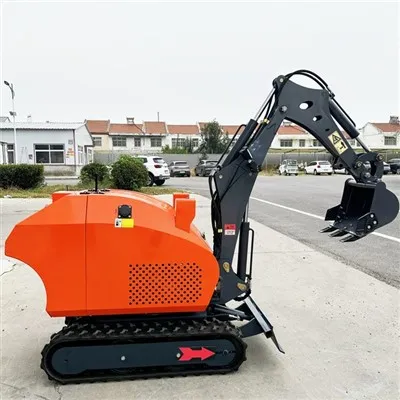
At our place, we offer a range of demolition robots, and each comes with a carefully designed cooling system. Our 0.8 Ton Electric Crawler Digger is a great example. This little guy has an efficient air – cooled system that’s perfect for smaller – scale jobs. It’s easy to maintain, and it keeps the robot running smoothly even during continuous use.
Then, we have the Rc Mining Excavator. This one is built for heavy – duty work, and it comes with a liquid – cooled system. The liquid – cooled setup ensures that the excavator can handle the intense heat generated during mining operations. It’s reliable and can keep going for hours on end without overheating.
And our ANTS Mini Excavator Robot also has a top – notch cooling solution. Whether it’s used for small construction sites or demolition in tight spaces, its cooling system is designed to optimize performance and minimize downtime.
Why Choose Our Cooling Systems
We’ve put a lot of effort into developing these cooling systems. We use high – quality materials, whether it’s the fans for the air – cooled systems or the radiators and coolant for the liquid – cooled ones. This means better durability and less chance of breakdowns.
Our engineers have also fine – tuned the designs to make sure the cooling systems are well – integrated with the overall structure of the robots. This results in better heat dissipation and more efficient operation.
Contact Us for Purchasing
If you’re in the market for a demolition robot, or you’re looking to upgrade your current one, don’t hesitate to reach out. Our cooling systems are designed to give you the best performance and reliability, so your robots can work hard on your job sites. Whether you need a small, air – cooled machine or a heavy – duty, liquid – cooled one, we’ve got you covered. Get in touch with us for purchasing and let’s start a great partnership!
References
“Engineering of Heavy – Duty Construction Machinery” – A handbook that provides in – depth knowledge about the components of construction and demolition equipment, including cooling systems.
“Thermal Management in Industrial Robots” – A research paper that focuses on the importance and design of cooling systems in robots for various industrial applications.