Hey there! As a supplier of Mini Excavator Digging, I often get asked about the digging capacity of a typical mini excavator. So, I thought I’d write this blog to break it down for you.
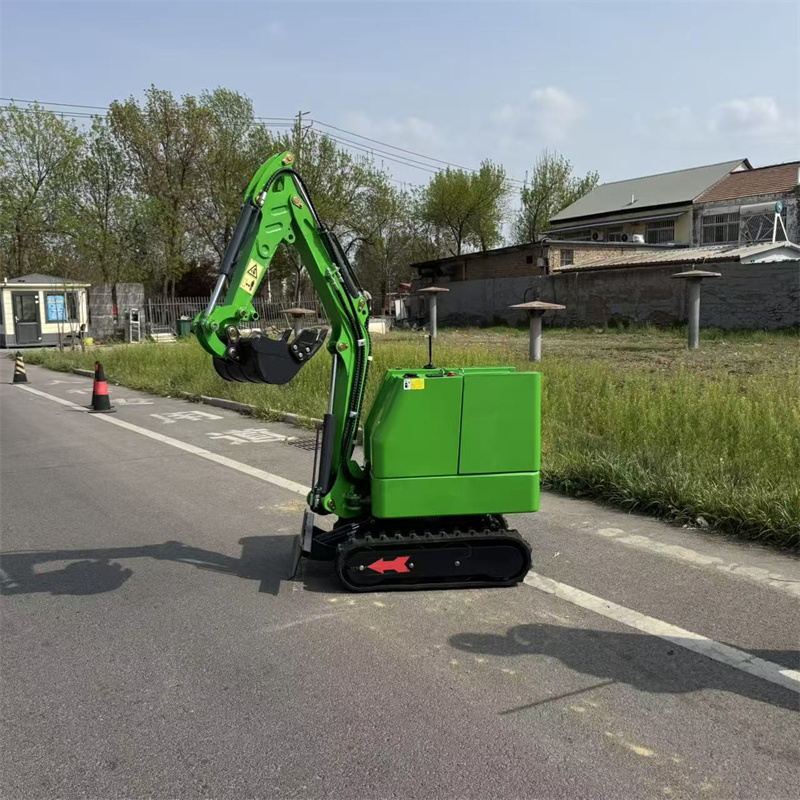
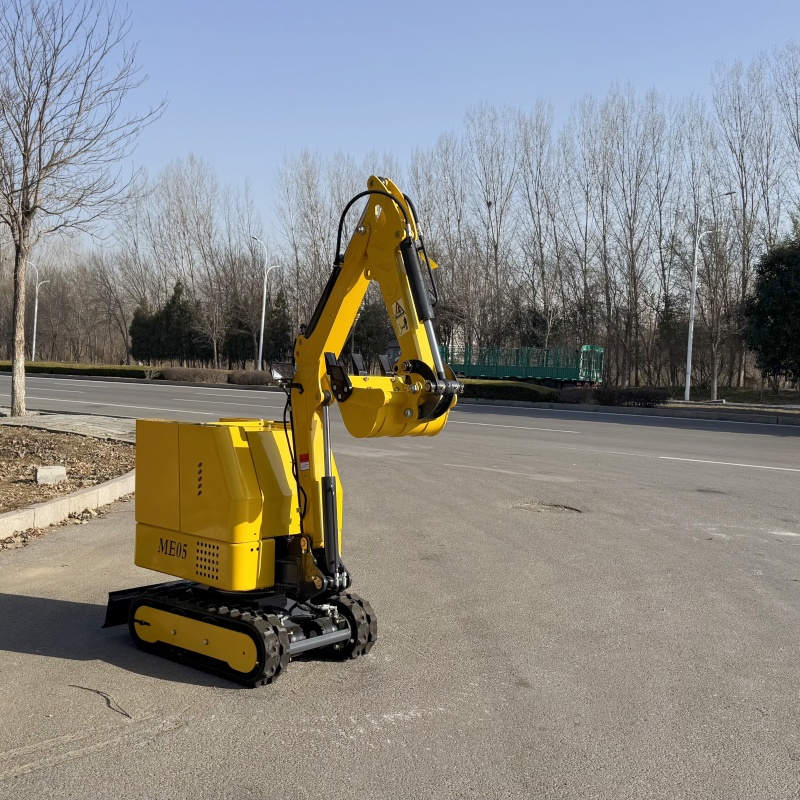
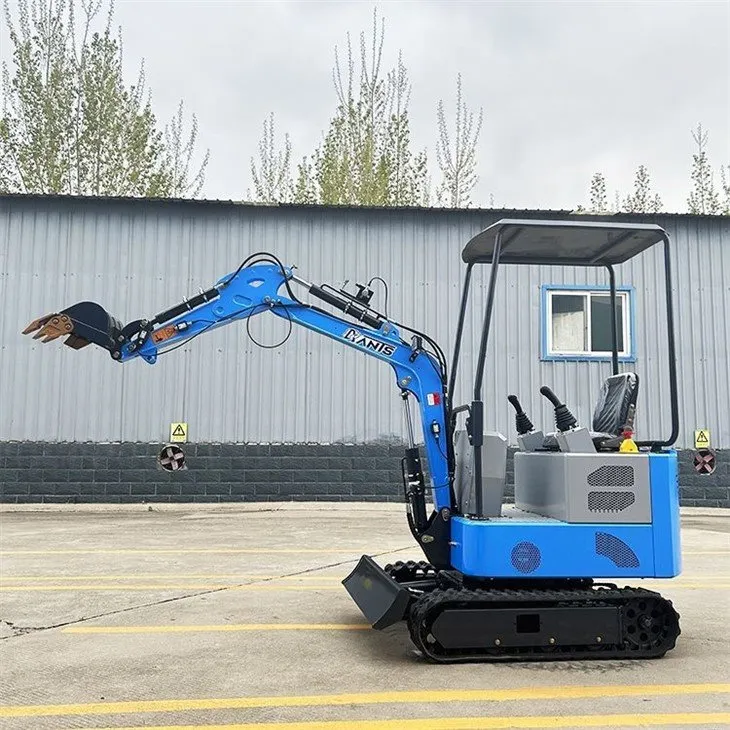
First off, let’s talk about what a mini excavator is. It’s a compact, versatile piece of equipment that’s great for small – scale construction, landscaping, and utility work. Unlike those big, bulky excavators you see on large construction sites, mini excavators can fit into tight spaces and are easier to maneuver.
Now, the digging capacity of a mini excavator can vary quite a bit. There are several factors that influence it, such as the machine’s size, engine power, and the type of bucket it’s using.
Size and Weight Matter
Mini excavators come in different sizes, usually measured by their operating weight. A smaller mini excavator, say one that weighs around 1 – 2 tons, will have a more limited digging capacity compared to a larger one.
For instance, a 1.5ton Mini Crawler Excavator is a popular choice. These machines are relatively lightweight, which makes them easy to transport and operate in confined areas. But their digging depth and reach are also somewhat restricted.
On average, a 1.5 – ton mini excavator can dig to a depth of about 2 – 3 meters. That’s deep enough to handle most small – scale trenching jobs, like laying pipes for a small irrigation system or creating a foundation for a small shed. The reach of a 1.5 – ton mini excavator is typically around 3 – 4 meters. This means it can reach out and dig at a distance from the machine itself, which is handy when you need to work around obstacles.
Engine Power is Key
The engine power of a mini excavator plays a huge role in its digging capacity. A more powerful engine can generate more hydraulic pressure, which in turn allows the machine to lift heavier loads and dig through tougher materials.
A typical 1.5 – ton mini excavator usually has an engine power of around 10 – 15 horsepower. This power is sufficient for digging through soft to medium – hard soils. If you’re dealing with harder materials like compacted clay or small rocks, a machine with a bit more power might be necessary.
For example, if you want to dig through a layer of compacted soil, a Mini Digger 1.5 Ton Excavator with a 15 – horsepower engine will have an easier time compared to one with only 10 horsepower. The extra power gives it the muscle to break up the soil and lift it out of the hole.
Bucket Type and Size
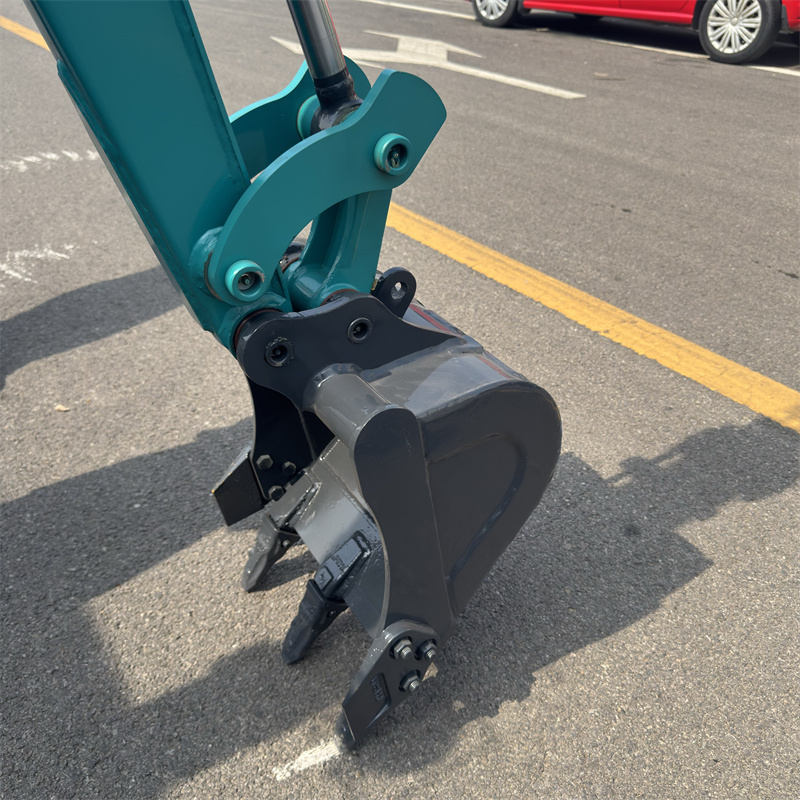
The type and size of the bucket attached to the mini excavator also affect its digging capacity. There are different types of buckets available, each designed for specific tasks.
A general – purpose bucket is the most common type. It’s suitable for digging and moving loose materials like soil, sand, and gravel. The size of the bucket can vary, but for a 1.5 – ton mini excavator, a bucket width of around 12 – 24 inches is typical. A wider bucket can move more material in one scoop, but it might be a bit more difficult to control in tight spaces.
If you need to dig through harder materials, a digging bucket with teeth is a better option. The teeth help to break up the ground and make it easier to dig. On the other hand, if you’re doing a finishing job, like smoothing out the bottom of a trench, a grading bucket with a smooth edge is more appropriate.
Real – World Applications
Let’s take a look at some real – world scenarios to see how the digging capacity of a mini excavator comes into play.
Landscaping: Imagine you’re creating a new garden. You need to dig some flower beds and a small pond. A Excavator 1.5 Ton would be perfect for this job. With its limited digging depth and reach, it can carefully dig out the areas you need without causing too much disruption to the surrounding landscape. You can use a general – purpose bucket to quickly move the soil around and shape the beds and pond.
Utility Work: When it comes to laying utility lines, like water pipes or electrical cables, a mini excavator is a go – to machine. A 1.5 – ton mini excavator can dig a trench of the right depth and width for these tasks. You can use a narrow bucket to ensure the trench is the correct size for the pipes or cables, and then backfill the trench once the installation is complete.
Comparing with Other Equipment
It’s also important to compare the digging capacity of a mini excavator with other types of equipment. For example, a backhoe loader is another common piece of equipment used for digging. While a backhoe loader has a larger digging capacity in terms of depth and reach, it’s also much bigger and less maneuverable than a mini excavator.
A mini excavator is better suited for jobs in tight spaces, like in a backyard or a small urban construction site. It can get into areas where a backhoe loader simply can’t fit. And even though its digging capacity is more limited, it can still get the job done efficiently for most small – scale projects.
Factors Affecting Productivity
Apart from the digging capacity itself, there are other factors that can affect the productivity of a mini excavator. Operator skill is a big one. An experienced operator knows how to use the machine’s controls effectively, which can increase the amount of material dug per hour.
The condition of the ground also matters. Soft, loose soil is much easier to dig through than hard, rocky ground. If the ground is wet, it can make the digging process more difficult as well, as the soil can stick to the bucket.
Maintenance is another crucial factor. A well – maintained mini excavator will perform better and have a more consistent digging capacity. Regularly checking the hydraulic system, engine, and bucket for wear and tear can prevent breakdowns and keep the machine running smoothly.
Conclusion
So, to sum it up, the digging capacity of a typical mini excavator, especially a 1.5 – ton one, is influenced by its size, engine power, bucket type, and other factors. It’s a great choice for small – scale projects where maneuverability and efficiency are key.
If you’re in the market for a mini excavator, or you have any questions about their digging capacity and how it can fit your specific needs, don’t hesitate to get in touch. We’re here to help you find the right machine for your project. Whether it’s for landscaping, utility work, or any other small – scale construction job, we’ve got you covered.
References
Construction Equipment Handbook
Mini Excavator Manufacturer’s Manuals