What is the Digging Force of a Mini Crawler Excavator?
As a supplier of Mini Crawler Excavators, I’ve had numerous inquiries about the digging force of these compact yet powerful machines. Understanding the digging force is crucial for anyone looking to invest in a mini crawler excavator, whether for small – scale construction projects, landscaping, or utility work.
Defining Digging Force
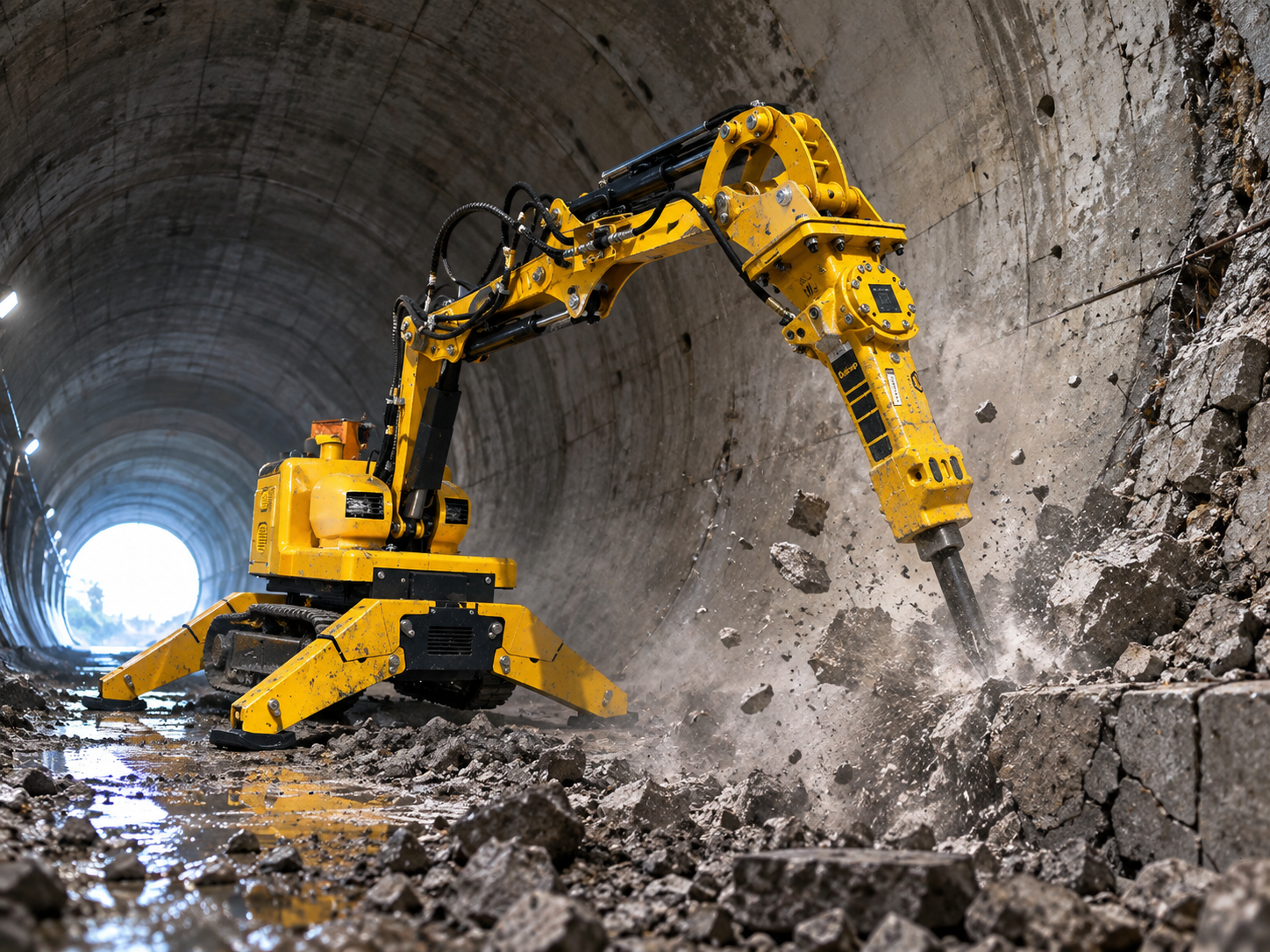
Digging force refers to the maximum amount of force that an excavator can exert when digging. It is typically measured in kilonewtons (kN). This force is generated by the hydraulic cylinders in the excavator’s boom, arm, and bucket. The digging force is a key performance indicator as it determines the machine’s ability to break through hard soil, rocks, and other materials.
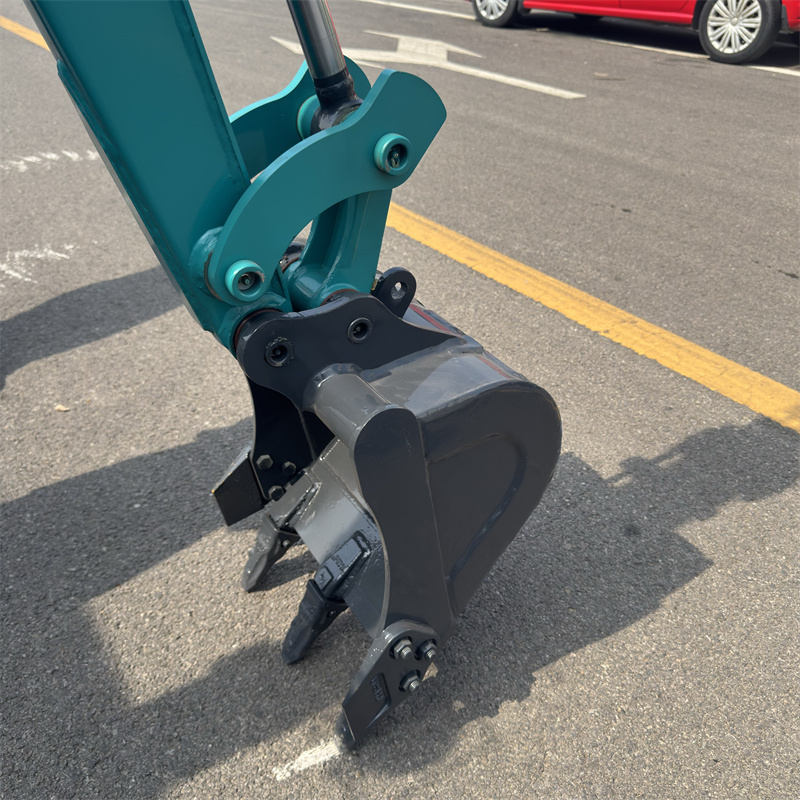
There are two main types of digging force: bucket digging force and arm digging force. Bucket digging force is the force applied by the bucket when it curls inwards to scoop up material. Arm digging force, on the other hand, is the force exerted by the arm when it pulls the bucket towards the machine.
Factors Affecting Digging Force
Several factors influence the digging force of a mini crawler excavator. One of the most significant factors is the hydraulic system. A well – designed hydraulic system can provide high pressure to the cylinders, resulting in greater digging force. The size and capacity of the hydraulic pump, as well as the quality of the valves and hoses, all play a role in determining the overall performance of the hydraulic system.
The design of the boom, arm, and bucket also affects the digging force. A properly engineered boom and arm can leverage the hydraulic power effectively, transferring it to the bucket. The shape and size of the bucket can also impact the digging force. For example, a wider bucket may distribute the force over a larger area, while a narrower bucket can concentrate the force, making it more effective for breaking through hard materials.
The weight of the excavator is another important factor. A heavier excavator generally has more stability, which allows it to apply greater digging force without tipping over. However, it’s important to find a balance, as an overly heavy machine may be less maneuverable in tight spaces.
Digging Force of Our Mini Crawler Excavators
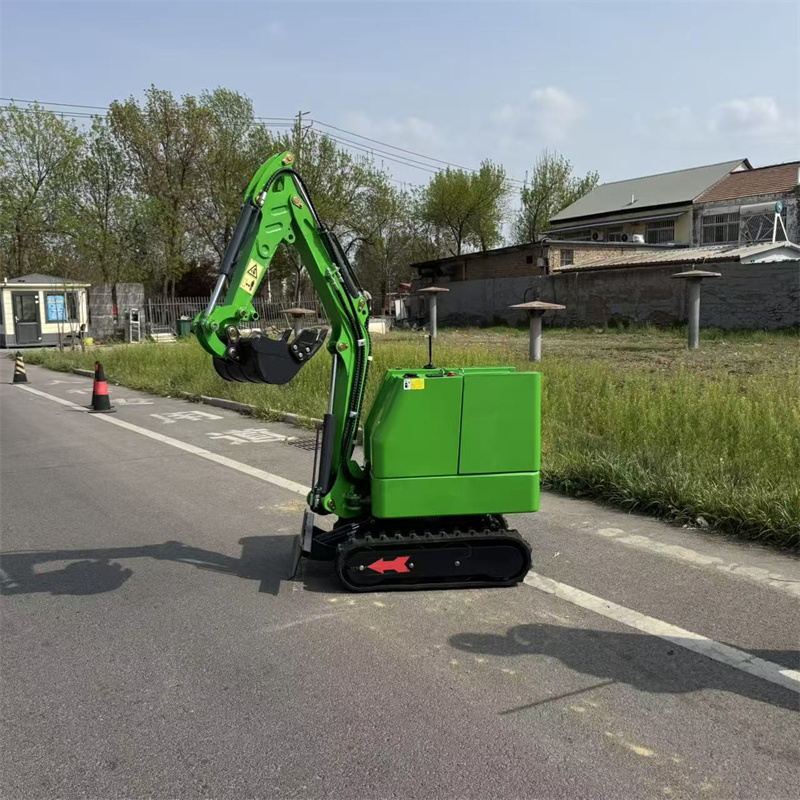
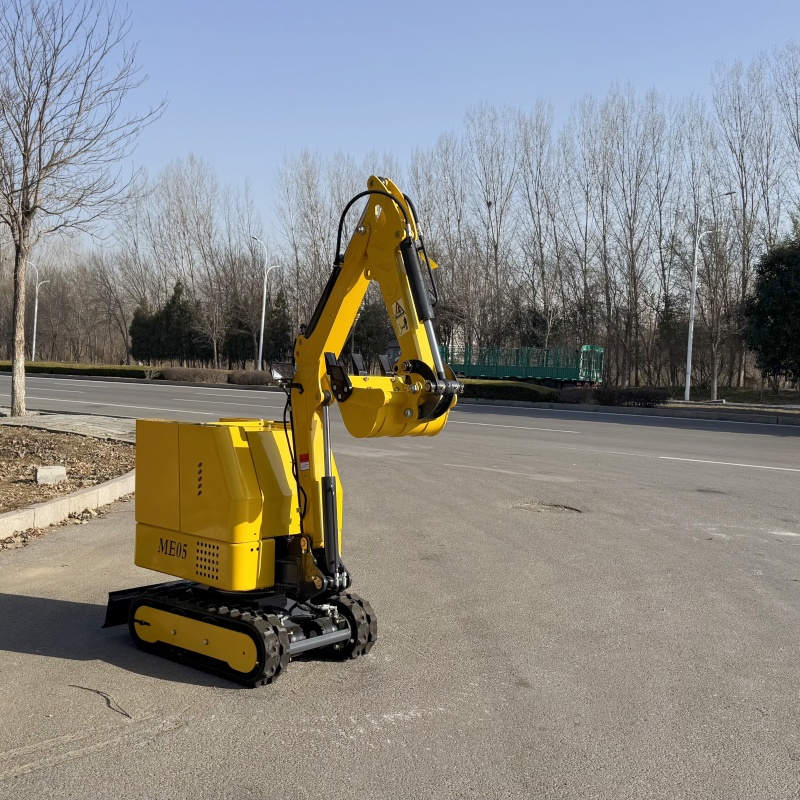
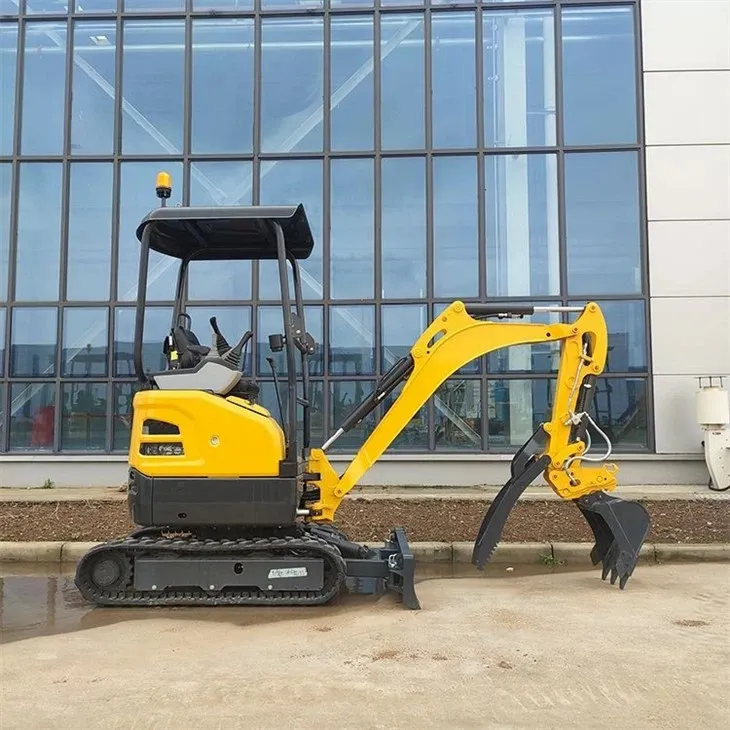
Our Mini Crawler Excavator models are designed to offer optimal digging force for a variety of applications. Take our 1.8 Ton Electric Mini Excavator as an example. Despite its relatively small size, it packs a punch when it comes to digging force.
The 1.8 – ton electric mini excavator is equipped with a state – of – the – art hydraulic system that provides high – pressure output to the cylinders. This allows the machine to generate a significant bucket digging force, enabling it to handle a wide range of materials, from soft soil to moderately hard rocks. The arm digging force is also impressive, ensuring efficient digging and material handling.
Our Mini Small Excavator models are engineered with a focus on both power and precision. The boom and arm are designed to maximize the transfer of hydraulic power to the bucket, resulting in excellent digging performance. The buckets are available in different sizes and shapes to suit various applications, further enhancing the machine’s versatility.
Importance of Digging Force in Different Applications
In construction projects, the digging force of a mini crawler excavator is essential for tasks such as foundation digging, trenching, and site preparation. A machine with high digging force can quickly break through the ground, reducing the time and labor required for these tasks. This can lead to significant cost savings and increased project efficiency.
In landscaping, the ability to dig through various types of soil and rocks is crucial for creating gardens, ponds, and retaining walls. Our mini crawler excavators’ digging force allows landscapers to shape the terrain with precision, ensuring that the final result meets the client’s expectations.
For utility work, such as installing pipes and cables, the digging force is necessary for creating trenches of the appropriate depth and width. A powerful mini crawler excavator can dig through hard – packed soil and even some rocky areas, making it an ideal choice for these types of projects.
How to Evaluate Digging Force
When evaluating the digging force of a mini crawler excavator, it’s important to look beyond the manufacturer’s specifications. While the stated digging force in kilonewtons is a good starting point, it’s also important to consider the real – world performance of the machine.
One way to evaluate the digging force is to test the machine in different soil conditions. This can give you a better understanding of how the excavator performs in actual working environments. You can also look for customer reviews and testimonials to get an idea of the machine’s reliability and digging performance.
Conclusion
The digging force of a mini crawler excavator is a critical factor that determines its performance and suitability for different applications. Our mini crawler excavators are designed to offer high – quality digging force, thanks to their advanced hydraulic systems, well – engineered booms and arms, and versatile buckets.
If you’re in the market for a mini crawler excavator and want to learn more about our products’ digging force and other features, we encourage you to reach out to us. We’re here to help you find the right machine for your specific needs. Whether you’re a construction contractor, a landscaper, or a utility worker, our mini crawler excavators can provide the power and performance you require.
References
“Excavator Hydraulics: Principles and Applications” – A technical guide on excavator hydraulic systems.
“Mini Excavator Design and Performance” – A research paper on the design factors affecting mini excavator performance, including digging force.