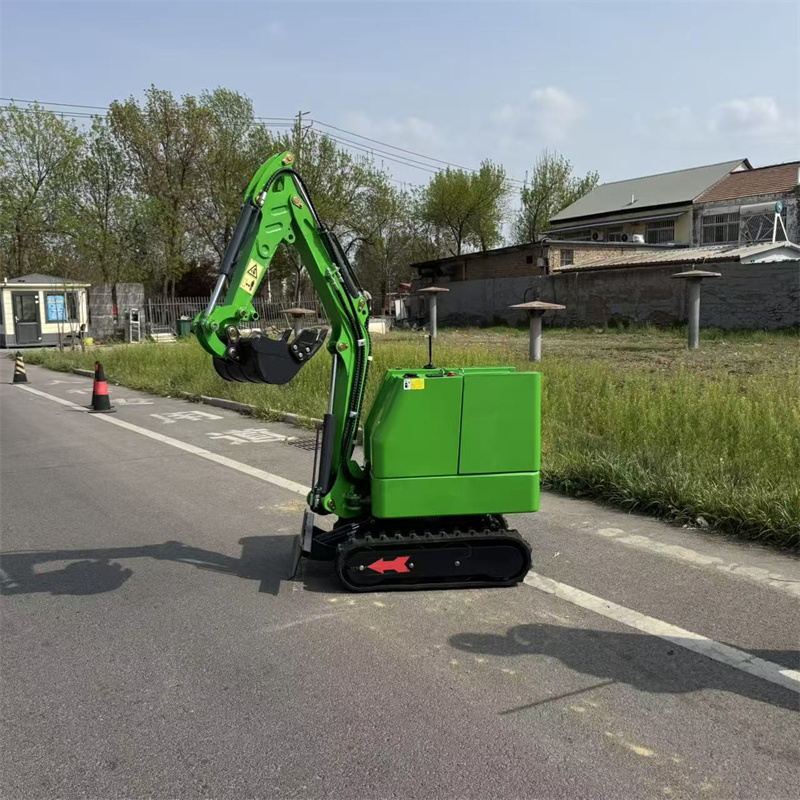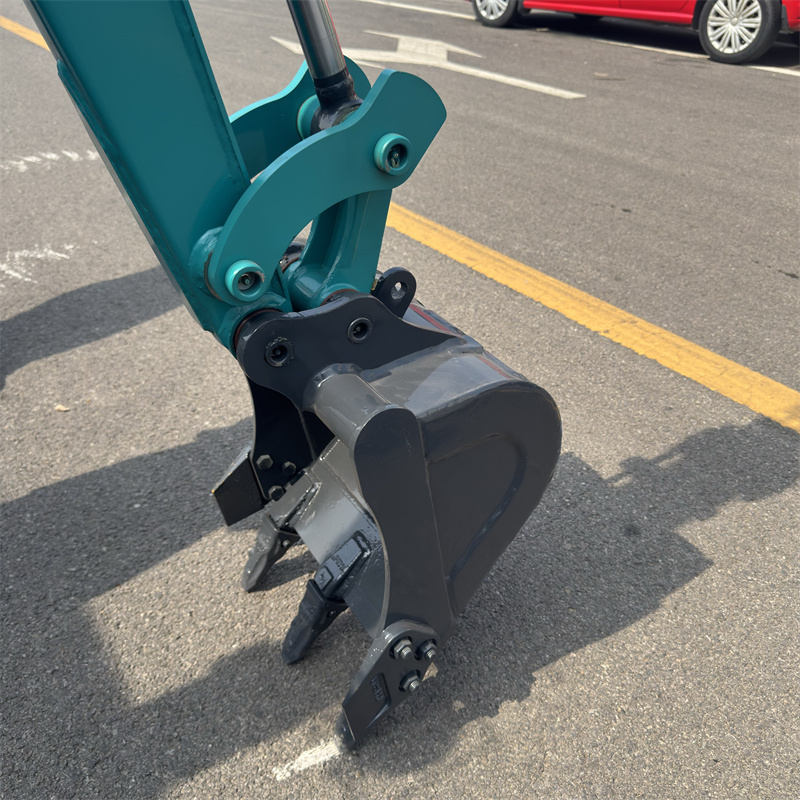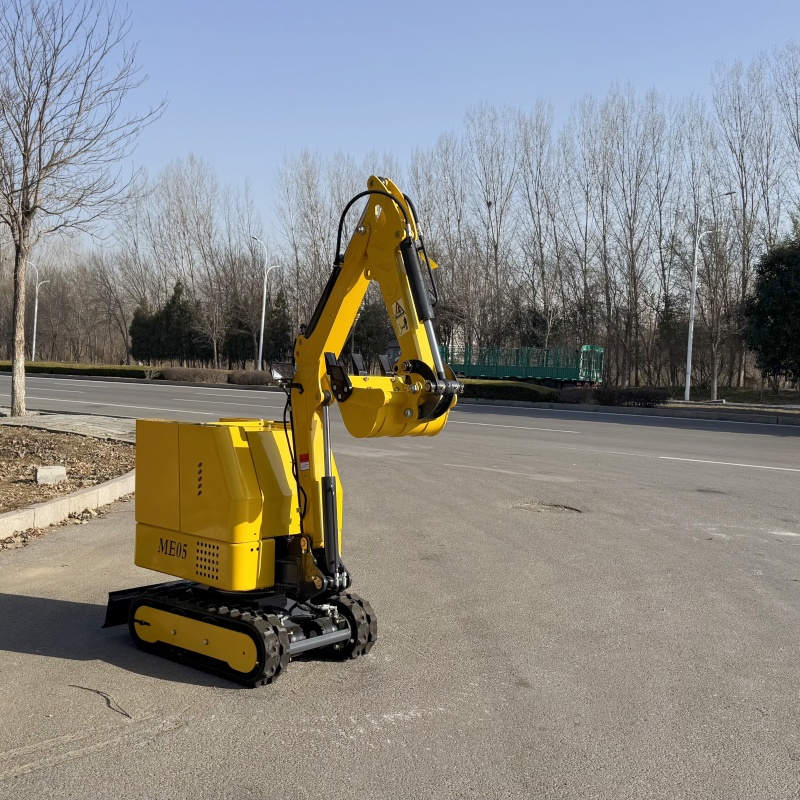
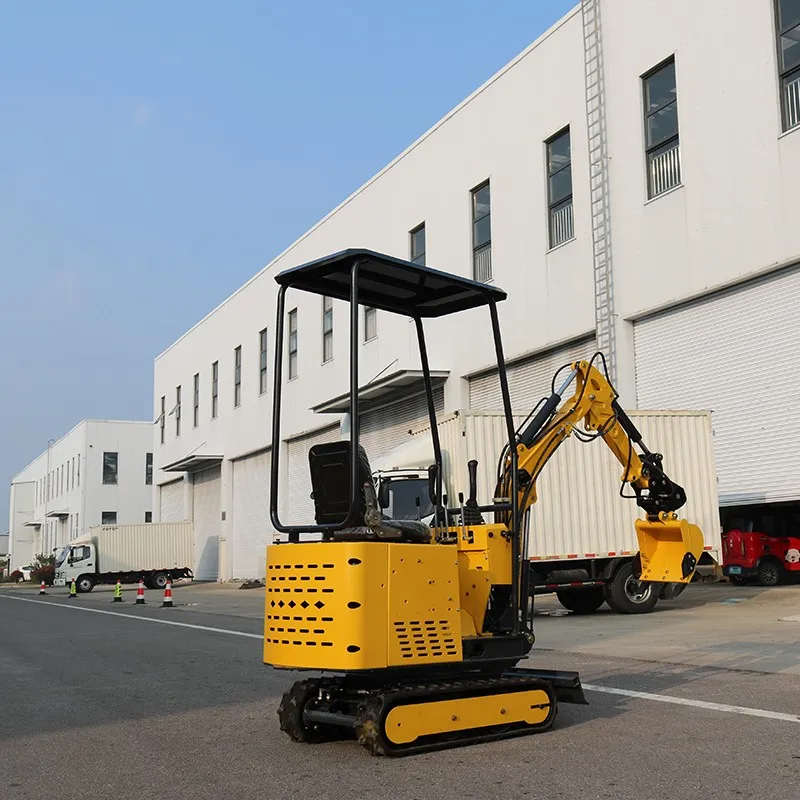
When it comes to the 0.8 – ton mini excavator, one of the most crucial aspects that often goes unnoticed but is fundamental to its operation is the electrical system. As a supplier of Mini Excavator 0.8 Ton, I’ve had in – depth experience and knowledge about these systems, and I’m excited to share with you what the electrical system in a 0.8 – ton mini excavator is like.
Basic Components of the Electrical System
Battery
The battery is the heart of the electrical system in a 0.8 – ton mini excavator. It provides the initial power to start the engine. Typically, a 12 – volt battery is used in these small – scale excavators. The battery stores electrical energy chemically and releases it when needed. It has to be of high quality to ensure reliable starting, especially in harsh working conditions. For instance, in cold weather, a weak battery may struggle to provide enough power to turn over the engine. The battery also powers other electrical components when the engine is not running, such as the lights for on – site safety.
Alternator
Once the engine is running, the alternator takes over the role of supplying electrical power to the various components and recharging the battery. The alternator is driven by the engine’s crankshaft through a belt. It converts mechanical energy from the engine into electrical energy. In a 0.8 – ton mini excavator, the alternator usually has an output capacity that is sufficient to meet the power demands of all the electrical devices on board. This includes powering the control systems, sensors, and the lighting system.
Wiring Harness
The wiring harness is like the nervous system of the electrical system. It consists of a bundle of wires that connect all the electrical components together. These wires are carefully routed throughout the excavator to ensure proper functioning. They are protected by insulation to prevent short – circuits and damage from external factors such as abrasion, moisture, and heat. The wiring harness is designed to be durable and flexible to withstand the vibrations and movements that the excavator experiences during operation.
Fuses and Relays
Fuses and relays are essential safety and control components in the electrical system. Fuses are designed to protect the electrical circuits from over – current. If there is a short – circuit or an excessive current flow in a circuit, the fuse will blow, breaking the circuit and preventing damage to the components. Relays, on the other hand, are used to control high – current circuits with a low – current signal. They act as switches, allowing the control system to turn on and off various electrical devices, such as the starter motor or the hydraulic pumps.
Specific Electrical Functions in a 0.8 – Ton Mini Excavator
Engine Starting System
The engine starting system is a critical function of the electrical system. When the operator turns the ignition key, an electrical signal is sent to the starter solenoid. The solenoid then engages the starter motor, which rotates the engine’s flywheel to start the engine. This process requires a significant amount of electrical power, which is why a well – charged battery is essential. The starting system also includes a safety feature that prevents the starter motor from engaging when the engine is already running.
Control Systems
Modern 0.8 – ton mini excavators are equipped with sophisticated control systems that rely on electrical signals. These systems are used to control the movement of the boom, arm, and bucket, as well as the steering and travel functions. The control system consists of sensors, controllers, and actuators. Sensors detect the position and movement of the various components, and send electrical signals to the controller. The controller then processes these signals and sends commands to the actuators, which are usually hydraulic valves, to control the movement of the excavator.
Lighting System
The lighting system is important for both safety and visibility. A 0.8 – ton mini excavator is often used in construction sites where lighting conditions may be poor. The lighting system typically includes headlights, work lights, and taillights. Headlights are used for forward – facing illumination during operation, while work lights are installed on the boom or other parts of the excavator to provide light for specific tasks. Taillights are used for safety, indicating the position and movement of the excavator to other workers on the site.
Importance of a Well – Functioning Electrical System
A well – functioning electrical system is crucial for the overall performance and safety of a 0.8 – ton mini excavator. If the battery fails, the excavator will not start, resulting in downtime and lost productivity. A faulty alternator can lead to a drained battery and cause electrical components to malfunction. Wiring harness issues, such as loose connections or damaged wires, can result in intermittent operation or complete failure of the electrical devices.
In addition, the control systems rely on accurate electrical signals for precise operation. Any electrical problems in the control system can lead to inaccurate movements of the boom, arm, and bucket, which can be dangerous in a construction environment. The lighting system is also essential for safety, and a malfunctioning lighting system can increase the risk of accidents on the site.
Our Offerings
As a supplier of Mini Excavator 0.8 Ton, we ensure that all our excavators are equipped with high – quality electrical systems. Our 0.8 Ton Remote Control Excavator features an advanced electrical system that allows for precise remote control operation. The electrical components are carefully selected and tested to ensure reliability and durability.
Our 800kg Swing Boom Excavator also has a well – designed electrical system that supports the smooth operation of the swing boom function. The wiring harness is routed in a way that minimizes the risk of damage during the swinging movement.
And our Mini Excavator 800 kg is equipped with a state – of – the – art electrical control system that provides excellent performance and safety.
Contact for Purchase and Negotiation
If you are interested in our 0.8 – ton mini excavators and want to know more about their electrical systems or other features, we invite you to contact us for purchase and negotiation. We are committed to providing you with the best products and services to meet your construction needs.
References
“Mini Excavator Handbook” – A comprehensive guide on the technical aspects of mini excavators.
Industry reports on the electrical systems in construction equipment.