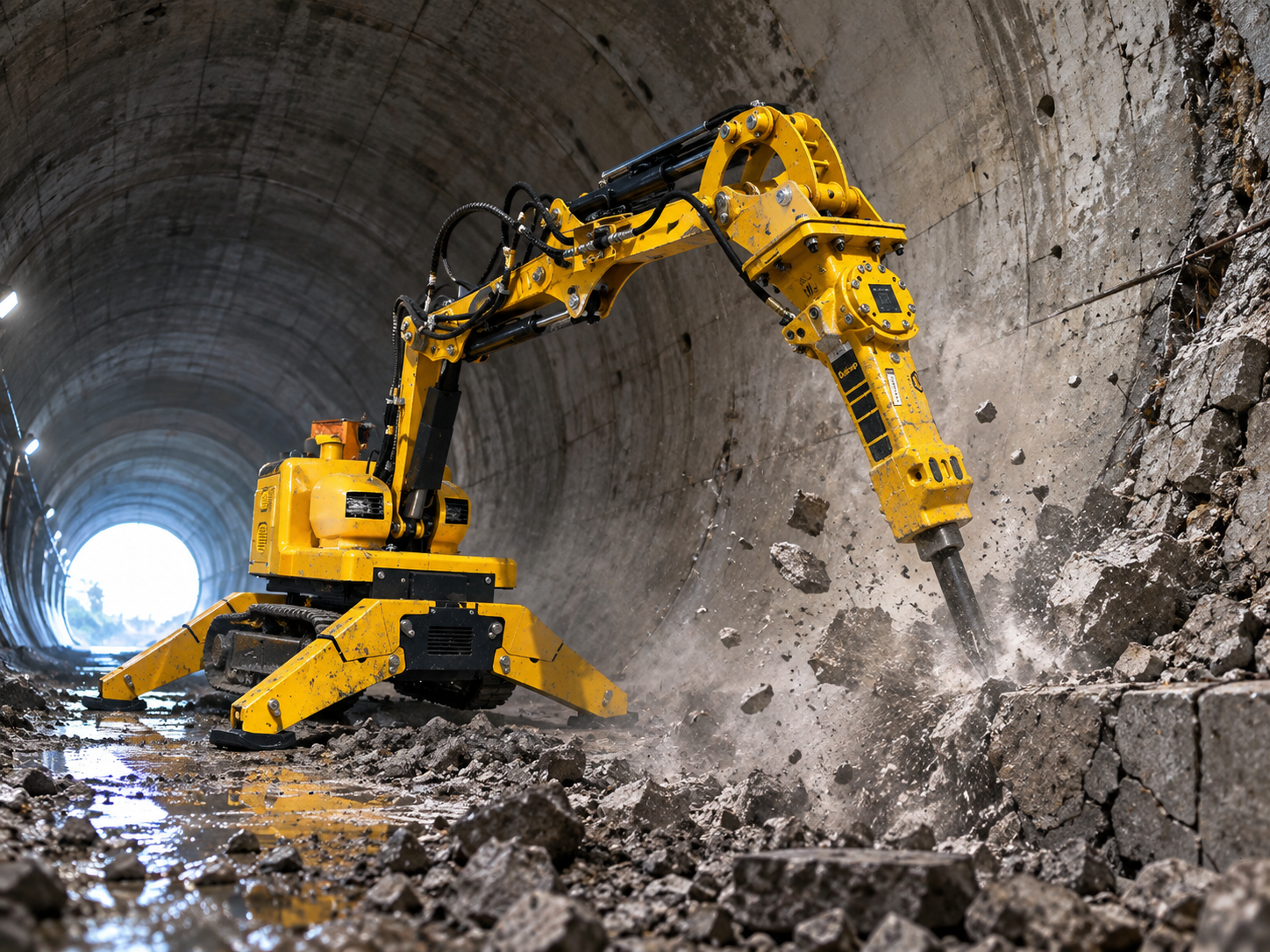
Hey there! As a supplier of demolition robots, I’m super stoked to dive into the nitty – gritty of the electrical system of these badass machines. Demolition robots are a game – changer in the construction and demolition industry, and understanding their electrical system is key to appreciating their awesomeness.
Let’s start with the basics. The electrical system of a demolition robot is like the nervous system of a human body. It’s responsible for transmitting signals, powering up components, and ensuring that the robot functions smoothly and efficiently.
At the heart of the electrical system is the power source. Most modern demolition robots are powered by high – capacity batteries. These batteries are designed to provide a steady stream of power for extended periods, allowing the robot to work long hours without constant recharging. The battery management system (BMS) is crucial here. It monitors the battery’s state of charge, temperature, and voltage. This helps prevent overcharging, over – discharging, and overheating, which can significantly reduce the battery’s lifespan.
The control system is another vital part of the electrical setup. It’s what allows operators to control the robot’s movements, attachments, and functions. The control system usually consists of a remote control unit and an on – board controller. The remote control unit is like a high – tech joystick. It sends signals wirelessly to the on – board controller, which then interprets these signals and activates the appropriate motors and actuators in the robot.
Motors play a huge role in the robot’s operation. There are different types of motors used in demolition robots, such as DC motors and servo motors. DC motors are often used for tasks that require high torque, like moving the robot’s tracks. Servo motors, on the other hand, are great for precise movements, such as controlling the angle of the robot’s arm or the rotation of its attachments.
The wiring harness is like the circulatory system of the electrical network. It connects all the electrical components together, ensuring that power and signals can flow freely. High – quality wiring is essential to prevent short – circuits and ensure reliable operation. The wiring is usually protected by conduits and insulation to withstand the harsh conditions of demolition sites, including dust, debris, and vibrations.
Sensors are also an important part of the electrical system. They provide feedback to the control system, allowing the robot to adapt to its environment. For example, proximity sensors can detect obstacles in the robot’s path and automatically stop the robot to prevent collisions. Pressure sensors can monitor the force applied by the robot’s attachments, ensuring that the demolition work is done safely and effectively.
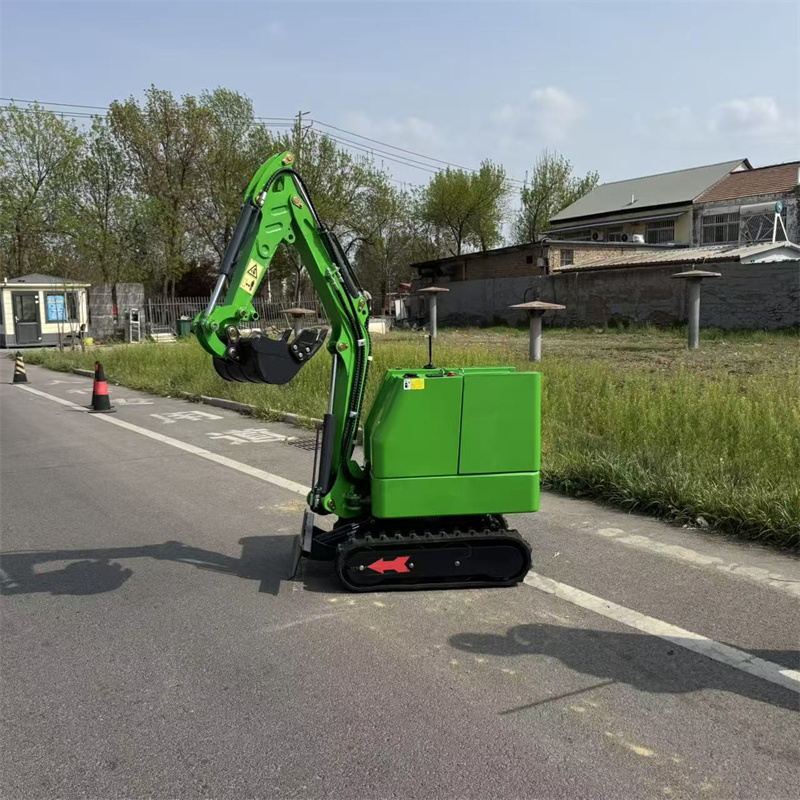
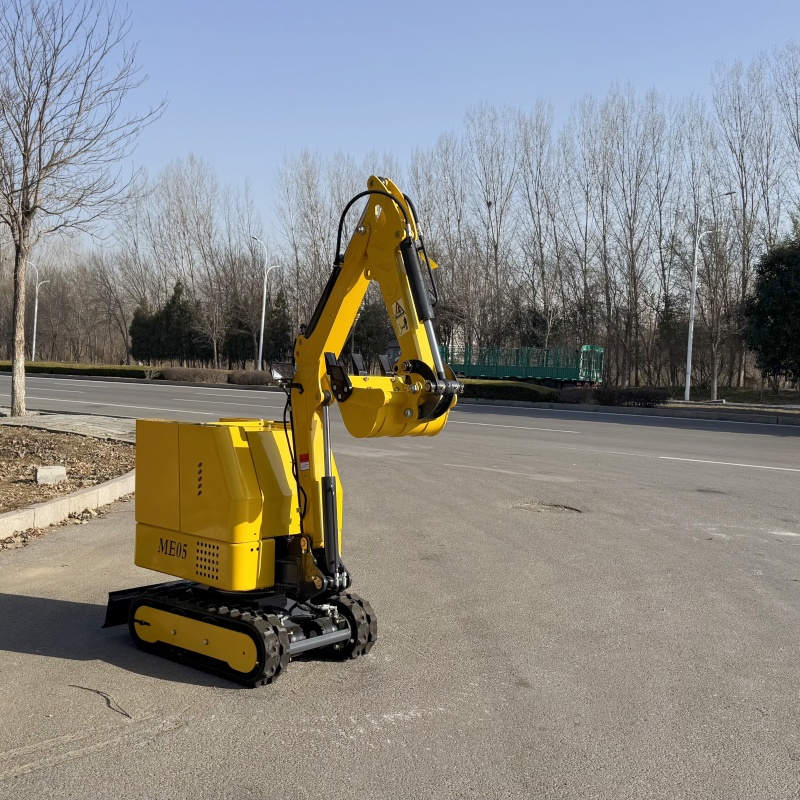
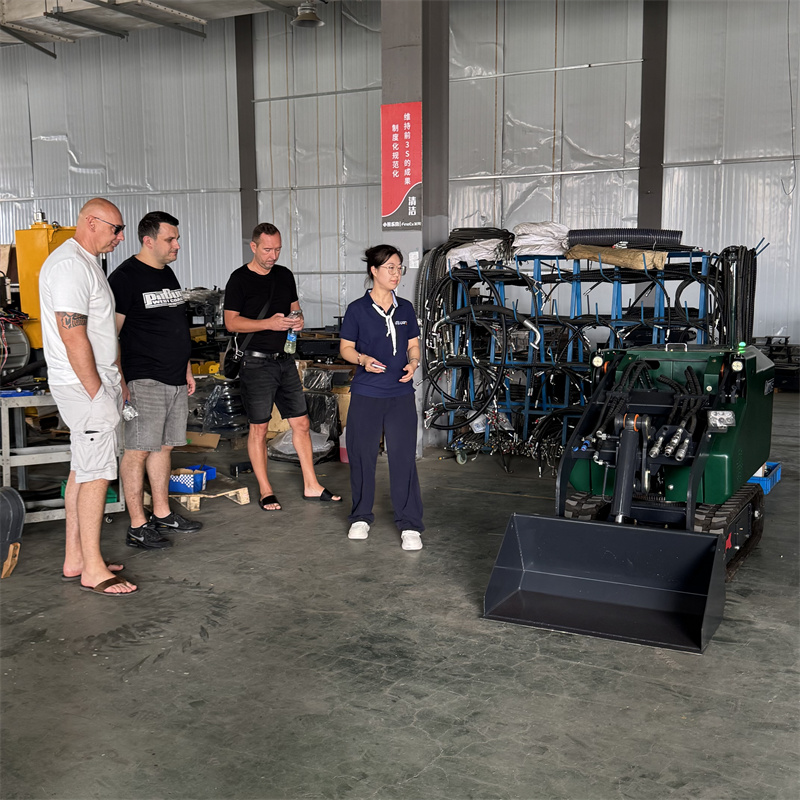
Now, let me tell you a bit about the different types of demolition robots we offer. We have the Mini Miner Rc Excavator, which is perfect for small – scale demolition and mining operations. It’s compact, easy to maneuver, and has a powerful electrical system that can handle tough jobs.
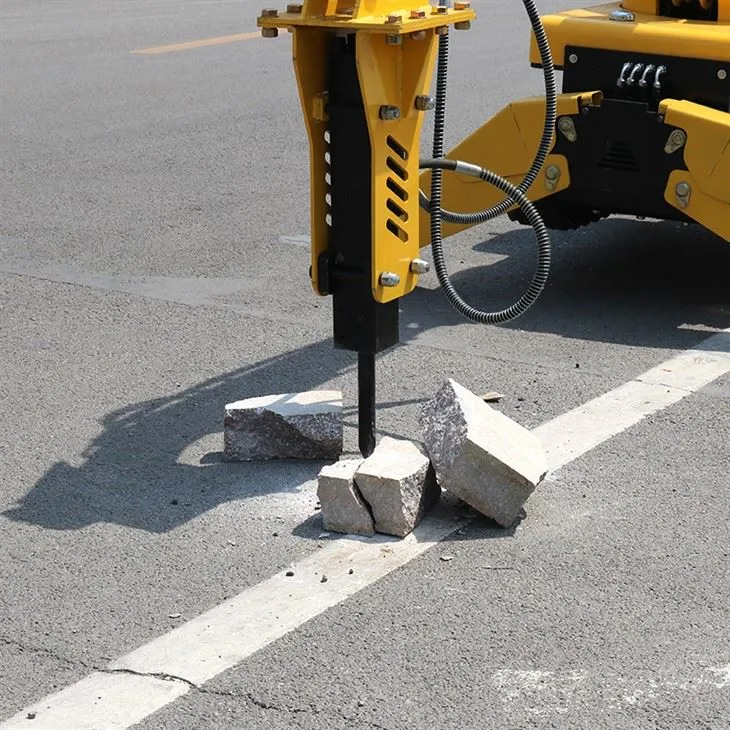
Our Concrete Demolition Robot is specifically designed for breaking up concrete structures. It has a robust electrical system that can power heavy – duty attachments, like hydraulic breakers. This robot is a beast when it comes to taking down large concrete walls and foundations.
If you’re into mining, our Rc Mining Excavator is the way to go. It’s built to withstand the rough conditions of mining sites and has an advanced electrical system that provides reliable performance.
The electrical system of a demolition robot is a complex but well – designed network that enables these machines to perform their tasks efficiently and safely. Whether you’re in the construction, demolition, or mining industry, having a reliable demolition robot with a top – notch electrical system can make a huge difference in your operations.
If you’re interested in learning more about our demolition robots or want to discuss a potential purchase, don’t hesitate to reach out. We’re always here to answer your questions and help you find the perfect robot for your needs.
References:
General knowledge of demolition robot technology and electrical engineering principles.