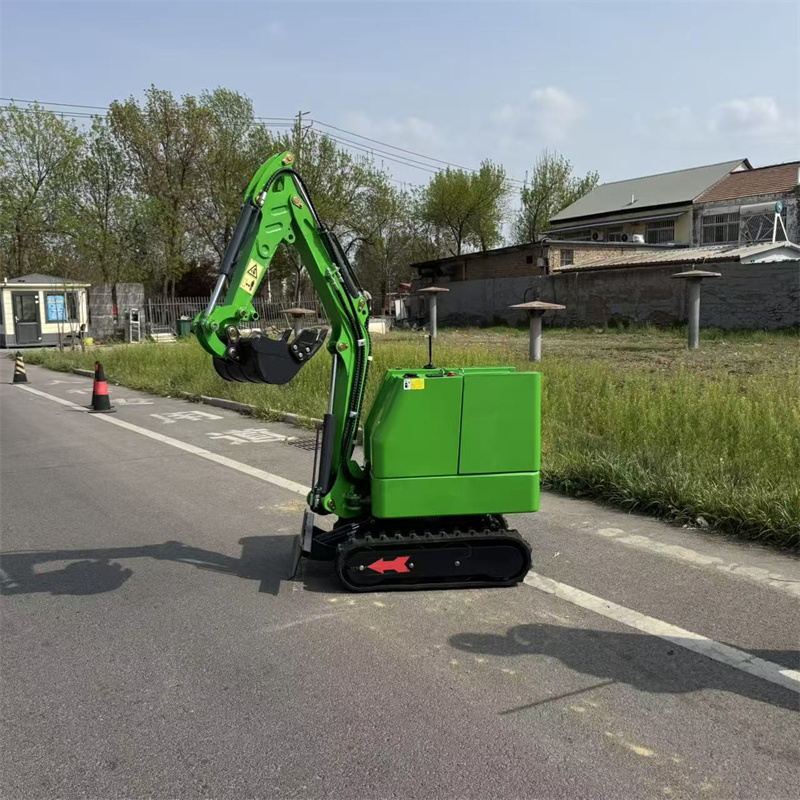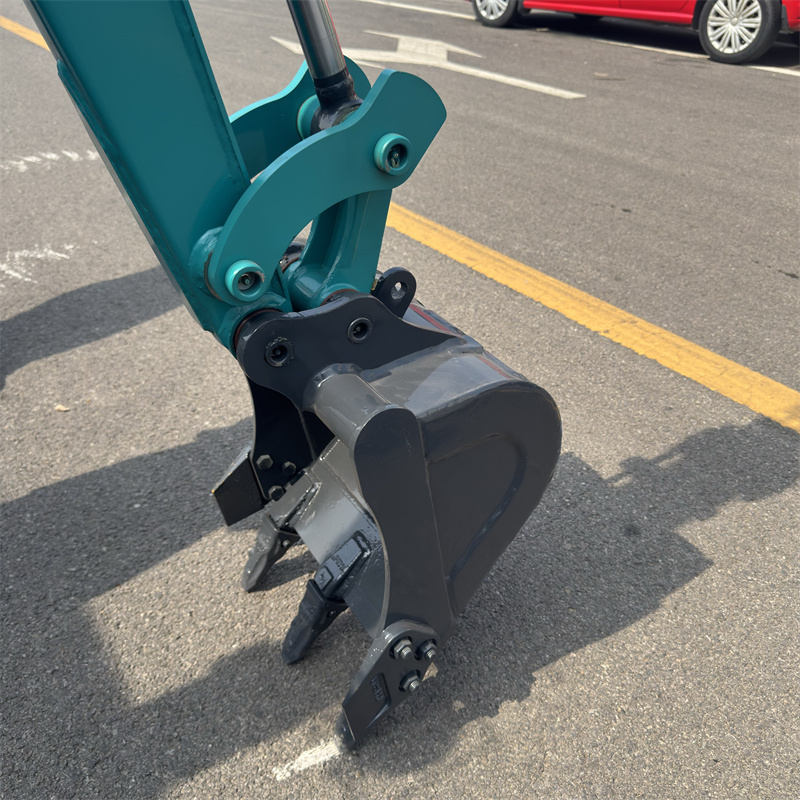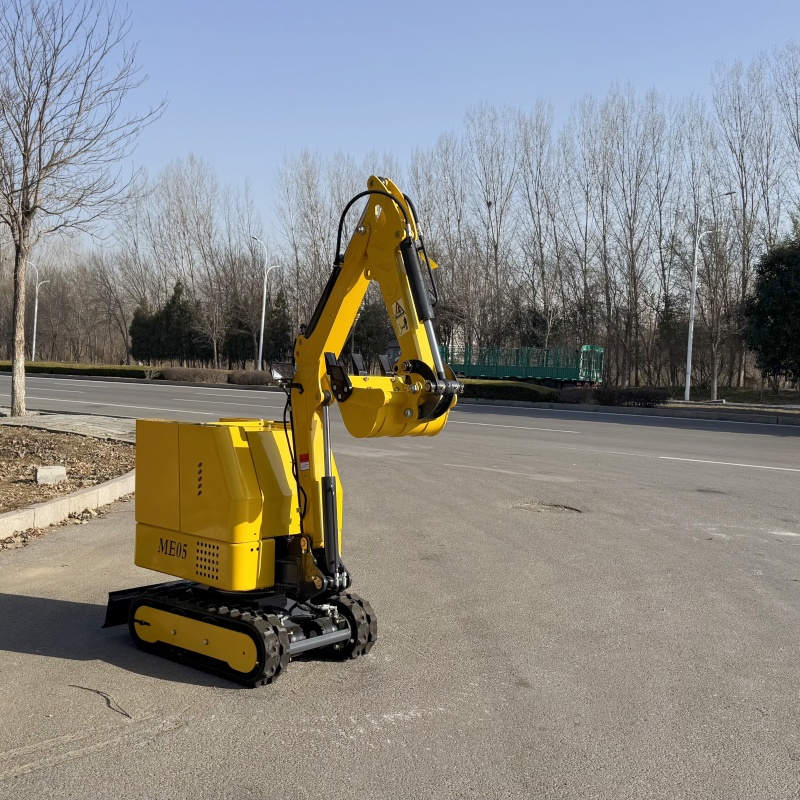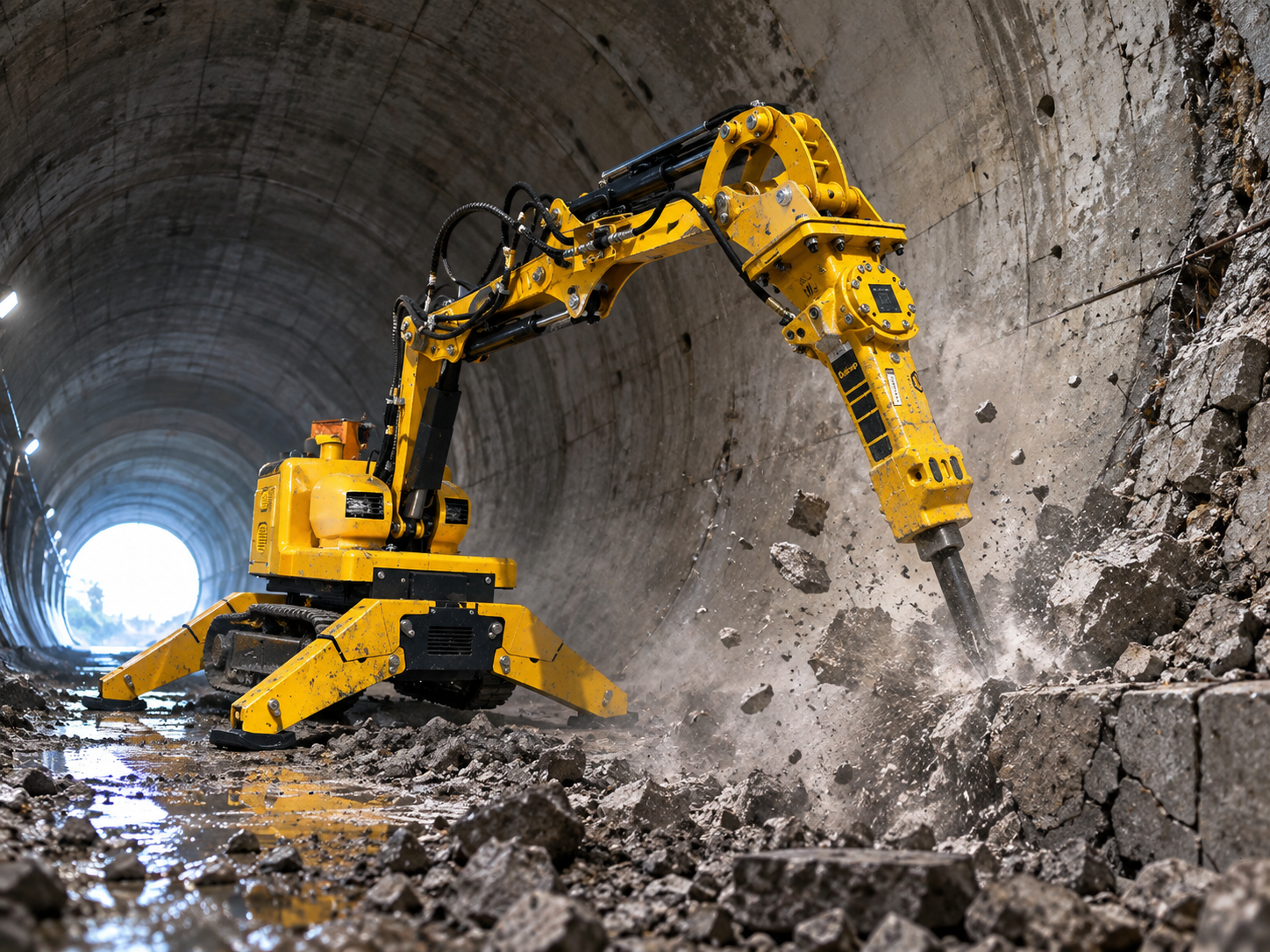
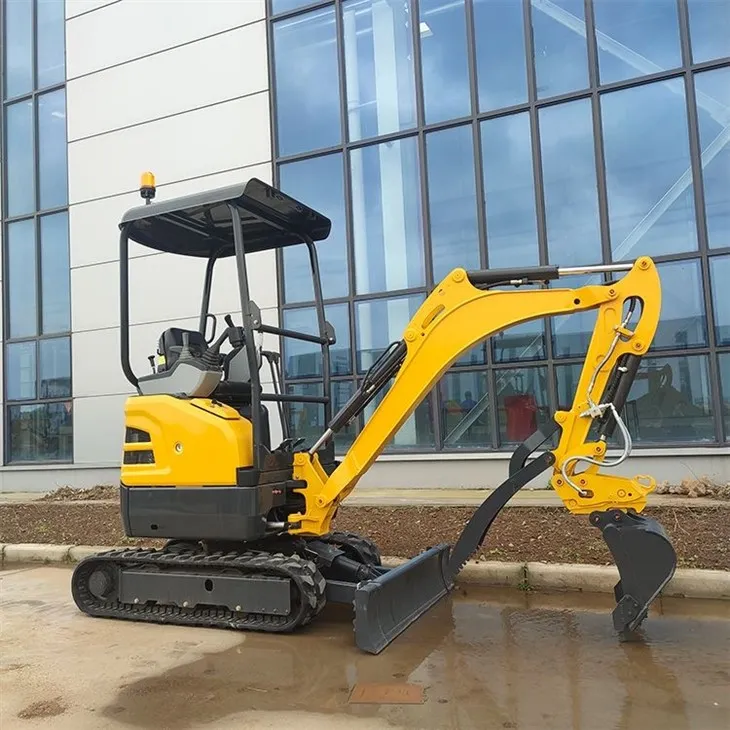
The hydraulic system is the heart of a 1.8 Ton Mini Excavator, playing a crucial role in its overall performance and functionality. As a supplier of 1.8 Ton Mini Excavator, understanding the flow rate of the hydraulic system is essential for both us and our customers. In this blog, we will delve into the concept of flow rate, its significance in a 1.8 Ton Mini Excavator, and how it affects the machine’s operation.
What is Flow Rate in a Hydraulic System?
Flow rate, in the context of a hydraulic system, refers to the volume of hydraulic fluid that passes through a specific point in the system per unit of time. It is typically measured in liters per minute (L/min) or gallons per minute (GPM). The flow rate is a critical parameter because it directly influences the speed and force with which the hydraulic actuators, such as cylinders and motors, can operate.
In a 1.8 Ton Mini Excavator, the hydraulic system consists of a hydraulic pump, valves, hoses, and actuators. The hydraulic pump is responsible for generating the flow of hydraulic fluid. It draws fluid from the reservoir and pressurizes it before sending it through the system. The valves control the direction and amount of fluid flow to the various actuators, allowing the operator to control the movement of the excavator’s boom, arm, bucket, and other components.
Importance of Flow Rate in a 1.8 Ton Mini Excavator
The flow rate of the hydraulic system has a significant impact on the performance of a 1.8 Ton Mini Excavator. Here are some key aspects where the flow rate plays a crucial role:
1. Operating Speed
The flow rate determines how quickly the hydraulic actuators can extend and retract. A higher flow rate means that the cylinders and motors can move faster, resulting in quicker cycle times for digging, lifting, and other operations. For example, when digging a trench, a higher flow rate allows the bucket to be filled and emptied more rapidly, increasing the overall productivity of the excavator.
2. Lifting Capacity
The flow rate also affects the lifting capacity of the excavator. The force exerted by a hydraulic cylinder is proportional to the pressure and the area of the piston. However, to generate this force quickly, a sufficient flow rate is required. If the flow rate is too low, the cylinder may not be able to extend or retract fast enough to lift heavy loads efficiently.
3. Precision Control
In addition to speed and force, the flow rate is essential for precise control of the excavator’s movements. The valves in the hydraulic system can regulate the flow rate to the actuators, allowing the operator to make fine adjustments to the position and orientation of the boom, arm, and bucket. This precision is crucial for tasks such as grading, trenching, and placing materials accurately.
Factors Affecting the Flow Rate in a 1.8 Ton Mini Excavator
Several factors can influence the flow rate of the hydraulic system in a 1.8 Ton Mini Excavator. Understanding these factors is important for optimizing the performance of the machine.
1. Hydraulic Pump Capacity
The capacity of the hydraulic pump is the primary determinant of the maximum flow rate that the system can achieve. Pumps are available in different sizes and flow ratings, and the selection of the pump depends on the specific requirements of the excavator. A larger pump with a higher flow capacity can deliver more fluid to the actuators, resulting in faster operation.
2. System Pressure
The pressure in the hydraulic system also affects the flow rate. According to the principles of fluid mechanics, the flow rate is inversely proportional to the resistance in the system. As the pressure increases, the resistance to flow also increases, which can reduce the flow rate. Therefore, it is important to maintain the system pressure within the recommended range to ensure optimal flow rate.
3. Hose and Valve Restrictions
The size and condition of the hoses and valves in the hydraulic system can also impact the flow rate. If the hoses are too small or if there are restrictions in the valves, the flow of hydraulic fluid will be impeded, resulting in a lower flow rate. Regular inspection and maintenance of the hoses and valves are necessary to ensure that they are in good condition and do not cause any restrictions.
4. Temperature
The temperature of the hydraulic fluid can affect its viscosity, which in turn affects the flow rate. As the temperature increases, the viscosity of the fluid decreases, making it easier for the fluid to flow. Conversely, at low temperatures, the fluid becomes more viscous, which can reduce the flow rate. Therefore, it is important to use the appropriate hydraulic fluid for the operating temperature range and to ensure that the fluid is properly cooled or heated as needed.
Determining the Optimal Flow Rate for a 1.8 Ton Mini Excavator
Determining the optimal flow rate for a 1.8 Ton Mini Excavator requires a careful balance between speed, force, and precision. The flow rate should be sufficient to meet the requirements of the specific tasks that the excavator will be performing.
For general excavation and lifting tasks, a flow rate in the range of 20 – 40 L/min (5 – 10 GPM) is typically sufficient for a 1.8 Ton Mini Excavator. However, for more demanding applications, such as heavy-duty digging or high-speed operation, a higher flow rate may be required.
It is also important to consider the compatibility of the flow rate with the other components of the hydraulic system. The valves, hoses, and actuators should be sized appropriately to handle the flow rate without causing excessive pressure drops or other issues.
Our Offerings as a 1.8 Ton Mini Excavator Supplier
As a supplier of 1.8 Ton Mini Excavator, we understand the importance of the hydraulic system and its flow rate. Our mini excavators are equipped with high-quality hydraulic pumps and components that are designed to provide optimal flow rates for a wide range of applications.
We offer a variety of models with different flow rate options to meet the specific needs of our customers. Whether you are looking for a compact excavator for light-duty tasks or a more powerful machine for heavy-duty applications, we have the right solution for you.
In addition to our high-quality products, we also provide comprehensive after-sales support, including maintenance, repair, and technical assistance. Our team of experts is always available to help you optimize the performance of your excavator and ensure that it operates at its best.
Conclusion
The flow rate of the hydraulic system is a critical factor in the performance of a 1.8 Ton Mini Excavator. It affects the operating speed, lifting capacity, and precision control of the machine. By understanding the factors that influence the flow rate and determining the optimal flow rate for your specific application, you can ensure that your excavator operates efficiently and effectively.
If you are in the market for a Mini Small Excavator or Mini Small Excavator, we invite you to contact us to discuss your requirements. Our team of experts will be happy to assist you in selecting the right excavator and providing you with the best possible solutions. We look forward to the opportunity to work with you and help you achieve your construction goals.
References
Fluid Power Handbook, Parker Hannifin Corporation
Hydraulic Systems: Technology and Maintenance, David Crolla
Mini Excavator Operator’s Manual, Various Manufacturers