What is the fuel type used in a 1 – ton mini excavator?
As a supplier of 1 – ton mini excavators, I often get asked about the fuel types used in these compact yet powerful machines. Understanding the fuel requirements of a 1 – ton mini excavator is crucial for both potential buyers and current owners. In this blog post, I’ll delve into the common fuel types, their advantages and disadvantages, and how they impact the performance and cost of operating a 1 – ton mini excavator.
Common Fuel Types for 1 – ton Mini Excavators
The two primary fuel types used in 1 – ton mini excavators are diesel and gasoline. Each fuel type has its own set of characteristics that make it suitable for different applications and user preferences.
Diesel Fuel
Diesel is the most prevalent fuel type for 1 – ton mini excavators, and for good reason. Diesel engines are known for their high torque output, which is essential for the digging and lifting tasks that mini excavators perform. Torque is the rotational force that allows the excavator to break through hard soil, move heavy loads, and operate various attachments effectively.
One of the main advantages of diesel fuel is its energy density. Diesel contains more energy per gallon than gasoline, which means that a diesel – powered mini excavator can typically run for longer periods between refueling. This is particularly beneficial for construction sites or projects where access to fuel may be limited or where continuous operation is required.
Diesel engines are also generally more durable and have a longer lifespan compared to gasoline engines. They are built to withstand higher compression ratios, which results in less wear and tear on the engine components over time. This durability translates into lower maintenance costs in the long run, as there are fewer parts that need to be replaced or repaired.
However, diesel fuel does have some drawbacks. Diesel engines tend to be noisier and produce more emissions compared to gasoline engines. The exhaust from a diesel engine contains particulate matter and nitrogen oxides, which can contribute to air pollution. Additionally, diesel fuel can be more expensive than gasoline in some regions, although the better fuel efficiency of diesel engines may offset the higher cost per gallon.
Gasoline Fuel
Gasoline – powered 1 – ton mini excavators are less common but still offer some advantages. Gasoline engines are generally lighter and more compact than diesel engines, which can make the excavator more maneuverable in tight spaces. They also tend to be quieter and produce fewer emissions, making them a more environmentally friendly option in some cases.
Gasoline is widely available at gas stations, which makes refueling more convenient for users who need to operate the excavator in different locations. Gasoline engines are also typically less expensive to purchase initially compared to diesel engines, which can be an important factor for budget – conscious buyers.
On the other hand, gasoline engines have lower torque output compared to diesel engines, which may limit their performance in heavy – duty applications. They also have a shorter lifespan and may require more frequent maintenance, as they are more prone to wear and tear due to their higher operating speeds.
Impact on Performance and Cost
The choice of fuel type can have a significant impact on the performance and cost of operating a 1 – ton mini excavator.
Performance
As mentioned earlier, diesel engines offer higher torque, which is essential for digging and lifting heavy loads. This makes diesel – powered mini excavators better suited for construction projects, landscaping tasks, and other applications where power and strength are required. Gasoline – powered excavators, with their lower torque, are more suitable for lighter tasks such as small – scale gardening or indoor demolition work.
The fuel efficiency of the engine also affects performance. Diesel engines are generally more fuel – efficient, which means that they can operate for longer periods without refueling. This can increase productivity on the job site, as less time is spent on refueling breaks. Gasoline engines, while less fuel – efficient, may be more suitable for short – term or intermittent use, where the convenience of refueling at a gas station outweighs the need for long – term fuel efficiency.
Cost
The cost of fuel is an important consideration for any excavator owner. Diesel fuel may be more expensive per gallon in some regions, but the better fuel efficiency of diesel engines can result in lower overall fuel costs over time. Additionally, diesel engines tend to have a longer lifespan and require less maintenance, which can further reduce the total cost of ownership.
Gasoline – powered excavators may have a lower initial purchase price, but the higher maintenance costs and lower fuel efficiency can offset this savings in the long run. It’s important to consider both the upfront cost and the long – term operating costs when choosing between a diesel and gasoline – powered 1 – ton mini excavator.
Choosing the Right Fuel Type for Your Needs
When deciding on the fuel type for your 1 – ton mini excavator, there are several factors to consider:
Application: If you need a powerful machine for heavy – duty construction or landscaping work, a diesel – powered excavator is likely the better choice. For lighter tasks such as gardening or small – scale demolition, a gasoline – powered excavator may be sufficient.
Operating Conditions: If you will be operating the excavator in areas with limited access to fuel, a diesel – powered machine’s better fuel efficiency may be an advantage. If you need to refuel frequently at gas stations, a gasoline – powered excavator may be more convenient.
Budget: Consider both the initial purchase price and the long – term operating costs. A diesel – powered excavator may have a higher upfront cost but lower maintenance and fuel costs over time, while a gasoline – powered excavator may be cheaper to buy but more expensive to operate.
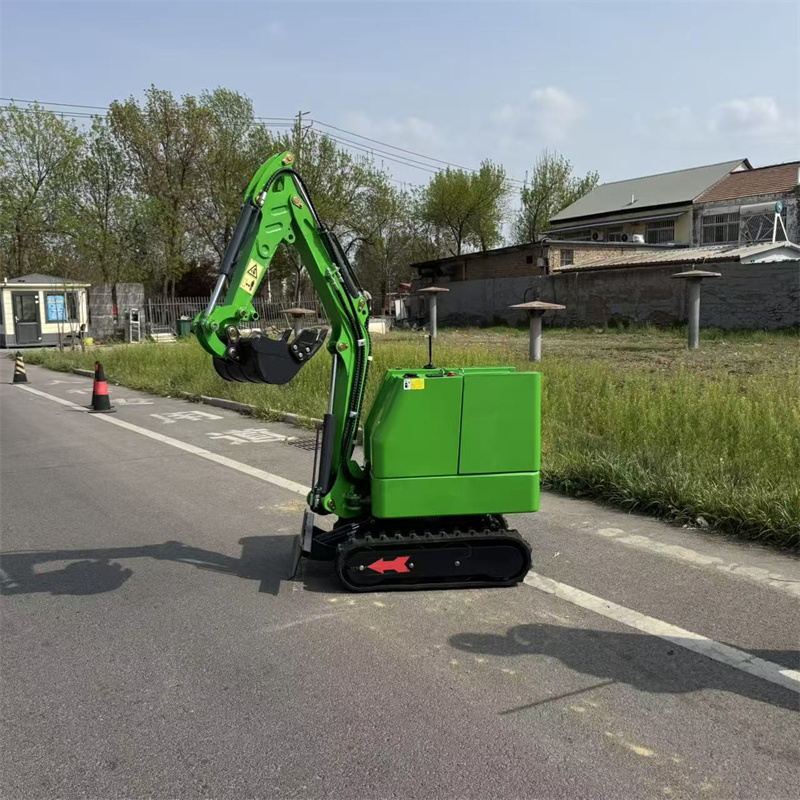
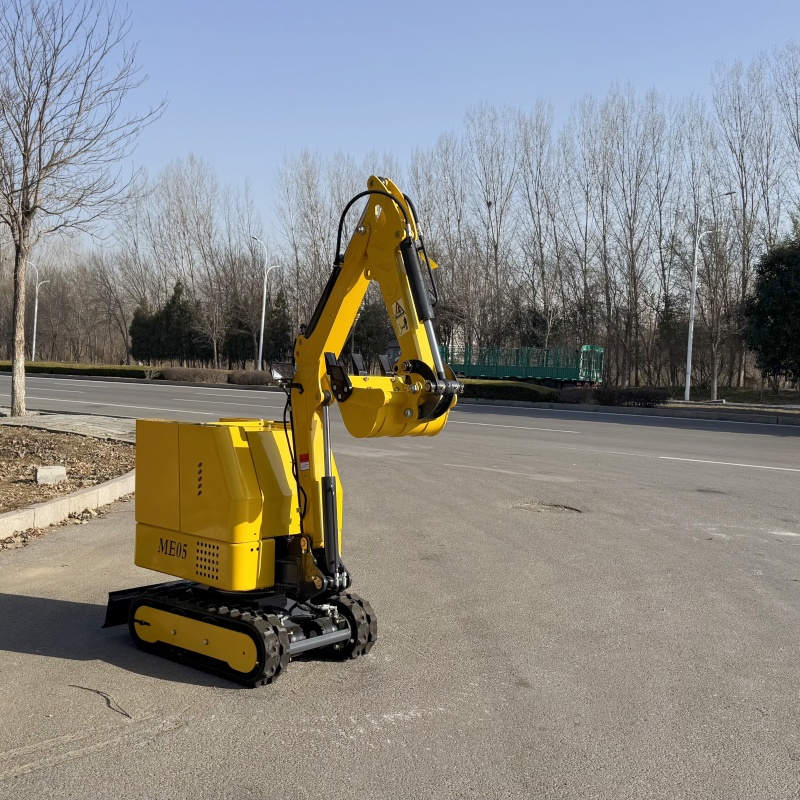
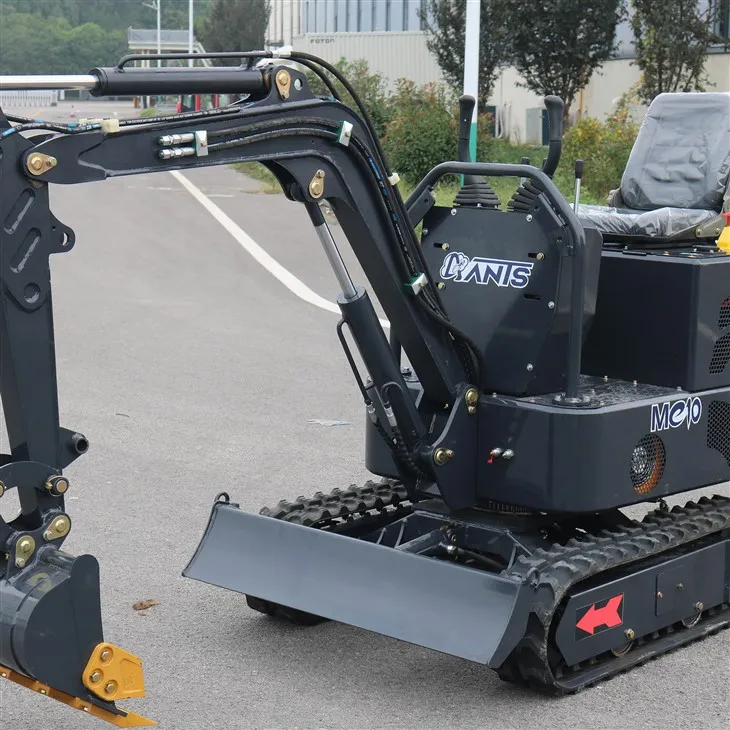
As a supplier of 1 – ton mini excavators, I offer a range of models powered by both diesel and gasoline engines. Our Mini Crawler Hydraulic Excavator is a popular choice for construction and landscaping projects, available in both diesel and gasoline versions. The Cost – effective 1ton Mini Excavator is designed to provide excellent performance at an affordable price, while the Household Mini Digger is perfect for small – scale home projects.
If you’re interested in learning more about our 1 – ton mini excavators or have questions about the fuel types available, I encourage you to contact us for a detailed discussion. We can help you choose the right excavator and fuel type based on your specific needs and budget. Our team of experts is ready to assist you in making an informed decision and ensuring that you get the most out of your investment.
References
Society of Automotive Engineers (SAE). “Engine Performance and Fuel Efficiency Standards.”
Environmental Protection Agency (EPA). “Emission Standards for Construction Equipment.”
Construction Equipment Manufacturers Association (CEMA). “Guide to Mini Excavator Selection.”