Hey there! As a supplier of 1.5-ton mini excavators, I often get asked about the ground pressure of these nifty little machines. So, I thought I’d take a deep dive into this topic and share some insights with you.
First off, let’s talk about why ground pressure matters. When you’re using an excavator, especially in sensitive areas like lawns, gardens, or soft ground, you don’t want to cause excessive damage. Ground pressure is the amount of force exerted by the excavator on the ground per unit area. If the ground pressure is too high, it can lead to soil compaction, rutting, and even damage to underground utilities.
So, what’s the ground pressure of a 1.5-ton mini excavator? Well, it depends on a few factors. One of the main factors is the type of tracks the excavator has. There are two common types of tracks: rubber tracks and steel tracks.
Rubber Tracks
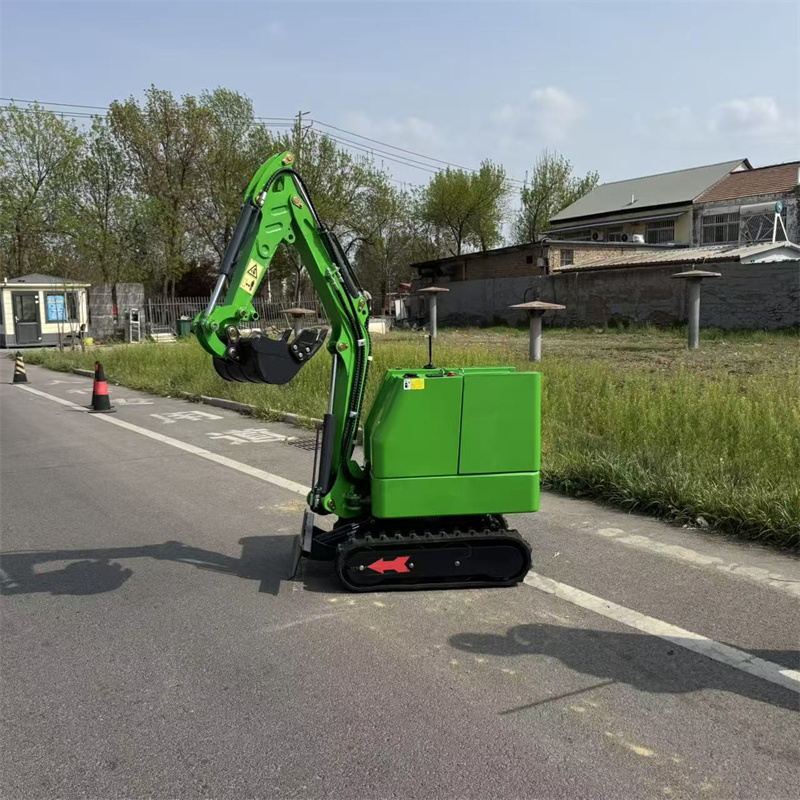
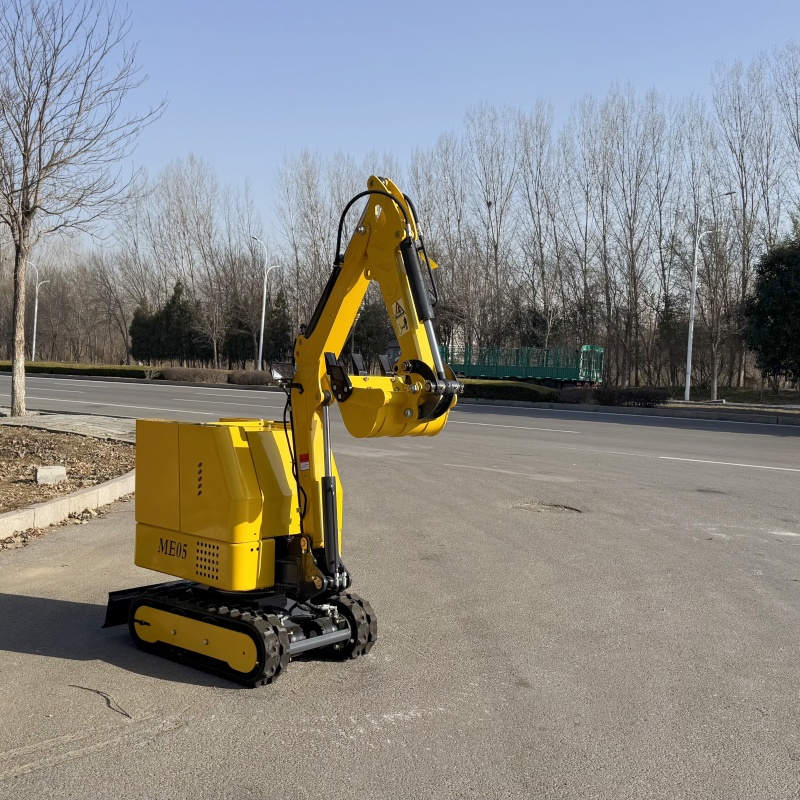
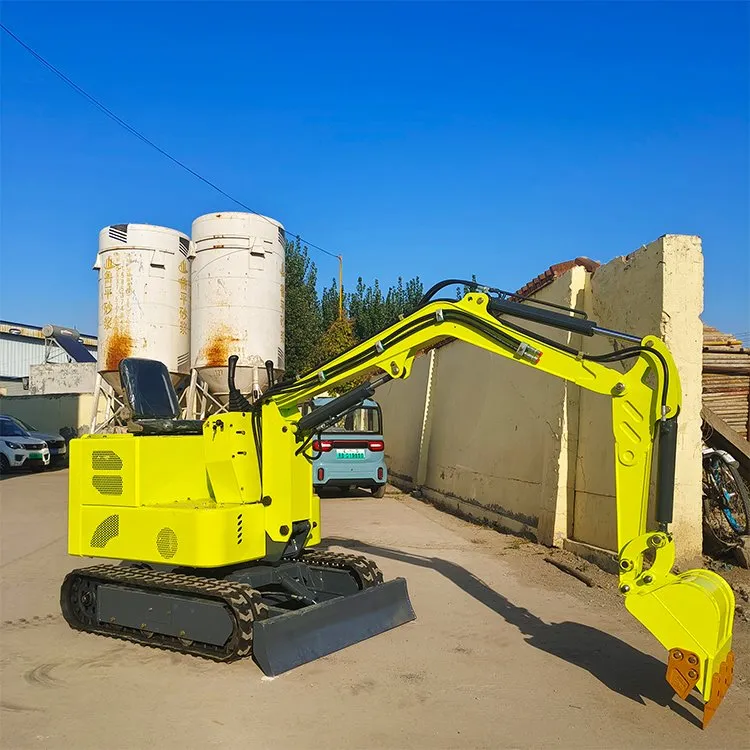
Home Use Mini Excavator with Rubber Track is a popular choice for many users, especially those who need to work on delicate surfaces. Rubber tracks distribute the weight of the excavator more evenly over a larger area, which results in lower ground pressure.
On average, a 1.5-ton mini excavator with rubber tracks can have a ground pressure ranging from about 3 to 5 psi (pounds per square inch). To put that into perspective, the average human foot exerts about 2 to 3 psi when walking. So, you can see that a mini excavator with rubber tracks is relatively gentle on the ground.
The advantage of low ground pressure with rubber tracks is that it allows the excavator to operate on lawns, gardens, and other soft surfaces without causing significant damage. This makes it ideal for home use, landscaping projects, and small construction jobs where minimizing ground disturbance is crucial.
Steel Tracks
On the other hand, 1.5ton Mini Crawler Excavator with steel tracks has a different ground pressure characteristic. Steel tracks are more durable and provide better traction, especially in rough or muddy conditions. However, they also tend to have a higher ground pressure compared to rubber tracks.
A 1.5-ton mini excavator with steel tracks can have a ground pressure ranging from about 5 to 8 psi. The higher ground pressure is due to the fact that steel tracks have a smaller contact area with the ground compared to rubber tracks. While this might not be a problem on hard surfaces like concrete or asphalt, it can cause more damage on soft or sensitive ground.
Calculating Ground Pressure
If you’re curious about how to calculate the ground pressure of a 1.5-ton mini excavator, here’s a simple formula:
Ground Pressure (psi) = Weight of the Excavator (lbs) / Total Contact Area of the Tracks (sq in)
First, you need to convert the weight of the excavator from tons to pounds. Since 1 ton is equal to 2000 pounds, a 1.5-ton excavator weighs 1.5 x 2000 = 3000 pounds.
The total contact area of the tracks can be a bit trickier to calculate. You need to measure the length and width of the tracks and then multiply them to get the area of one track. Then, multiply that by the number of tracks (usually 2 for a mini excavator) to get the total contact area.
For example, if the length of each track is 36 inches and the width is 8 inches, the area of one track is 36 x 8 = 288 square inches. The total contact area of the two tracks is 288 x 2 = 576 square inches.
Using the formula, the ground pressure would be 3000 / 576 ≈ 5.2 psi.
Factors Affecting Ground Pressure
Apart from the type of tracks, there are other factors that can affect the ground pressure of a 1.5-ton mini excavator.
Load Distribution: The way the weight is distributed on the excavator can also impact ground pressure. If the load is concentrated on one side or at the front or rear of the machine, it can increase the ground pressure in that area.
Track Tension: Proper track tension is important for maintaining even ground pressure. If the tracks are too loose, they may not distribute the weight evenly, leading to higher ground pressure in some areas.
Ground Conditions: The type of ground the excavator is operating on can also affect how the ground pressure is perceived. Soft, wet soil will deform more easily under the same amount of pressure compared to hard, compacted soil.
Applications and Considerations
When choosing a 1.5-ton mini excavator, it’s important to consider the specific applications and ground conditions. If you’ll be working mainly on soft or delicate surfaces, a Home Use Mini Excavator with Rubber Track is a great choice. It will minimize damage to the ground and allow you to work in areas where a larger excavator might not be suitable.
However, if you’ll be working in rough or muddy conditions, a 1.5ton Mini Crawler Excavator with steel tracks might be more appropriate. The better traction and durability of steel tracks can help you get the job done more efficiently, even though the ground pressure might be slightly higher.
Conclusion
In conclusion, the ground pressure of a 1.5-ton mini excavator can vary depending on the type of tracks and other factors. Rubber tracks generally result in lower ground pressure, making them ideal for sensitive surfaces, while steel tracks offer better traction but have a slightly higher ground pressure.
If you’re in the market for a 1.5-ton mini excavator, I encourage you to consider your specific needs and the ground conditions you’ll be working in. And if you have any questions or need more information, feel free to reach out. We’re here to help you make the right choice for your project. Whether you’re interested in a Home Use Mini Excavator with Rubber Track, a 1.5ton Mini Crawler Excavator, or an Excavator 1.5 Ton, we’ve got you covered.
References
Construction Equipment Handbook
Manufacturer’s specifications for 1.5-ton mini excavators