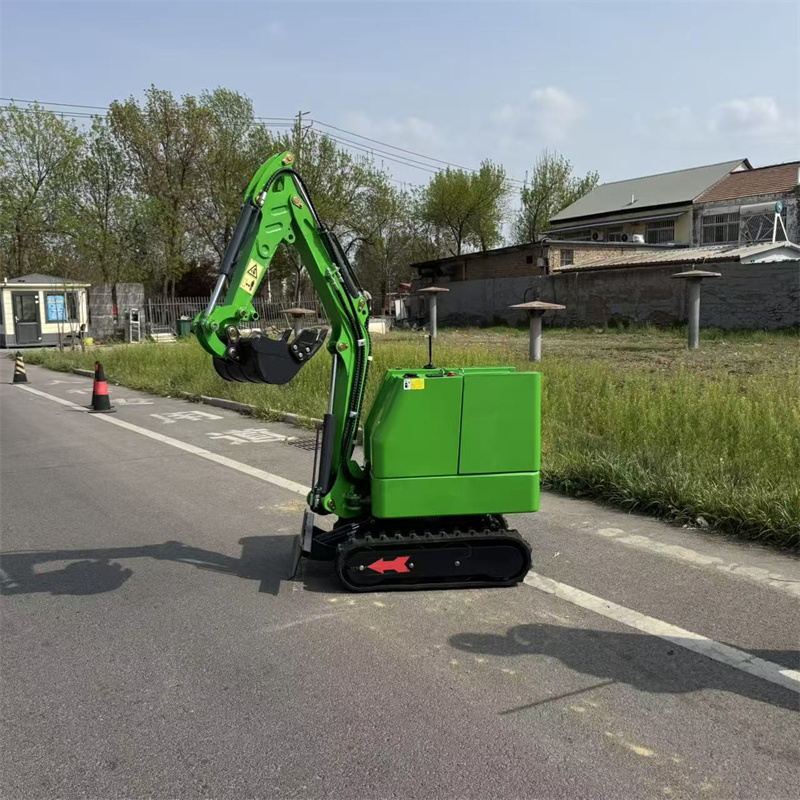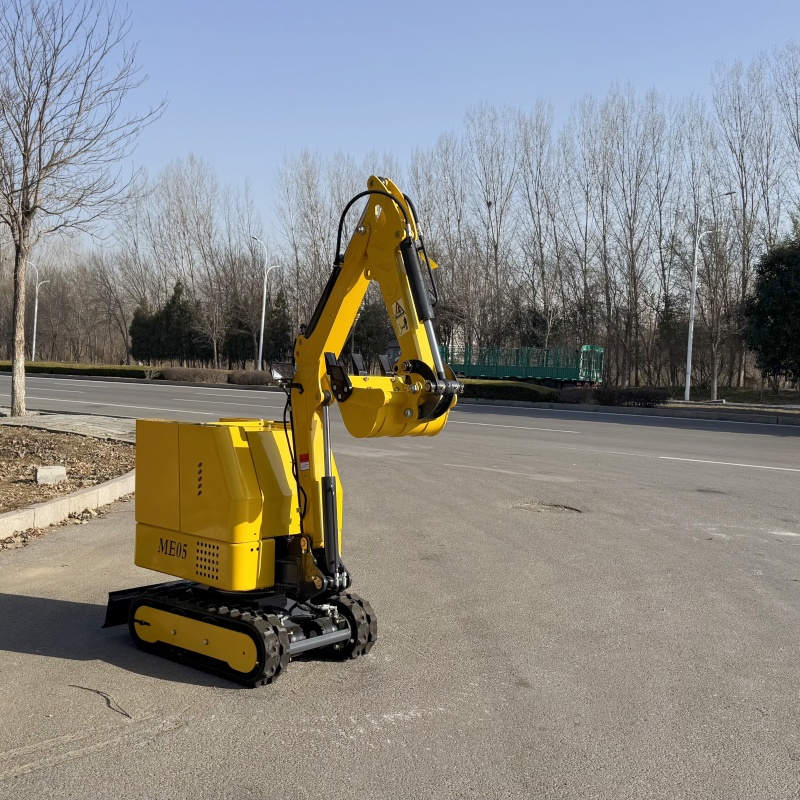
Hey there! As a supplier of 1.8 – ton mini excavators, I often get asked about the hydraulic cylinder diameter of these machines. It’s a pretty important topic, so I thought I’d break it down for you in this blog post.
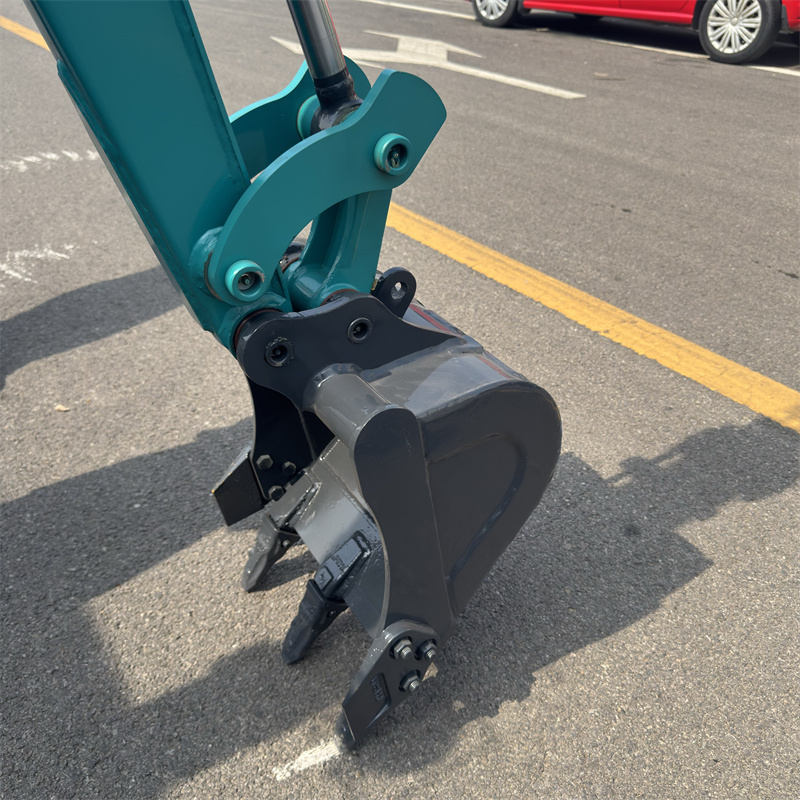
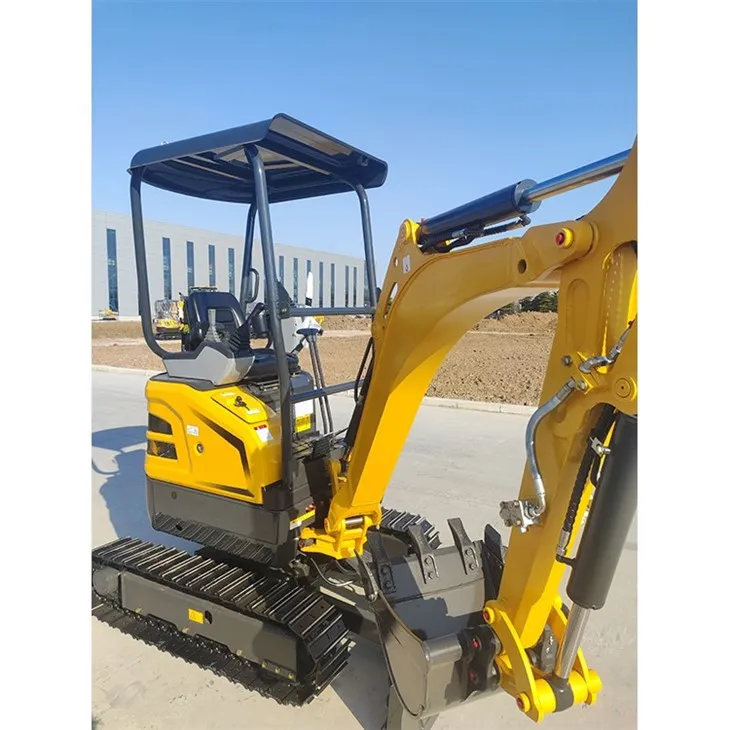
First off, let’s talk a bit about what a hydraulic cylinder does in a mini excavator. The hydraulic cylinders are like the muscles of the excavator. They’re responsible for making all the moving parts work – like the boom, the arm, and the bucket. When hydraulic fluid is pumped into the cylinder, it creates pressure that pushes a piston, and that piston then moves the different parts of the excavator.
Now, when it comes to a 1.8 – ton mini excavator, the hydraulic cylinder diameter can vary depending on a few factors. One of the main factors is the design and intended use of the excavator. If the excavator is designed for light – duty tasks, like landscaping or small – scale trenching, the cylinder diameters might be a bit smaller. On the other hand, if it’s meant for more heavy – duty tasks, like digging in hard soil or moving large rocks, the cylinders will need to be bigger to provide more force.
Typically, for a 1.8 – ton mini excavator, the hydraulic cylinder diameter for the boom cylinder can range from about 60mm to 80mm. The arm cylinder diameter usually falls in the range of 50mm to 70mm, and the bucket cylinder diameter is often around 40mm to 60mm. These are just general ranges, though. Different manufacturers might have slightly different specifications based on their own engineering and design choices.
Let me give you an example of why the diameter matters. A larger diameter hydraulic cylinder can generate more force. Think of it like a stronger muscle. If you’re trying to lift a heavy object, you’d want a stronger muscle to do it. Similarly, a larger diameter cylinder can handle more pressure and move heavier loads. So, if you’re going to be doing a lot of heavy – duty digging with your 1.8 – ton mini excavator, you might want to look for one with larger diameter cylinders.
But it’s not all about the size. The quality of the hydraulic cylinders also plays a huge role. High – quality cylinders are made from durable materials that can withstand the high pressures and constant use. They’re also designed to be leak – proof and have a long service life. At our company, we make sure to source the best hydraulic cylinders for our 1.8 – ton mini excavators to ensure that they perform well and last a long time.
Now, I know some of you might be wondering how you can tell if the cylinder diameters are right for your needs. Well, the first thing you should do is think about the type of work you’ll be doing. If you’re mainly going to be working on soft soil and doing light – duty tasks, you might not need the largest diameter cylinders. But if you’re going to be dealing with tough conditions, it’s worth investing in an excavator with larger cylinders.
Another thing to consider is the overall balance of the excavator. The cylinder diameters need to be in harmony with the rest of the machine’s components. If the cylinders are too big or too small compared to the engine power or the frame strength, it can lead to inefficiencies or even damage to the machine.
If you’re still not sure what hydraulic cylinder diameters are best for your 1.8 – ton mini excavator, you can always check out some real – world examples. For instance, you can watch a Mini Excavator Digging A Trench. This video can give you an idea of how the excavator performs in a typical digging scenario. You can also learn more about the different types of 1.8 – ton mini excavators, like the Mini Crawler Excavator and see how the hydraulic cylinders work in those machines.
Our 1.8 – ton mini excavators are designed with a focus on performance, durability, and user – friendliness. We’ve carefully selected the hydraulic cylinder diameters to ensure that they can handle a wide range of tasks. Whether you’re a professional contractor or a DIY enthusiast, our excavators are a great choice.
If you’re interested in learning more about our 1.8 Ton Excavator or have any questions about the hydraulic cylinder diameters, don’t hesitate to reach out. We’re here to help you make the right choice for your needs. Whether you’re looking to buy your first mini excavator or add to your existing fleet, we can provide you with all the information you need to make an informed decision.
In conclusion, the hydraulic cylinder diameter of a 1.8 – ton mini excavator is an important factor that affects its performance. By understanding the typical ranges and how they relate to the type of work you’ll be doing, you can choose the right excavator for your needs. And if you’re in the market for a 1.8 – ton mini excavator, we’d love to have a chat with you about our products. Just get in touch, and we’ll start the conversation about how we can meet your excavation needs.
References
General knowledge of mini – excavator engineering and design
Industry standards and specifications for 1.8 – ton mini excavators