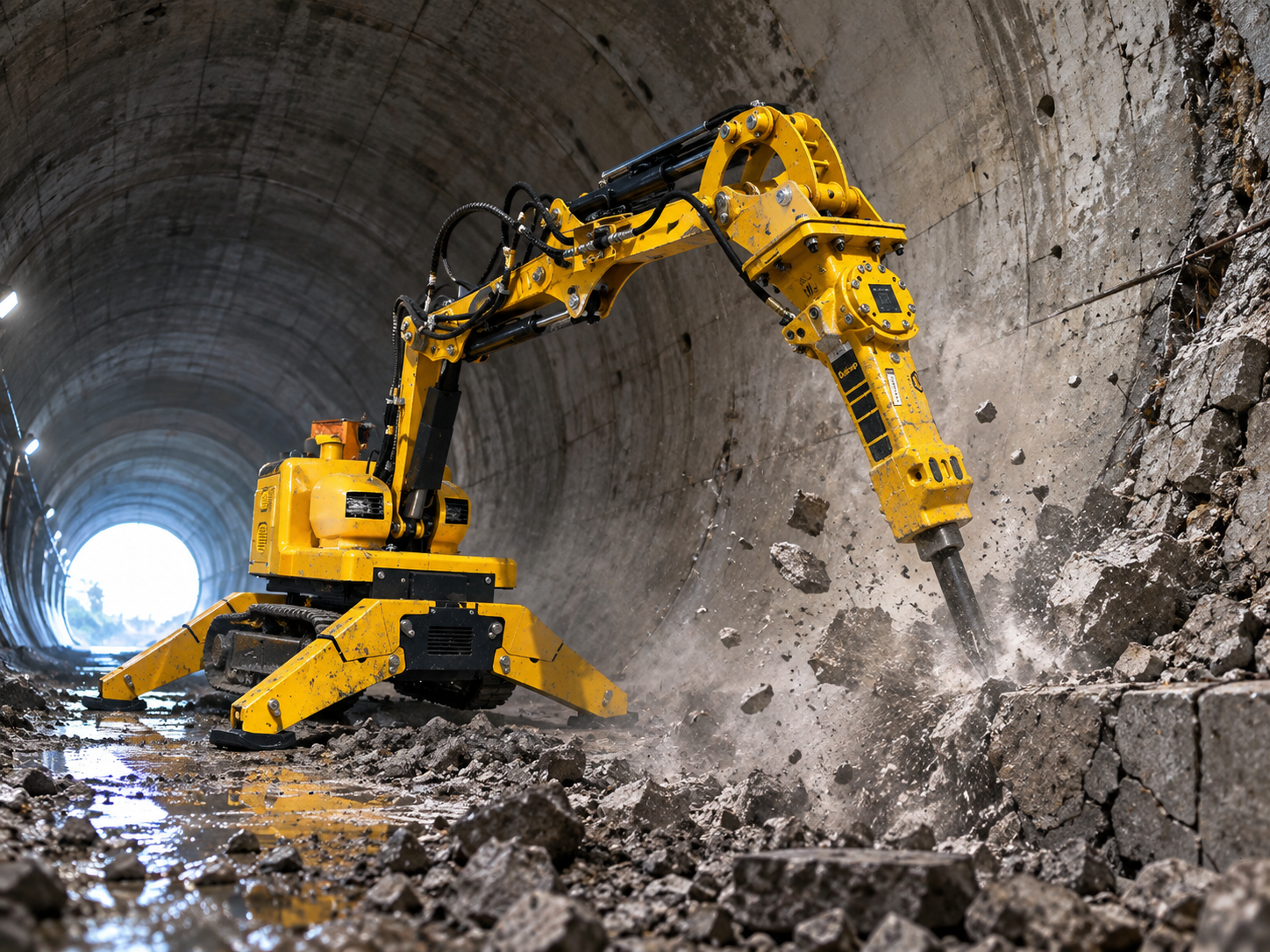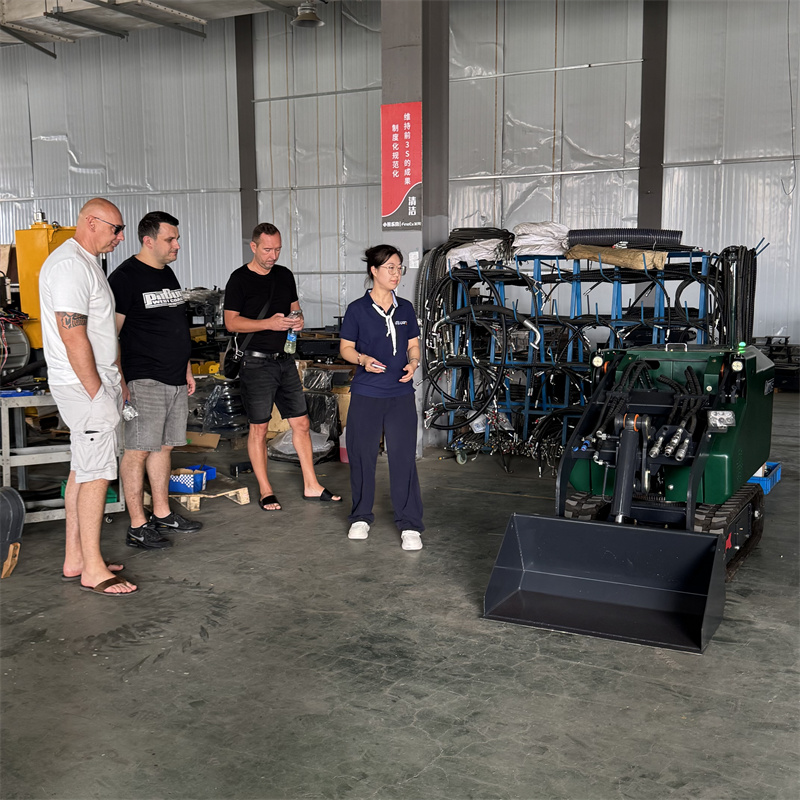
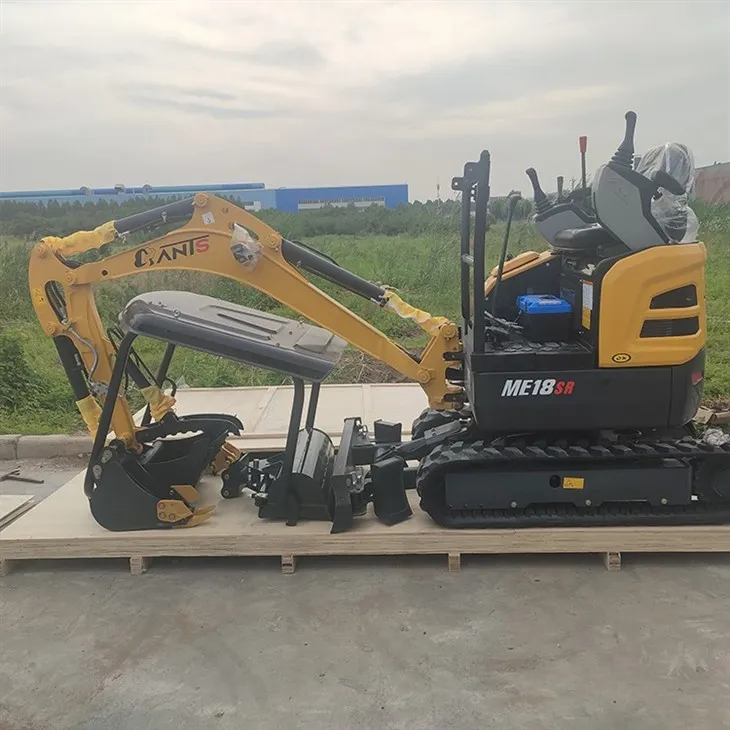
Hey there! As a supplier of Mini Small Excavators, I’m super stoked to dive into the nitty – gritty of the hydraulic system of these amazing machines. So, let’s get right into it.
The Basics of a Mini Small Excavator’s Hydraulic System
First off, what exactly is a hydraulic system? Well, in simple terms, it’s a system that uses fluid to transmit power. In a Mini Small Excavator, this system is the heart and soul of its operation. It’s responsible for making all the moving parts work smoothly and efficiently.
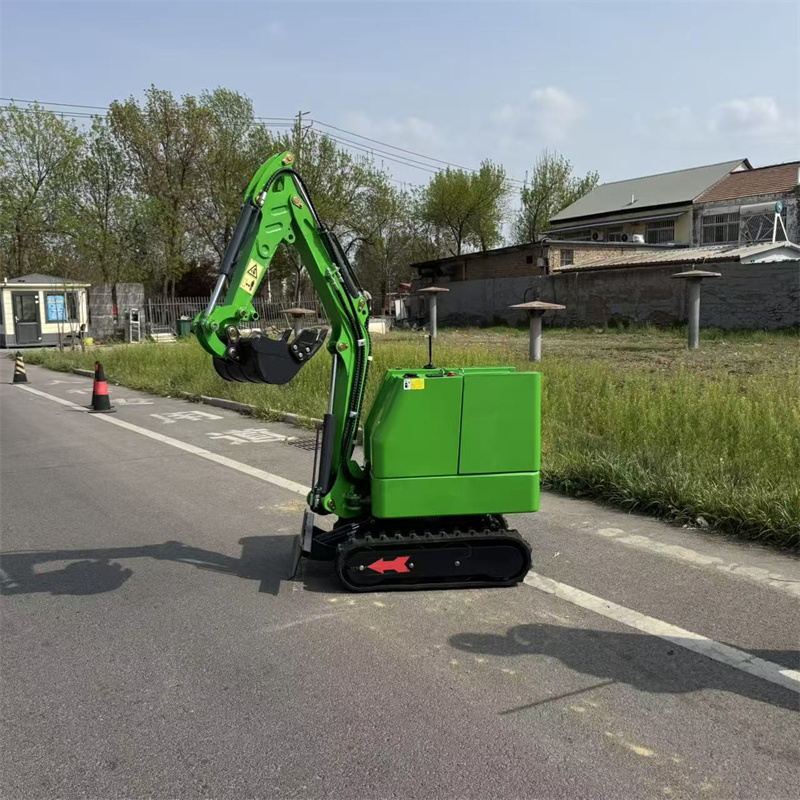
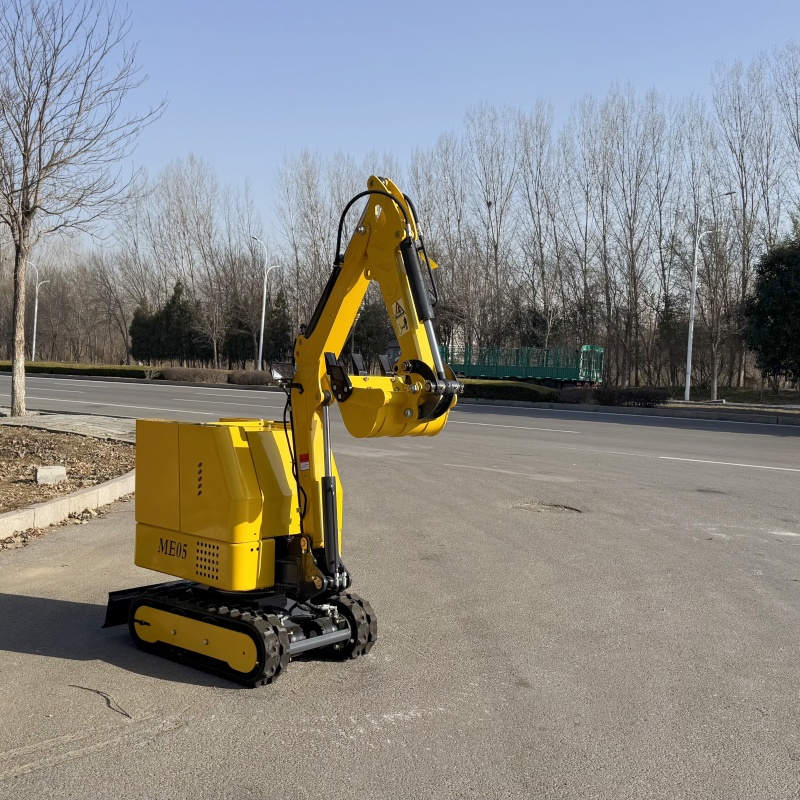
The main components of the hydraulic system in a Mini Small Excavator include the hydraulic pump, hydraulic cylinders, valves, and hoses. The hydraulic pump is like the engine of the system. It sucks in hydraulic fluid from the reservoir and pressurizes it. This pressurized fluid is then sent through the hoses to the different parts of the excavator.
The Hydraulic Pump
The hydraulic pump is crucial. There are different types of pumps used in Mini Small Excavators, like gear pumps, vane pumps, and piston pumps. Gear pumps are simple and reliable. They’re made up of two gears that mesh together. As the gears rotate, they create a vacuum that sucks in the hydraulic fluid and then push it out at high pressure.
Vane pumps, on the other hand, use vanes that slide in and out of a rotor. This creates chambers that expand and contract, causing the fluid to be drawn in and then forced out. Piston pumps are a bit more complex but offer high efficiency and pressure capabilities. They use pistons that move back and forth in cylinders to pressurize the fluid.
Hydraulic Cylinders
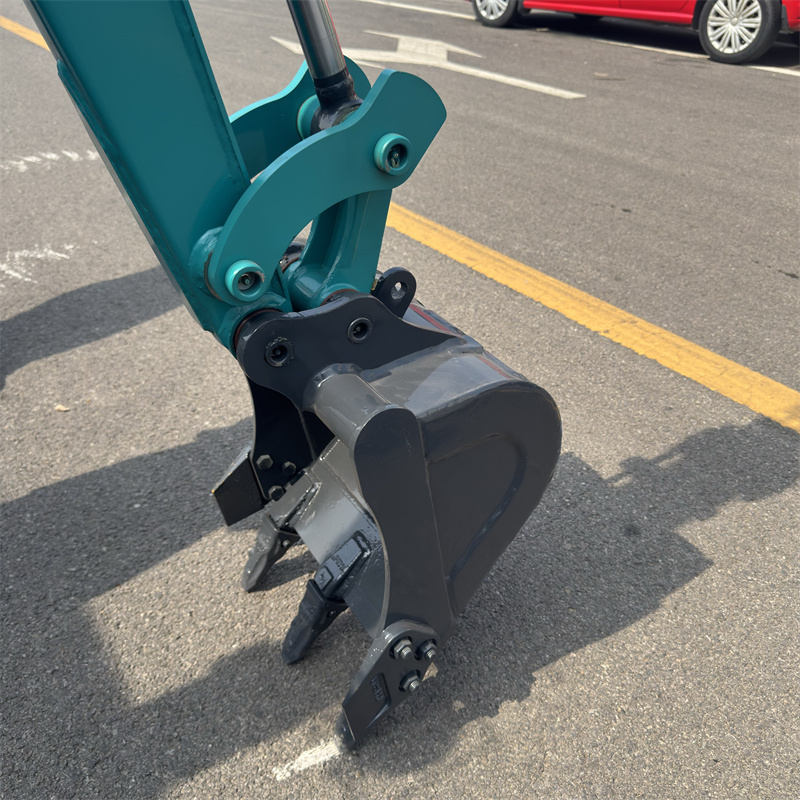
Hydraulic cylinders are what make the boom, arm, and bucket of the Mini Small Excavator move. They’re basically tubes with a piston inside. When the pressurized hydraulic fluid enters one side of the cylinder, it pushes the piston, which in turn moves the attached part of the excavator.
For example, when you want to lift the boom of the excavator, the hydraulic fluid is sent to the bottom side of the boom cylinder. This pushes the piston up, raising the boom. To lower the boom, the fluid is redirected to the other side of the cylinder, pushing the piston down.
Valves
Valves are like the traffic controllers of the hydraulic system. They control the flow and direction of the hydraulic fluid. There are different types of valves, such as directional control valves, pressure control valves, and flow control valves.
Directional control valves determine where the fluid goes. They can be manually operated or controlled by an electronic system. Pressure control valves, as the name suggests, regulate the pressure in the system. They prevent the pressure from getting too high, which could damage the components. Flow control valves manage the speed at which the fluid flows, allowing for precise control of the movement of the excavator’s parts.
Hoses
Hoses are the pipes that carry the hydraulic fluid throughout the system. They need to be strong and flexible. The hydraulic fluid in a Mini Small Excavator can be under high pressure, so the hoses have to be able to withstand that. They’re usually made of reinforced rubber or synthetic materials.
Advantages of the Hydraulic System in Mini Small Excavators
One of the biggest advantages of the hydraulic system in Mini Small Excavators is its power – to – weight ratio. These machines are relatively small, but the hydraulic system allows them to generate a lot of force. This means they can perform heavy – duty tasks despite their compact size.
Another advantage is the precise control. The hydraulic system allows operators to make very fine adjustments to the movement of the boom, arm, and bucket. This is especially important when doing delicate work like Mini Excavator Landscaping.
The hydraulic system is also very reliable. With proper maintenance, the components can last a long time. And if there’s a problem, it’s usually easier to diagnose and fix compared to other types of power transmission systems.
Maintenance of the Hydraulic System
Proper maintenance of the hydraulic system is essential for the longevity and performance of the Mini Small Excavator. First, you need to regularly check the hydraulic fluid level. Low fluid levels can cause the pump to overheat and damage the system.
The hydraulic fluid also needs to be changed at regular intervals. Over time, the fluid can become contaminated with dirt, debris, and moisture. Contaminated fluid can cause wear and tear on the components and reduce the efficiency of the system.
The filters in the hydraulic system also need to be replaced regularly. They trap the contaminants and prevent them from circulating in the system. And don’t forget to check the hoses and connections for leaks. A small leak can lead to a big problem if not addressed quickly.
Our Mini Small Excavators
At our company, we take pride in offering high – quality Mini Small Excavators. Our excavators are equipped with state – of – the – art hydraulic systems that are designed for maximum performance and reliability.
We have a range of Mini Small Excavators to suit different needs. Whether you’re a contractor doing construction work, a landscaper, or someone who needs a small excavator for a DIY project, we’ve got you covered. Our Mini Crawler Excavator is especially popular for its stability and maneuverability.
Contact Us for Purchase and Consultation
If you’re in the market for a Mini Small Excavator, we’d love to hear from you. Our team of experts can help you choose the right excavator for your specific requirements. We can also provide you with detailed information about the hydraulic system and how to maintain it.
Whether you have questions about the features, pricing, or delivery options, just reach out to us. We’re here to make the purchasing process as smooth and easy as possible. So, don’t hesitate to contact us for all your Mini Small Excavator needs.
References
“Hydraulic Systems in Construction Equipment” – A technical guide on hydraulic systems used in various construction machinery.
Manufacturer’s manuals for Mini Small Excavators, which provide detailed information about the hydraulic system components and their operation.