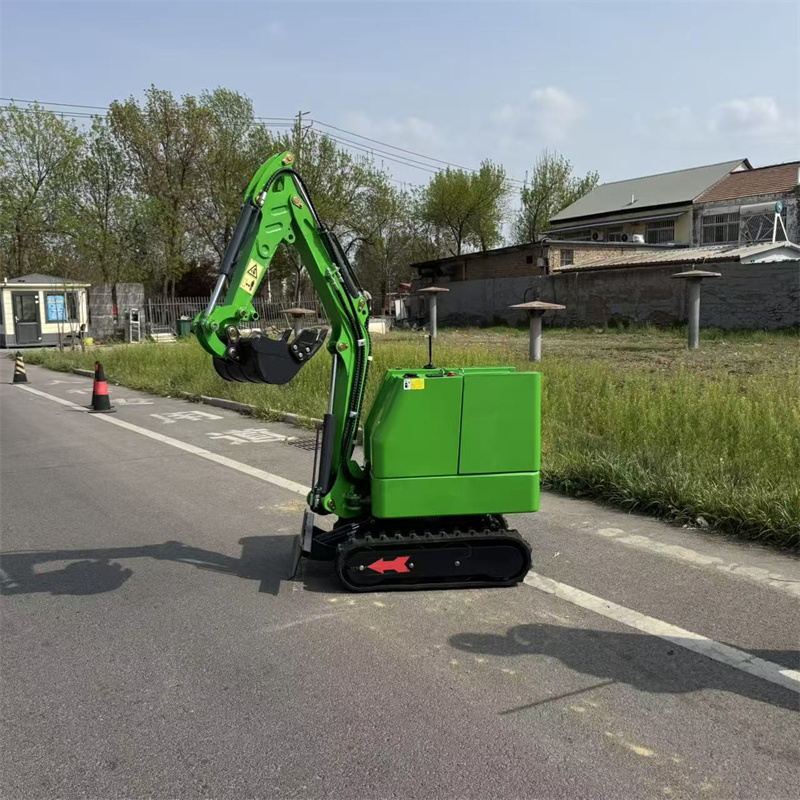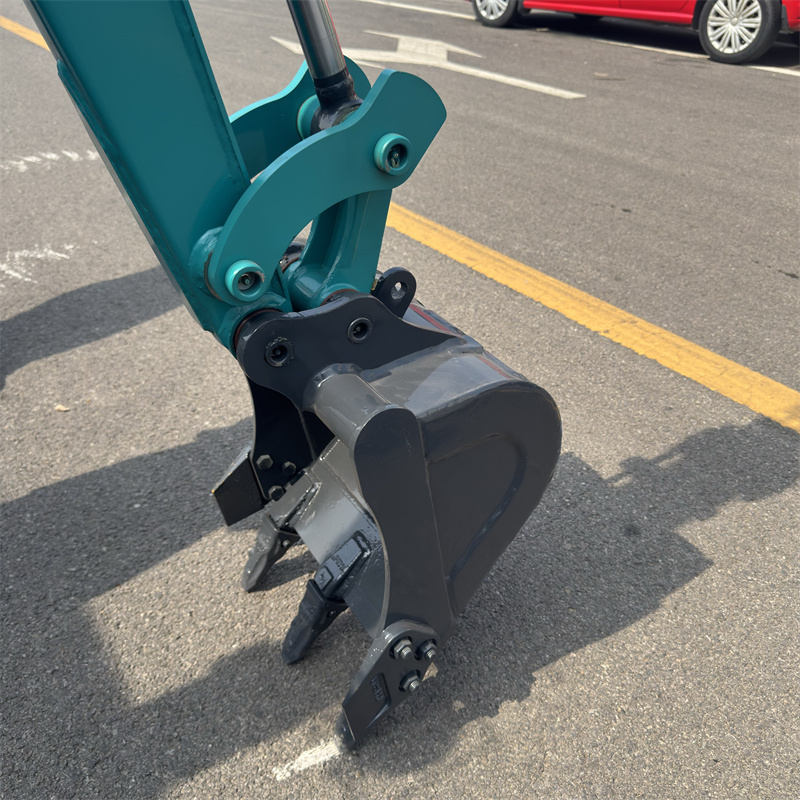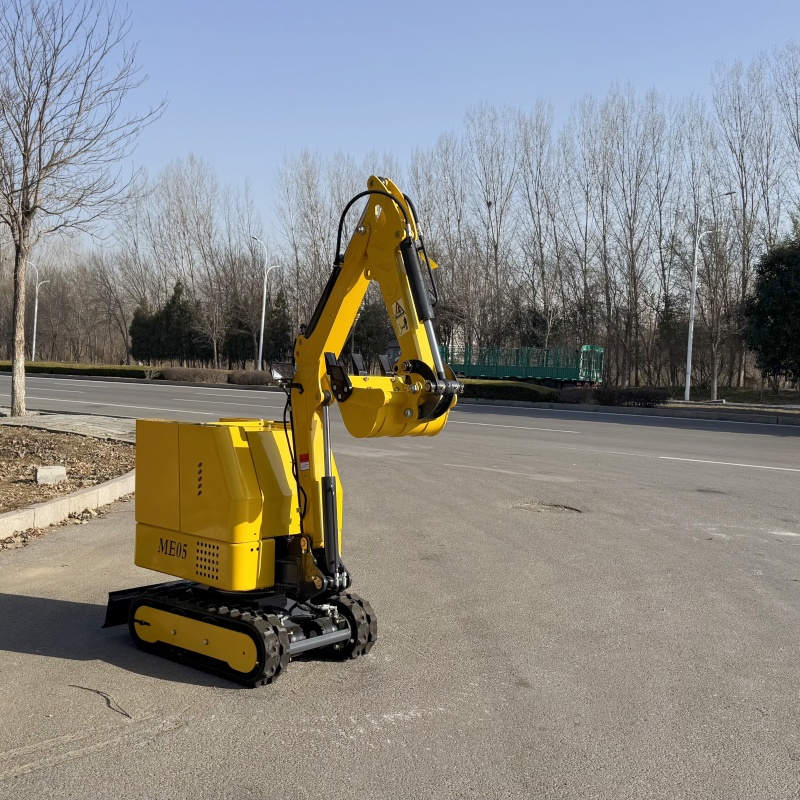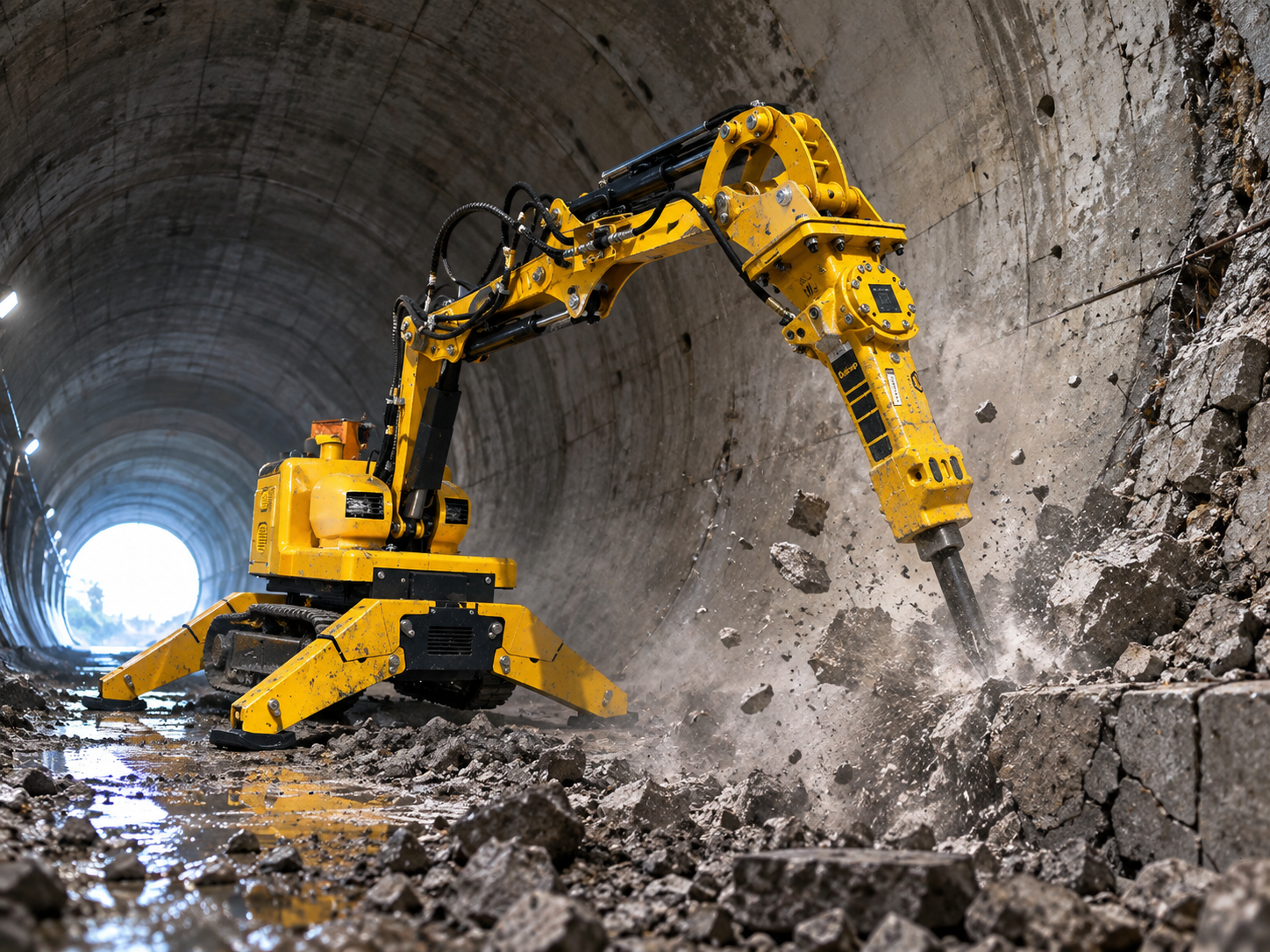
In the realm of modern demolition operations, demolition robots have emerged as game – changers, offering enhanced safety, precision, and efficiency. One of the critical components that ensure the smooth and reliable operation of these powerful machines is the lubrication system. As a leading supplier of demolition robots, we understand the significance of a well – functioning lubrication system and its impact on the overall performance of the equipment.
The Basics of a Demolition Robot Lubrication System
A lubrication system in a demolition robot serves multiple vital functions. At its core, its primary purpose is to reduce friction between moving parts. In a demolition robot, there are numerous components that are in constant motion, such as the joints, gears, and hydraulic cylinders. Friction between these parts can lead to excessive wear and tear, increased energy consumption, and ultimately, mechanical failures. By applying a lubricant, a thin film is created between the moving surfaces, which minimizes direct contact and thus reduces friction.
Another important function of the lubrication system is to dissipate heat. During the operation of a demolition robot, a significant amount of heat is generated due to the mechanical work being done and the friction between parts. If this heat is not effectively removed, it can cause the components to overheat, leading to thermal expansion, loss of material strength, and potential damage to the robot. The lubricant absorbs the heat and transfers it away from the critical components, helping to maintain a stable operating temperature.
The lubrication system also plays a role in protecting the components from corrosion. Demolition work often takes place in harsh environments, where the robot may be exposed to moisture, dust, and various chemicals. These elements can cause corrosion on the metal surfaces of the robot’s components, which can weaken the structure and reduce its lifespan. The lubricant forms a protective barrier on the surfaces, preventing the corrosive agents from coming into direct contact with the metal.
Components of the Lubrication System
The lubrication system of a demolition robot typically consists of several key components. The first is the lubricant reservoir. This is where the lubricant, usually oil or grease, is stored. The size of the reservoir depends on the size and operating requirements of the robot. A larger robot with more moving parts may require a larger reservoir to ensure an adequate supply of lubricant.
The lubricant pump is another crucial component. It is responsible for drawing the lubricant from the reservoir and delivering it to the various parts of the robot that need lubrication. The pump can be either mechanical or hydraulic, depending on the design of the system. A mechanical pump is driven by the robot’s engine or motor, while a hydraulic pump uses the robot’s hydraulic system to generate the pressure needed to move the lubricant.
The distribution system is used to direct the lubricant to the specific components. This can include pipes, hoses, and nozzles. The distribution system is designed to ensure that the lubricant reaches all the critical areas, such as the joints, bearings, and gears, in the correct amount. Some demolition robots may also be equipped with a centralized lubrication system, which allows for easy monitoring and adjustment of the lubrication process.
Types of Lubricants Used
There are two main types of lubricants used in demolition robots: oil and grease. Oil – based lubricants are commonly used in systems where high – speed movement and efficient heat transfer are required. They have good fluidity, which allows them to reach all the small spaces between the moving parts. Oil lubricants also have excellent cooling properties, making them suitable for components that generate a lot of heat, such as hydraulic cylinders.
Grease, on the other hand, is a semi – solid lubricant that is ideal for applications where the lubricant needs to stay in place for a longer period. It has a higher viscosity than oil, which means it can adhere to the surfaces better and provide long – lasting lubrication. Grease is often used in joints and bearings, where it can prevent dirt and debris from entering and causing damage.
Maintenance of the Lubrication System
Proper maintenance of the lubrication system is essential to ensure the longevity and reliable operation of the demolition robot. Regular inspection of the lubricant level in the reservoir is necessary. If the level is low, it may indicate a leak in the system or excessive consumption of the lubricant. In such cases, the source of the problem should be identified and fixed promptly.
The quality of the lubricant also needs to be monitored. Over time, the lubricant can become contaminated with dirt, metal particles, and other debris. This can reduce its effectiveness and cause damage to the components. Regular oil analysis can be performed to determine the condition of the lubricant. If the analysis shows that the lubricant has deteriorated, it should be replaced.
The filters in the lubrication system also need to be regularly replaced. The filters are designed to remove the contaminants from the lubricant before it is delivered to the components. A clogged filter can restrict the flow of the lubricant, leading to inadequate lubrication and potential damage to the parts.
Impact of a Well – Maintained Lubrication System on the Demolition Robot’s Performance
A well – maintained lubrication system can significantly improve the performance of a demolition robot. By reducing friction, the robot can operate more smoothly and with less energy consumption. This not only saves on fuel costs but also allows the robot to work more efficiently, increasing its productivity.
The protection against wear and corrosion provided by the lubrication system extends the lifespan of the robot’s components. This means that the robot requires less frequent repairs and replacements, reducing the overall operating costs. Additionally, a robot with a reliable lubrication system is less likely to experience breakdowns during operation, which can cause delays in the demolition project.
Our Demolition Robots and Their Lubrication Systems
As a supplier of demolition robots, we take great pride in the quality of our products’ lubrication systems. Our High – Efficiency Remote Demolition Robot is designed with a state – of – the – art lubrication system that ensures optimal performance in even the most demanding demolition tasks. The system is engineered to provide precise lubrication to all the critical components, reducing friction and wear, and enhancing the robot’s reliability.
Our Demolition Robot For Confined Spaces also features a well – designed lubrication system. Despite its compact size, the robot’s lubrication system is capable of delivering the necessary lubricant to all the moving parts, ensuring smooth operation in tight spaces.
For those looking for a comprehensive solution for their demolition needs, our Demolition Robot offers a reliable and efficient lubrication system that is backed by our years of experience and expertise in the industry.
Conclusion
The lubrication system of a demolition robot is a critical aspect of its design and operation. It ensures the smooth functioning of the robot, protects the components from wear, corrosion, and overheating, and ultimately extends the lifespan of the machine. As a supplier of demolition robots, we are committed to providing our customers with high – quality robots that are equipped with advanced lubrication systems.
If you are in the market for a demolition robot, we invite you to contact us for more information and to discuss your specific requirements. Our team of experts is ready to assist you in finding the perfect robot for your demolition project. We can provide detailed information about the lubrication system and other features of our robots to help you make an informed decision. Let us work together to achieve your demolition goals with our reliable and efficient demolition robots.
References
Smith, J. (2018). “Lubrication Systems in Heavy Machinery”. Machinery Engineering Journal, Vol. 25, pp. 34 – 42.
Johnson, A. (2019). “The Importance of Lubrication in Demolition Equipment”. Construction Technology Review, Vol. 12, pp. 56 – 63.
Brown, K. (2020). “Advances in Lubrication Technology for Demolition Robots”. Robotics and Automation Journal, Vol. 30, pp. 78 – 85.