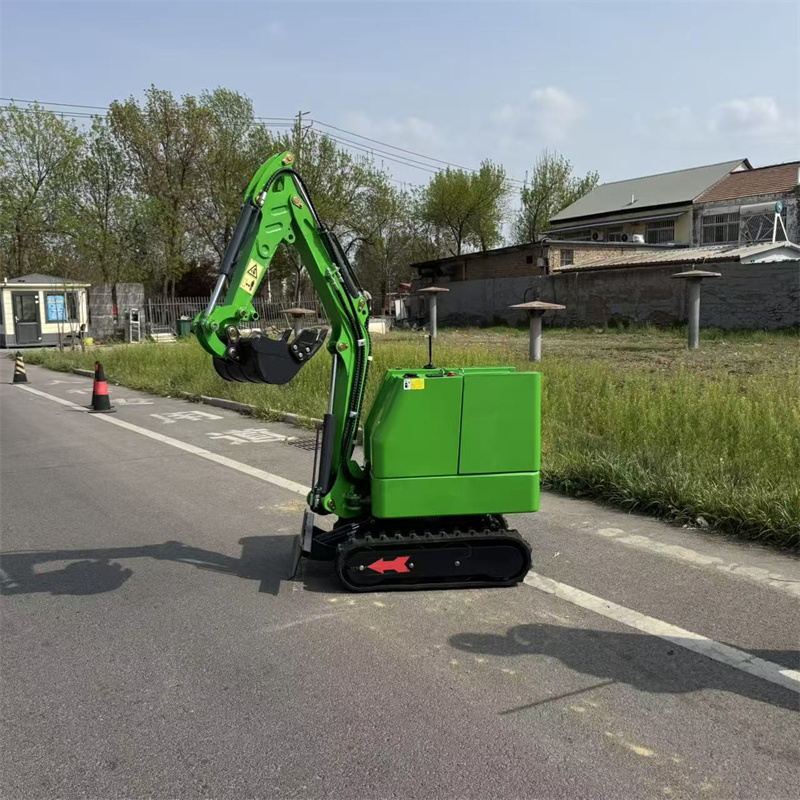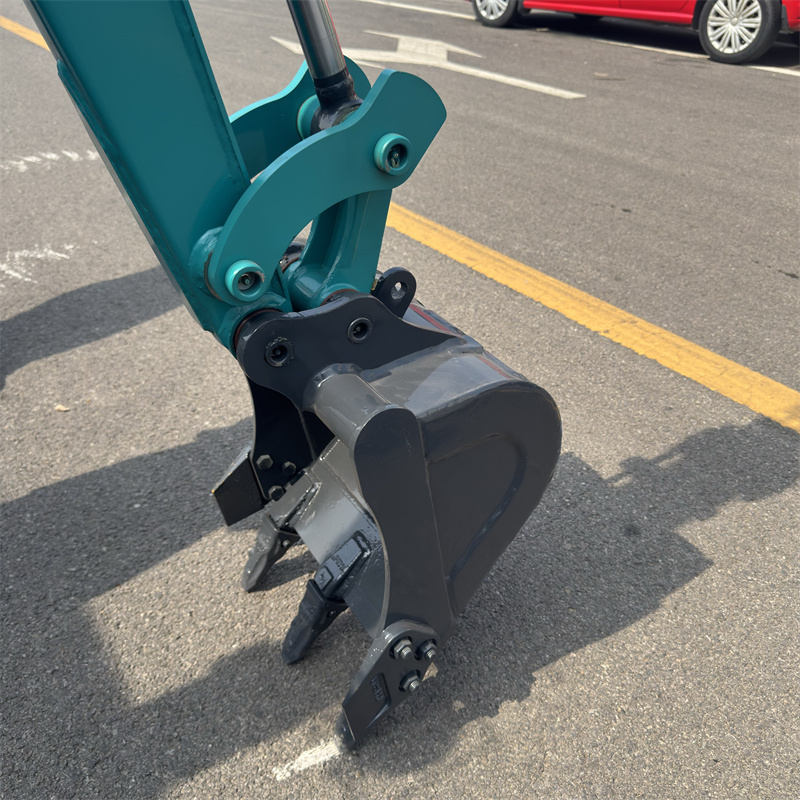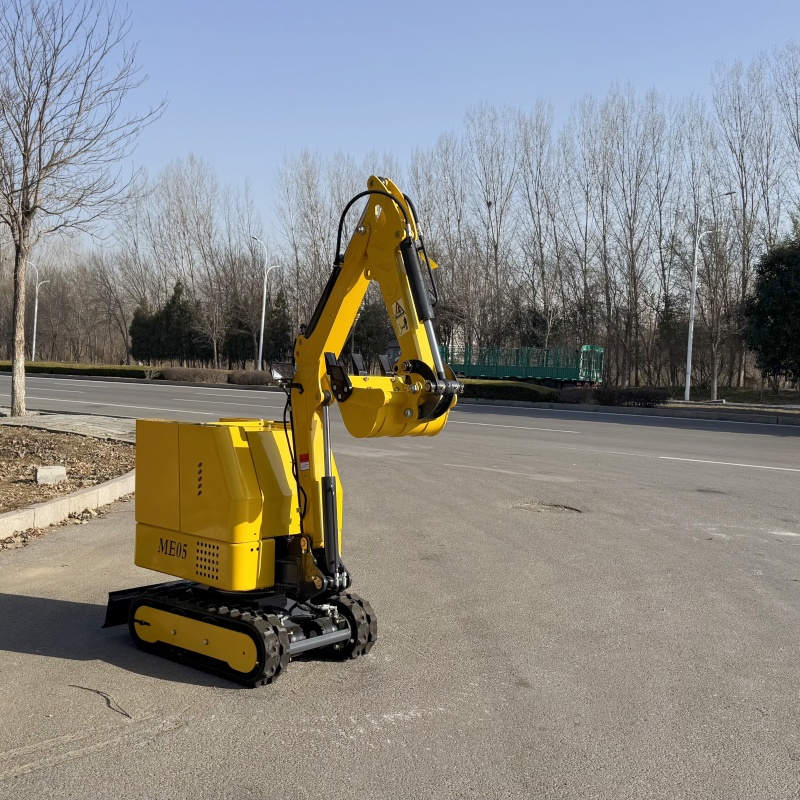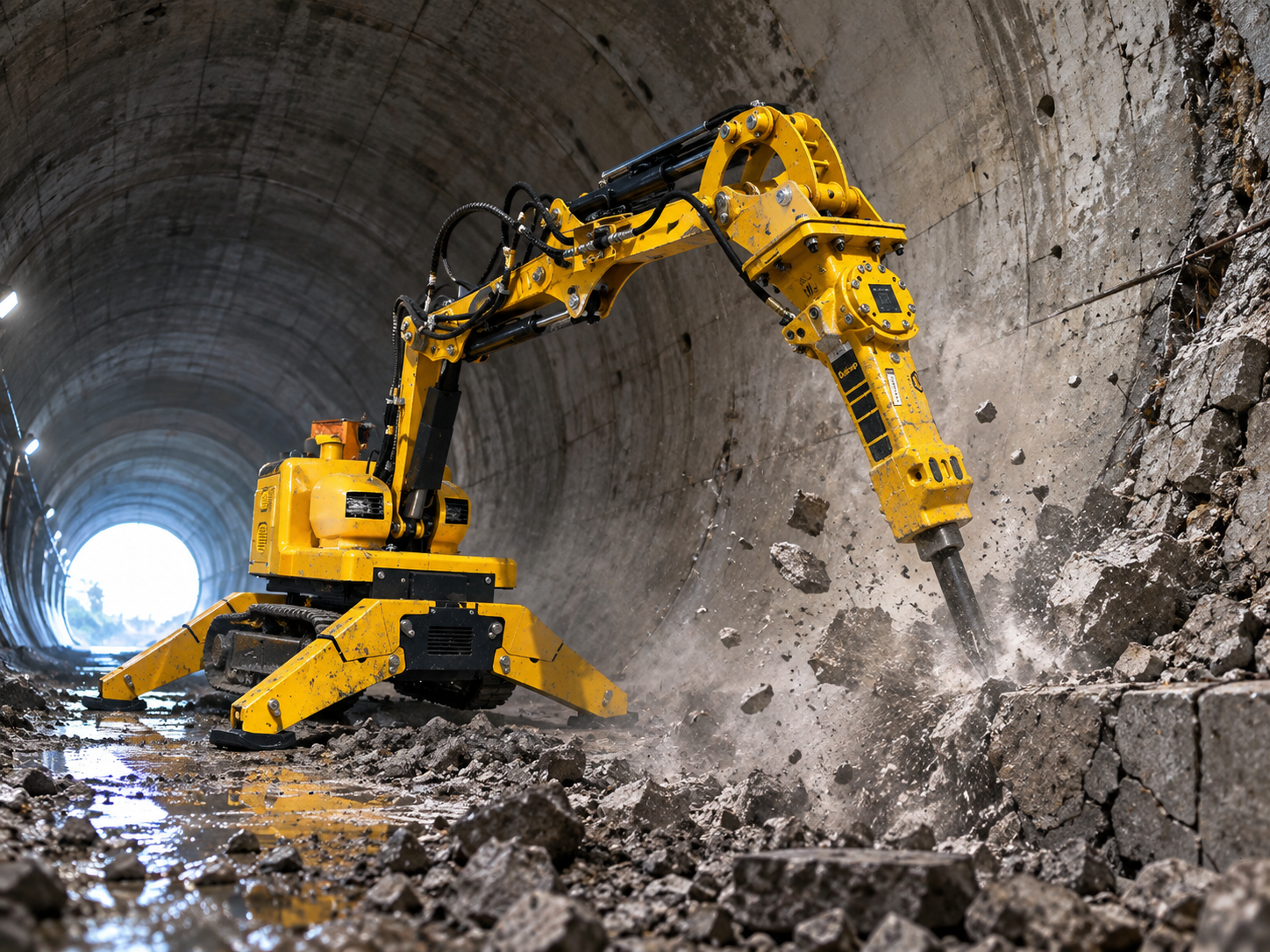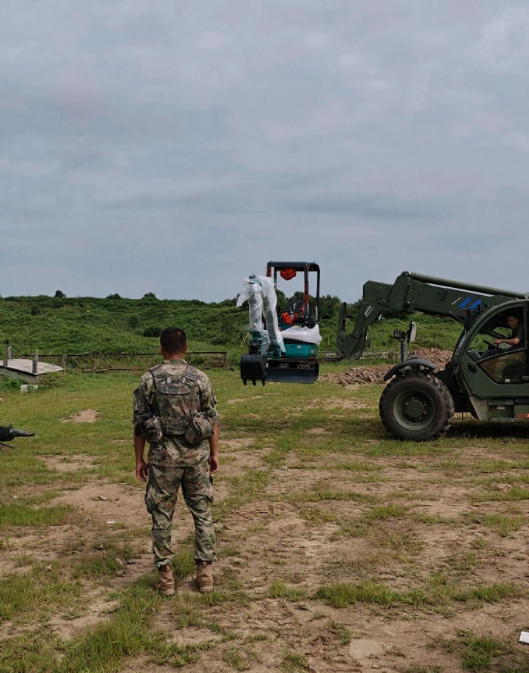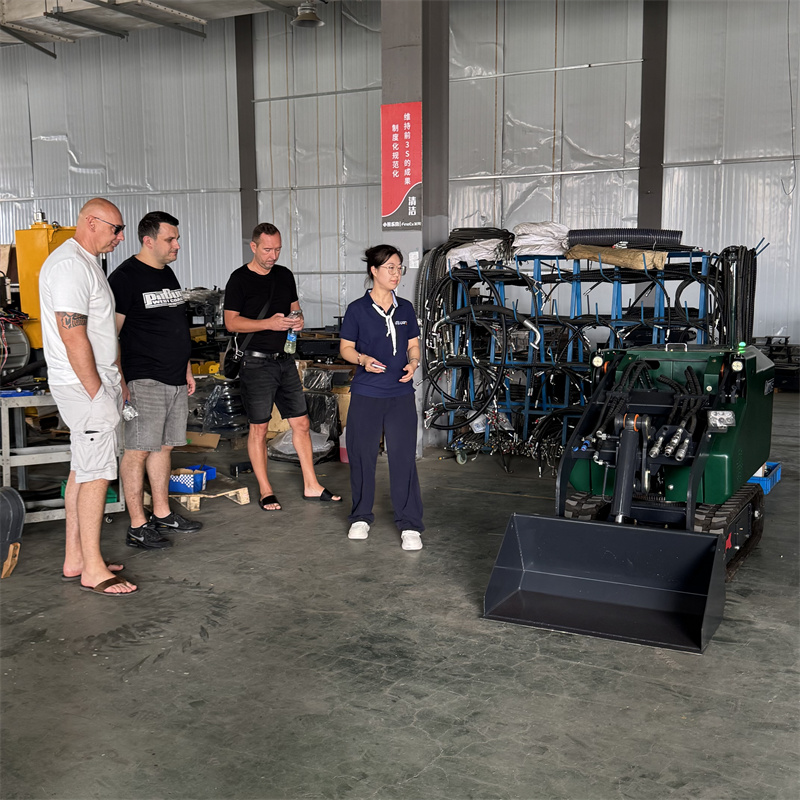
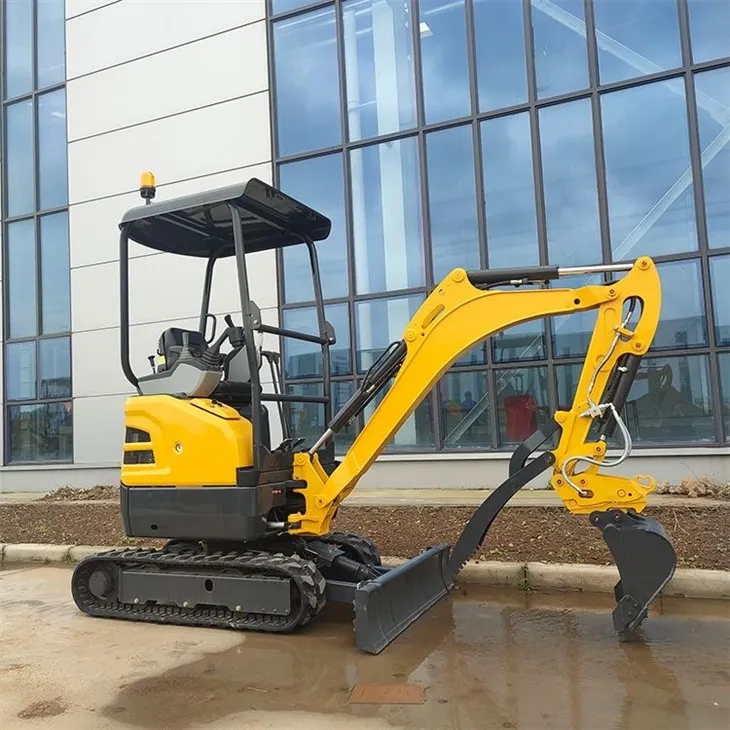
As a supplier of Mini Crawler Excavators, I often get asked about the maintenance cost of these versatile machines. Understanding the maintenance cost is crucial for anyone considering purchasing a Mini Crawler Excavator, whether for construction, landscaping, or other related industries. In this blog post, I will break down the various factors that contribute to the maintenance cost of a Mini Crawler Excavator and provide some insights to help you make an informed decision.
1. Initial Purchase and Its Impact on Maintenance
The first step in understanding maintenance costs is to look at the initial purchase. A high – quality Mini Crawler Excavator, such as our Mini Crawler Excavator, may have a higher upfront cost, but it can often lead to lower long – term maintenance expenses. Cheaper models might save you money initially, but they could be more prone to breakdowns and require more frequent repairs.
When you invest in a well – built Mini Crawler Excavator, the manufacturer has likely used better quality materials and more advanced manufacturing processes. This means that the machine’s components, such as the engine, hydraulic system, and tracks, are more durable and less likely to fail prematurely. For example, a high – end engine will have better fuel efficiency and fewer mechanical issues, reducing the need for costly engine repairs.
2. Regular Maintenance Costs
2.1. Lubricants and Fluids
One of the most basic and ongoing maintenance costs for a Mini Crawler Excavator is the replacement of lubricants and fluids. The engine oil, hydraulic fluid, coolant, and transmission fluid all need to be changed at regular intervals. Engine oil should typically be changed every 200 – 500 operating hours, depending on the manufacturer’s recommendations. The cost of engine oil varies, but you can expect to pay around $50 – $100 per oil change, depending on the type and quantity required.
Hydraulic fluid is also crucial for the proper functioning of the excavator’s hydraulic system. It should be changed every 1000 – 2000 operating hours. A full hydraulic fluid change can cost anywhere from $200 – $500, depending on the size of the excavator’s hydraulic tank. Coolant and transmission fluid changes are less frequent but still necessary to ensure the longevity of the engine and transmission.
2.2. Filters
Filters play a vital role in keeping the engine and hydraulic system clean. The air filter, fuel filter, and hydraulic filter need to be replaced regularly. The air filter should be checked and replaced as needed, usually every 250 – 500 operating hours. A new air filter can cost around $20 – $50.
Fuel filters prevent contaminants from entering the engine and should be replaced every 500 – 1000 operating hours. The cost of a fuel filter is typically between $10 – $30. Hydraulic filters, which protect the hydraulic system, are replaced every 1000 – 2000 operating hours and can cost $50 – $150 each.
2.3. Track Maintenance
The tracks of a Mini Crawler Excavator are subject to a lot of wear and tear. Regular inspection and maintenance of the tracks are essential. This includes checking the track tension, looking for signs of damage such as cracks or missing links, and cleaning the tracks to prevent the buildup of dirt and debris.
Adjusting the track tension is a relatively simple task that can be done by the operator. However, if the tracks are severely worn, they may need to be replaced. The cost of replacing tracks can be significant, ranging from $1000 – $3000, depending on the size and type of the excavator.
3. Repairs and Component Replacements
Despite regular maintenance, there will inevitably be times when repairs are needed. Some common repair issues include problems with the hydraulic system, engine, and electrical components.
3.1. Hydraulic System Repairs
The hydraulic system is one of the most critical parts of a Mini Crawler Excavator. Leaks in the hydraulic hoses, pumps, or cylinders can occur over time. Repairing a hydraulic leak can range from a simple hose replacement, which may cost around $50 – $200, to more complex pump or cylinder repairs, which can cost $500 – $2000 or more.
3.2. Engine Repairs
Engine problems can be more serious and costly. Minor engine repairs, such as replacing a spark plug or a fuel injector, may cost a few hundred dollars. However, major engine overhauls or replacements can cost several thousand dollars. Regular maintenance, such as oil changes and filter replacements, can help prevent many engine problems.
3.3. Electrical Component Repairs
The electrical system of a Mini Crawler Excavator controls various functions, such as the lights, gauges, and starting system. Electrical problems can be difficult to diagnose, but simple repairs, like replacing a fuse or a wiring harness, may cost $50 – $200. More complex issues, such as a faulty control module, can cost $500 – $1500.
4. Labor Costs
Labor costs are another significant factor in the maintenance cost of a Mini Crawler Excavator. If you have the skills and tools, you may be able to perform some basic maintenance tasks yourself, such as oil changes and filter replacements. However, for more complex repairs, you will likely need to hire a professional mechanic.
The hourly rate for a mechanic can vary depending on your location and the mechanic’s experience. On average, you can expect to pay between $50 – $100 per hour for labor. A major repair that takes several hours to complete can quickly add up in terms of labor costs.
5. Downtime Costs
While not a direct maintenance cost, downtime can have a significant impact on your bottom line. When your Mini Crawler Excavator is out of service for maintenance or repairs, you are losing potential revenue. The longer the downtime, the greater the financial impact.
To minimize downtime, it is important to have a maintenance schedule in place and to address any issues as soon as they arise. Regular maintenance can also help prevent unexpected breakdowns and reduce the amount of time the excavator is out of service.
6. Tips to Reduce Maintenance Costs
Follow the Manufacturer’s Recommendations: Always follow the manufacturer’s maintenance schedule and guidelines. This ensures that your Mini Crawler Excavator is properly maintained and can help prevent premature wear and tear.
Train Your Operators: Proper operator training can go a long way in reducing maintenance costs. Operators should be trained on how to use the excavator correctly, how to perform basic maintenance tasks, and how to recognize early signs of problems.
Keep the Machine Clean: Regularly cleaning the excavator can prevent the buildup of dirt and debris, which can cause damage to the components. This is especially important for the tracks, engine, and hydraulic system.
In conclusion, the maintenance cost of a Mini Crawler Excavator is influenced by many factors, including the initial purchase price, regular maintenance requirements, repair costs, labor costs, and downtime. By understanding these factors and taking steps to reduce maintenance costs, you can ensure that your Mini Crawler Excavator remains a cost – effective investment.
If you are interested in purchasing a Mini Crawler Excavator or have any questions about maintenance costs, please feel free to contact us. We offer a range of high – quality Small Excavator 1.8 Ton and Mini Small Excavator models that are designed to provide reliable performance with reasonable maintenance costs. Let’s start a conversation to find the best solution for your needs.
References
Construction Equipment Magazine, various issues on Mini Crawler Excavator maintenance.
Manufacturer’s manuals for Mini Crawler Excavators.
Industry reports on construction equipment maintenance costs.