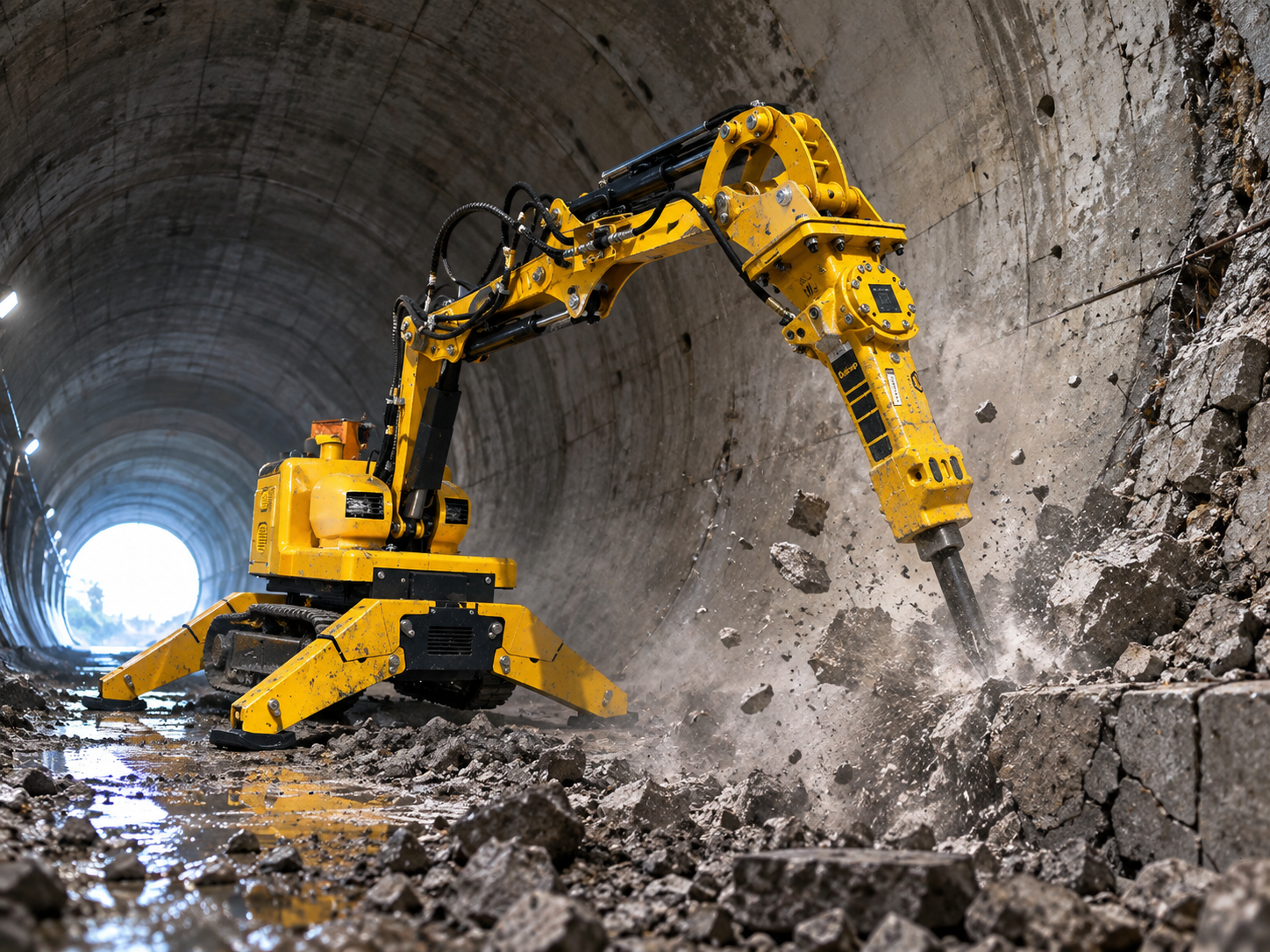
Electric machines are integral to numerous industries, powering everything from small household appliances to large industrial equipment. As a trusted supplier of electric machines, I understand the importance of the materials used in their construction. These materials not only determine the performance and efficiency of the machine but also its durability and reliability. In this blog post, I will delve into the various materials commonly used in electric machines, exploring their properties and applications.
Conductive Materials
One of the most crucial materials in an electric machine is the conductor, which is responsible for carrying electric current. Copper and aluminum are the two most widely used conductive materials in electric machines.
Copper
Copper is a highly conductive metal with excellent electrical and thermal properties. It has a low resistivity, which means it can carry a large amount of current with minimal power loss. Copper is also ductile and malleable, making it easy to form into wires and other shapes. These properties make copper an ideal choice for use in electric motors, generators, and transformers.
In electric motors, copper is used to wind the stator and rotor coils. The stator coils are stationary and create a magnetic field when an electric current is applied. The rotor coils are attached to the rotating shaft and interact with the stator’s magnetic field to produce torque. The high conductivity of copper ensures that the motor can operate efficiently, converting electrical energy into mechanical energy with minimal losses.
Aluminum
Aluminum is another popular conductive material used in electric machines. It is lighter and less expensive than copper, making it an attractive option for applications where weight and cost are important factors. However, aluminum has a higher resistivity than copper, which means it requires a larger cross-sectional area to carry the same amount of current.
Aluminum is commonly used in the construction of electric cables and busbars. In electric machines, aluminum can be used in the stator coils of some motors, especially those where weight reduction is a priority. For example, in electric vehicles, aluminum is often used in the motor windings to reduce the overall weight of the vehicle and improve its energy efficiency.
Magnetic Materials
Magnetic materials play a vital role in the operation of electric machines. They are used to create and control magnetic fields, which are essential for converting electrical energy into mechanical energy and vice versa.
Iron
Iron is one of the most widely used magnetic materials in electric machines. It has high magnetic permeability, which means it can easily be magnetized and demagnetized. Iron is commonly used in the construction of the stator and rotor cores of electric motors and generators.
The stator core is a stationary component that surrounds the rotor. It is made up of laminated iron sheets to reduce eddy current losses. Eddy currents are induced in the core when the magnetic field changes, and they can cause heating and energy losses. By laminating the iron sheets, the eddy current paths are interrupted, reducing the losses and improving the efficiency of the machine.
The rotor core is attached to the rotating shaft and interacts with the stator’s magnetic field to produce torque. It is also made of laminated iron sheets to reduce eddy current losses. In some cases, the rotor core may be made of a permanent magnet material to provide a constant magnetic field.
Permanent Magnets
Permanent magnets are materials that can retain their magnetization without the need for an external magnetic field. They are commonly used in electric machines to provide a constant magnetic field, eliminating the need for an electromagnet.
Neodymium iron boron (NdFeB) is one of the most powerful permanent magnet materials available. It has a high magnetic energy product, which means it can produce a strong magnetic field in a small volume. NdFeB magnets are widely used in high-performance electric motors, such as those used in electric vehicles and industrial robots.
Samarium cobalt (SmCo) is another type of permanent magnet material. It has a high Curie temperature, which means it can maintain its magnetic properties at high temperatures. SmCo magnets are often used in applications where high-temperature stability is required, such as in aerospace and military applications.
Insulating Materials
Insulating materials are used to prevent the flow of electric current between different parts of an electric machine. They are essential for ensuring the safety and reliability of the machine.
Mica
Mica is a natural mineral with excellent electrical insulation properties. It is heat-resistant, flexible, and can withstand high voltages. Mica is commonly used in the insulation of electric motors and generators. It is often used in the form of mica paper or mica tape, which is wrapped around the stator and rotor coils to provide electrical insulation.
Epoxy Resins
Epoxy resins are synthetic polymers that are widely used as insulating materials in electric machines. They have good electrical insulation properties, high mechanical strength, and can be easily molded into different shapes. Epoxy resins are often used to encapsulate electronic components and to provide insulation between the windings of electric motors and transformers.
Fiberglass
Fiberglass is a composite material made of glass fibers embedded in a resin matrix. It has excellent electrical insulation properties, high strength, and is lightweight. Fiberglass is commonly used in the construction of insulating boards and panels for electric machines. It can also be used as a reinforcement material in epoxy resins to improve their mechanical properties.
Structural Materials
Structural materials are used to provide mechanical support and protection to the various components of an electric machine. They must be strong, durable, and able to withstand the forces and stresses generated during operation.
Steel
Steel is a widely used structural material in electric machines. It has high strength, good ductility, and can be easily machined and welded. Steel is commonly used in the construction of the frame, housing, and other structural components of electric motors and generators.
In some cases, special types of steel may be used to improve the performance of the machine. For example, electrical steel, also known as silicon steel, is a type of steel that has low core losses and high magnetic permeability. It is commonly used in the construction of the stator and rotor cores of electric motors and generators to improve their efficiency.
Aluminum Alloys
Aluminum alloys are another popular structural material used in electric machines. They are lightweight, corrosion-resistant, and have good mechanical properties. Aluminum alloys are commonly used in the construction of the motor housing and other components where weight reduction is a priority.
For example, in electric vehicles, aluminum alloys are often used in the construction of the motor housing to reduce the overall weight of the vehicle and improve its energy efficiency. The use of aluminum alloys also helps to improve the heat dissipation of the motor, as aluminum has a high thermal conductivity.
Conclusion
The materials used in an electric machine are carefully selected based on their electrical, magnetic, mechanical, and thermal properties. Conductive materials such as copper and aluminum are used to carry electric current, while magnetic materials such as iron and permanent magnets are used to create and control magnetic fields. Insulating materials are used to prevent the flow of electric current between different parts of the machine, and structural materials provide mechanical support and protection.
As a supplier of electric machines, we are committed to using high-quality materials in the construction of our products. We understand that the performance and reliability of an electric machine depend on the quality of its materials, and we strive to ensure that our machines meet the highest standards of quality and efficiency.
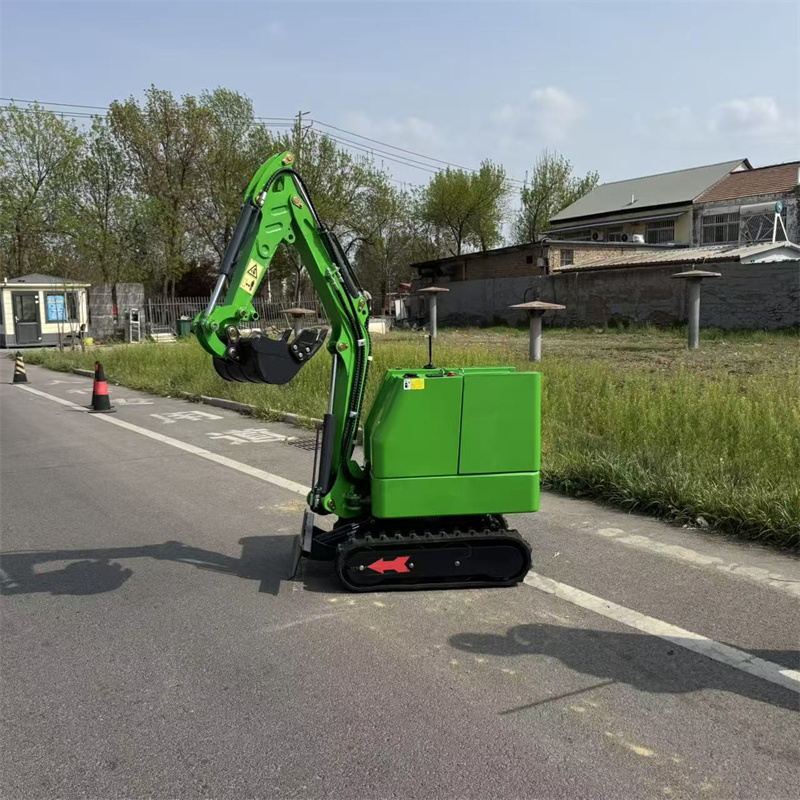
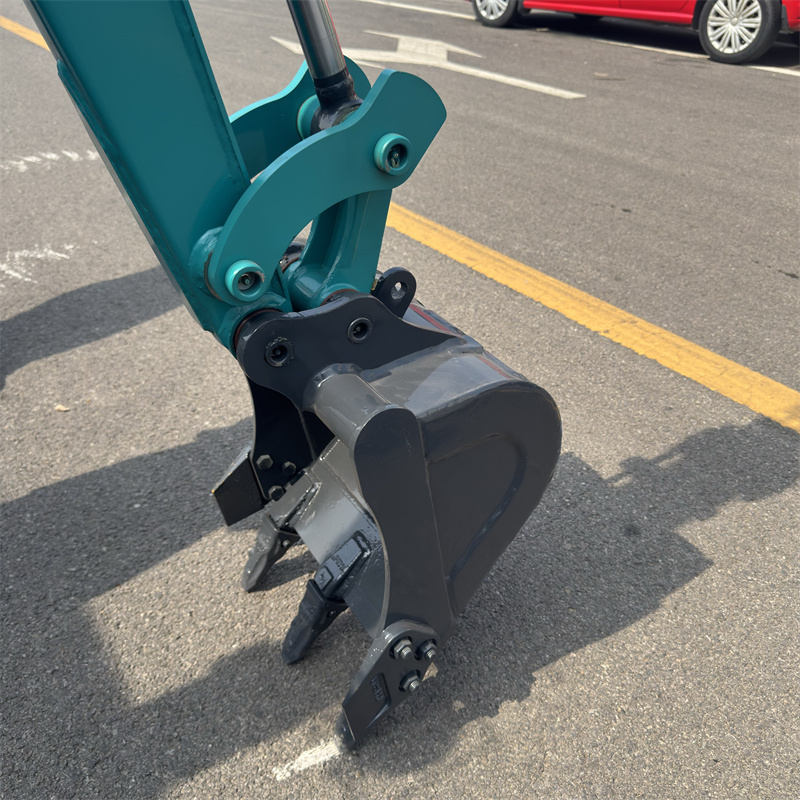
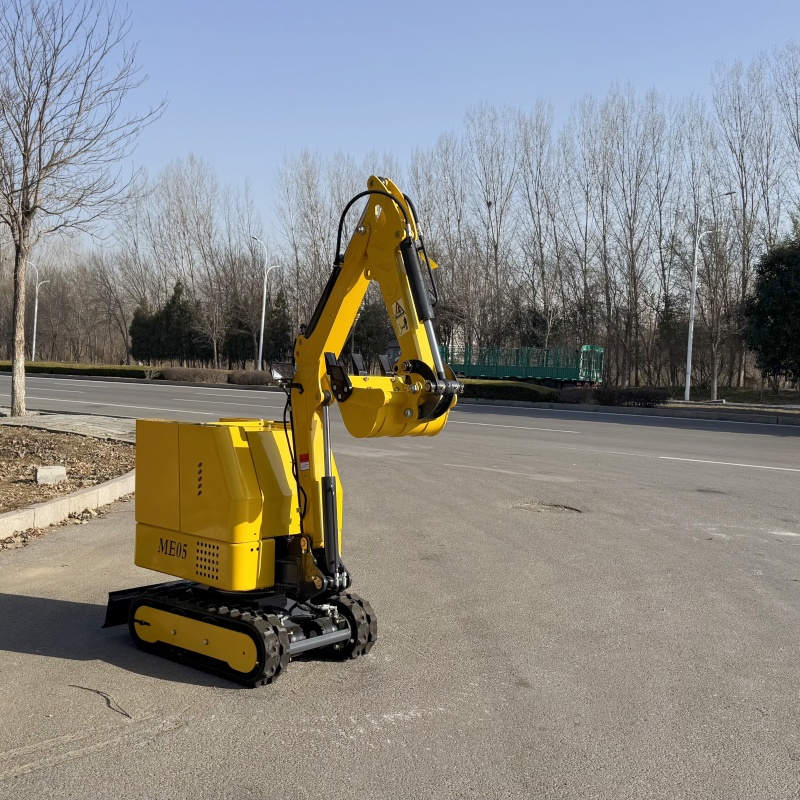
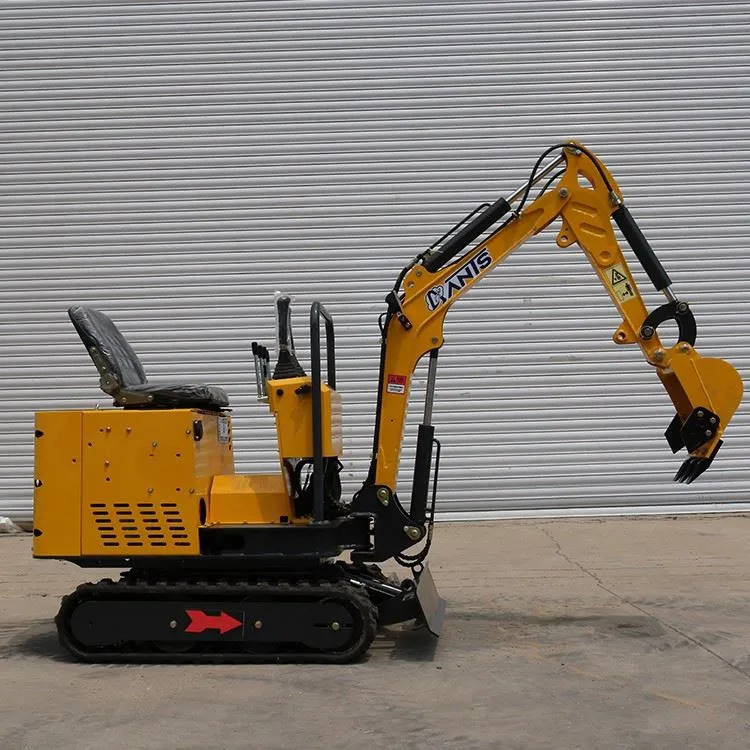
If you are interested in purchasing electric machines for your application, we offer a wide range of products, including the Noiseless Tracked Electric Mini Excavator, Fully-Electric Mini Excavator, and Electric Compact Excavator. Our team of experts can help you select the right machine for your needs and provide you with the support and service you require. Contact us today to discuss your requirements and start the procurement process.
References
Grover, F. W. (1946). Inductance Calculations: Working Formulas and Tables. Dover Publications.
Fitzgerald, A. E., Kingsley, C., Jr., & Umans, S. D. (2003). Electric Machinery. McGraw-Hill.
Chapman, S. J. (2012). Electric Machinery Fundamentals. McGraw-Hill.