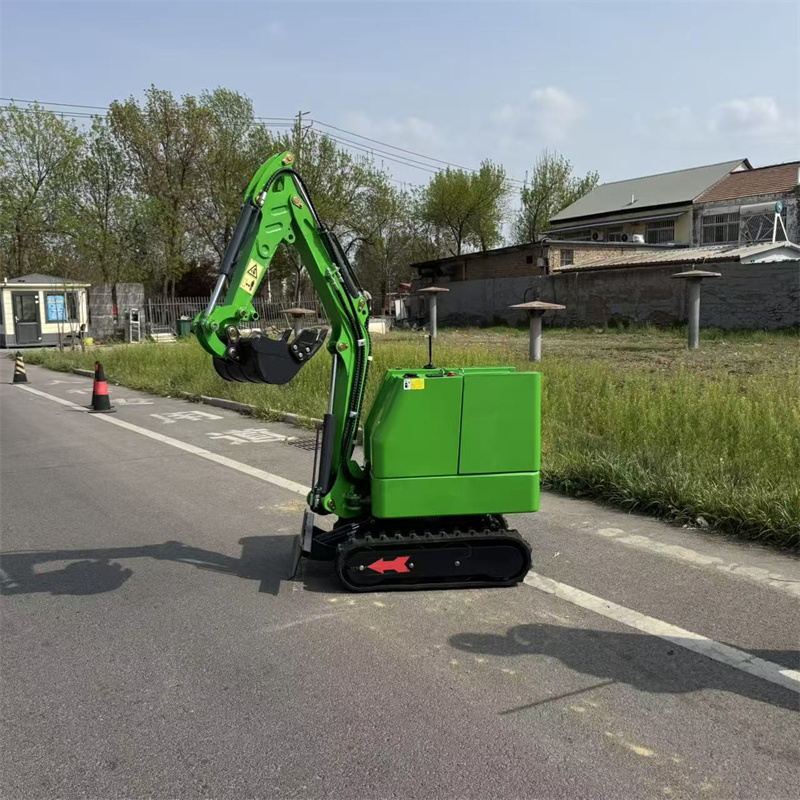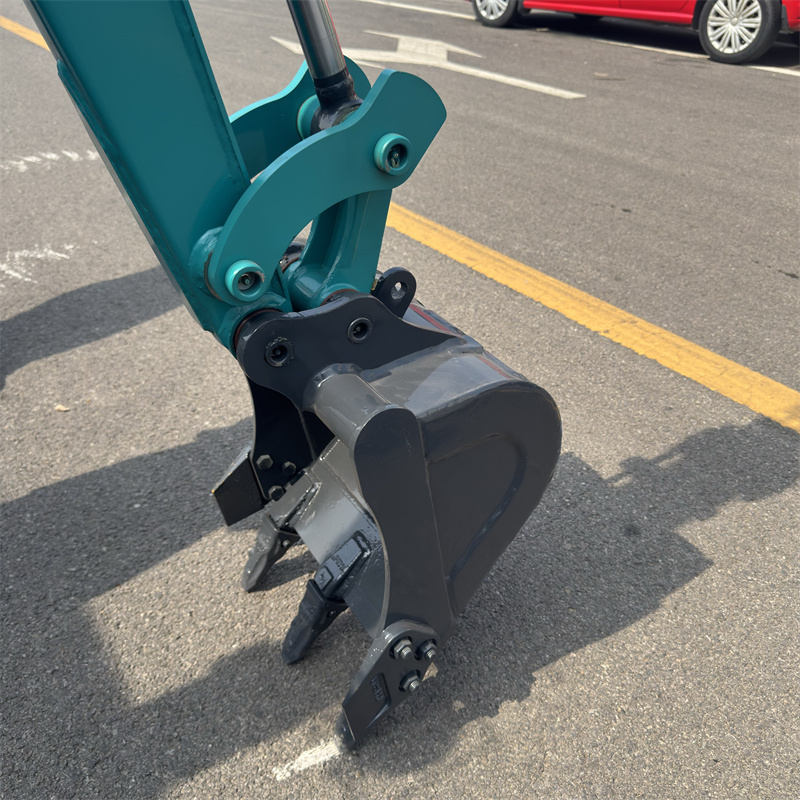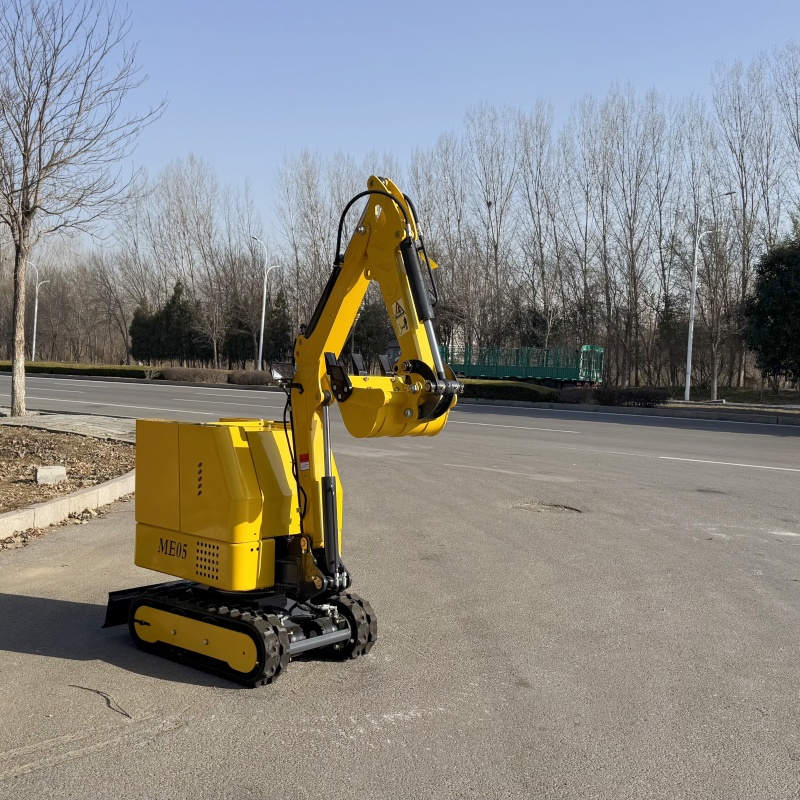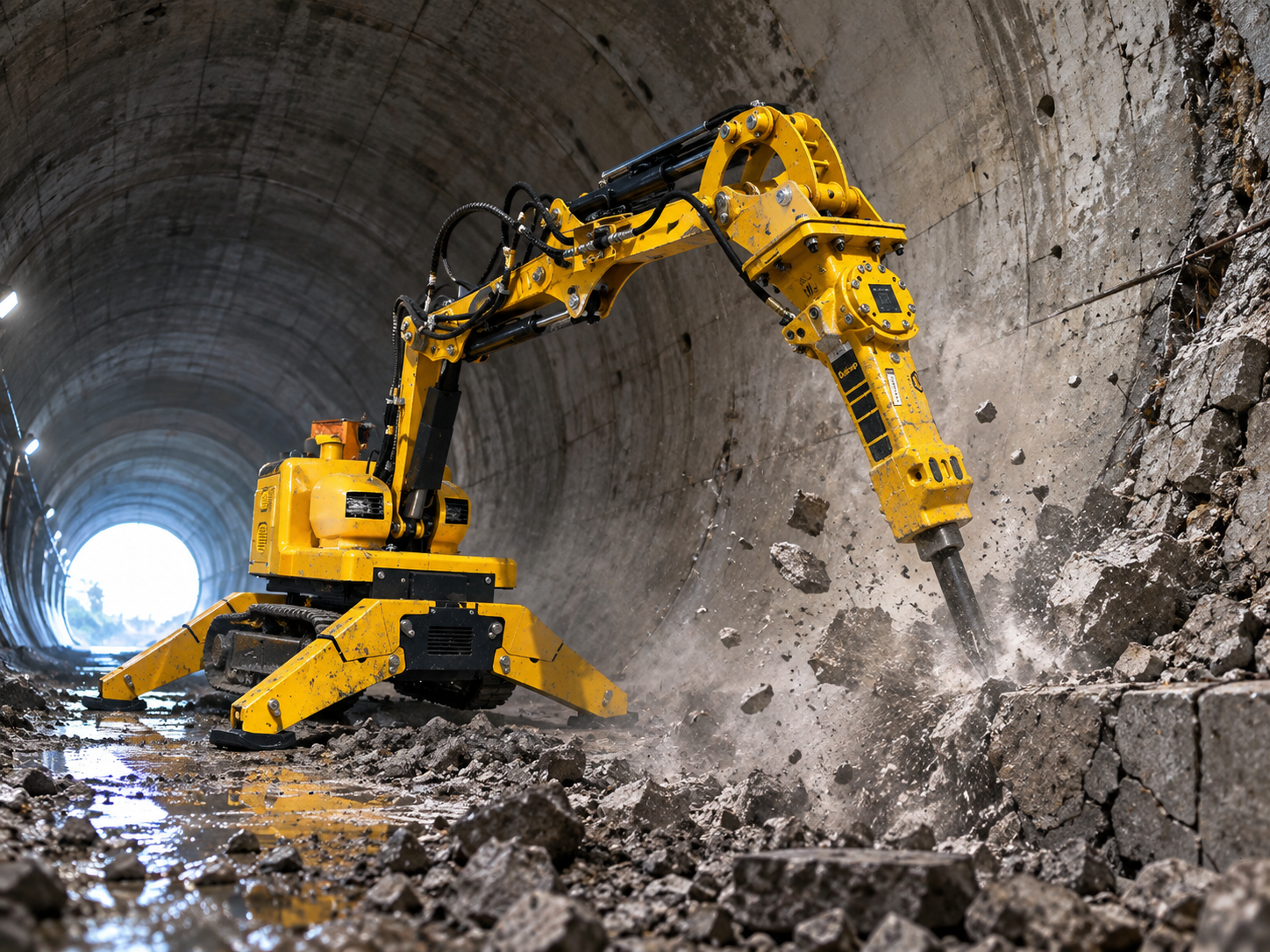
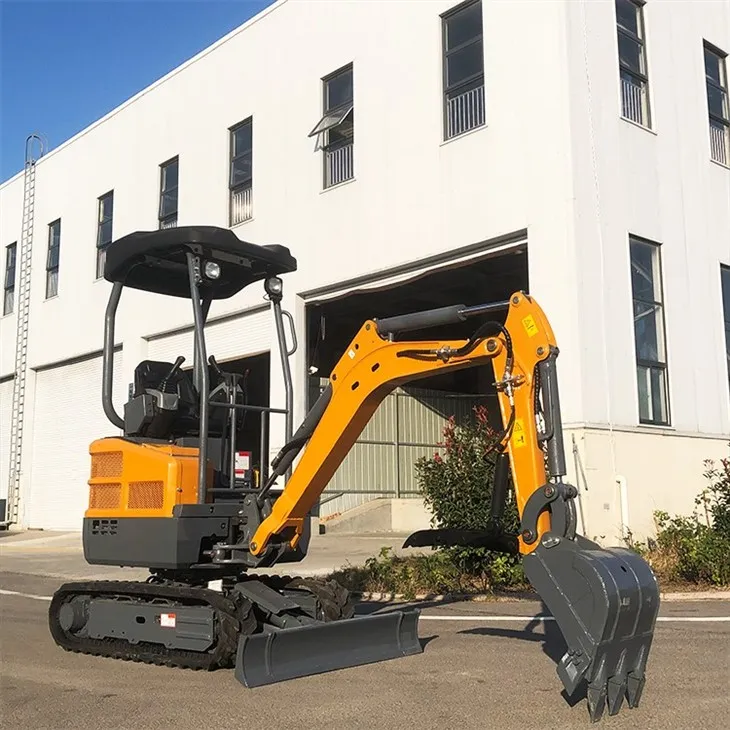
When it comes to operating a mini excavator, one of the most crucial factors that operators and project managers need to consider is the maximum angle of inclination at which the machine can work safely and efficiently. As a trusted mini excavator supplier, we understand the significance of this parameter and its impact on various excavation projects. In this blog post, we will delve into the details of the maximum angle of inclination for mini excavators, exploring the factors that influence it and providing practical insights for safe operation.
Understanding the Maximum Angle of Inclination
The maximum angle of inclination refers to the steepest slope or gradient on which a mini excavator can operate without the risk of tipping over or losing stability. This angle is typically measured in degrees and varies depending on several factors, including the design and specifications of the mini excavator, the type of terrain, and the load being carried or lifted.
Operating a mini excavator beyond its maximum angle of inclination can lead to serious safety hazards, such as rollovers, loss of control, and damage to the machine. Therefore, it is essential to understand the limitations of the equipment and to follow the manufacturer’s guidelines when working on inclined surfaces.
Factors Affecting the Maximum Angle of Inclination
Several factors can influence the maximum angle of inclination for a mini excavator. Let’s take a closer look at some of the key factors:
Machine Design and Specifications: The design and specifications of the mini excavator play a significant role in determining its stability and maximum angle of inclination. Factors such as the weight distribution, wheelbase, track length, and center of gravity can all affect the machine’s ability to maintain stability on inclined surfaces. Generally, mini excavators with a lower center of gravity and wider track base tend to have better stability and can operate on steeper slopes.
Terrain Conditions: The type of terrain on which the mini excavator is operating can also have a significant impact on its maximum angle of inclination. Soft, loose, or uneven terrain can reduce the machine’s traction and stability, making it more difficult to operate on steep slopes. On the other hand, hard, flat, and stable terrain can provide better traction and allow the mini excavator to operate on steeper angles.
Load Capacity: The weight and distribution of the load being carried or lifted by the mini excavator can also affect its stability and maximum angle of inclination. Carrying a heavy load or lifting a large object can shift the machine’s center of gravity and increase the risk of tipping over. Therefore, it is important to ensure that the load is evenly distributed and within the machine’s rated capacity when working on inclined surfaces.
Operator Skill and Experience: The skill and experience of the operator can also play a crucial role in ensuring the safe operation of the mini excavator on inclined surfaces. A skilled and experienced operator will be able to assess the terrain conditions, adjust the machine’s speed and direction, and use the appropriate techniques to maintain stability and control.
Recommended Maximum Angle of Inclination
The recommended maximum angle of inclination for a mini excavator can vary depending on the specific model and manufacturer. However, as a general rule of thumb, most mini excavators are designed to operate safely on slopes with an angle of inclination of up to 15 degrees. Some larger and more powerful models may be able to operate on steeper slopes, but it is important to consult the manufacturer’s guidelines and specifications before attempting to work on slopes with an angle of inclination greater than 15 degrees.
It is also important to note that the recommended maximum angle of inclination is based on ideal conditions, such as a hard, flat, and stable terrain. In real-world situations, the actual maximum angle of inclination may be lower due to factors such as soft or uneven terrain, wet or slippery conditions, and the presence of obstacles or other hazards.
Tips for Safe Operation on Inclined Surfaces
To ensure the safe and efficient operation of a mini excavator on inclined surfaces, it is important to follow these tips:
Conduct a Site Assessment: Before starting any excavation work on an inclined surface, it is important to conduct a thorough site assessment to identify any potential hazards or challenges. This may include assessing the terrain conditions, checking for the presence of underground utilities or other obstacles, and determining the maximum angle of inclination that the mini excavator can safely operate on.
Use the Appropriate Equipment: Make sure that the mini excavator you are using is suitable for the specific job and terrain conditions. Consider factors such as the machine’s size, weight, power, and stability when selecting the appropriate equipment.
Follow the Manufacturer’s Guidelines: Always follow the manufacturer’s guidelines and specifications when operating the mini excavator on inclined surfaces. This may include using the appropriate attachments, adjusting the machine’s speed and direction, and maintaining the proper distance from the edge of the slope.
Maintain Proper Stability: To maintain proper stability on inclined surfaces, it is important to keep the mini excavator’s center of gravity within the machine’s base of support. This may involve adjusting the position of the boom, arm, and bucket, as well as using the machine’s stabilizers or outriggers if necessary.
Be Aware of Your Surroundings: Always be aware of your surroundings when operating the mini excavator on inclined surfaces. Watch for any potential hazards or obstacles, such as rocks, trees, or other vehicles, and take appropriate precautions to avoid them.
Train Your Operators: Make sure that all operators are properly trained and certified to operate the mini excavator on inclined surfaces. Provide them with the necessary training and resources to ensure that they understand the safe operating procedures and techniques.
Conclusion
In conclusion, the maximum angle of inclination for a mini excavator is an important factor that needs to be considered when planning and executing excavation projects on inclined surfaces. By understanding the factors that influence the maximum angle of inclination, following the manufacturer’s guidelines, and using the appropriate techniques and equipment, you can ensure the safe and efficient operation of the mini excavator and minimize the risk of accidents and injuries.
As a leading mini excavator supplier, we offer a wide range of high-quality mini excavators that are designed to meet the needs of various excavation projects. Our mini excavators are equipped with advanced features and technologies to ensure maximum performance, reliability, and safety. Whether you are looking for a Small Excavator with Access Toelevator, an Earthmoving Machinery Mini Excavator, or a Mini Bagger 1 Ton, we have the right solution for you.
If you are interested in learning more about our mini excavators or would like to discuss your specific requirements, please feel free to contact us. Our team of experts will be happy to assist you and provide you with the information and support you need to make an informed decision.
References
“Mini Excavator Operator’s Manual” – Manufacturer’s Manual
“Safety Guidelines for Operating Earthmoving Equipment on Inclined Surfaces” – Industry Best Practices