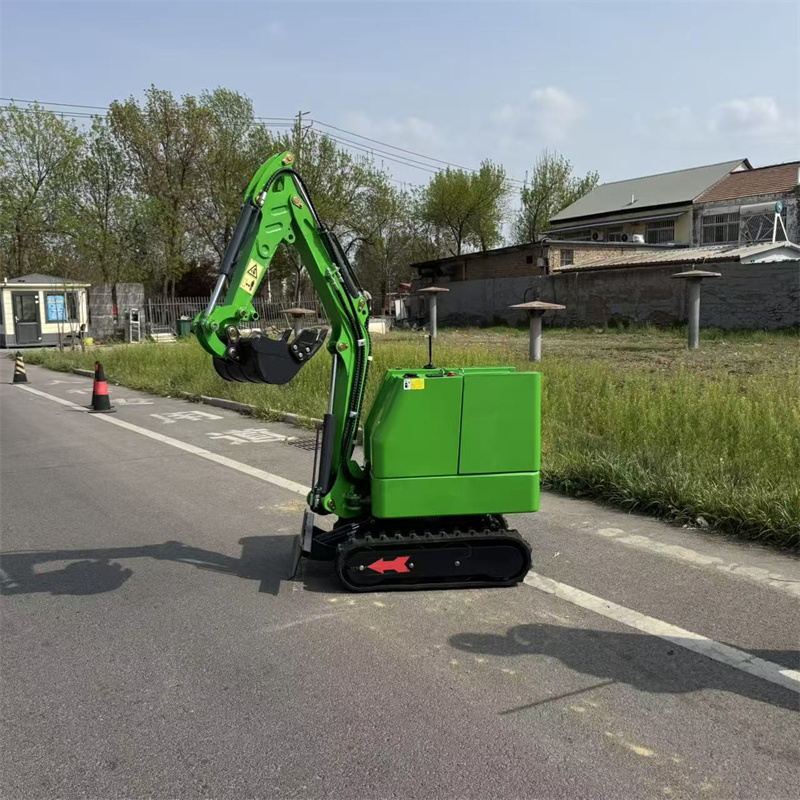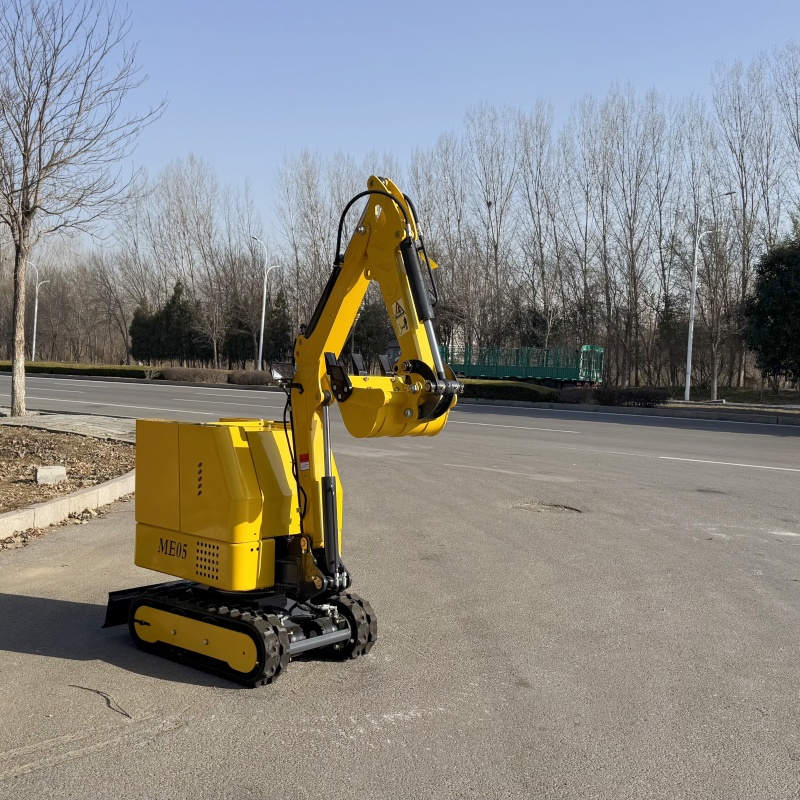
Hey there! As a supplier of 1.8 Ton Mini Excavators, I often get asked about the maximum depth a bucket can penetrate in hard soil. It’s a super important question, especially for those in the construction, landscaping, or any industry that relies on these nifty machines. So, let’s dive right in and explore this topic.
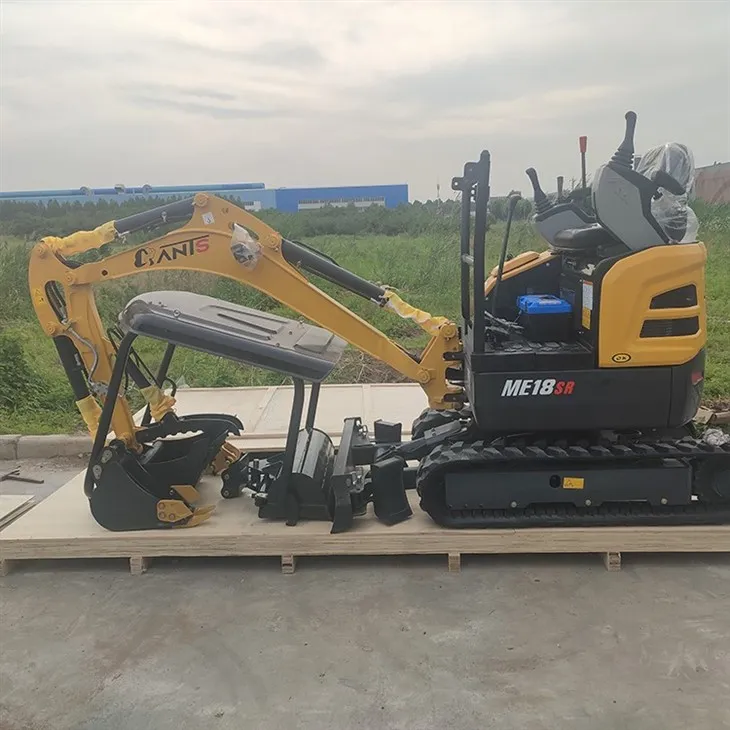
First off, what makes a 1.8 Ton Mini Excavator so great? Well, it’s compact, easy to maneuver, and packs a punch despite its small size. Whether you’re working in a tight urban space or a large rural area, these excavators are up for the task. You can check out our Mini Crawler Excavator, Small Excavator 1.8 Ton, and Mini Hydraulic Excavator models to see the variety we offer.
Now, back to the main question: the maximum depth of the bucket’s penetration in hard soil. There are several factors that come into play here.
1. Bucket Design
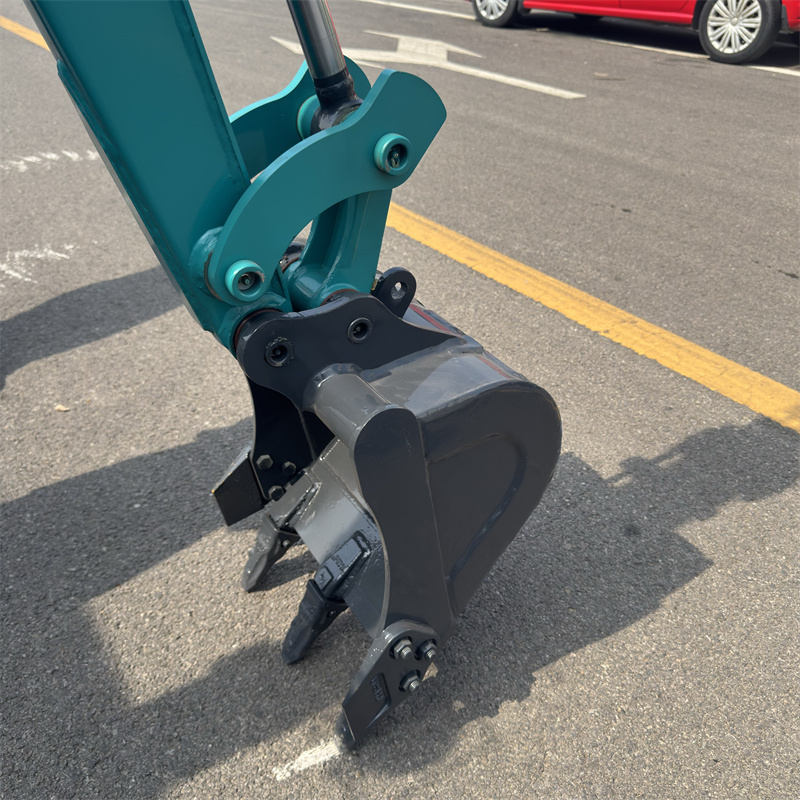
The design of the bucket is crucial. A well – designed bucket for hard soil will have sharp teeth that can break through the tough ground. The shape of the bucket also matters. A narrow bucket can penetrate deeper as it has less surface area in contact with the soil, reducing resistance. Our excavators come with buckets that are specifically designed to handle hard soil conditions, ensuring maximum penetration.
2. Hydraulic System
The hydraulic system of the 1.8 Ton Mini Excavator is what gives the bucket the power to dig. A high – pressure hydraulic system can generate more force, allowing the bucket to push deeper into the hard soil. Our machines are equipped with advanced hydraulic systems that are optimized for performance. They can deliver a significant amount of force to the bucket, enabling it to penetrate the soil effectively.
3. Soil Type
Hard soil can vary greatly in its composition. Some hard soils are rocky, while others are clay – based. Rocky soil is much more difficult to penetrate than clay – based soil. In rocky soil, the maximum depth of penetration might be limited due to the hardness of the rocks. On the other hand, clay – based hard soil, although still tough, can be penetrated to a greater depth with the right equipment.
4. Machine Weight and Stability
The 1.8 Ton weight of the mini – excavator plays a role in the bucket’s penetration. The weight provides stability and gives the machine the ability to push down on the bucket. If the machine is not stable, it won’t be able to transfer the full force to the bucket. Our 1.8 Ton Mini Excavators are designed with a low center of gravity and a wide track base, ensuring maximum stability during digging operations.
Typical Maximum Depths
In general, for a 1.8 Ton Mini Excavator in moderately hard clay – based soil, the bucket can penetrate to a depth of around 1.2 to 1.5 meters. However, in very hard, rocky soil, the penetration depth might be reduced to 0.8 to 1.0 meters. These are just rough estimates, and the actual depth can vary depending on the factors mentioned above.
Let’s take a closer look at how each of these factors interacts. For example, if you have a well – designed bucket but a weak hydraulic system, the bucket won’t be able to use its full potential to penetrate the soil. Similarly, if the soil is extremely hard and the machine lacks stability, the operator might not be able to apply enough force to the bucket.
Maintenance and Its Impact
Regular maintenance of the 1.8 Ton Mini Excavator is also essential for achieving the maximum depth of penetration. A well – maintained hydraulic system will operate at peak efficiency, providing the necessary force to the bucket. The bucket teeth need to be sharp and in good condition. If the teeth are worn out, they won’t be able to break through the hard soil as effectively.
We recommend checking the hydraulic fluid levels, inspecting the bucket teeth regularly, and ensuring that all moving parts are lubricated. By following these maintenance tips, you can keep your excavator in top shape and ensure that it can achieve the best possible performance in hard soil.
Operator Skill
The skill of the operator is another important factor. An experienced operator knows how to use the machine’s controls to apply the right amount of force at the right time. They can adjust the digging angle of the bucket to optimize penetration. They also know when to stop digging to avoid damaging the machine or getting stuck in the soil.
Real – World Applications
In real – world applications, the maximum depth of penetration can determine the efficiency of a project. For example, in a landscaping project where you need to dig trenches for irrigation systems, the ability of the bucket to penetrate deeply can save time and labor. In construction projects, such as laying foundations, the depth of penetration can affect the stability of the structure.
Conclusion
So, to sum it up, the maximum depth of the bucket’s penetration in hard soil for a 1.8 Ton Mini Excavator depends on a variety of factors including bucket design, hydraulic system, soil type, machine weight and stability, maintenance, and operator skill. While typical depths can range from 0.8 to 1.5 meters, the actual depth can vary significantly.
If you’re in the market for a 1.8 Ton Mini Excavator, we’re here to help. Our machines are designed to handle hard soil conditions and provide excellent performance. We offer a range of models with different features to meet your specific needs. Whether you’re a small – scale contractor or a large construction company, our excavators can be a valuable addition to your fleet.
If you have any questions or want to discuss your requirements in more detail, feel free to reach out to us. We’re always happy to have a chat and help you find the perfect 1.8 Ton Mini Excavator for your project.
References
“Excavation Equipment Handbook”: A comprehensive guide on the operation and performance of excavators.
“Soil Mechanics and Foundation Engineering”: A textbook that provides in – depth knowledge about different soil types and their behavior during excavation.