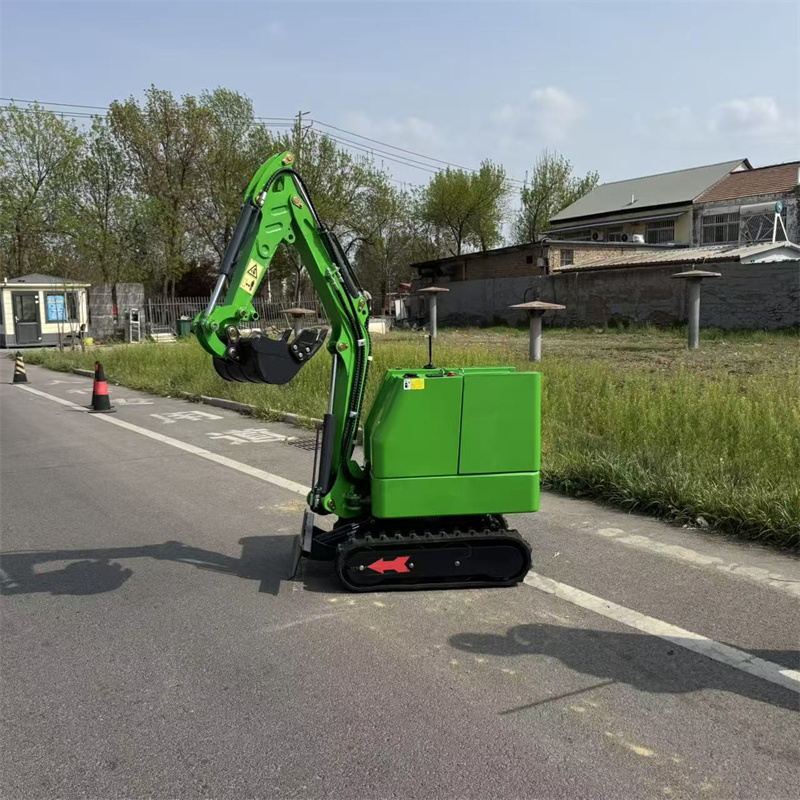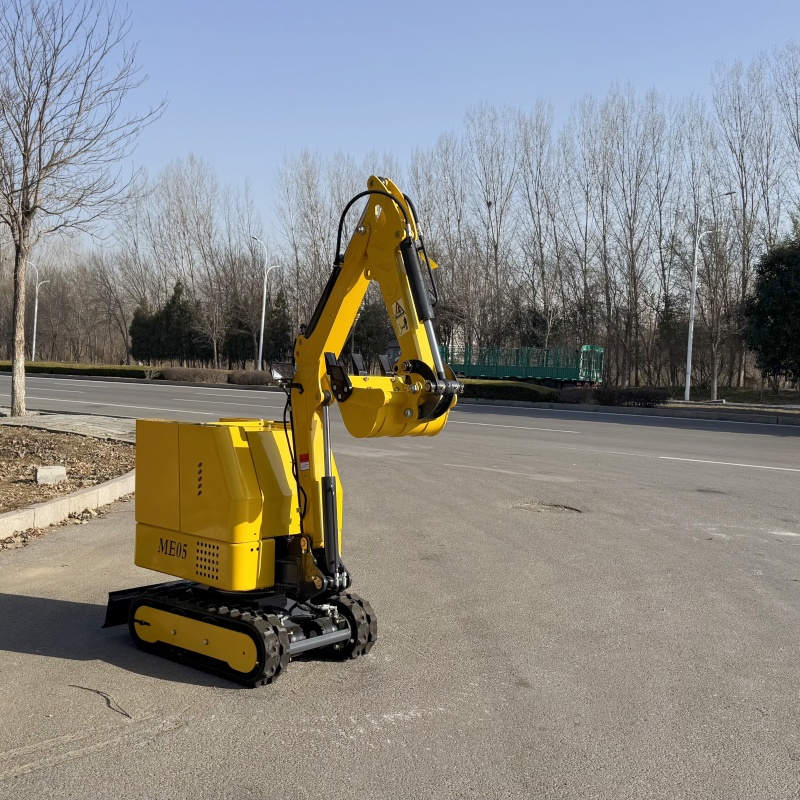
Hey there! As a supplier of 1.5 – ton excavators, I often get asked about the maximum digging force of these nifty machines. So, let’s dive right in and break it down.
First off, what exactly is digging force? Well, it’s basically the amount of power an excavator can exert when it’s digging into the ground. It’s a crucial factor because it determines how effectively the machine can handle different types of soil and materials. The maximum digging force is the highest level of this power that the excavator can achieve under ideal conditions.
Now, for a 1.5 – ton excavator, the maximum digging force can vary depending on a few key factors. One of the main things is the design of the hydraulic system. Most 1.5 – ton excavators use hydraulic power to operate their arms and buckets. A well – designed hydraulic system can generate a significant amount of force. Generally, the maximum digging force of a 1.5 – ton excavator can range from around 4,000 to 7,000 pounds – force (lbf).
Let’s talk about why this range exists. Different manufacturers might use different hydraulic pumps, cylinders, and valves in their machines. A high – quality hydraulic pump can deliver more pressure, which in turn increases the digging force. Also, the size and strength of the cylinders play a big role. Larger cylinders can hold more hydraulic fluid and generate more force when they extend or retract.
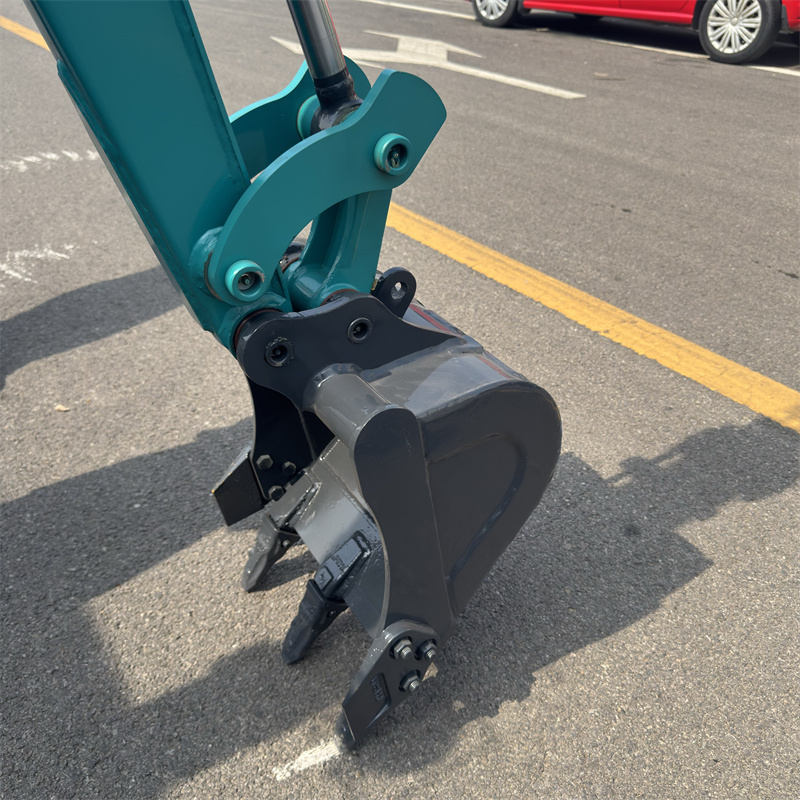
Another factor that affects the digging force is the bucket design. A wider bucket might spread the force over a larger area, which could reduce the overall digging force per square inch. On the other hand, a narrower bucket can concentrate the force, allowing it to dig deeper and more effectively into hard soil or rock.
The type of terrain also matters. If you’re working on soft, sandy soil, the excavator might not need to use its maximum digging force. But when it comes to hard – packed clay or rocky ground, the machine will have to work harder. In some cases, the operator might need to adjust the digging technique to make the most of the available force.
Now, let me tell you about the benefits of a 1.5 – ton excavator with a good digging force. These machines are relatively small and easy to maneuver, making them perfect for small – scale construction projects, landscaping, and utility work. With a decent digging force, they can handle a variety of tasks, from digging trenches for pipes to removing small boulders.
If you’re in the market for a 1.5 – ton excavator, you might want to check out our 1.5ton Mini Crawler Excavator. It’s designed with a powerful hydraulic system that can provide a high digging force. And if you’re concerned about the operator’s comfort and safety, our 1T 1.5T Blue Electric Mini Excavator Canopy is a great option. It not only protects the operator from the elements but also adds a bit of style to the machine.
When it comes to seeing the excavator in action, take a look at our Mini Excavator Digging page. You can watch some videos to get an idea of how the machine performs in real – world situations.
Let’s also consider the maintenance aspect. To keep the maximum digging force at its peak, regular maintenance is essential. This includes checking the hydraulic fluid levels, inspecting the hoses and seals for leaks, and making sure the cylinders are in good condition. A well – maintained excavator will not only have a consistent digging force but also a longer lifespan.
If you’re still not sure if a 1.5 – ton excavator with its current digging force is right for your project, you can always reach out to us. We’ve got a team of experts who can answer all your questions and help you choose the best machine for your needs. Whether you’re a contractor, a landscaper, or just someone with a small DIY project, we can assist you.
In conclusion, the maximum digging force of a 1.5 – ton excavator is an important feature that can make or break a project. With the right machine and proper maintenance, you can get the most out of its capabilities. If you’re interested in learning more or want to start a purchase negotiation, don’t hesitate to get in touch. We’re here to make sure you get the best value for your money.
References:
“Hydraulic Systems in Construction Equipment” – Construction Machinery Handbook
“Excavator Design and Performance” – Journal of Heavy Equipment Engineering