What is the maximum lifting height of the bucket of a 1.8 – ton mini excavator?
As a supplier of 1.8 – ton mini excavators, I often receive inquiries from customers about the technical specifications of our machines, and one of the most frequently asked questions is about the maximum lifting height of the bucket. In this blog post, I’ll delve into this topic, providing you with a comprehensive understanding of the factors that influence the maximum lifting height of a 1.8 – ton mini excavator’s bucket.
Understanding the Basics of a 1.8 – Ton Mini Excavator
Before we discuss the maximum lifting height, it’s essential to understand what a 1.8 – ton mini excavator is. These compact machines are designed for versatility and efficiency in various construction, landscaping, and utility projects. They are smaller in size compared to standard excavators, making them ideal for working in tight spaces where larger equipment cannot operate.
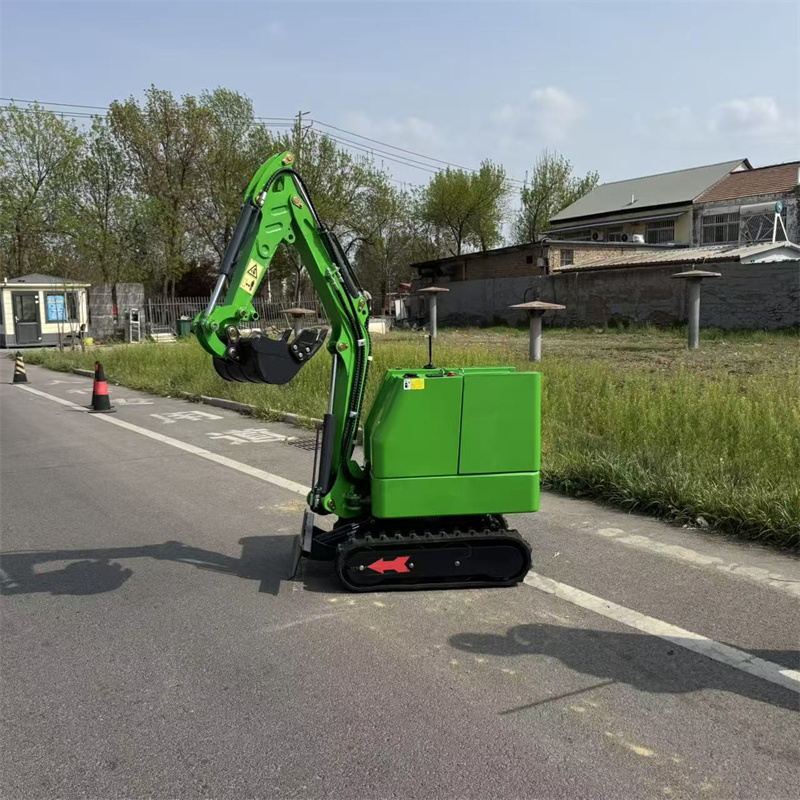
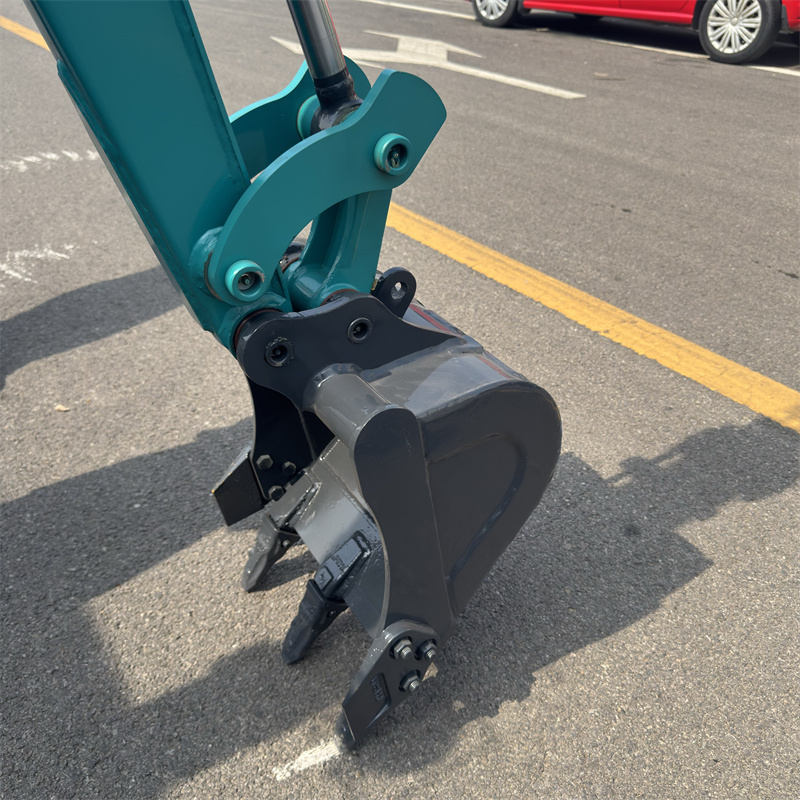
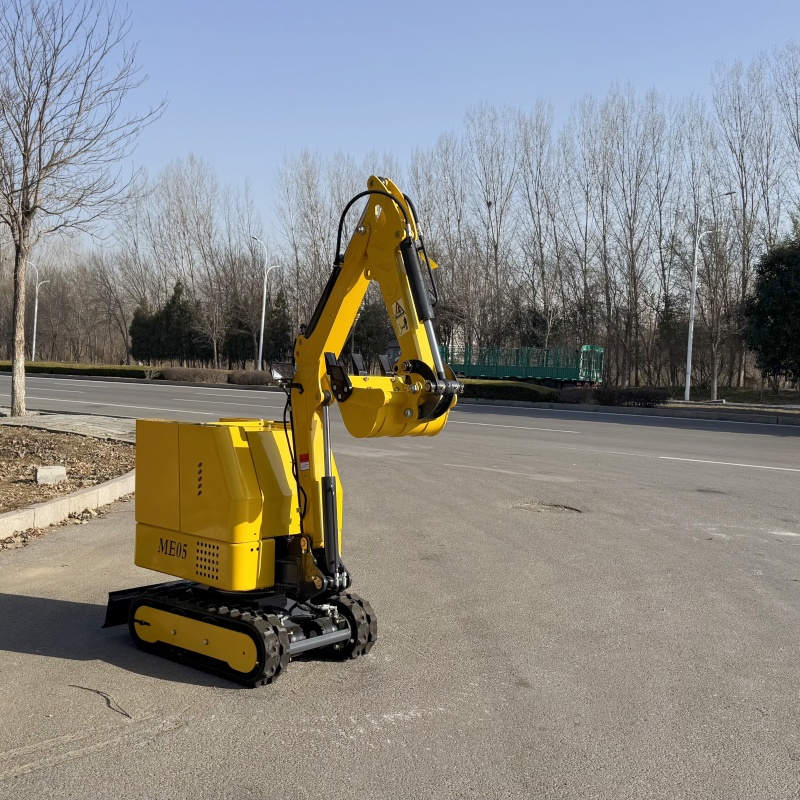
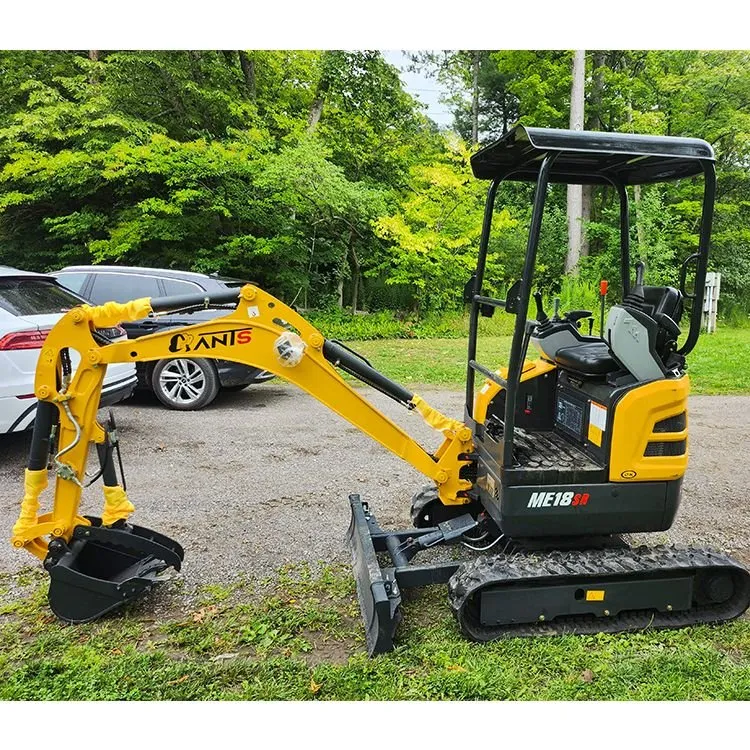
A 1.8 – ton mini excavator typically consists of a chassis, boom, arm, and bucket. The boom is the main structural component that extends from the chassis, while the arm is attached to the end of the boom. The bucket is mounted at the end of the arm and is used for digging, lifting, and moving materials.
Factors Affecting the Maximum Lifting Height
The maximum lifting height of a 1.8 – ton mini excavator’s bucket is influenced by several factors, including the design of the boom and arm, the hydraulic system, and the stability of the machine.
Boom and Arm Design
The length and configuration of the boom and arm play a crucial role in determining the maximum lifting height. Longer booms and arms generally allow for greater lifting heights, but they also reduce the machine’s stability and lifting capacity. Manufacturers design the boom and arm of a 1.8 – ton mini excavator to balance between lifting height, stability, and lifting capacity.
For example, some 1.8 – ton mini excavators are equipped with a two – piece boom, which provides greater flexibility and reach compared to a single – piece boom. The two – piece boom can be adjusted to different angles, allowing the operator to reach over obstacles and into tight spaces. This design feature can also increase the maximum lifting height of the bucket.
Hydraulic System
The hydraulic system of a 1.8 – ton mini excavator is responsible for powering the movement of the boom, arm, and bucket. A high – performance hydraulic system can provide the necessary force to lift heavy loads to greater heights. The hydraulic pumps, cylinders, and valves work together to control the flow of hydraulic fluid, which in turn controls the movement of the machine’s components.
The size and capacity of the hydraulic cylinders also affect the maximum lifting height. Larger cylinders can generate more force, allowing the bucket to be lifted higher. However, larger cylinders also require more hydraulic fluid and power, which can increase the energy consumption of the machine.
Machine Stability
Stability is a critical factor when it comes to lifting heavy loads to great heights. A 1.8 – ton mini excavator must be stable to prevent tipping over during operation. The weight distribution of the machine, the position of the tracks or wheels, and the ground conditions all affect the machine’s stability.
When the bucket is lifted to its maximum height, the center of gravity of the machine shifts. If the machine is not properly balanced, it can become unstable and tip over. To ensure stability, operators must follow the manufacturer’s guidelines regarding the maximum lifting capacity and height for different operating conditions.
Typical Maximum Lifting Heights
The maximum lifting height of a 1.8 – ton mini excavator’s bucket can vary depending on the specific model and manufacturer. On average, the maximum lifting height of a 1.8 – ton mini excavator ranges from 4 to 6 meters. However, some models may have a maximum lifting height of up to 7 meters or more.
It’s important to note that the maximum lifting height is usually measured from the ground level to the highest point that the bucket can reach. This measurement is based on the machine being on a level surface and the bucket being empty. When the bucket is filled with material, the maximum lifting height may be reduced due to the additional weight.
Applications of the Maximum Lifting Height
The maximum lifting height of a 1.8 – ton mini excavator’s bucket has several practical applications in various industries.
Construction
In construction projects, the ability to lift materials to a certain height is essential for tasks such as placing building materials on upper floors, installing pre – cast concrete elements, and working on elevated structures. A 1.8 – ton mini excavator with a sufficient maximum lifting height can be used in small – scale construction projects where space is limited.
Landscaping
Landscaping projects often require the movement of soil, rocks, and plants to different elevations. A 1.8 – ton mini excavator can be used to lift and place these materials in gardens, parks, and other outdoor spaces. The maximum lifting height allows the operator to reach areas that are difficult to access, such as slopes and raised beds.
Utility Work
In utility work, such as installing underground pipes and cables, a 1.8 – ton mini excavator may need to lift heavy equipment and materials to a certain height. For example, the machine can be used to lift manhole covers, pipes, and electrical components during installation and maintenance operations.
Choosing the Right 1.8 – Ton Mini Excavator
If you’re in the market for a 1.8 – ton mini excavator, it’s important to consider the maximum lifting height along with other factors such as lifting capacity, digging depth, and maneuverability.
When comparing different models, look for a machine that offers a balance between maximum lifting height and stability. Consider the specific requirements of your projects and choose a model that can meet those needs. You can also visit our website to learn more about our Mini Small Excavator and Small Excavator 1.8 Ton models.
Conclusion
The maximum lifting height of a 1.8 – ton mini excavator’s bucket is an important specification that can significantly impact its performance in various applications. By understanding the factors that affect the maximum lifting height, you can make an informed decision when choosing a mini excavator for your projects.
If you have any questions about our 1.8 – ton mini excavators or would like to discuss your specific requirements, please feel free to contact us. We are here to help you find the right machine for your needs and provide you with the best possible service. You can also check out our Mini Excavator Digging A Trench page to see our machines in action.
References
“Mini Excavator Handbook,” Construction Equipment Manufacturers Association.
Technical specifications of various 1.8 – ton mini excavator models from leading manufacturers.