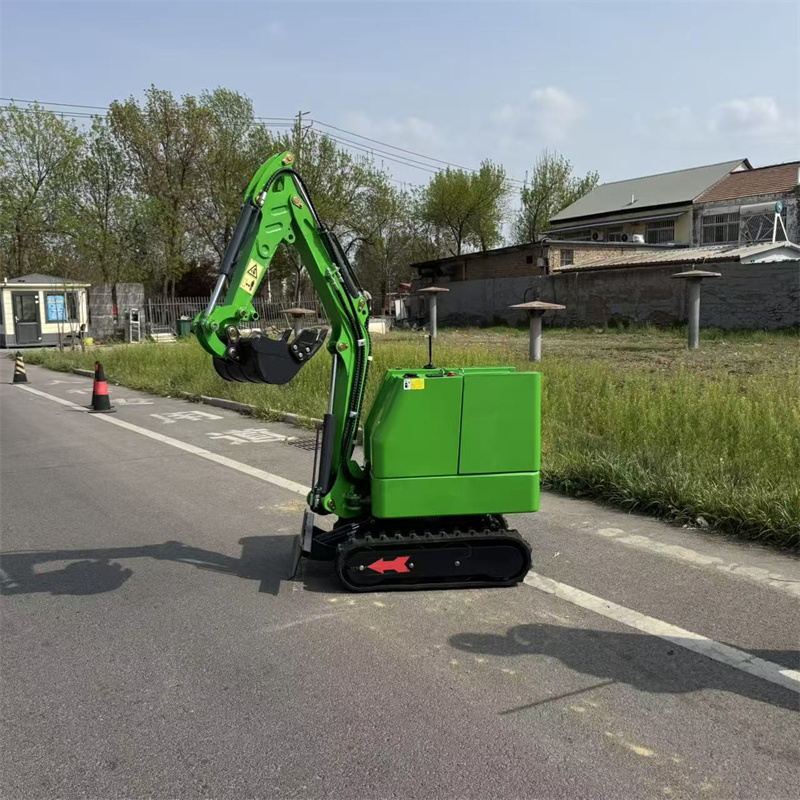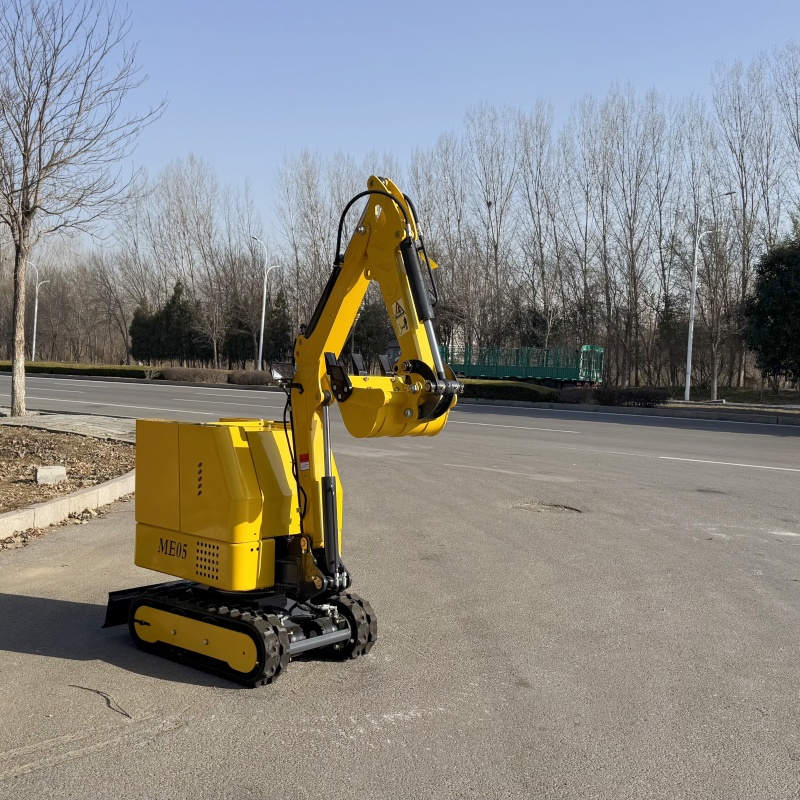
When it comes to construction and excavation projects, especially those in confined spaces or small – scale operations, a 0.8 – ton Mini Excavator can be a game – changer. As a reliable supplier of these compact yet powerful machines, I often receive inquiries about various aspects of the 0.8 – ton Mini Excavator, and one question that frequently pops up is: “What is the maximum load on the tracks of a 0.8 – ton Mini Excavator?”
Understanding the Basics of a 0.8 – ton Mini Excavator
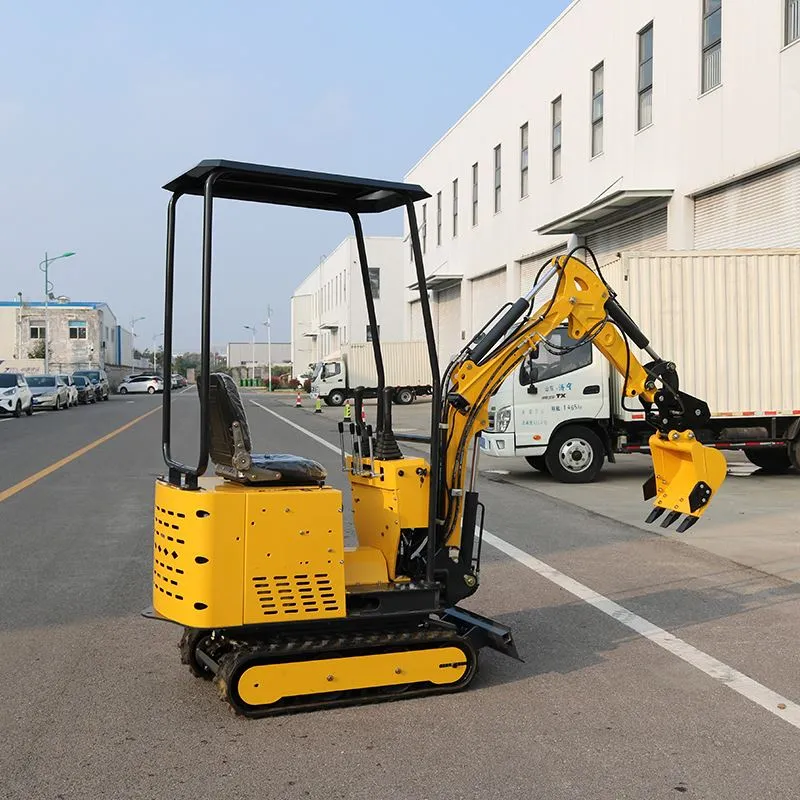
Before delving into the maximum track load, let’s first understand what a 0.8 – ton Mini Excavator is. A 0.8 – ton Mini Excavator, also known as an 800kg Mini Excavator, is a compact and highly maneuverable piece of equipment. It is designed for tasks such as digging small trenches, landscaping, and light demolition work. Due to its small size, it can easily access areas where larger excavators cannot, making it a popular choice for home use and small – scale commercial projects. You can find more information about our 800kg Swing Boom Excavator and Mini Excavator 0.8 Ton on our website.
Factors Affecting the Maximum Track Load
The maximum load on the tracks of a 0.8 – ton Mini Excavator is not a fixed value and is influenced by several factors:
1. Machine Design and Structure
The design of the excavator’s chassis and track system plays a crucial role. High – quality materials and a well – engineered structure can distribute the weight of the machine and its load more evenly across the tracks. For example, if the chassis is reinforced and the track frame is designed to withstand heavy stress, the tracks can bear a relatively higher load.
2. Track Type and Condition
There are different types of tracks available for mini – excavators, such as rubber tracks and steel tracks. Rubber tracks are generally more suitable for soft or delicate surfaces as they cause less damage, but they may have a lower maximum load capacity compared to steel tracks. Additionally, the condition of the tracks is important. Worn – out tracks with damaged treads or belts will have a reduced load – bearing capacity.
3. Operating Conditions
The nature of the work environment significantly affects the track load. Working on uneven terrain, slopes, or soft ground will increase the stress on the tracks. When operating on a slope, the weight of the machine is distributed unevenly, with more load being placed on the lower tracks. Soft ground can cause the tracks to sink, increasing the pressure on the track surface and reducing the overall load – bearing capacity.
4. Attachment Usage
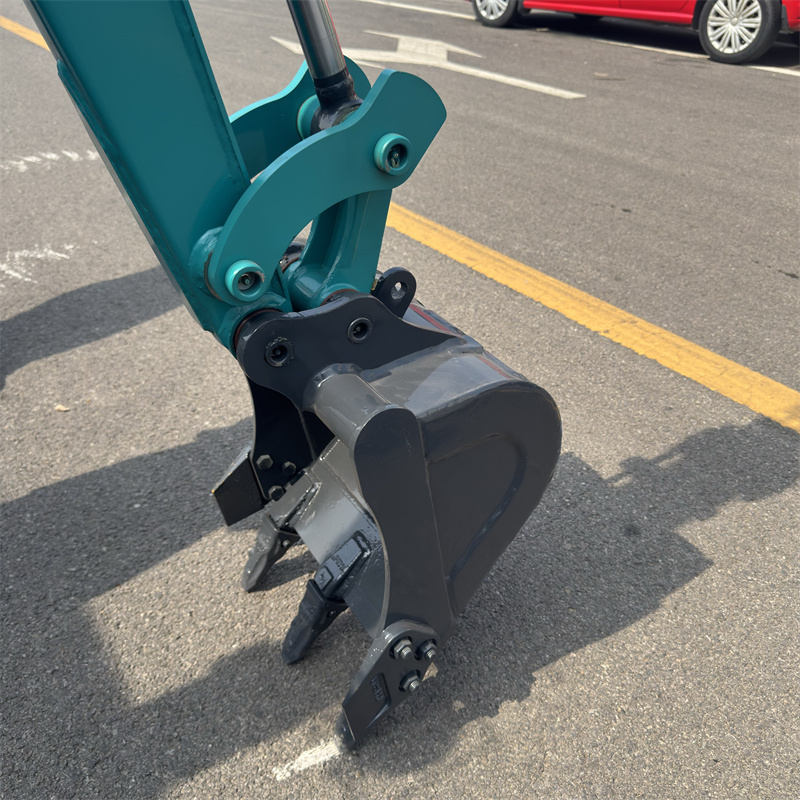
The type of attachment being used also impacts the track load. Attachments such as buckets, breakers, and augers add additional weight to the machine. A large – capacity bucket filled with heavy soil or a powerful breaker in operation will increase the overall load on the tracks.
Calculating the Maximum Track Load
To estimate the maximum load on the tracks, we need to consider the weight of the machine itself, the weight of the attachment, and the distribution of the load during operation.
Let’s assume the following:
The weight of a typical 0.8 – ton Mini Excavator is approximately 800 kg.
If we use a standard bucket attachment, which may weigh around 50 – 100 kg depending on its size and material.
When the excavator is operating on level ground and the load is evenly distributed, we can use a simple formula to estimate the load on each track.
The total weight of the machine and the attachment (W_total) is the sum of the machine weight (W_machine) and the attachment weight (W_attachment). So, if the attachment weighs 80 kg, then W_total = 800 + 80 = 880 kg.
Most 0.8 – ton Mini Excavators have two tracks. In an ideal situation where the load is evenly distributed, the load on each track (W_track) is W_total / 2. So, W_track = 880 / 2 = 440 kg.
However, in real – world scenarios, the load is rarely evenly distributed. For example, when the excavator is turning, the outer track will bear more load than the inner track. When digging, the load on the tracks closest to the digging point will increase.
Safety Margins and Recommendations
It is important to note that the calculated maximum track load is only an estimate. To ensure the safety and longevity of the tracks, it is recommended to operate within a safety margin. A general rule of thumb is to not exceed 80% of the estimated maximum track load. This helps to prevent premature wear and tear of the tracks, as well as potential track failures.
For example, if the estimated maximum load on each track is 440 kg, it is advisable to keep the actual load on each track below 440 * 0.8 = 352 kg.
Applications and the Importance of Track Load
The maximum track load is a critical factor in determining the suitability of a 0.8 – ton Mini Excavator for different applications.
1. Home Use
For Mini Digger for Home Use, such as small – scale landscaping or digging a small pond, the track load is usually within the safe range. These tasks typically involve light – duty work, and the attachments used are relatively small. However, it is still important to be aware of the track load, especially when working on grassy or paved areas to avoid damage.
2. Construction Sites
On construction sites, the 0.8 – ton Mini Excavator may be used for tasks such as digging foundations or trenches. The use of larger attachments and the need to work on uneven ground can increase the track load. In such cases, operators need to carefully monitor the load and ensure that it does not exceed the safe limit.
Conclusion
In conclusion, the maximum load on the tracks of a 0.8 – ton Mini Excavator is a complex parameter that depends on multiple factors. As a supplier, we understand the importance of providing our customers with accurate information to ensure the safe and efficient use of our equipment.
If you are considering purchasing a 0.8 – ton Mini Excavator for your project, whether it is for home use or a small – scale commercial job, we are here to assist you. Our team of experts can help you understand the track load requirements based on your specific application and ensure that you choose the right machine and attachments. Contact us today to start the procurement process and discuss how our 0.8 – ton Mini Excavators can meet your needs.
References
Construction Equipment Handbook, 3rd Edition
Mini – Excavator Technical Manuals