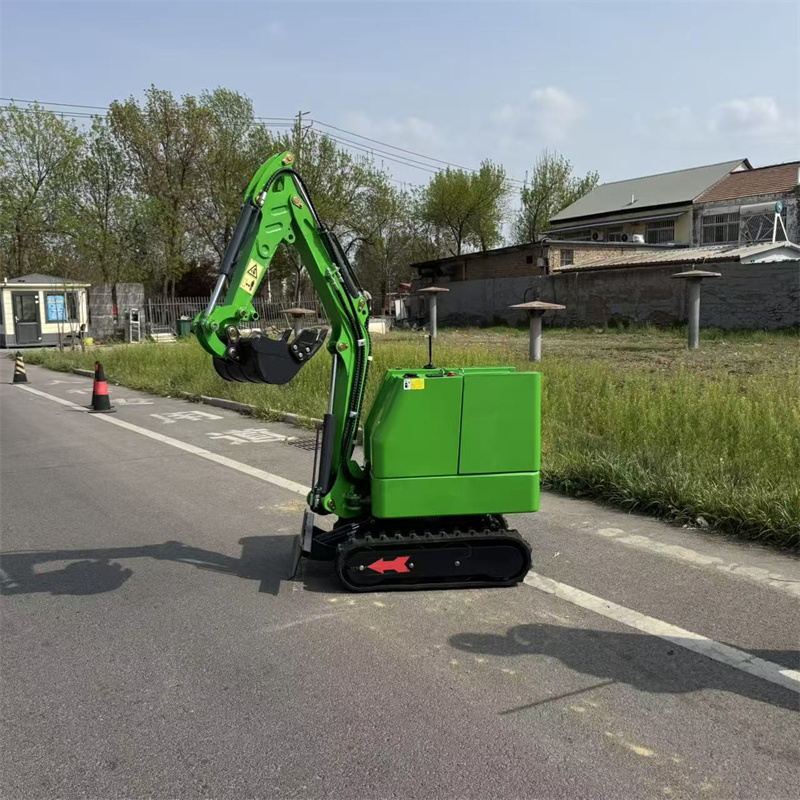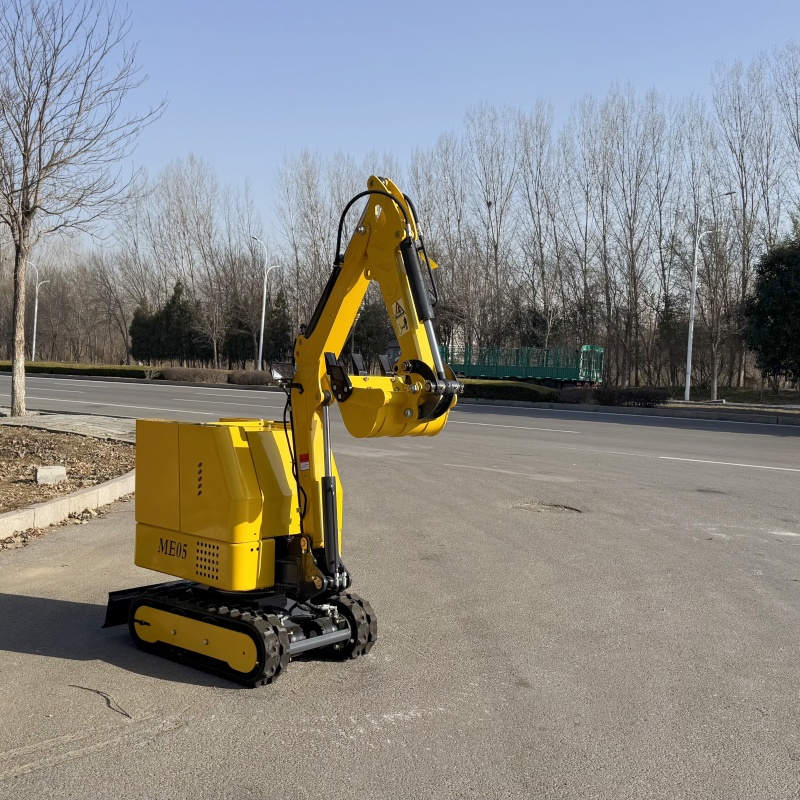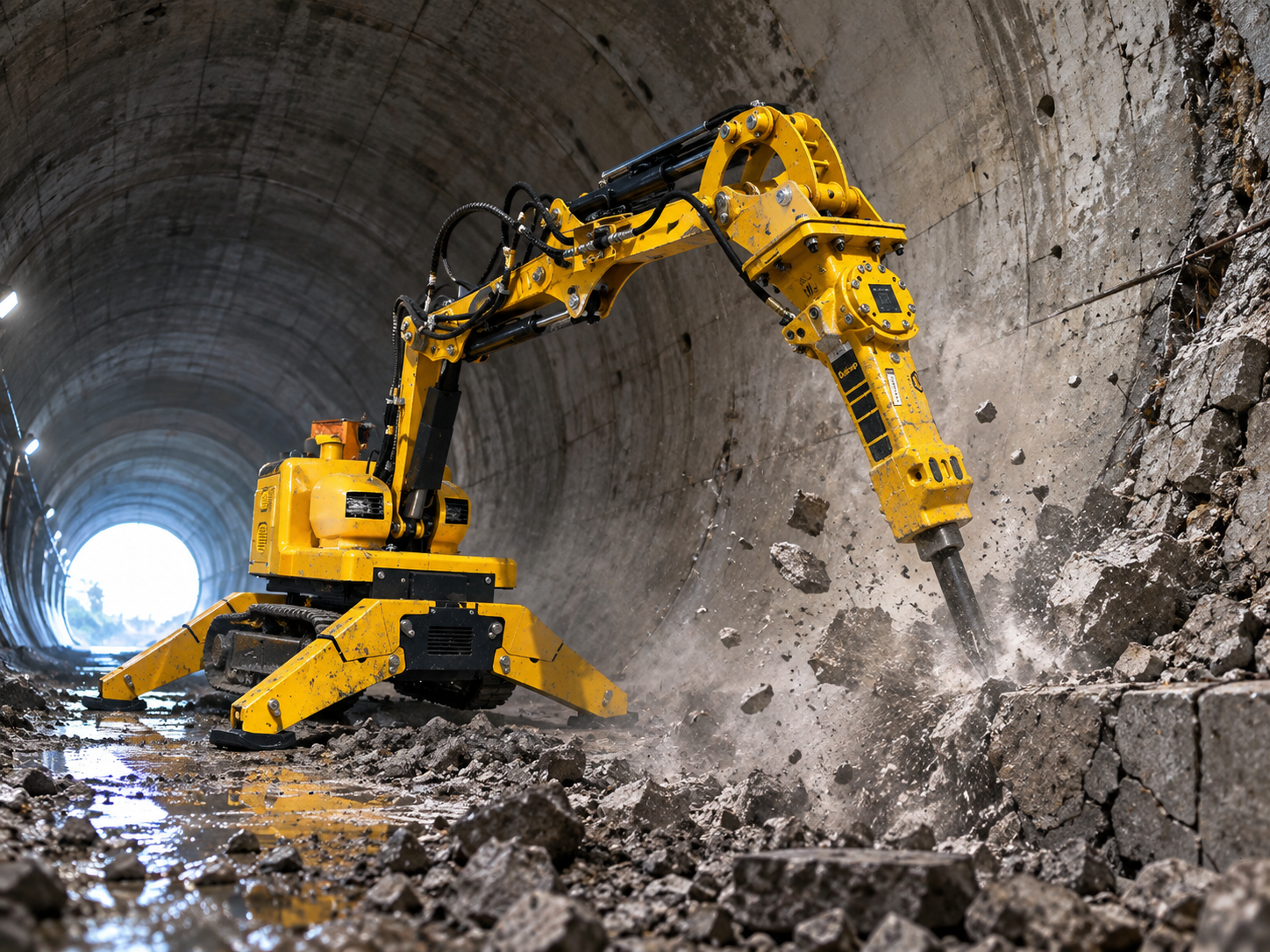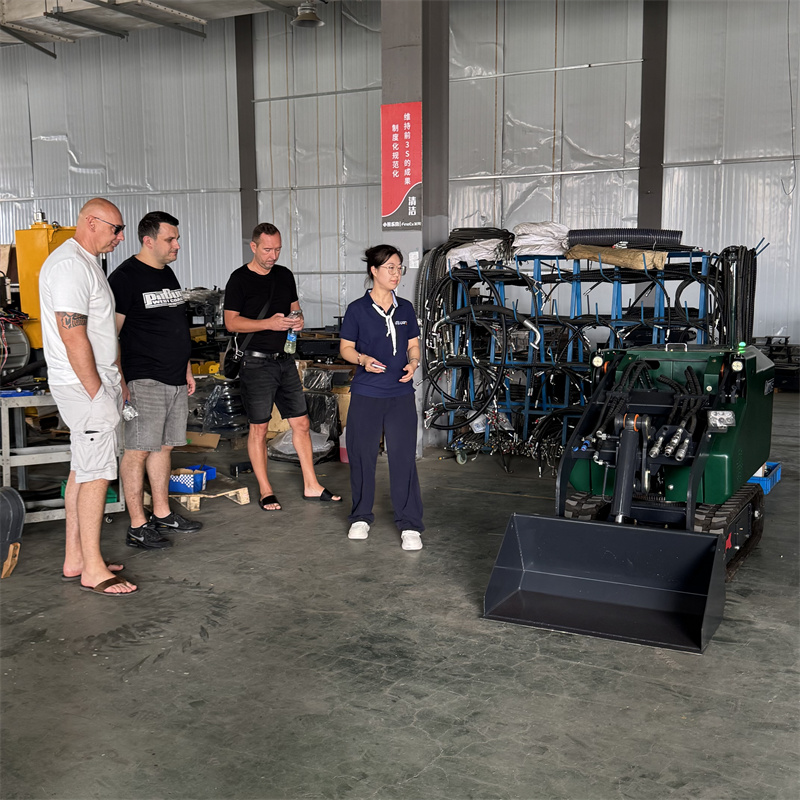
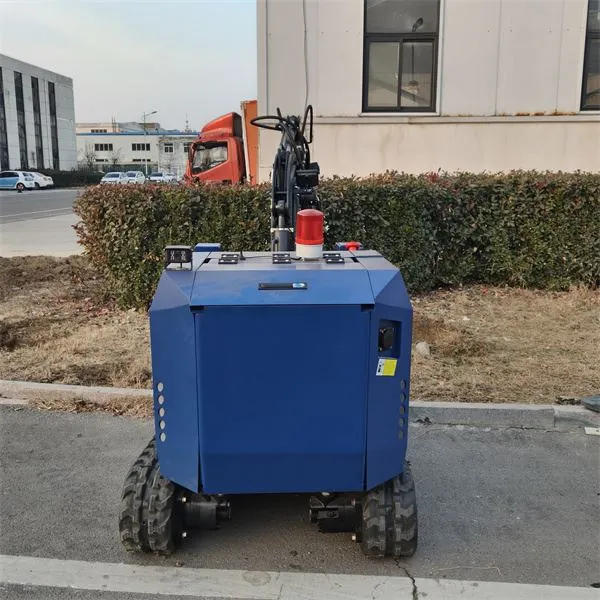
When it comes to the world of construction and excavation, the role of equipment, no matter how small, cannot be overstated. One such piece of equipment that has been making waves in various industries is the 0.8 – ton Mini Excavator. As a proud supplier of this remarkable machine, I am often asked about its maximum reach, and today, I’m going to delve deep into this topic.
Understanding the Basics of a 0.8 – ton Mini Excavator
Before we jump into the maximum reach, let’s first understand what makes a 0.8 – ton Mini Excavator so special. This compact excavator is designed for agility and versatility. Its relatively small size allows it to operate in tight spaces where larger excavators simply can’t fit. These mini – diggers are commonly used in landscaping, small construction projects, agricultural work, and utility installations.
From a technical perspective, a 0.8 – ton Mini Excavator typically comes with a short wheelbase, a well – designed boom and arm system, and a powerful hydraulic system. These components work in harmony to provide the necessary power and flexibility for a wide range of tasks.
Defining Reach in a Mini Excavator
In the context of a mini – excavator, reach refers to the maximum horizontal distance that the bucket or attachment can cover from the center of the excavator’s rotation. It is a critical factor as it determines the area the machine can access without having to re – position itself. Reach is usually measured in two main ways: digging reach and dumping reach.
Digging reach is the furthest distance the bucket can extend while digging into the ground. This is crucial for tasks such as trenching or excavating areas far from the base of the machine. Dumping reach, on the other hand, is the distance the bucket can be extended when it is full of material and ready to be dumped. This is important for tasks like loading trucks or moving excavated material to a specific location.
Factors Affecting the Maximum Reach of a 0.8 – ton Mini Excavator
Several factors come into play when determining the maximum reach of a 0.8 – ton Mini Excavator.
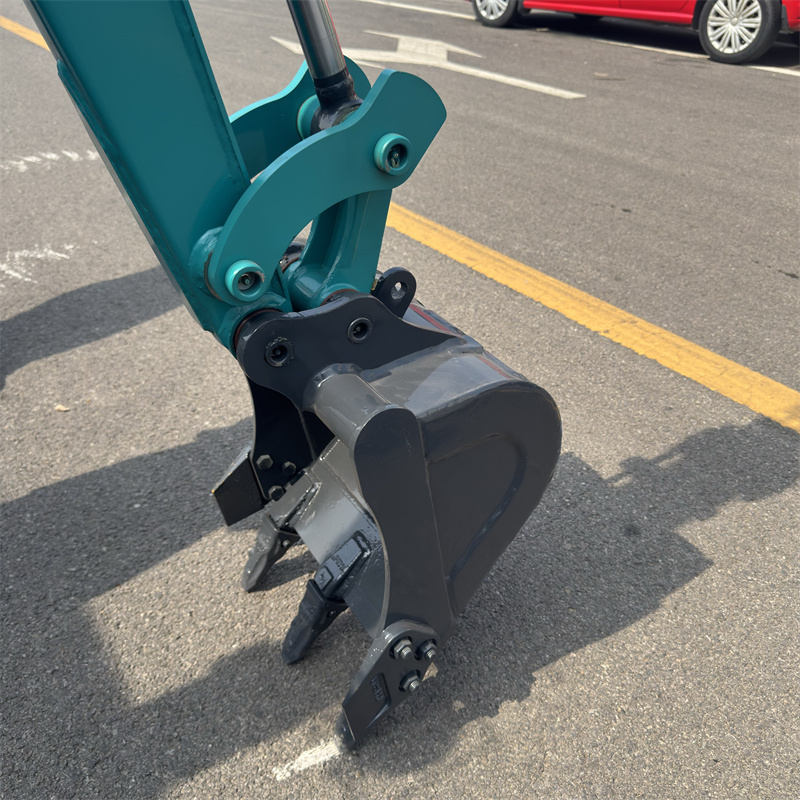
Boom and Arm Design: The length and configuration of the boom and arm are the most significant factors. A longer boom and arm will naturally provide a greater reach. Manufacturers often design the boom and arm to be adjustable to some extent, which allows for a balance between reach and digging force. For example, some models may have a telescopic boom that can be extended when maximum reach is required.
Hydraulic System: The hydraulic system powers the movement of the boom and arm. A high – performance hydraulic system can provide the necessary force to extend the boom and arm to their maximum length smoothly. It also affects the speed at which the reach can be achieved. A well – maintained hydraulic system ensures consistent performance and maximum reach.
Counterweight: The counterweight at the rear of the excavator is essential for stability. A heavier counterweight allows the excavator to maintain balance when the boom and arm are extended to their maximum reach. Without proper counterweight, the excavator may tip over, limiting the safe reach.
Attachment Type: The type of attachment used can also affect the reach. For example, a standard digging bucket may have a different reach compared to a Remote Auger Tree Digger. Some attachments may add extra length, while others may reduce the overall reach due to their design and weight.
Typical Maximum Reach Specifications
On average, a 0.8 – ton Mini Excavator has a maximum digging reach of around 3 – 4 meters. This means that the bucket can extend up to this distance from the center of the machine when digging into the ground. The dumping reach is usually slightly less, typically around 2.5 – 3.5 meters, as the weight of the loaded bucket affects the stability and reach.
However, it’s important to note that these are just general figures. The actual maximum reach can vary depending on the specific model and manufacturer. Some high – end models may offer a slightly greater reach, while others may have a more conservative design for better stability and performance in specific applications.
Real – World Applications of the Maximum Reach
The maximum reach of a 0.8 – ton Mini Excavator has a direct impact on its real – world applications.
In landscaping, the reach allows the excavator to dig irrigation trenches at a distance from the machine, minimizing damage to surrounding plants and structures. It can also be used to place large rocks or boulders in hard – to – reach areas without having to move the excavator frequently.
In small construction projects, such as building foundations or installing utility lines, the reach is crucial for trenching and backfilling. The ability to reach a certain distance from the base of the machine reduces the need for additional equipment or manual labor, increasing efficiency and reducing costs.
For agricultural work, the Mini Excavator 800 kg can be used to dig post holes or clear small areas of land. The reach ensures that the operator can work effectively without having to re – position the machine too often, saving time and effort.
Advantages of a 0.8 – ton Mini Excavator’s Reach
The reach of a 0.8 – ton Mini Excavator offers several advantages. Firstly, it allows for increased productivity. With a greater reach, the operator can cover a larger area in a single position, reducing the time spent on moving the machine. This is especially beneficial in projects with tight deadlines.
Secondly, it provides better access to hard – to – reach areas. In urban environments or areas with limited space, the ability to reach far without moving the machine is a significant advantage. It can be used to work around buildings, fences, or other obstacles.
Finally, the reach enhances safety. By allowing the operator to work from a safe distance, it reduces the risk of accidents, especially in hazardous environments such as near power lines or unstable ground.
Comparing the Reach of Different Models
When considering a 0.8 – ton Mini Excavator, it’s important to compare the reach specifications of different models. Some models may prioritize reach over other features, while others may offer a more balanced design.
For example, the Remote Controlled Mini Digger may have a slightly different reach compared to a standard manual – controlled model. Remote – controlled models often offer greater flexibility in terms of operation, but the reach may be affected by the design of the control system and the overall structure of the machine.
Maintenance and Reach
Proper maintenance is essential for ensuring the maximum reach of a 0.8 – ton Mini Excavator. Regular maintenance of the hydraulic system, boom, and arm components is crucial. This includes checking for leaks, lubricating moving parts, and inspecting the structural integrity of the boom and arm.
A well – maintained excavator will not only have a consistent maximum reach but will also perform better in terms of digging force and overall efficiency. Neglecting maintenance can lead to a decrease in reach, as well as other performance issues.
Conclusion
In conclusion, the maximum reach of a 0.8 – ton Mini Excavator is a critical factor that determines its usability and effectiveness in various applications. With an average digging reach of 3 – 4 meters and a dumping reach of 2.5 – 3.5 meters, these mini – excavators offer a good balance between reach and stability.
As a supplier, I am committed to providing high – quality 0.8 – ton Mini Excavators that meet the needs of our customers. If you are interested in learning more about our products or have any questions regarding the maximum reach or other specifications, please don’t hesitate to contact us for procurement and further discussions.
References
Construction Equipment Handbook, 2023 Edition
Mini Excavator Technical Manuals from Leading Manufacturers