As a supplier of 2.5 Ton Mini Excavators, I often get asked about the maximum working radius of these machines when equipped with specific attachments. In this blog post, I’ll delve into this topic, providing you with a comprehensive understanding of how the working radius is determined and what factors can influence it.
Understanding the Basics of a 2.5 Ton Mini Excavator
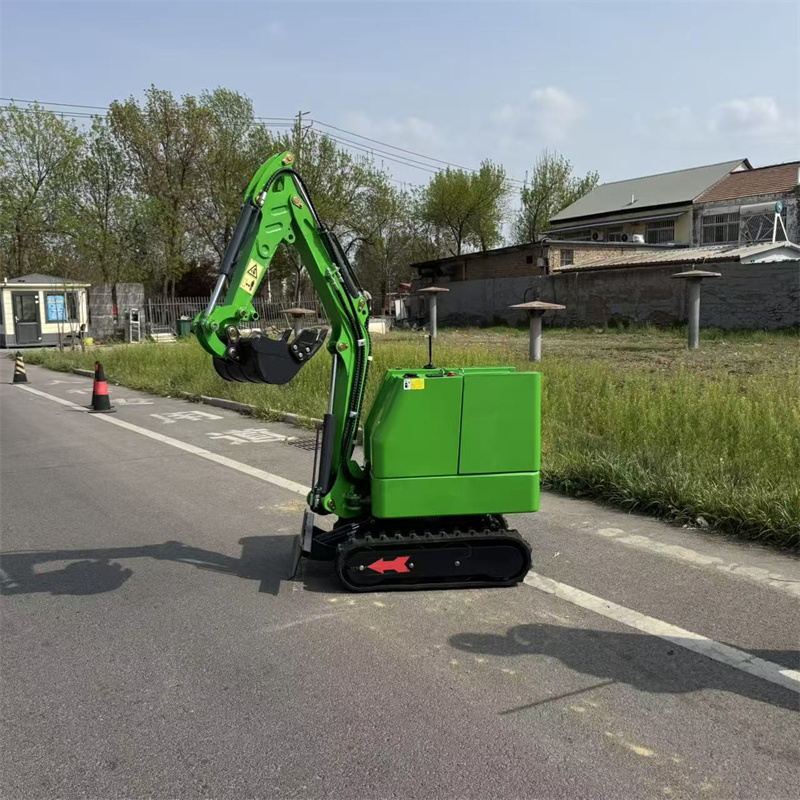
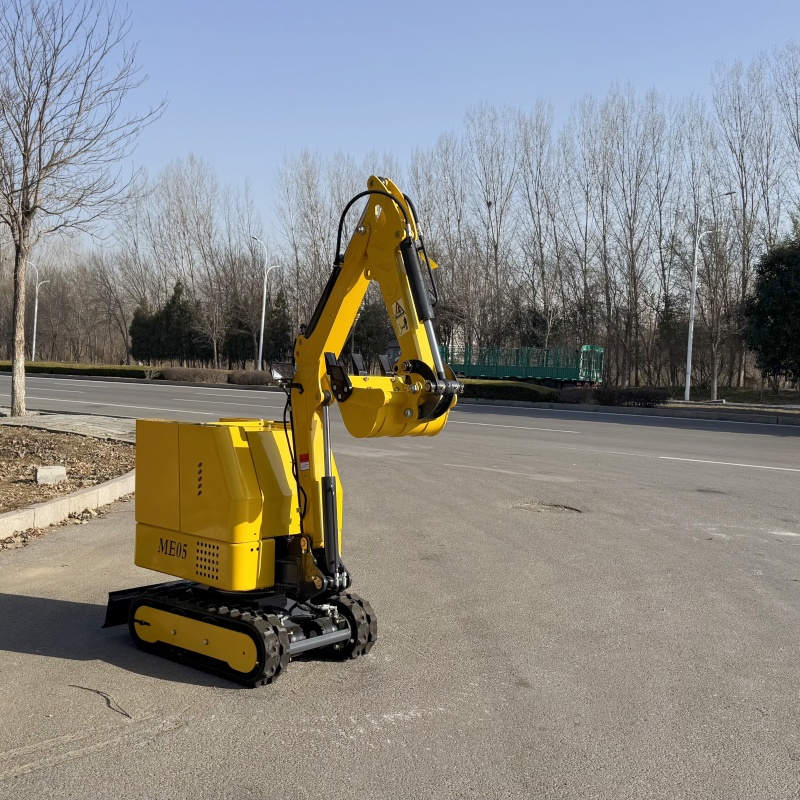
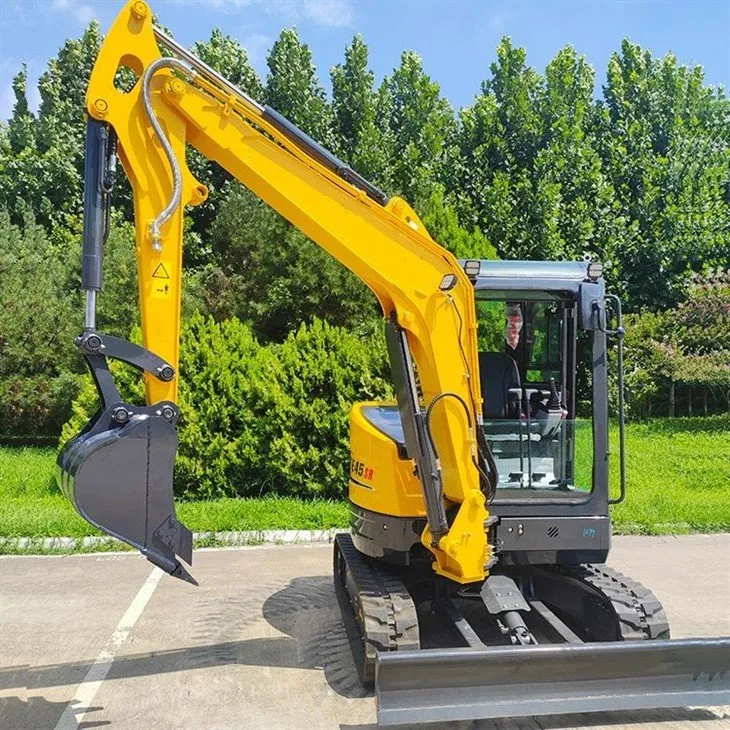
Before we discuss the working radius, let’s briefly go over the basics of a 2.5 Ton Mini Excavator. These compact machines are designed for a variety of tasks, including digging, trenching, and material handling. They are highly maneuverable and can access tight spaces where larger excavators cannot. The 2.5 Ton Mini Excavator is a popular choice for construction sites, landscaping projects, and utility work. You can find more information about our 2.5 Ton Mini Excavator on our website.
What is Working Radius?
The working radius of an excavator refers to the maximum horizontal distance from the center of the machine’s rotation to the end of the attachment. It is an important specification as it determines the area that the excavator can reach without having to reposition itself. A larger working radius allows the operator to cover more ground and complete tasks more efficiently.
Factors Affecting the Maximum Working Radius
Several factors can affect the maximum working radius of a 2.5 Ton Mini Excavator with a specific attachment. Let’s take a closer look at these factors:
1. Boom and Arm Design
The length and design of the boom and arm play a significant role in determining the working radius. Longer booms and arms generally result in a larger working radius. However, it’s important to note that increasing the length of the boom and arm can also affect the machine’s stability and lifting capacity. Our engineers carefully design the boom and arm of our 2.5 Ton Mini Excavators to optimize the working radius while maintaining stability and performance.
2. Attachment Type
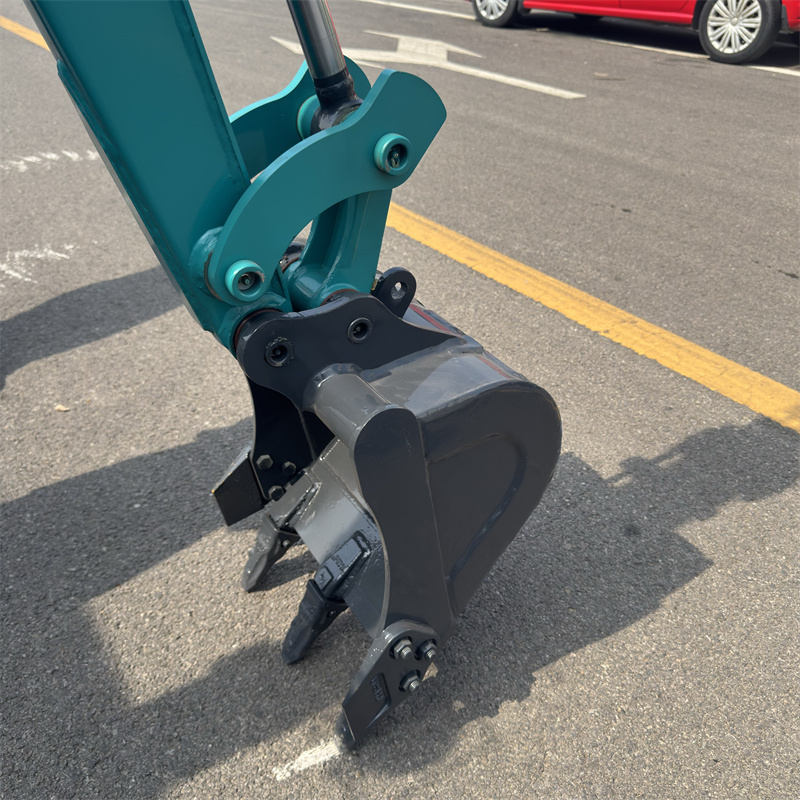
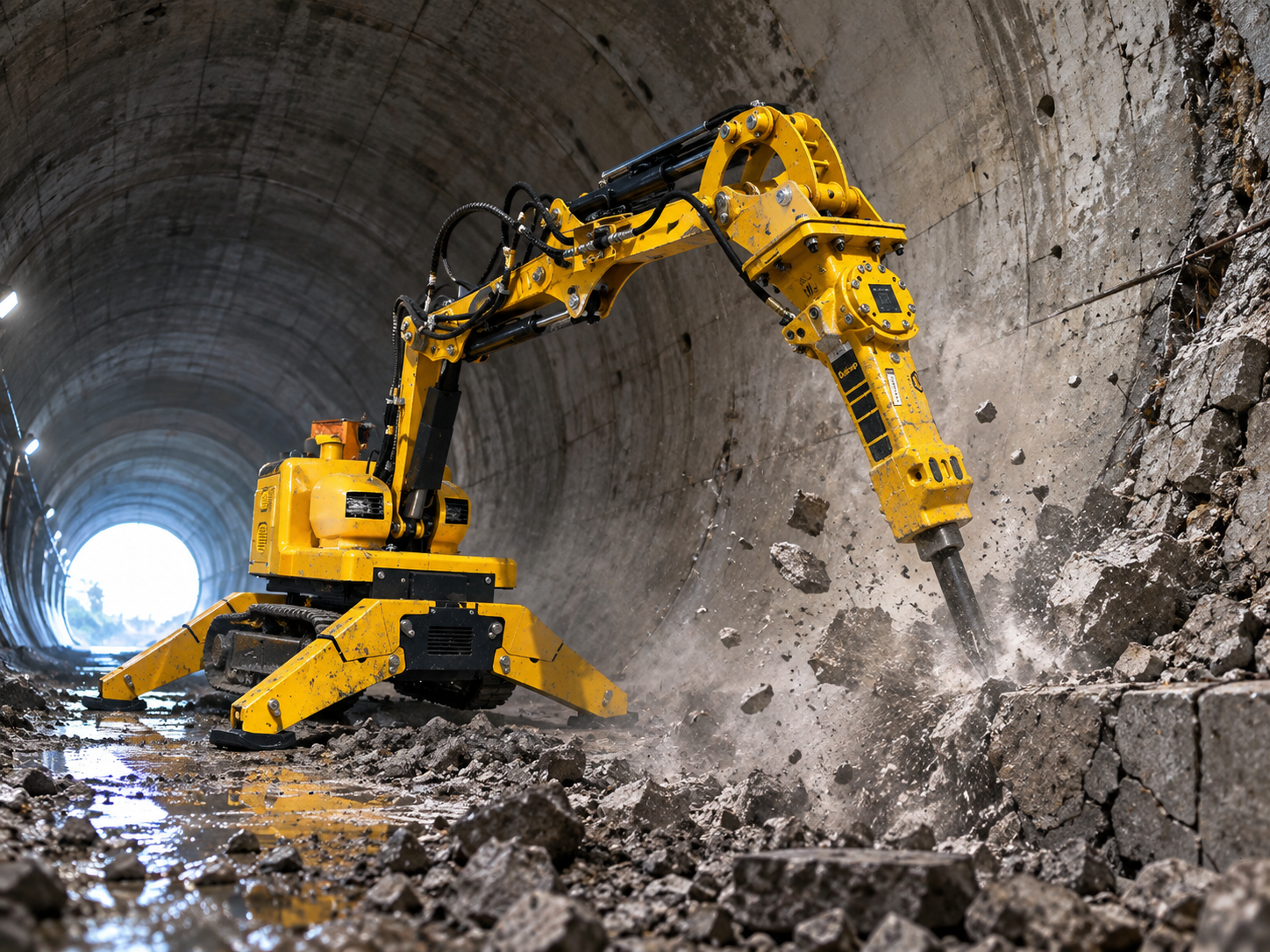
Different attachments have different lengths and geometries, which can impact the working radius. For example, a standard digging bucket may have a different working radius compared to a hydraulic breaker or a grapple. When selecting an attachment, it’s important to consider its impact on the overall working radius of the excavator. You can explore our range of attachments for Earthmoving Machinery Mini Excavator on our website.
3. Machine Configuration
The configuration of the excavator, including the position of the counterweight and the angle of the boom and arm, can also affect the working radius. For example, extending the boom and arm to their maximum length while keeping the machine level can result in the maximum working radius. However, this may not always be practical or safe, depending on the task at hand.
4. Ground Conditions
The condition of the ground on which the excavator is operating can also have an impact on the working radius. Uneven or soft ground can affect the machine’s stability, which may limit the maximum working radius. In such cases, it may be necessary to take additional precautions or adjust the machine’s configuration to ensure safe operation.
Determining the Maximum Working Radius
To determine the maximum working radius of a 2.5 Ton Mini Excavator with a specific attachment, it’s best to refer to the manufacturer’s specifications. These specifications typically provide detailed information about the working radius at different boom and arm positions, as well as with different attachments. Our product documentation includes comprehensive information about the working radius of our 2.5 Ton Mini Excavators, allowing you to make an informed decision when selecting a machine and attachment for your project.
Comparing with Other Mini Excavators
It’s also useful to compare the working radius of our 2.5 Ton Mini Excavator with other models in the market. For example, a 3.5 Ton Mini Excavator may have a larger working radius due to its larger size and more powerful engine. However, the 2.5 Ton Mini Excavator offers a good balance between working radius and maneuverability, making it a popular choice for many applications.
Practical Applications
The maximum working radius of a 2.5 Ton Mini Excavator with a specific attachment can have a significant impact on its practical applications. Here are some examples:
1. Digging and Trenching
In digging and trenching applications, a larger working radius allows the operator to dig deeper and wider trenches without having to reposition the machine frequently. This can save time and increase productivity, especially on larger projects.
2. Material Handling
When using a grapple or other material handling attachments, the working radius determines the distance from which the excavator can pick up and place materials. A larger working radius allows the operator to reach materials that are further away, reducing the need for additional equipment or manual labor.
3. Landscaping
In landscaping projects, the working radius of the excavator can be used to shape the terrain, move soil, and install features such as retaining walls and water features. A larger working radius allows the operator to cover a larger area and create more complex designs.
Importance of Choosing the Right Attachment
Choosing the right attachment for your 2.5 Ton Mini Excavator is crucial to achieving the maximum working radius and optimizing the machine’s performance. Here are some tips to help you choose the right attachment:
1. Consider the Application
Think about the specific tasks you need to perform with the excavator. Different attachments are designed for different applications, so choose one that is suitable for your project.
2. Match the Attachment to the Machine
Make sure the attachment is compatible with your 2.5 Ton Mini Excavator. Consider factors such as the attachment’s weight, size, and hydraulic requirements.
3. Evaluate the Working Radius
When comparing different attachments, pay attention to their impact on the working radius. Choose an attachment that provides the maximum working radius for your specific needs.
Conclusion
In conclusion, the maximum working radius of a 2.5 Ton Mini Excavator with a specific attachment is an important specification that can have a significant impact on its performance and practical applications. By understanding the factors that affect the working radius and choosing the right machine and attachment for your project, you can ensure efficient and safe operation. If you have any questions or need further information about our 2.5 Ton Mini Excavators or attachments, please don’t hesitate to contact us. We are here to help you find the best solution for your needs.
References
Manufacturer’s product documentation for 2.5 Ton Mini Excavators
Industry standards and guidelines for mini excavator operation
Case studies and practical applications of mini excavators in construction and landscaping projects