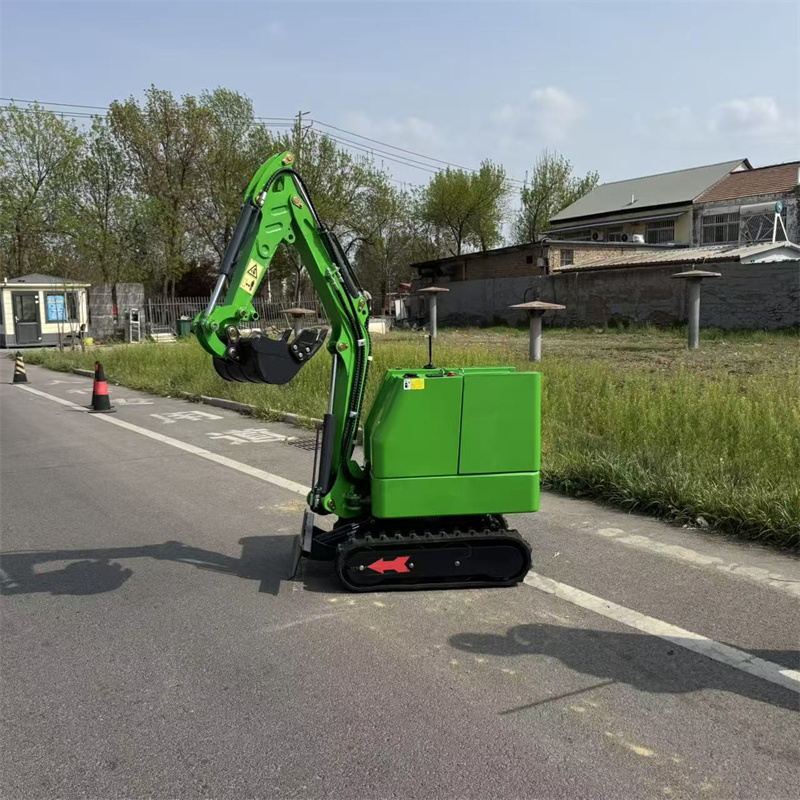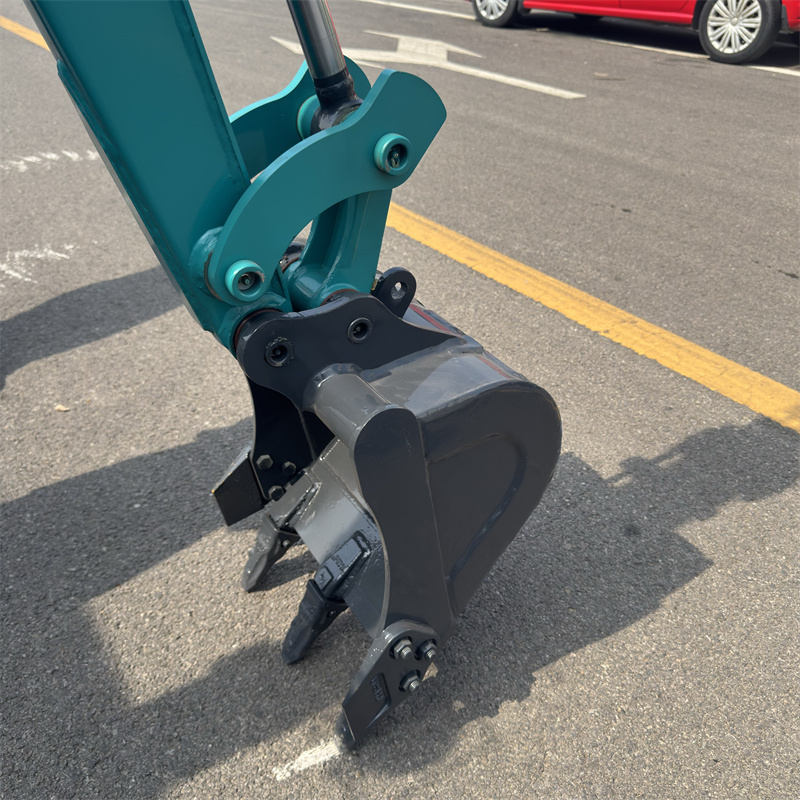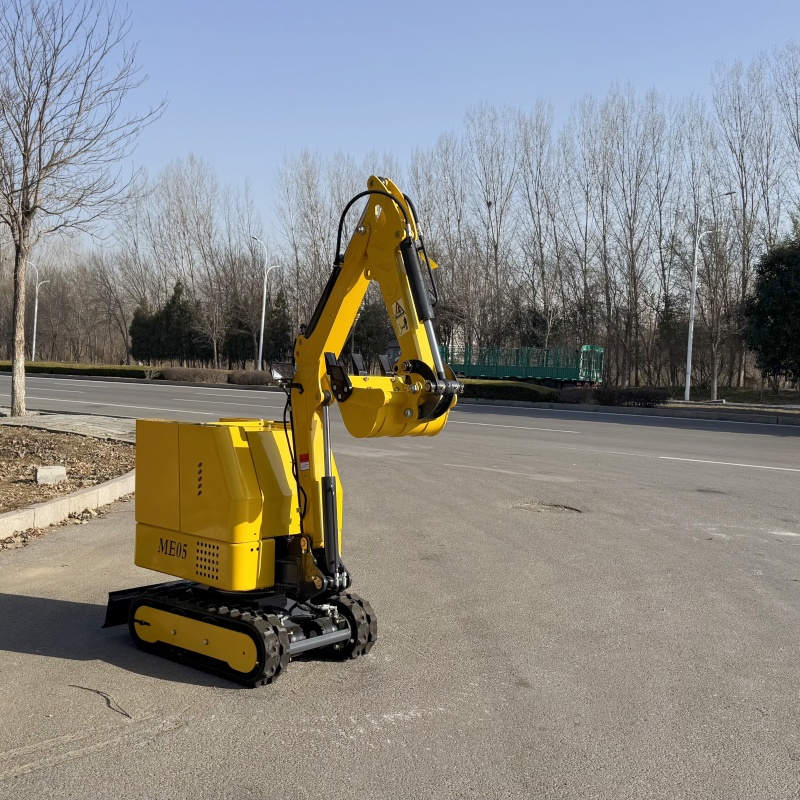
When it comes to the world of construction and excavation, mini excavators have emerged as indispensable tools, especially for projects in confined spaces. As a leading supplier of Mini Excavator Digging, I often encounter inquiries about the minimum turning radius of these compact yet powerful machines during digging operations. In this blog post, I will delve into the concept of the minimum turning radius, its significance in mini excavator operations, and the factors that influence it.
Understanding the Minimum Turning Radius
The minimum turning radius of a mini excavator refers to the smallest circular path that the machine can make while in operation. It is a critical parameter that determines the maneuverability of the excavator, especially in tight spaces. A smaller turning radius allows the excavator to navigate around obstacles, work in confined areas, and perform tasks with greater precision.
To visualize the minimum turning radius, imagine a mini excavator making a complete turn on a flat surface. The radius of the circle formed by the outermost point of the excavator’s swing is the minimum turning radius. This measurement is typically taken from the center of the excavator’s rotation to the farthest point on the machine’s body.
Significance of the Minimum Turning Radius in Digging Operations
In digging operations, the minimum turning radius plays a crucial role in determining the efficiency and effectiveness of the mini excavator. Here are some key reasons why the minimum turning radius is important:
1. Maneuverability in Confined Spaces
One of the primary advantages of mini excavators is their ability to work in tight spaces where larger excavators cannot reach. A small turning radius allows the mini excavator to navigate through narrow alleys, between buildings, and around obstacles with ease. This makes it ideal for urban construction projects, landscaping, and utility work.
2. Precision Digging
The ability to make tight turns is essential for precise digging operations. A mini excavator with a small turning radius can position itself accurately in relation to the digging area, allowing for more precise control of the digging bucket. This is particularly important when working on projects that require high levels of accuracy, such as trenching, foundation excavation, and landscaping.
3. Reduced Site Disturbance
A smaller turning radius means that the mini excavator can complete its tasks with less movement and disruption to the surrounding area. This is beneficial for projects that are located in sensitive environments or areas with limited space. By minimizing the amount of space required for turning, the mini excavator can reduce the impact on the site and minimize the need for additional site preparation.
Factors Affecting the Minimum Turning Radius
The minimum turning radius of a mini excavator is influenced by several factors, including the design of the machine, the size of the excavator, and the type of attachments being used. Here are some of the key factors that can affect the minimum turning radius:
1. Excavator Design
The design of the mini excavator plays a significant role in determining its turning radius. Some mini excavators are designed with a zero-tail swing or reduced-tail swing configuration, which allows the machine to rotate within its own footprint. This design feature significantly reduces the turning radius and makes the excavator more maneuverable in tight spaces.
2. Size of the Excavator
The size of the mini excavator also affects its turning radius. Generally, smaller mini excavators have a smaller turning radius than larger ones. This is because smaller machines have a shorter wheelbase and a more compact design, which allows them to make tighter turns.
3. Type of Attachments
The type of attachments being used on the mini excavator can also impact its turning radius. For example, a larger digging bucket or a long-reach arm can increase the overall length of the excavator, which in turn increases the turning radius. It is important to consider the size and weight of the attachments when selecting a mini excavator and to ensure that the machine’s turning radius is suitable for the intended application.
4. Ground Conditions
The ground conditions at the worksite can also affect the minimum turning radius of the mini excavator. Soft or uneven ground can make it more difficult for the machine to turn, which may increase the turning radius. In contrast, hard and level ground provides better traction and allows the excavator to make tighter turns.
Minimum Turning Radius of a 1.5 Ton Mini Excavator
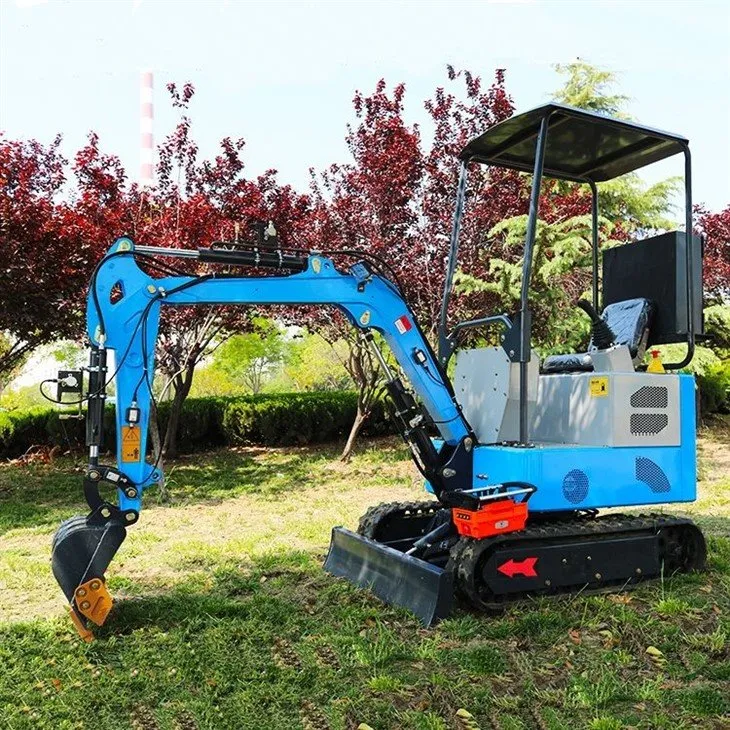
As a supplier of 1.5 Ton Mini Excavator, I often receive questions about the minimum turning radius of these machines. The minimum turning radius of a 1.5 ton mini excavator can vary depending on the specific model and manufacturer. However, on average, a 1.5 ton mini excavator has a minimum turning radius of around 1.5 to 2 meters.
It is important to note that the minimum turning radius can be affected by the factors mentioned above, such as the design of the machine, the type of attachments being used, and the ground conditions. Therefore, it is always recommended to consult the manufacturer’s specifications for the exact minimum turning radius of a particular mini excavator model.
Crawler Electric Excavator and the Minimum Turning Radius
In recent years, there has been a growing trend towards the use of Crawler Electric Excavator in the construction industry. These excavators offer several advantages over traditional diesel-powered excavators, including lower emissions, reduced noise levels, and lower operating costs.
When it comes to the minimum turning radius, crawler electric excavators generally have similar performance to their diesel-powered counterparts. However, the design of the electric motor and the battery pack can sometimes affect the overall weight and balance of the machine, which may have a minor impact on the turning radius.
It is important to note that the minimum turning radius of a crawler electric excavator can also be influenced by the same factors as a diesel-powered excavator, such as the design of the machine, the size of the excavator, and the type of attachments being used. Therefore, it is always recommended to consider the specific requirements of your project and consult the manufacturer’s specifications when selecting a crawler electric excavator.
Tips for Optimizing the Minimum Turning Radius in Digging Operations
To make the most of the minimum turning radius of your mini excavator, here are some tips to keep in mind:
1. Choose the Right Machine
Select a mini excavator with a small turning radius that is suitable for the specific requirements of your project. Consider the size of the worksite, the type of tasks you need to perform, and the level of precision required.
2. Use the Right Attachments
Choose attachments that are compatible with your mini excavator and that do not significantly increase the overall length or weight of the machine. This will help to maintain the machine’s maneuverability and minimize the turning radius.
3. Plan Your Workspace
Before starting the digging operation, take the time to plan the workspace and identify any potential obstacles or hazards. This will help you to position the mini excavator in the most efficient way possible and minimize the need for unnecessary turning.
4. Train Your Operators
Ensure that your operators are properly trained in the operation of the mini excavator and are familiar with its turning capabilities. A skilled operator can make the most of the machine’s turning radius and perform tasks with greater precision and efficiency.
Conclusion
The minimum turning radius is a critical parameter that determines the maneuverability and effectiveness of a mini excavator in digging operations. A small turning radius allows the mini excavator to navigate through tight spaces, perform precise digging tasks, and reduce site disturbance. By understanding the factors that affect the minimum turning radius and following the tips outlined in this blog post, you can optimize the performance of your mini excavator and achieve better results in your digging operations.
If you are in the market for a mini excavator or have any questions about the minimum turning radius, please do not hesitate to contact us. As a leading supplier of Mini Excavator Digging, we have a wide range of mini excavators to choose from, including 1.5 Ton Mini Excavator and Crawler Electric Excavator. Our team of experts can help you select the right machine for your specific needs and provide you with the support and guidance you need to get the most out of your investment. Contact us today to learn more!
References
[Insert relevant industry publications, manufacturer specifications, or research studies here]