What is the noise level of a mini excavator?
As a supplier of mini excavators, I often get asked about the noise levels of these compact yet powerful machines. Understanding the noise level of a mini excavator is crucial for various reasons, including operator comfort, compliance with noise regulations, and minimizing the impact on the surrounding environment.
Factors Affecting the Noise Level of Mini Excavators
The noise level of a mini excavator can be influenced by several factors. First and foremost is the engine type. Traditional diesel – powered mini excavators tend to be louder compared to their battery – electric counterparts. Diesel engines operate through a compression – ignition process, which produces a significant amount of noise due to the rapid combustion of fuel in the cylinders. On the other hand, Battery Electric Forklift Truck technology is much quieter. Electric motors run smoothly and generate less mechanical noise, making them a great option for noise – sensitive areas such as urban construction sites or residential neighborhoods.
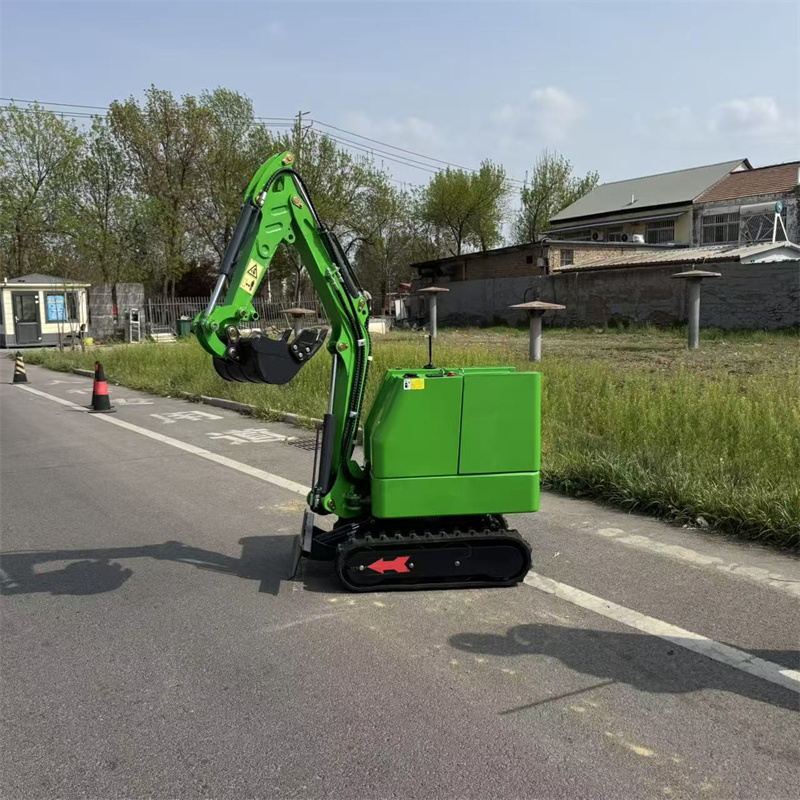
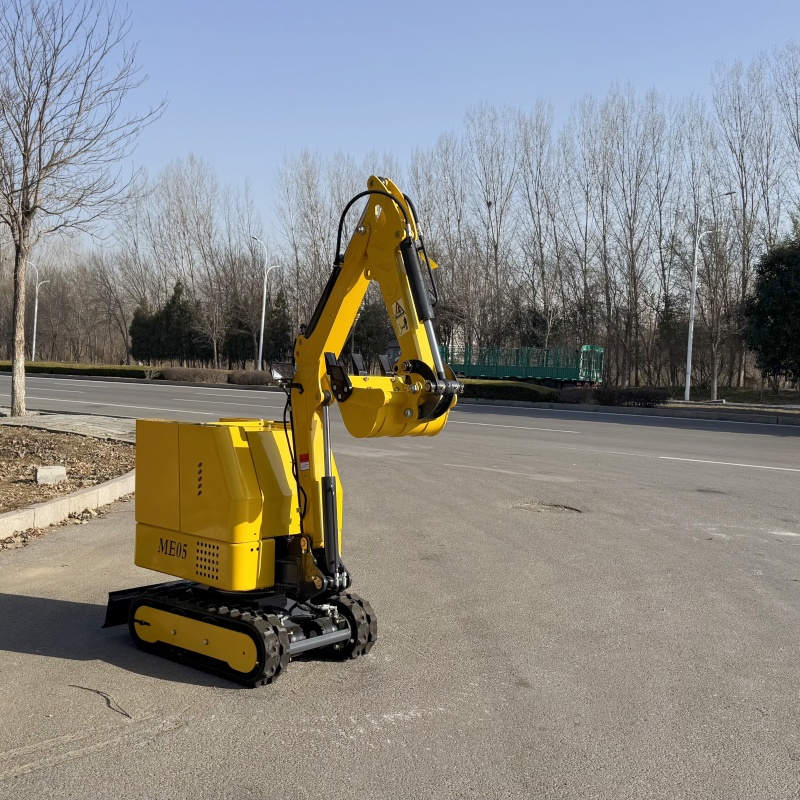
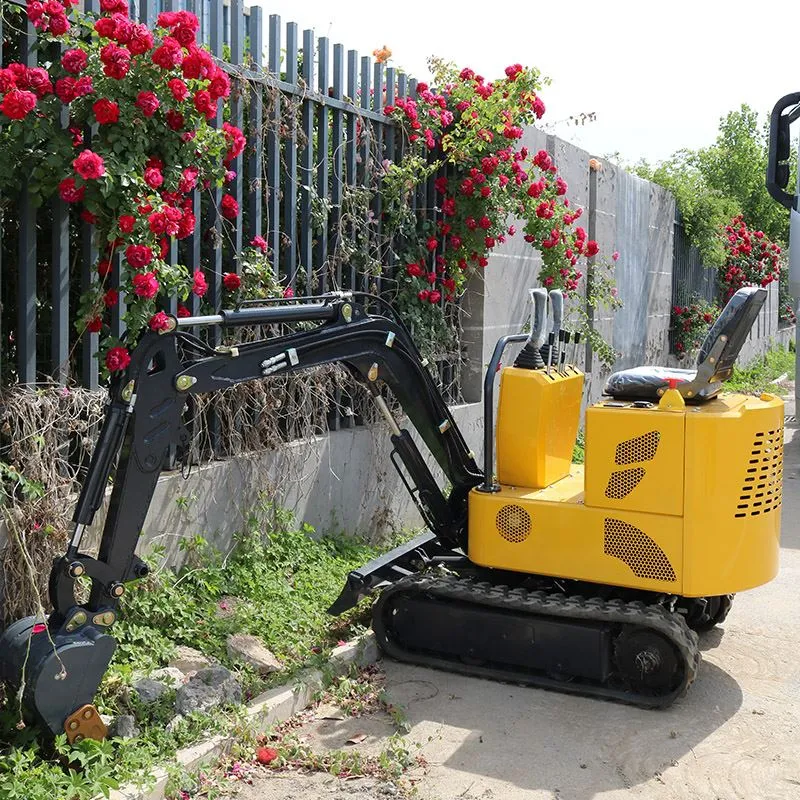
The size and power of the mini excavator also play a role. Larger and more powerful mini excavators usually have bigger engines or motors, which can result in higher noise levels. However, advancements in engineering have allowed manufacturers to design more efficient and quieter machines even in the higher – power categories. For example, our ME10 Mini Farm Garden Home Hydraulic Excavator With CE EPA is engineered to balance power and noise, ensuring that it can handle tough tasks without creating an excessive racket.
Another factor is the working conditions. When a mini excavator is operating at full throttle, digging through hard soil or rock, the noise level will be higher compared to when it is idling or performing light – duty tasks. The wear and tear of the machine can also increase noise. Components such as the hydraulic pumps, tracks, and engine belts may produce more noise if they are not properly maintained. Regular maintenance, including lubrication, tightening of loose parts, and replacement of worn – out components, can help keep the noise level in check.
Measuring the Noise Level of Mini Excavators
The noise level of mini excavators is typically measured in decibels (dB). A decibel is a unit used to express the intensity of a sound. The average human can start to perceive sound at around 0 dB, and normal conversation is usually around 60 dB. For mini excavators, the noise level can range from approximately 70 dB to over 100 dB, depending on the factors mentioned above.
Manufacturers are required to provide noise level data for their machines. This information is often available in the product specifications. When measuring the noise level, standard testing procedures are followed. These procedures usually involve placing microphones at specific distances and angles from the machine while it is operating under defined conditions. This ensures that the noise level measurements are consistent and comparable across different models and manufacturers.
The Importance of Low – Noise Mini Excavators
Low – noise mini excavators are becoming increasingly important in today’s construction and landscaping industries. In urban areas, noise pollution is a major concern. Local authorities often have strict noise regulations in place to protect the quality of life for residents. Using a low – noise mini excavator can help contractors avoid fines and legal issues. It also allows for work to be carried out during more hours of the day, as there is less disruption to the surrounding community.
For operators, a quieter machine means a more comfortable working environment. Prolonged exposure to high – level noise can lead to hearing loss and other health problems. By using a mini excavator with a lower noise level, operators can reduce their risk of noise – induced hearing damage. Additionally, a quieter machine allows for better communication on the job site, which can improve safety and efficiency.
In some applications, such as working in hospitals, schools, or historical sites, the need for a low – noise machine is even more critical. These areas require a high level of quietness to ensure that normal activities are not disrupted. Our Lithium Battery Remote Control Snow Plow is an example of a quiet – operating machine that can be used in such sensitive environments.
Our Solutions for Low – Noise Mini Excavators
As a supplier, we are committed to providing our customers with mini excavators that offer a good balance between performance and noise level. We offer a range of battery – electric mini excavators that are significantly quieter than traditional diesel models. These electric machines are powered by advanced lithium – ion batteries, which not only reduce noise but also offer zero emissions, making them an environmentally friendly choice.
Our engineering team continuously works on improving the design of our mini excavators to minimize noise. We use high – quality sound – insulating materials in the engine compartments and hydraulic systems to absorb and dampen noise. Additionally, we optimize the layout of the components to reduce vibration, which is a major source of noise in machinery.
We also provide comprehensive maintenance services to our customers. Our technicians are trained to identify and address any potential noise – related issues. By keeping the machines in top – notch condition, we ensure that they continue to operate quietly and efficiently throughout their lifespan.
Conclusion
In conclusion, the noise level of a mini excavator is an important consideration for both operators and the surrounding environment. Factors such as engine type, size, power, and working conditions can all affect the noise level. Measuring the noise level in decibels allows for a standardized comparison between different machines. Low – noise mini excavators offer numerous benefits, including compliance with regulations, operator comfort, and reduced environmental impact.
As a leading supplier of mini excavators, we are dedicated to providing high – quality, low – noise machines. Our range of products, including battery – electric models and well – engineered hydraulic excavators, are designed to meet the diverse needs of our customers. If you are interested in learning more about our mini excavators or have any questions regarding noise levels and other features, we encourage you to contact us for a detailed discussion and to start the procurement process. We look forward to working with you to find the perfect mini excavator solution for your projects.
References
Construction Equipment Noise Standards and Regulations, Department of Environmental Protection, [Year of publication]
Engineering Principles for Noise Reduction in Machinery, Journal of Mechanical Engineering, [Year of publication]
Impact of Noise on Operator Health, Occupational Health and Safety Journal, [Year of publication]