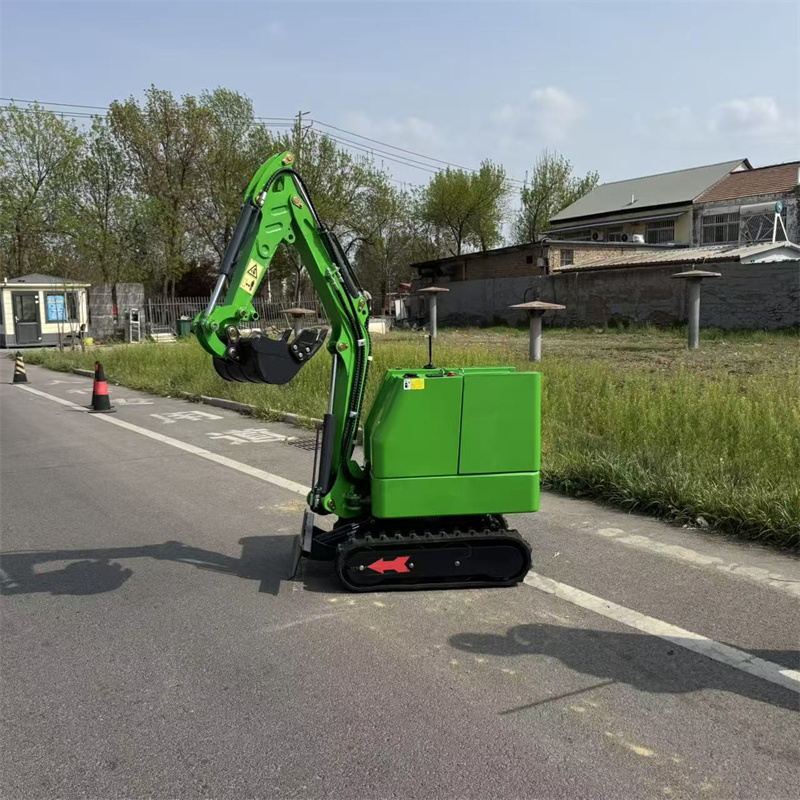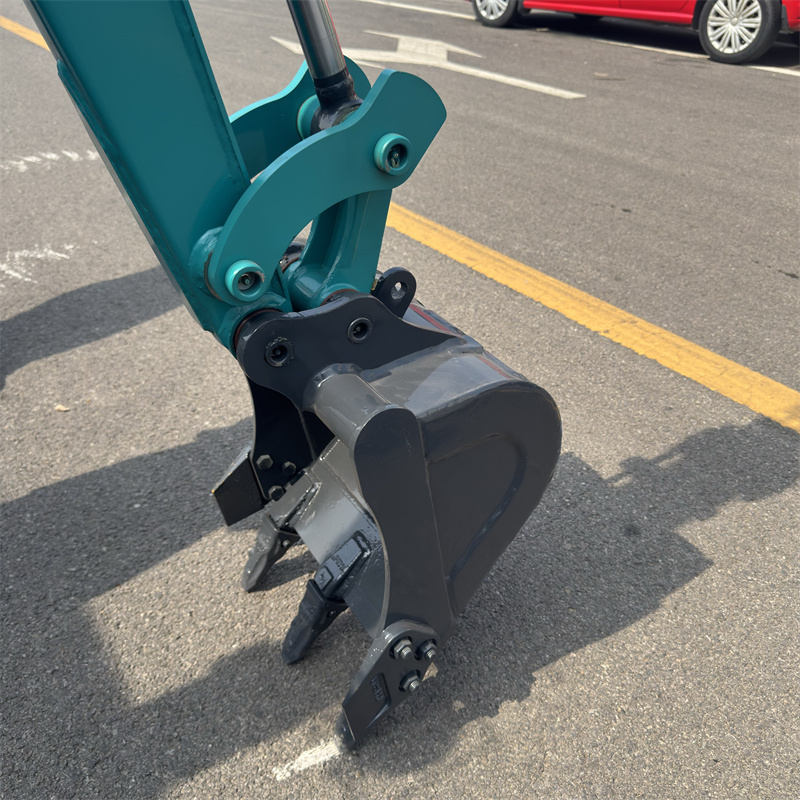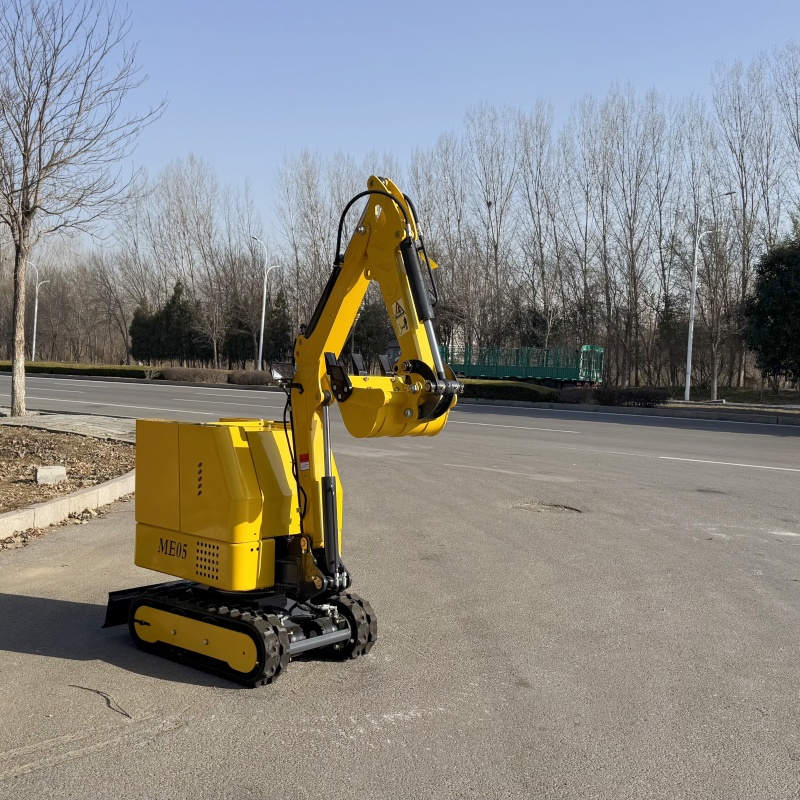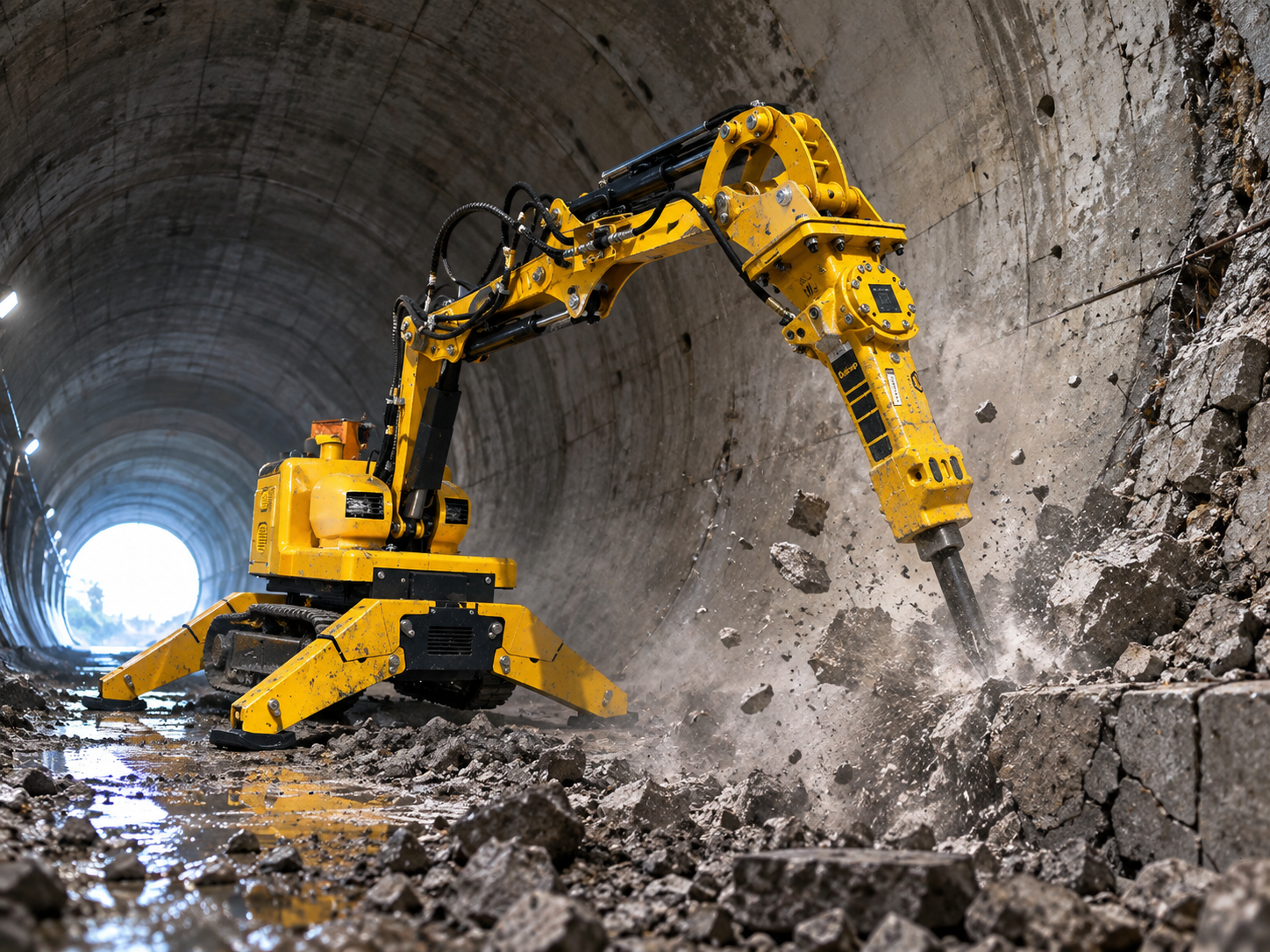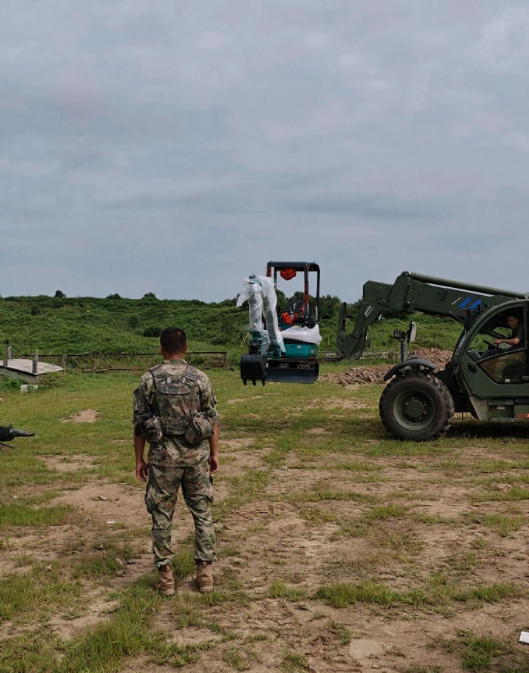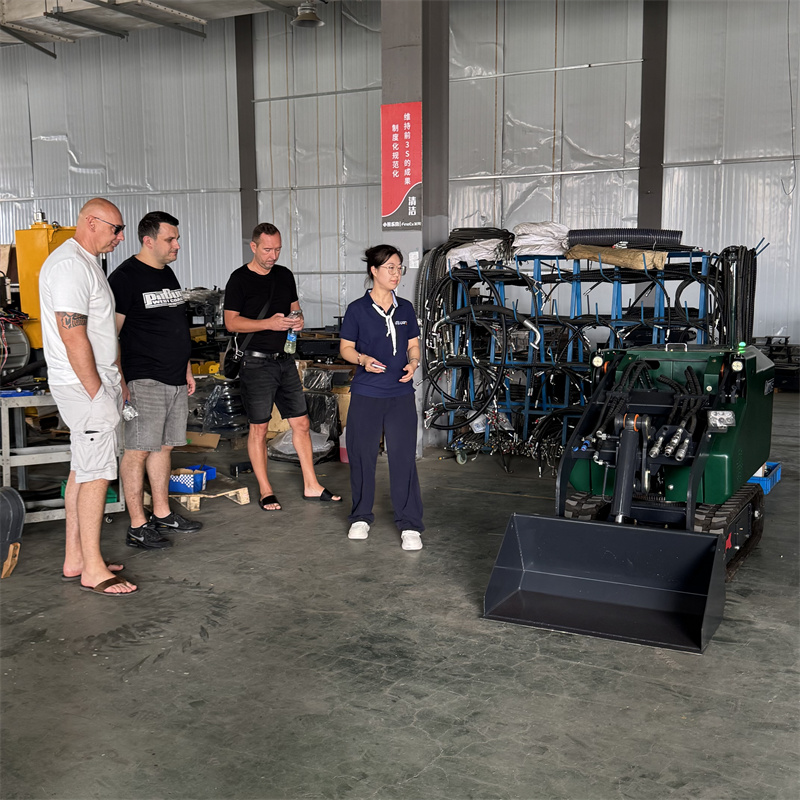
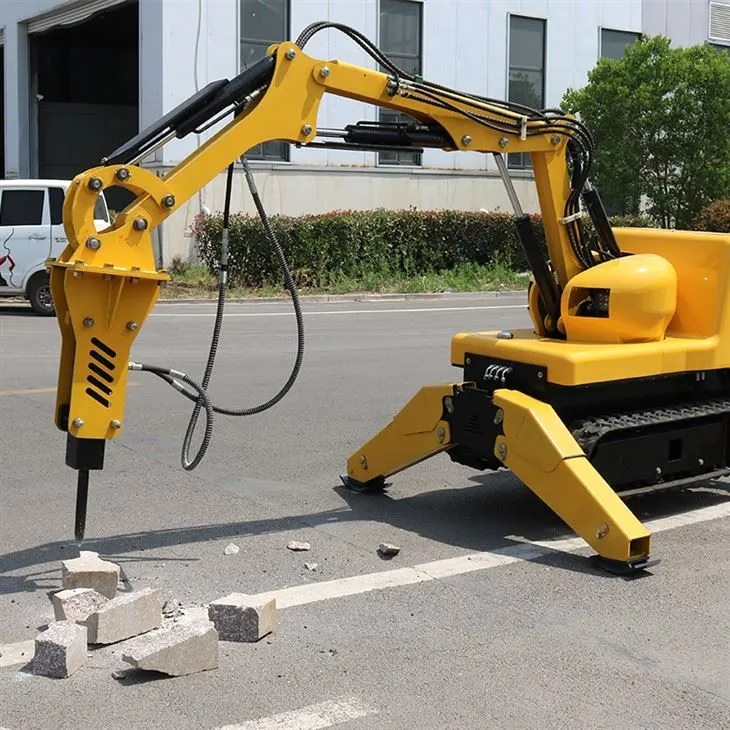
As a supplier of Rc Mining Excavators, I often receive inquiries from customers about various aspects of our products. One question that comes up quite frequently is: “What is the noise level of an Rc Mining Excavator?” In this blog post, I’ll delve into this topic in detail, providing you with a comprehensive understanding of the noise levels associated with these remarkable machines.
Understanding the Factors Affecting Noise Levels
The noise level of an Rc Mining Excavator can be influenced by several factors. First and foremost is the type of engine or power source. Excavators powered by internal combustion engines, such as diesel engines, tend to produce more noise compared to those with electric motors. Diesel engines operate through a series of controlled explosions, which generate significant vibrations and sound waves. These engines are designed to deliver high torque and power, but this comes at the cost of increased noise production.
On the other hand, electric Rc Mining Excavators are generally much quieter. Electric motors convert electrical energy into mechanical energy with fewer moving parts and less internal combustion. As a result, they produce less noise and vibration. This makes electric excavators an ideal choice for applications where noise reduction is a priority, such as indoor mining operations or areas with strict noise regulations.
Another factor that affects the noise level is the size and design of the excavator. Larger excavators typically have more powerful engines and larger components, which can contribute to higher noise levels. Additionally, the design of the excavator’s body and the way it is constructed can also impact noise. Well-designed excavators with proper sound insulation and vibration dampening features can significantly reduce the amount of noise that is emitted.
The working conditions and the type of tasks being performed also play a role in determining the noise level. For example, when an excavator is digging through hard rock or performing heavy-duty tasks, it may generate more noise compared to when it is operating under normal conditions. The interaction between the excavator’s bucket and the material being excavated can create additional noise, especially if the material is hard or abrasive.
Measuring the Noise Level
The noise level of an Rc Mining Excavator is typically measured in decibels (dB). Decibels are a logarithmic unit used to express the ratio of a sound’s intensity to a reference level. The higher the decibel level, the louder the sound.
When measuring the noise level of an excavator, it is important to follow standardized testing procedures. These procedures ensure that the measurements are accurate and comparable across different models and manufacturers. The most common method for measuring the noise level of an excavator is to use a sound level meter. The sound level meter is placed at a specific distance from the excavator, usually at a height of 1.5 meters, and the noise level is measured during various operating conditions.
The noise level of an Rc Mining Excavator can vary depending on the model and the specific configuration. Generally, diesel-powered excavators can produce noise levels ranging from 80 dB to 100 dB or more, while electric excavators typically have noise levels in the range of 60 dB to 80 dB. These values are approximate and can vary depending on the factors mentioned above.
The Impact of Noise on the Environment and Operators
Excessive noise can have a significant impact on the environment and the health of operators. In the mining industry, high noise levels can disrupt the natural habitat of wildlife and cause stress to nearby communities. It can also lead to hearing loss and other health problems for operators who are exposed to the noise on a regular basis.
To mitigate the impact of noise, it is important to take appropriate measures. For operators, wearing personal protective equipment (PPE) such as earplugs or earmuffs can help reduce the risk of hearing loss. Additionally, providing training on noise safety and awareness can help operators understand the importance of protecting their hearing.
For the environment, choosing excavators with lower noise levels can help minimize the impact on wildlife and nearby communities. Electric excavators, as mentioned earlier, are a great option for reducing noise pollution. Additionally, implementing noise control measures such as using sound barriers or operating the excavators at a distance from sensitive areas can also help reduce the noise level.
Our Rc Mining Excavators and Noise Reduction
At our company, we understand the importance of noise reduction in the mining industry. That’s why we offer a range of Rc Mining Excavators that are designed to minimize noise levels. Our electric excavators are powered by advanced electric motors that provide high performance while keeping the noise to a minimum.
In addition to using electric motors, we also incorporate other noise reduction features into our excavators. Our engineers have designed the excavators’ bodies with sound insulation materials to absorb and dampen the noise. The hydraulic systems are also optimized to reduce noise and vibration, ensuring a smooth and quiet operation.
We also offer a Compact Electric Demolition Robot that is specifically designed for indoor and noise-sensitive applications. This robot is equipped with a powerful electric motor and a compact design, making it ideal for tasks such as concrete demolition in confined spaces. The robot’s noise level is significantly lower compared to traditional excavators, making it a great choice for projects where noise reduction is a priority.
Another product in our lineup is the Concrete Demolition Robot. This robot is designed for heavy-duty concrete demolition tasks and is also equipped with noise reduction features. The robot’s hydraulic system is designed to operate quietly, and the body is constructed with sound insulation materials to minimize the noise level.
Contact Us for More Information
If you are interested in learning more about our Rc Mining Excavators and their noise reduction features, or if you have any other questions about our products, please feel free to contact us. Our team of experts is ready to assist you and provide you with the information you need to make an informed decision.
We are committed to providing high-quality products that meet the needs of our customers. Whether you are looking for an excavator for a small-scale mining operation or a large-scale project, we have the right solution for you. Contact us today to start the conversation and explore how our Rc Mining Excavators can benefit your business.
References
ISO 6396:2008 – Earth – moving machinery – Laboratory measurement of operator’s exposure to whole – body vibration
ISO 6395:2008 – Earth – moving machinery – Measurement of emitted sound pressure levels at operator’s position and other specified positions