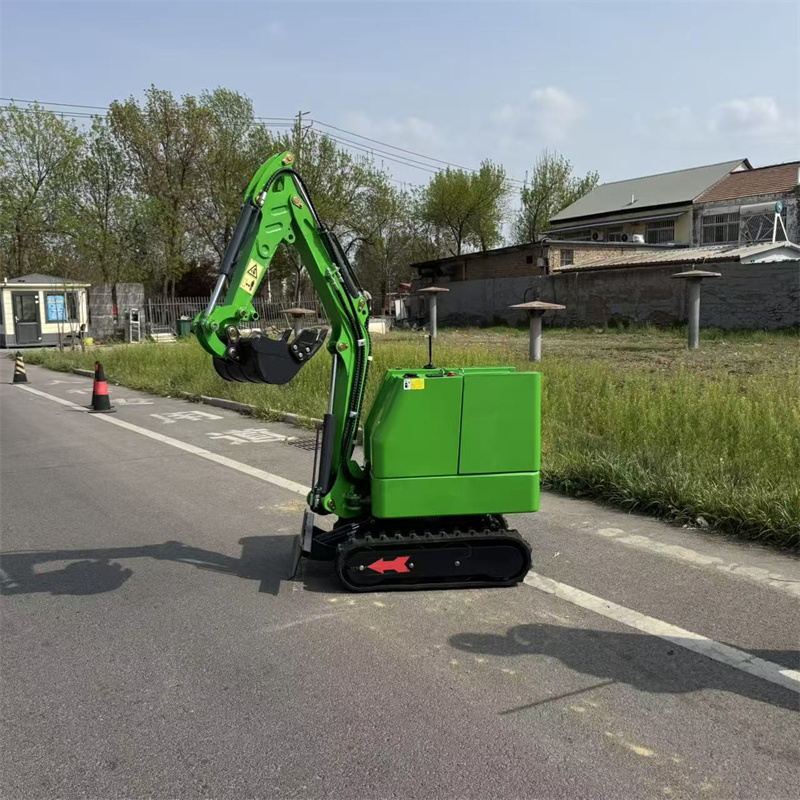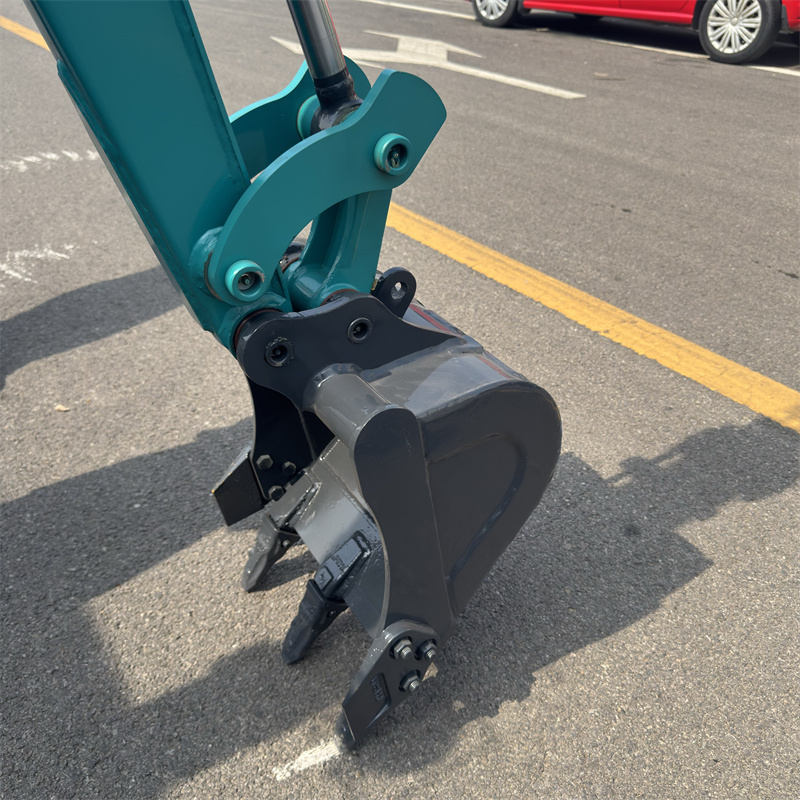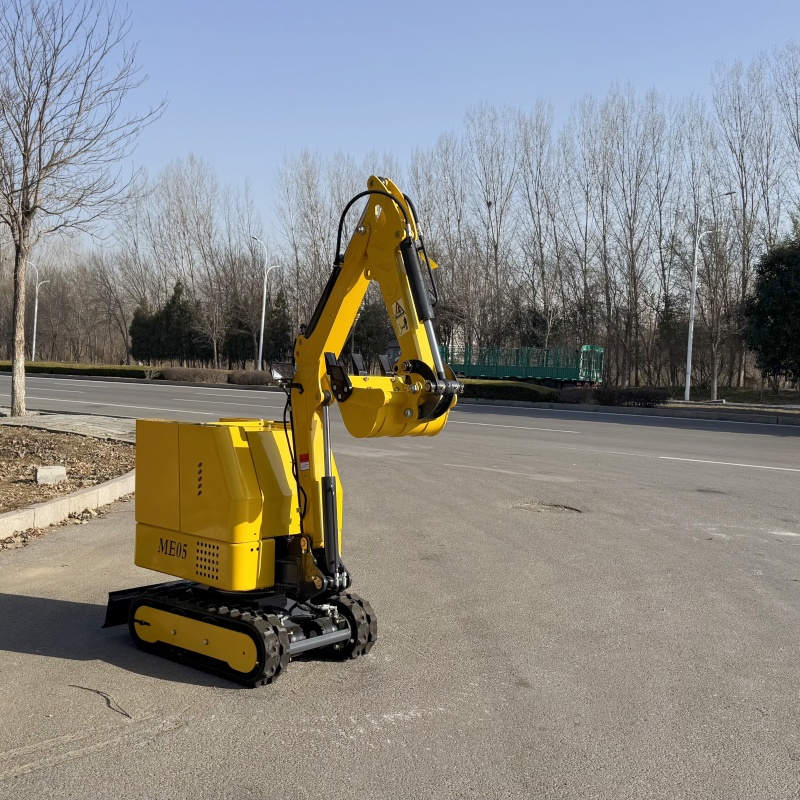
When it comes to the world of construction and excavation, the 1.8 – ton mini excavator has emerged as a versatile and valuable piece of equipment. As a supplier of 1.8 – ton mini excavators, I’ve had numerous inquiries about the operating weight of these machines. In this blog post, I’ll delve into what the operating weight of a 1.8 – ton mini excavator means, why it’s important, and how it can impact your construction projects.
Understanding the Concept of Operating Weight
The operating weight of a 1.8 – ton mini excavator refers to the total weight of the machine when it is fully equipped and ready for operation. This includes the weight of the basic machine structure, the engine, the hydraulic system, the operator, any attached accessories such as buckets or breakers, and a full tank of fuel. It’s a crucial specification because it affects several aspects of the excavator’s performance and usability.
Components Contributing to the Operating Weight
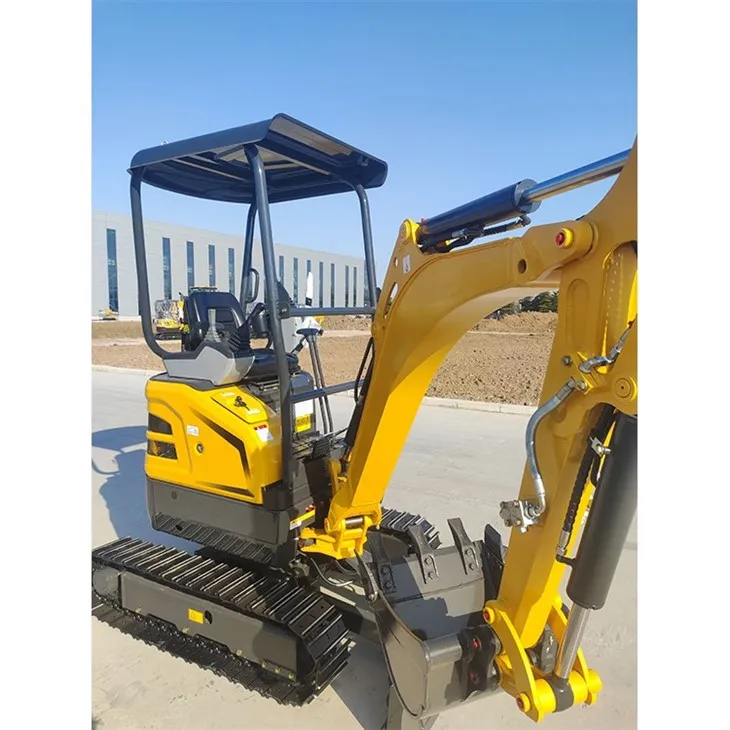
Basic Machine Structure: The frame, boom, arm, and tracks of the mini excavator form the core of its structure. These components are typically made of high – strength steel to withstand the rigors of excavation work. The design and materials used in the construction of the basic structure contribute significantly to the overall weight. For example, a well – built frame with reinforced sections will add more weight but also provide greater durability and stability.
Engine: The engine is another major contributor to the operating weight. A 1.8 – ton mini excavator usually comes with a diesel or electric engine. Diesel engines are generally heavier due to their internal combustion components, such as the cylinders, pistons, and fuel injection systems. On the other hand, electric engines are often lighter, but they may require additional battery packs, which also add to the weight. Our 1.8 Ton Electric Mini Excavator offers a balance between weight and environmental friendliness.
Hydraulic System: The hydraulic system is responsible for powering the movement of the boom, arm, and bucket. It consists of pumps, valves, hoses, and cylinders. The hydraulic fluid in the system also adds to the weight. A high – performance hydraulic system with larger components will be heavier but can provide more power and precision in excavation operations.
Operator and Accessories: The weight of the operator and any attached accessories must also be considered. An average operator may weigh around 70 – 100 kilograms. Accessories such as different types of buckets, breakers, or augers can vary in weight. For instance, a heavy – duty rock bucket will be much heavier than a standard dirt bucket.
Importance of Operating Weight
Stability: The operating weight plays a crucial role in ensuring the stability of the mini excavator. A heavier machine is generally more stable, especially when working on uneven terrain or when performing tasks that require a lot of force. For example, when digging deep trenches or lifting heavy objects, a stable excavator is less likely to tip over, reducing the risk of accidents and damage to the machine.
Ground Pressure: The operating weight determines the ground pressure exerted by the excavator. Ground pressure is calculated by dividing the operating weight by the area of the tracks in contact with the ground. A lower ground pressure is desirable when working on soft or sensitive surfaces, such as lawns or newly paved areas. A 1.8 – ton mini excavator typically has a relatively low ground pressure, making it suitable for a wide range of applications.
Transportation: The operating weight also affects the ease of transportation. If the excavator is too heavy, it may require a larger and more powerful transport vehicle, which can increase transportation costs. Additionally, some transportation regulations may limit the weight of equipment that can be transported on certain roads. Our Mini Small Excavator is designed with a weight that allows for easy and cost – effective transportation.
Typical Operating Weight Range
The operating weight of a 1.8 – ton mini excavator can vary depending on the specific model and configuration. Generally, the operating weight of a 1.8 – ton mini excavator ranges from approximately 1,700 to 2,000 kilograms. This variation is due to differences in engine type, hydraulic system specifications, and the inclusion of optional accessories.
Comparing Different Models
When comparing different models of 1.8 – ton mini excavators, it’s important to look at the operating weight in relation to other performance factors. For example, a model with a slightly higher operating weight may offer better stability and digging power, but it may also have a higher ground pressure. On the other hand, a lighter model may be more suitable for applications where transportation and maneuverability are key considerations. Our Mini Small Excavator is designed to offer a perfect balance between weight, performance, and cost – effectiveness.
Impact on Construction Projects
Small – Scale Projects: For small – scale construction projects, such as residential landscaping, backyard excavation, or small building foundations, a 1.8 – ton mini excavator is an ideal choice. Its relatively low operating weight allows it to access tight spaces and work on soft ground without causing excessive damage. The compact size and maneuverability of the excavator also make it easy to operate in confined areas.
Medium – Scale Projects: In medium – scale projects, such as small commercial building construction or road repair, the operating weight of the 1.8 – ton mini excavator can still provide sufficient power and stability. The excavator can be used for tasks such as digging trenches for utilities, grading the ground, and loading materials.
Large – Scale Projects: While a 1.8 – ton mini excavator may not be the primary equipment for large – scale construction projects, it can still play a supporting role. For example, it can be used for tasks that require precision and access to hard – to – reach areas, such as cleaning up debris or working in narrow alleys.
Conclusion
In conclusion, the operating weight of a 1.8 – ton mini excavator is a critical factor that affects its performance, stability, transportation, and suitability for different construction projects. As a supplier, we understand the importance of providing accurate information about the operating weight and other specifications of our Mini Small Excavator. Our range of 1.8 – ton mini excavators is designed to meet the diverse needs of our customers, whether they are working on small – scale residential projects or larger commercial developments.
If you’re in the market for a 1.8 – ton mini excavator, I encourage you to contact us for more information. We can provide detailed specifications, answer your questions, and help you choose the right model for your specific requirements. Let’s start a conversation about how our mini excavators can enhance your construction projects.
References
Construction Equipment Handbook, various editions
Manufacturer’s specifications for 1.8 – ton mini excavators