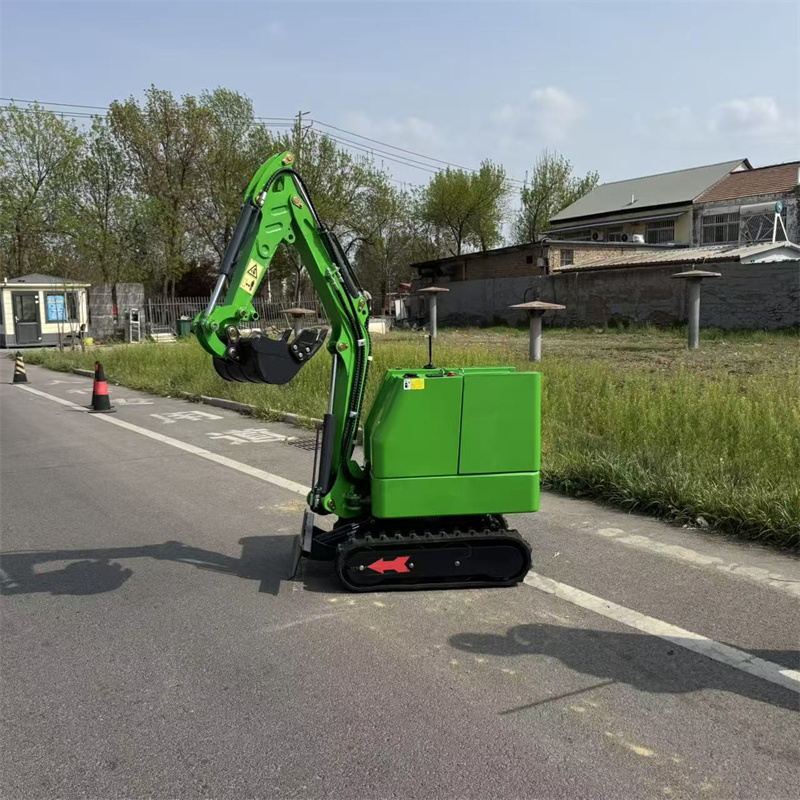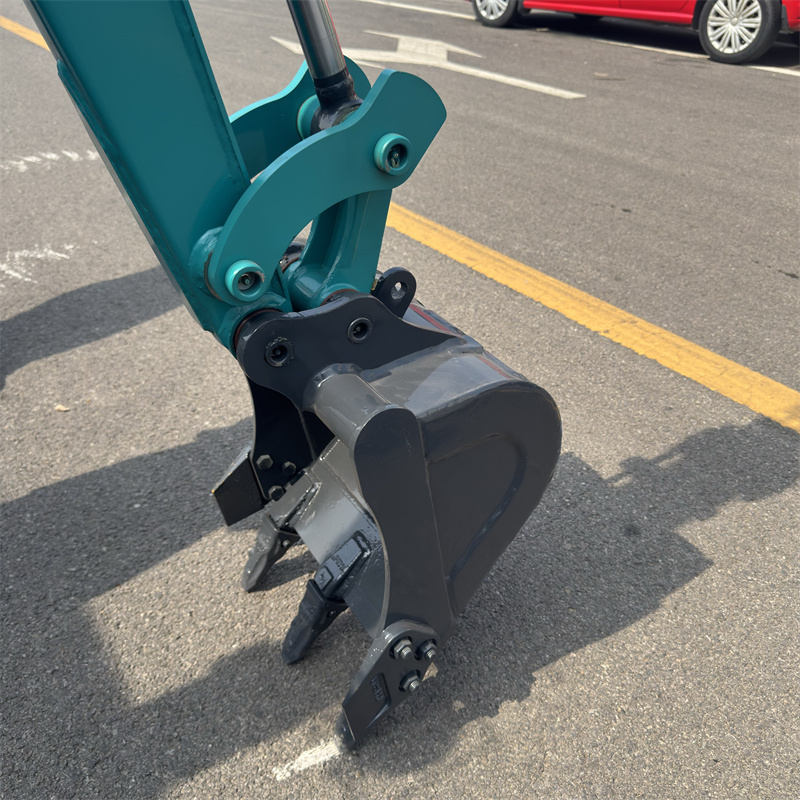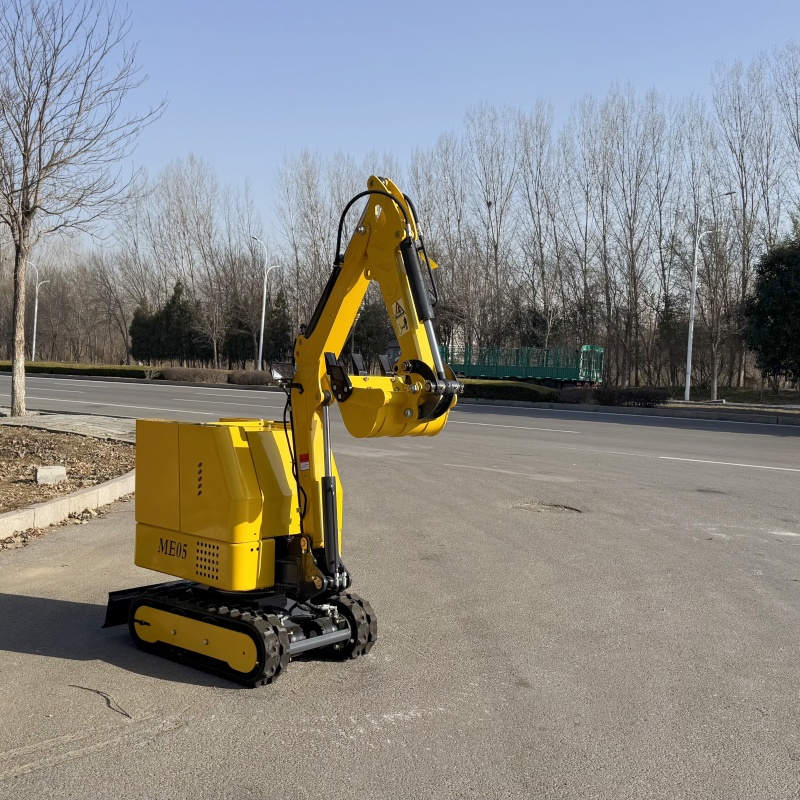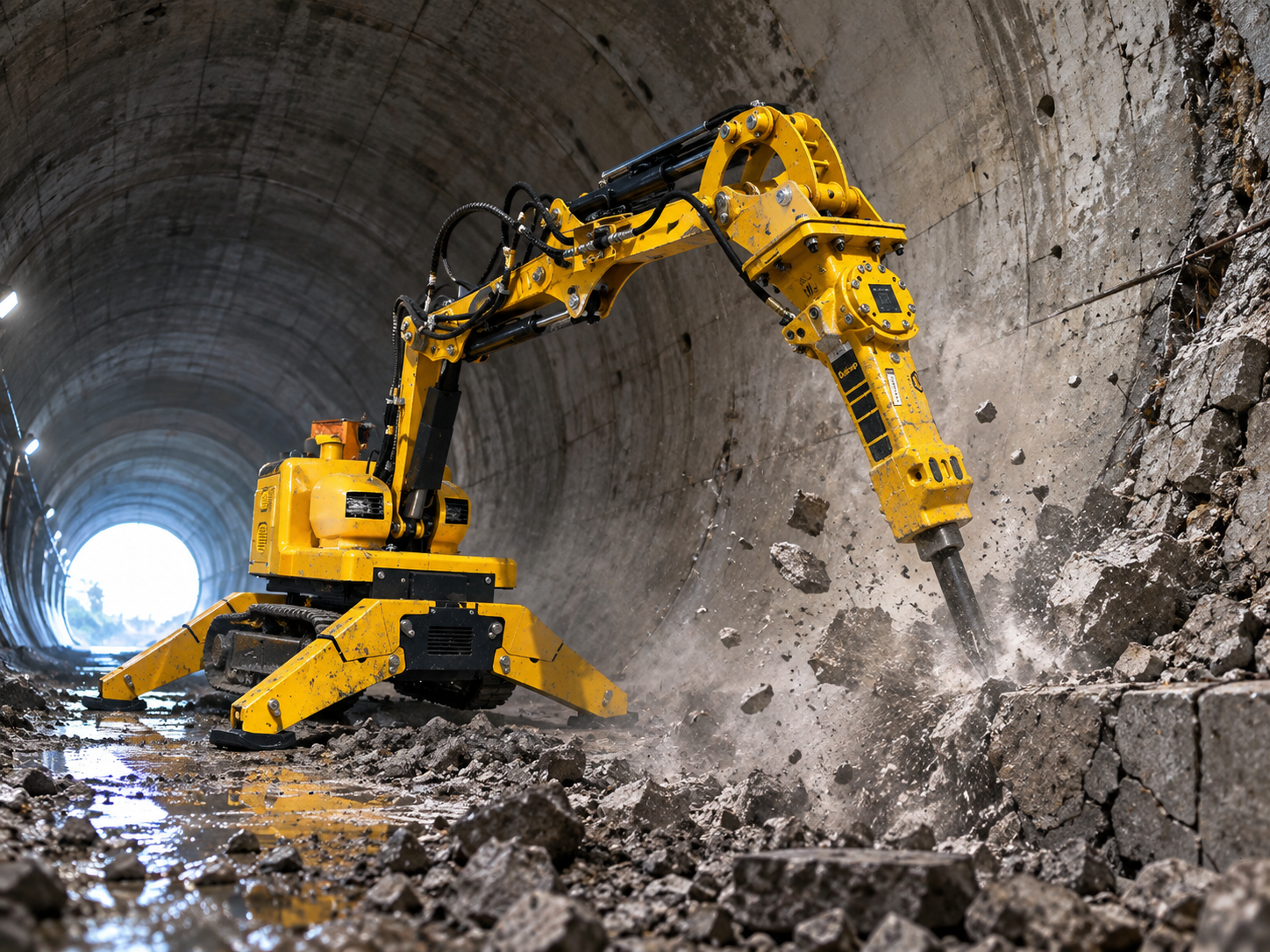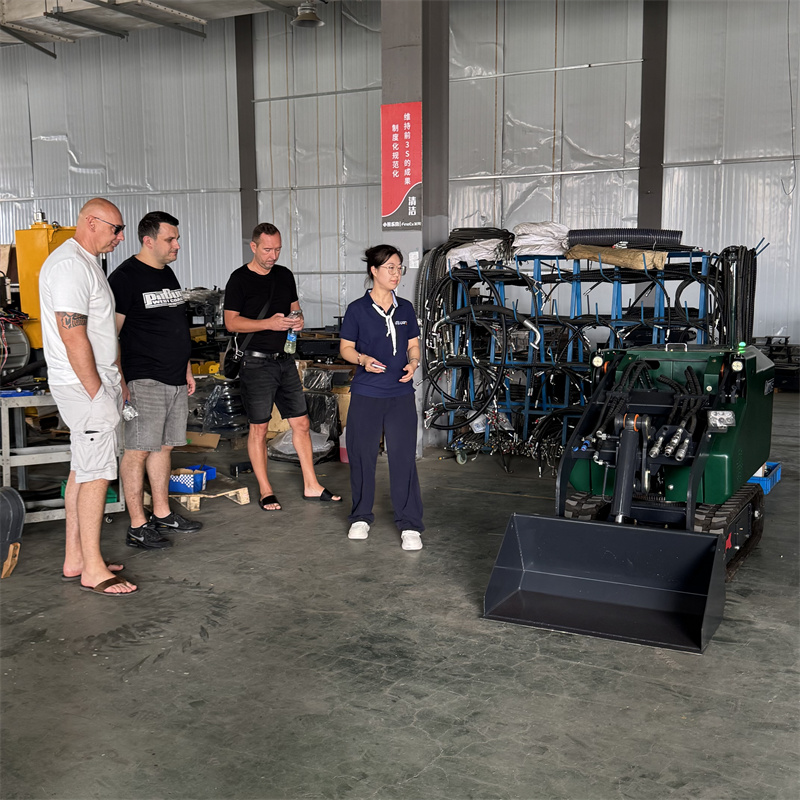
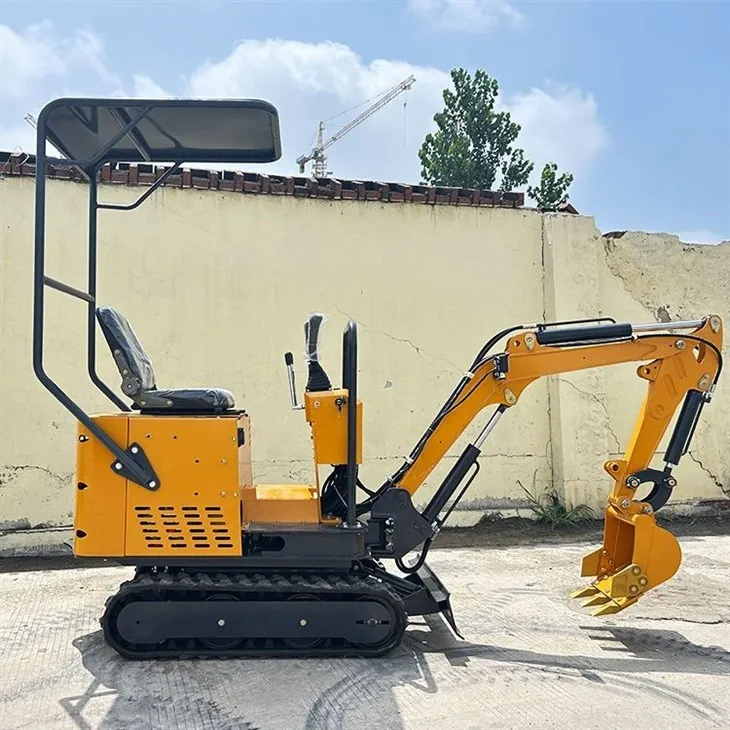
As a seasoned supplier of Mini Skid Steer Loaders, I often encounter inquiries regarding the overall length of these versatile machines. The overall length of a Mini Skid Steer Loader is a crucial specification that impacts its maneuverability, transportation, and suitability for various job sites. In this blog post, I’ll delve into the factors that influence the length of these loaders, typical length ranges, and why it matters in different applications.
Factors Influencing the Overall Length
The overall length of a Mini Skid Steer Loader is determined by several key factors, each playing a significant role in the machine’s design and functionality.
1. Engine and Power Unit
The size and type of the engine or power unit installed in the loader can greatly affect its length. Diesel engines, for example, are typically larger and heavier than electric motors. A loader equipped with a powerful diesel engine may require more space to accommodate the engine block, fuel tank, and associated cooling systems. On the other hand, electric Mini Skid Steer Loaders, such as the Electric Excavator Mini Machinery, tend to have a more compact design due to the smaller size of electric motors and the absence of a large fuel tank.
2. Attachment Compatibility
Mini Skid Steer Loaders are known for their ability to use a wide range of attachments, including buckets, forks, augers, and trenchers. The design of the loader must allow for easy attachment and detachment of these tools. Some loaders are designed with a longer frame to provide more space for larger attachments or to ensure proper weight distribution when using heavy-duty tools. For instance, a loader intended for use with a large trencher may need to be longer to maintain stability during operation.
3. Operator Comfort and Safety
The comfort and safety of the operator are paramount in the design of Mini Skid Steer Loaders. A longer loader may offer more space for the operator’s cab, allowing for a more comfortable seating position, better visibility, and easier access to controls. Additionally, a longer frame can provide more stability, reducing the risk of tipping over during operation. However, it’s important to balance the need for operator comfort with the loader’s overall maneuverability.
4. Maneuverability Requirements
The intended application of the Mini Skid Steer Loader also influences its length. In tight spaces, such as indoor construction sites or narrow alleys, a shorter loader is often preferred for its superior maneuverability. Shorter loaders can make tighter turns and navigate through confined areas more easily. Conversely, in larger outdoor sites where maneuverability is less of a concern, a longer loader may be more suitable for tasks that require greater reach or stability.
Typical Length Ranges
The overall length of Mini Skid Steer Loaders can vary significantly depending on the manufacturer, model, and specific features. Generally, these loaders range in length from approximately 60 inches (152 cm) to 100 inches (254 cm).
1. Compact Models
Compact Mini Skid Steer Loaders, designed for use in tight spaces, typically have a length of around 60 to 70 inches (152 to 178 cm). These loaders are lightweight and highly maneuverable, making them ideal for tasks such as landscaping, small-scale construction, and indoor maintenance. The Lithium Battery Power Mini Excavator is an example of a compact loader that offers excellent maneuverability in confined areas.
2. Mid-Size Models
Mid-size Mini Skid Steer Loaders usually have a length between 70 and 85 inches (178 to 216 cm). These loaders strike a balance between maneuverability and performance, making them suitable for a wide range of applications. They can handle larger attachments and heavier loads than compact models, while still being able to navigate through moderately tight spaces.
3. Larger Models
Larger Mini Skid Steer Loaders, designed for heavy-duty applications, can have a length of up to 100 inches (254 cm) or more. These loaders are equipped with more powerful engines and larger frames to support the use of heavy attachments and to provide greater stability. They are commonly used in large-scale construction projects, excavation work, and material handling operations. The Noiseless Tracked Electric Mini Excavator is a larger model that offers high performance and durability in demanding environments.
Importance of Overall Length in Different Applications
The overall length of a Mini Skid Steer Loader is a critical factor to consider when choosing the right machine for a specific application. Here are some examples of how length impacts performance in different scenarios:
1. Landscaping
In landscaping projects, maneuverability is key. A shorter Mini Skid Steer Loader can easily navigate around trees, shrubs, and other obstacles, making it ideal for tasks such as grading, digging, and moving soil. The ability to make tight turns and work in confined spaces allows landscapers to complete their projects more efficiently.
2. Construction
Construction sites often have a mix of open areas and tight spaces. A mid-size loader may be the best choice for general construction tasks, as it offers a good balance between maneuverability and performance. In larger construction projects, a longer loader may be required to handle heavy materials and larger attachments, such as concrete buckets or large forks.
3. Indoor Work
Indoor construction and maintenance projects require a loader that can operate in limited space without causing damage to the surrounding environment. A compact Mini Skid Steer Loader is the obvious choice for these applications, as it can easily fit through doorways and work in narrow corridors.
4. Agriculture
In agricultural settings, Mini Skid Steer Loaders are used for a variety of tasks, including feeding livestock, moving hay bales, and cleaning barns. The length of the loader should be chosen based on the size of the barn or shed and the type of attachments needed. A shorter loader may be more suitable for smaller barns, while a longer loader can handle larger loads and more demanding tasks.
Conclusion
In conclusion, the overall length of a Mini Skid Steer Loader is a crucial specification that affects its maneuverability, performance, and suitability for different applications. When choosing a loader, it’s important to consider the specific requirements of your project, including the type of work, the size of the job site, and the attachments you’ll be using. As a supplier of Mini Skid Steer Loaders, I’m here to help you find the right machine for your needs. If you have any questions or would like to discuss your options, please don’t hesitate to contact me for a detailed consultation and to start the procurement process.
References
Manufacturer specifications of various Mini Skid Steer Loader models.
Industry research on the performance and applications of Mini Skid Steer Loaders.