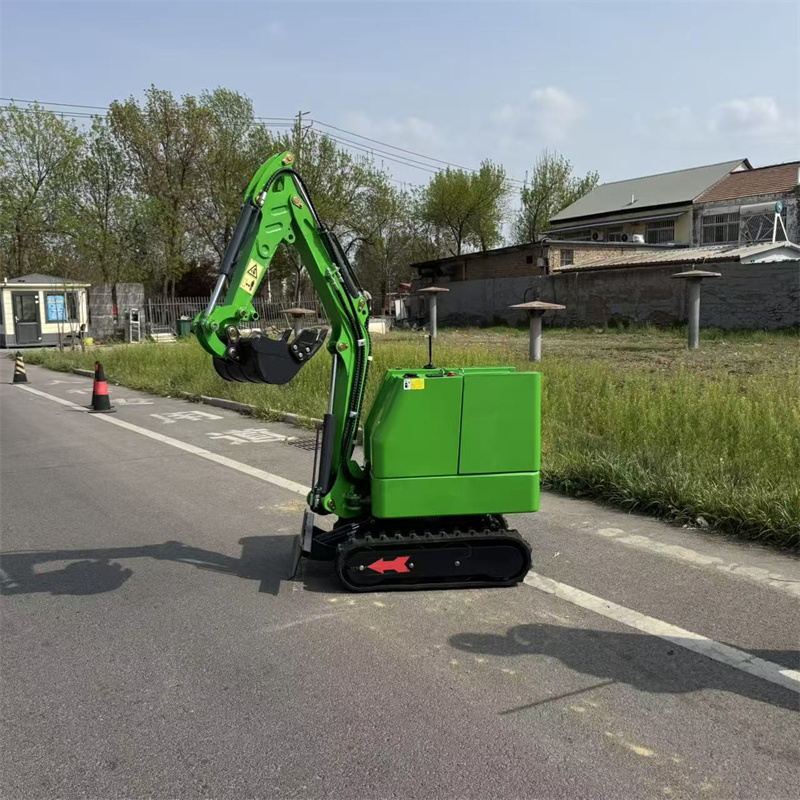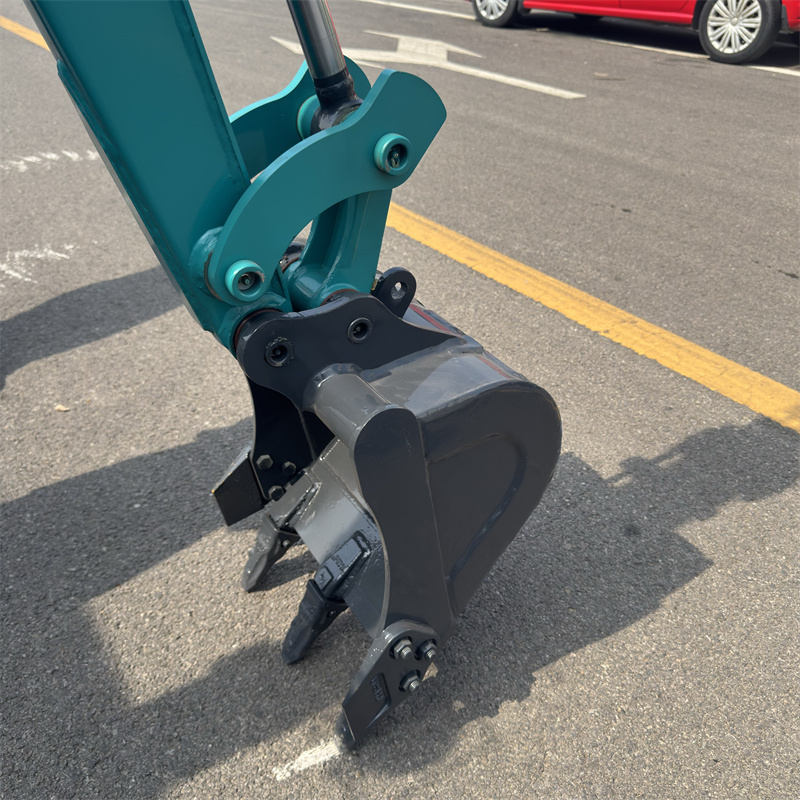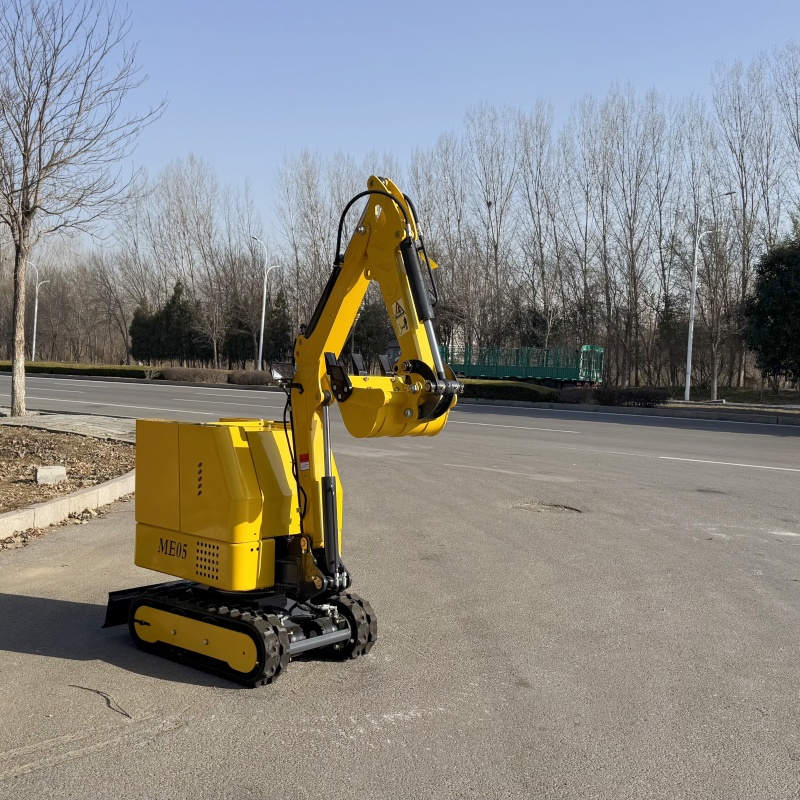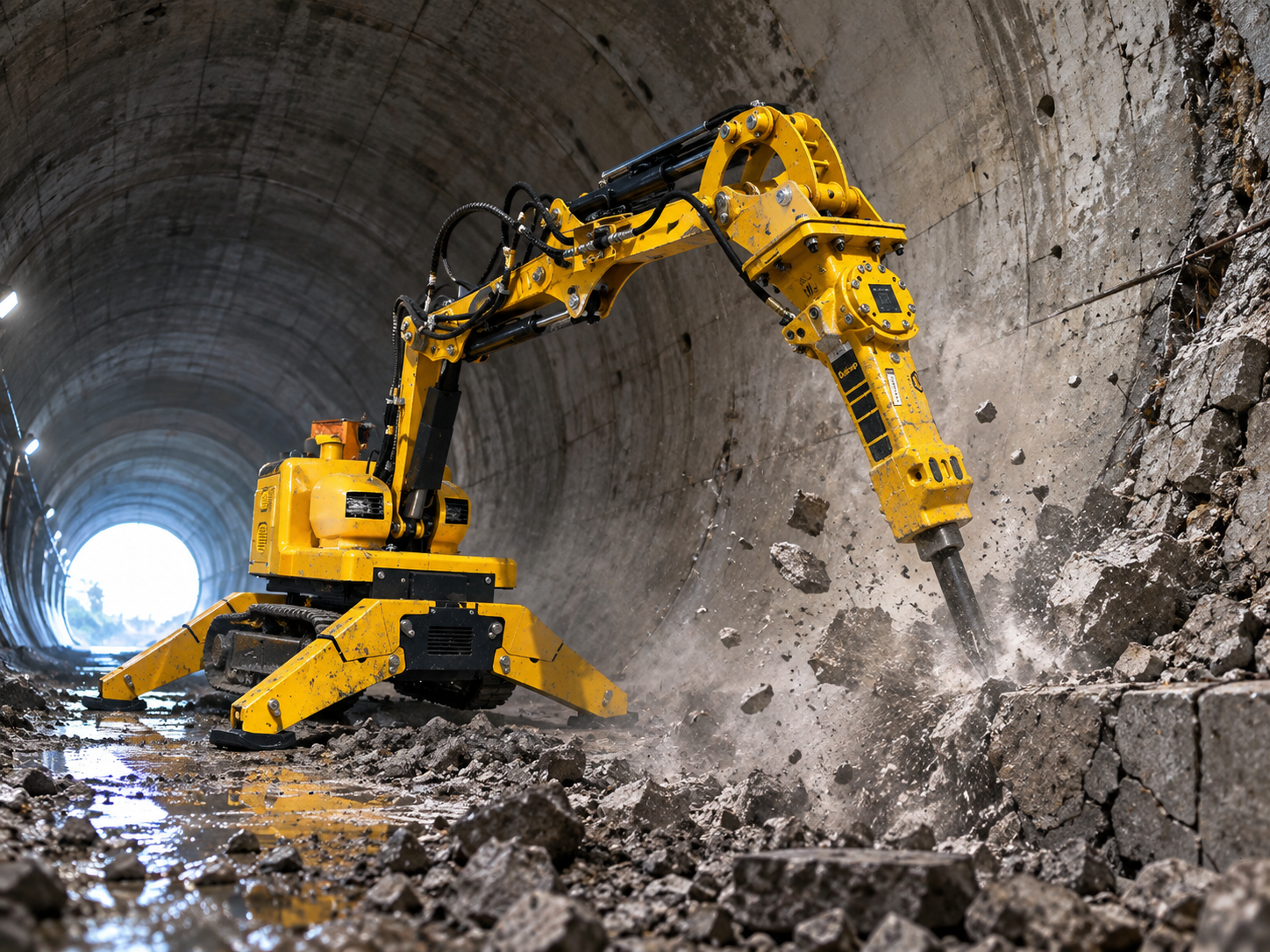
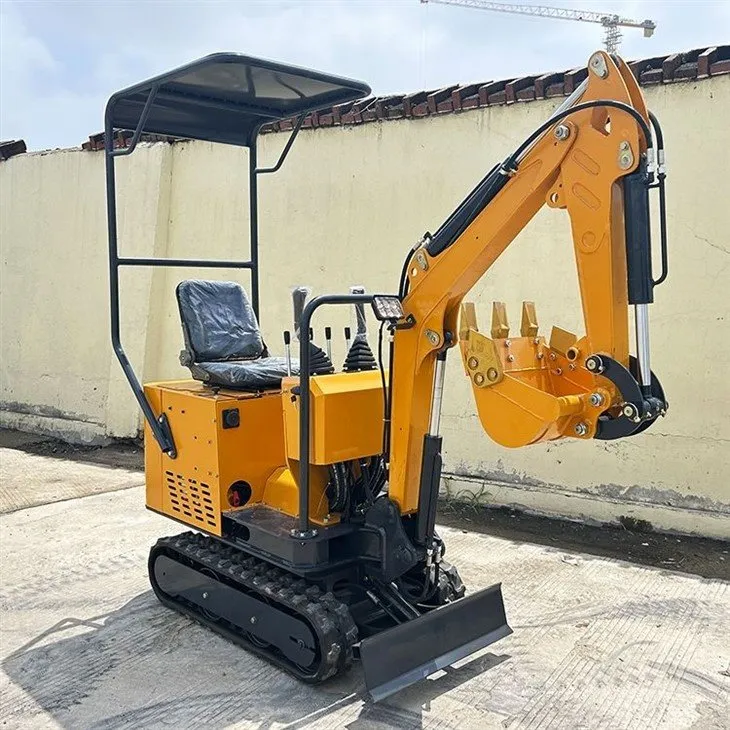
Hey there! As a supplier of Electric Mini Diggers, I often get asked about the power output of these machines’ motors. It’s a crucial question because the power output determines how well the digger can perform various tasks. So, let’s dive right into it and break down what you need to know about the power output of an electric mini digger’s motor.
First off, what exactly is power output? In simple terms, power output refers to the amount of work a motor can do in a given amount of time. For an electric mini digger, this is typically measured in kilowatts (kW). The higher the power output, the more powerful the motor, and the more heavy – duty tasks the digger can handle.
There are several factors that influence the power output requirements of an electric mini digger. One of the most significant factors is the size and weight of the digger itself. Larger and heavier mini diggers usually require more powerful motors to move and operate efficiently. For instance, a small, lightweight mini digger that’s mainly used for light – duty tasks like landscaping in small gardens might have a motor with a power output of around 3 – 5 kW. On the other hand, a medium – sized mini digger designed for more demanding tasks such as excavation in construction sites could have a motor with a power output ranging from 7 – 15 kW.
Another factor is the type of work the digger will be doing. If you’re using the digger for tasks that involve a lot of digging, lifting heavy loads, or working against tough soil conditions, you’ll need a motor with a higher power output. For example, when digging through hard clay or rocky soil, the motor has to work harder to break through the ground. In such cases, a motor with a power output of 10 kW or more would be more suitable.
The efficiency of the motor also plays a role in determining the overall performance. A more efficient motor can convert a higher percentage of electrical energy into mechanical energy, which means it can do more work with the same amount of power. This is especially important for electric mini diggers, as they rely on batteries for power. A more efficient motor will consume less battery power, allowing the digger to operate for longer periods between charges.
Now, let’s talk about the different types of electric mini diggers available in the market and their typical power outputs.
Battery – powered Mini Excavator
Battery – powered mini excavators are becoming increasingly popular due to their environmental friendliness and low noise levels. These machines are powered by rechargeable batteries, which means they don’t produce any emissions during operation. The power output of a Battery – powered Mini Excavator can vary widely depending on its size and intended use. Smaller models might have a motor power output of around 2 – 4 kW, while larger ones can go up to 10 – 15 kW. These machines are great for indoor construction projects, urban areas where noise pollution is a concern, and small – scale outdoor jobs.
Lithium Battery Power Mini Excavator
Lithium battery power mini excavators are a step up from traditional battery – powered models. Lithium batteries offer several advantages, such as higher energy density, longer lifespan, and faster charging times. The power output of a Lithium Battery Power Mini Excavator also varies. Smaller units can have a motor power output of 3 – 6 kW, while larger and more powerful ones can reach up to 20 kW. These excavators are suitable for a wide range of applications, from light – duty landscaping to medium – duty construction work.
Battery Mini Excavator
The term “Battery Mini Excavator” is a general one that encompasses both traditional battery – powered and lithium battery – powered models. The power output of Battery Mini Excavators can range from as low as 1 – 2 kW for very small, portable models to over 20 kW for larger, more industrial – grade machines. When choosing a battery mini excavator, it’s important to consider your specific needs in terms of power output, as well as other factors like battery life, charging time, and the type of work you’ll be doing.
When it comes to choosing the right electric mini digger for your project, it’s essential to assess your power requirements accurately. If you choose a digger with a motor that has too low a power output, it won’t be able to handle the tasks efficiently, and you might end up with a machine that struggles to perform even basic functions. On the other hand, if you choose a digger with a motor that has too high a power output, you’ll be paying more for a machine than you actually need, and you might also be wasting energy.
As a supplier, I always recommend that customers take the time to evaluate their needs carefully. Consider the size of the project, the type of soil or material you’ll be working with, and the frequency of use. If you’re not sure, it’s a good idea to consult with an expert who can help you determine the right power output for your specific situation.
In conclusion, the power output of an electric mini digger’s motor is a critical factor that determines the machine’s performance and suitability for different tasks. Whether you’re looking for a Battery – powered Mini Excavator, a Lithium Battery Power Mini Excavator, or a general Battery Mini Excavator, understanding the power output requirements will help you make an informed decision.
If you’re in the market for an electric mini digger and want to discuss your power output needs further, feel free to reach out. We’re here to help you find the perfect machine for your project.
References
Engineering textbooks on construction machinery
Industry reports on electric mini diggers
Manufacturer specifications of various electric mini digger models