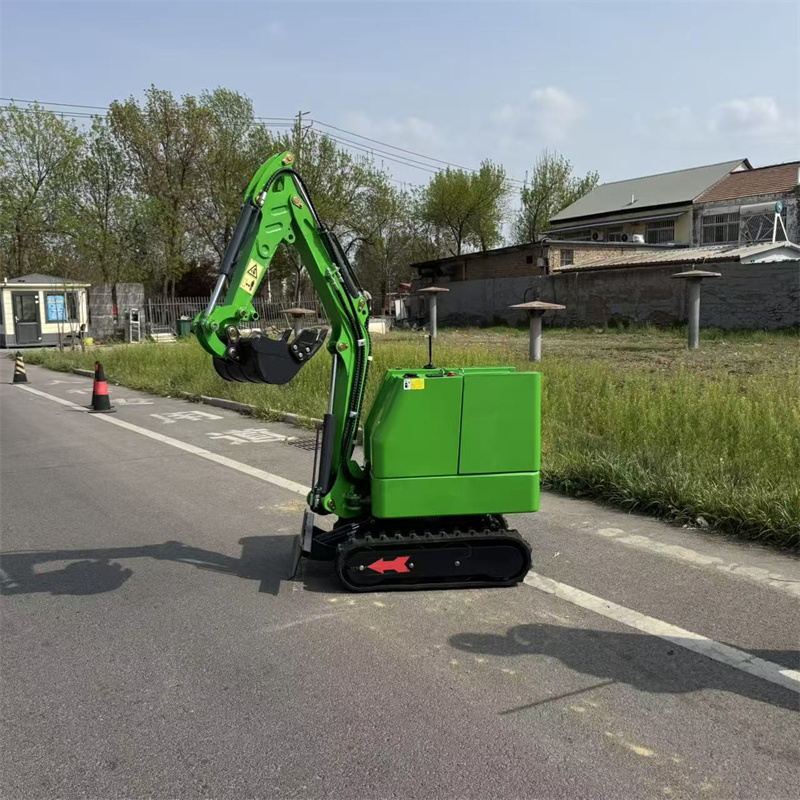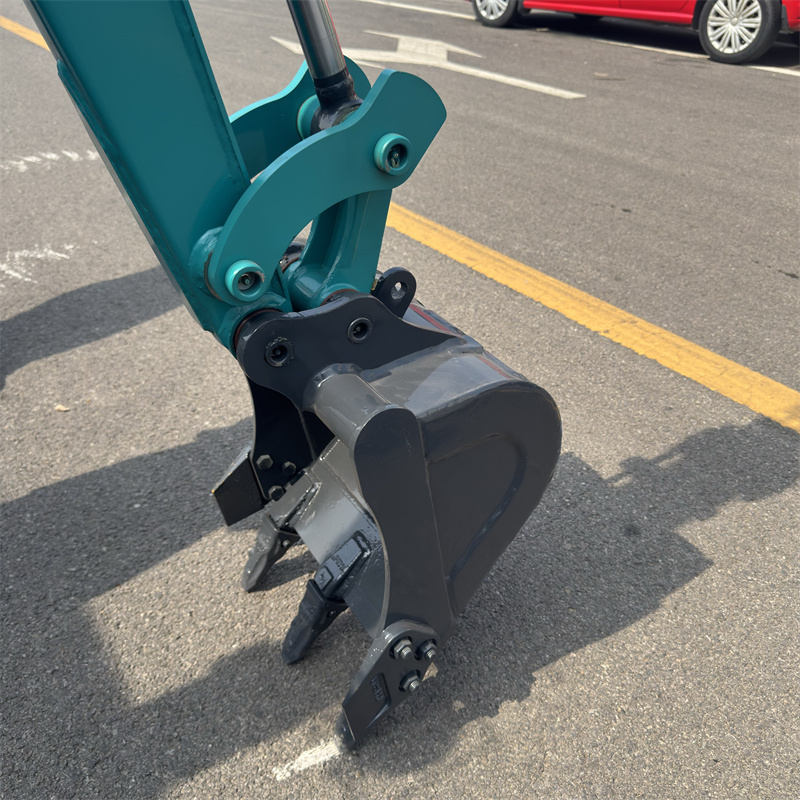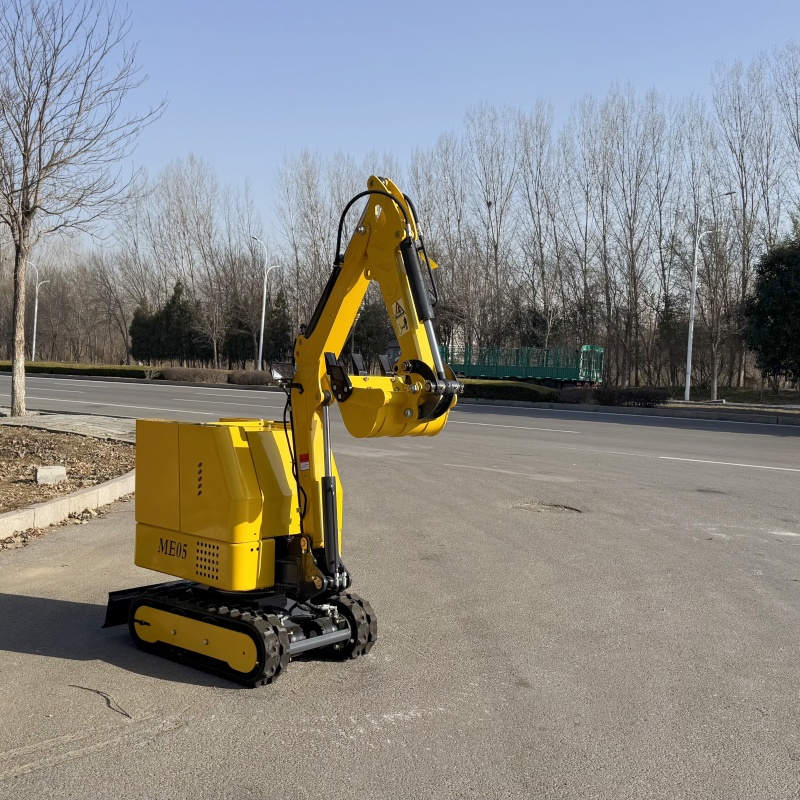
Hey there! As a supplier of Mini Small Excavators, I’ve been getting a lot of questions lately about what powers these little workhorses. So, I thought I’d take a deep dive into the topic and share everything you need to know.
First off, let’s talk about the main types of power sources for Mini Small Excavators. There are three primary options: diesel engines, electric motors, and hybrid systems. Each has its own set of pros and cons, and the choice often depends on the specific needs of the job and the user’s preferences.
Diesel Engines
Diesel engines are the most common power source for Mini Small Excavators. They’ve been around for a long time and are well – known for their reliability and power. Diesel engines can generate a high amount of torque, which is crucial for digging and moving heavy materials.
One of the big advantages of diesel engines is their fuel efficiency. Diesel fuel contains more energy per gallon than gasoline, which means you can get more work done on a single tank. This is especially important for jobs that require long hours of continuous operation.
Another plus is their durability. Diesel engines are built tough and can withstand the rigors of heavy – duty use. They’re less likely to break down compared to some other types of engines, which can save you a lot of time and money on maintenance and repairs.
However, diesel engines also have some drawbacks. They produce emissions, which can be a concern in environmentally sensitive areas. And let’s face it, they can be a bit noisy. If you’re working in a residential area or a place where noise restrictions apply, a diesel – powered excavator might not be the best choice.
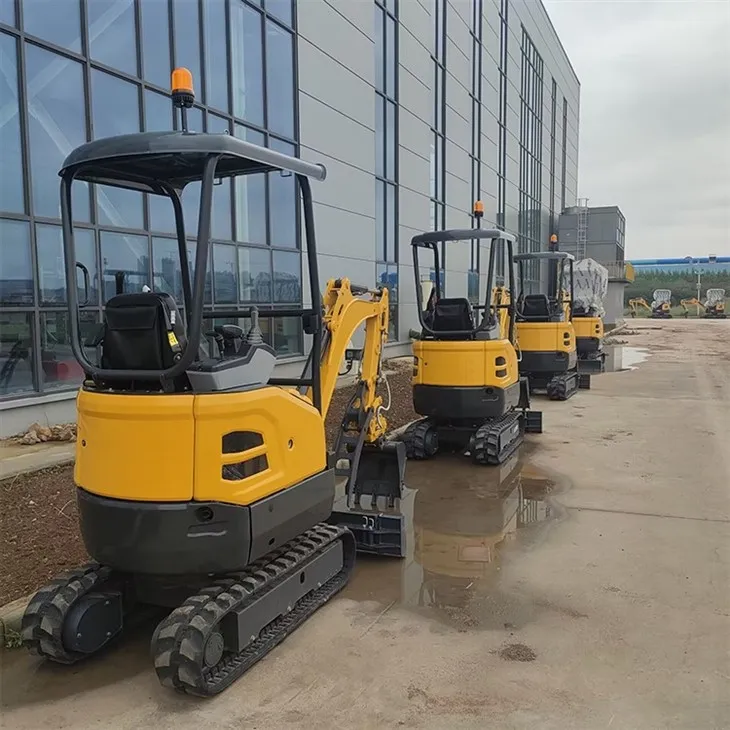
If you’re interested in a diesel – powered Mini Small Excavator, check out our Small Excavator 1.8 Ton. It’s a great option that offers a good balance of power and efficiency.
Electric Motors
Electric – powered Mini Small Excavators are becoming more and more popular, and for good reason. They’re much cleaner and quieter than their diesel counterparts. Electric motors produce zero emissions at the point of use, which makes them a great choice for indoor jobs or areas with strict environmental regulations.
The quiet operation of electric excavators is also a huge advantage. You can work in noise – sensitive areas without disturbing the neighbors. This is especially useful for urban construction projects or landscaping jobs in residential areas.
In addition, electric motors are generally more efficient than diesel engines in terms of energy conversion. They can convert a higher percentage of the electrical energy into mechanical work, which means you can get more out of your power source.
But there are some limitations to electric excavators. One of the main issues is the limited range. They rely on batteries, and the battery life can be a constraint, especially for longer jobs. You’ll need to plan your work around recharging times, which can be a hassle.
If you’re looking for an electric Mini Small Excavator, our Mini Crawer Hydraulic Excavator is a top – notch option. It offers the benefits of electric power with a decent battery life.
Hybrid Systems
Hybrid Mini Small Excavators combine the best of both worlds. They use a combination of a diesel engine and an electric motor. The diesel engine provides the main power, while the electric motor can assist during peak demand periods or be used for low – power tasks.
One of the main advantages of hybrid systems is their improved fuel efficiency. The electric motor can help reduce the load on the diesel engine, which means less fuel is consumed. This not only saves you money on fuel costs but also reduces emissions.
Hybrid excavators also offer better performance. The electric motor can provide instant torque, which can improve the responsiveness of the machine. This is especially useful when you need to make quick movements or dig into tough soil.
However, hybrid systems are more complex than single – power – source options. This means they can be more expensive to purchase and maintain. You’ll need to have a good understanding of how the system works to keep it running smoothly.
Our 1.8 Ton Mini Excavator comes in a hybrid version that offers a great combination of power, efficiency, and performance.
Other Considerations
When choosing the power source for your Mini Small Excavator, there are a few other things to keep in mind. First, think about the type of work you’ll be doing. If you’re mostly working on small, indoor projects, an electric excavator might be the way to go. But if you’re dealing with large – scale outdoor construction or heavy – duty digging, a diesel or hybrid option could be more suitable.
Also, consider your budget. Diesel engines are generally less expensive to purchase than hybrid systems, but you’ll need to factor in the long – term costs of fuel and maintenance. Electric excavators might have a higher upfront cost, but they can save you money on fuel and emissions – related fees in the long run.
Finally, think about the availability of power sources. If you’re working in an area where electricity is readily available, an electric excavator could be a convenient choice. But if you’re in a remote location, a diesel – powered machine might be more practical.
Conclusion
So, there you have it! The power source of a Mini Small Excavator can have a big impact on its performance, efficiency, and cost. Whether you choose a diesel engine, an electric motor, or a hybrid system, make sure it meets your specific needs.
If you’re in the market for a Mini Small Excavator and have any questions about the power sources or our products, don’t hesitate to reach out. We’re here to help you make the right choice for your project. Let’s start a conversation and see how we can meet your excavation needs.
References
Construction Equipment Guide: Information on different types of excavator power sources.
Equipment World: Articles on the latest trends in Mini Small Excavator technology.