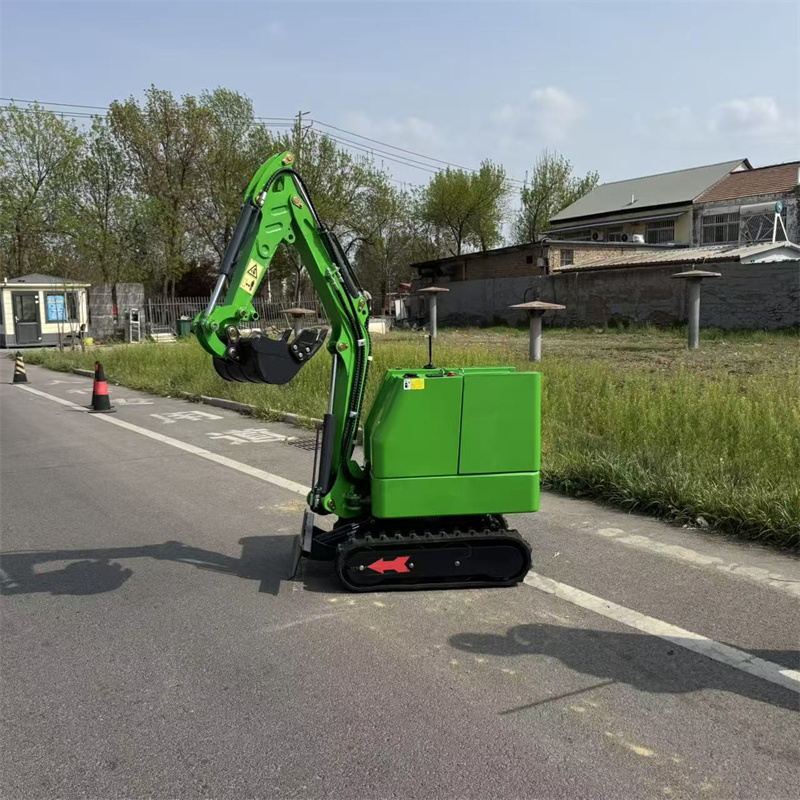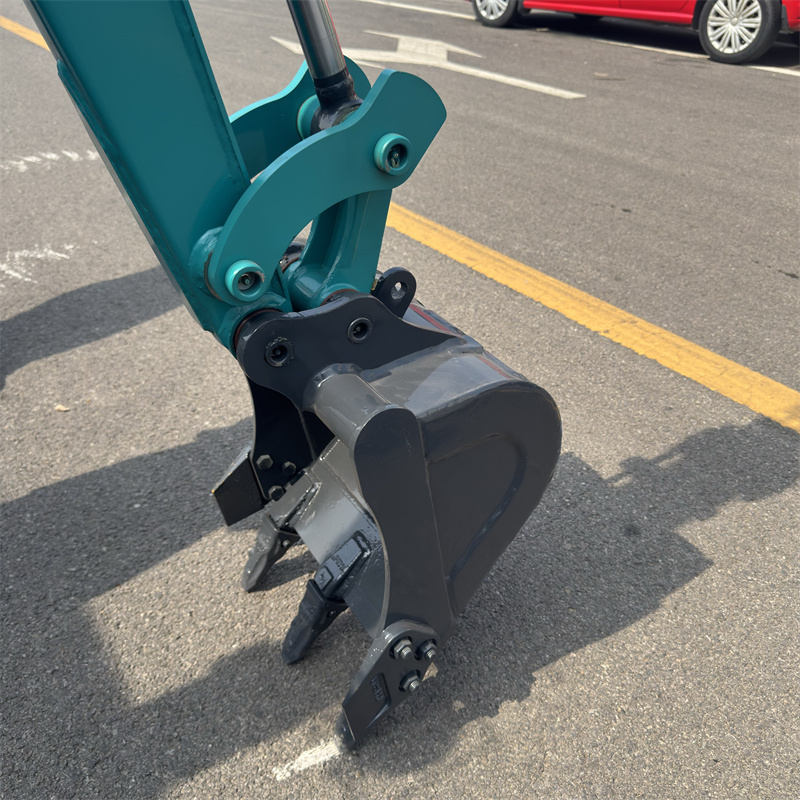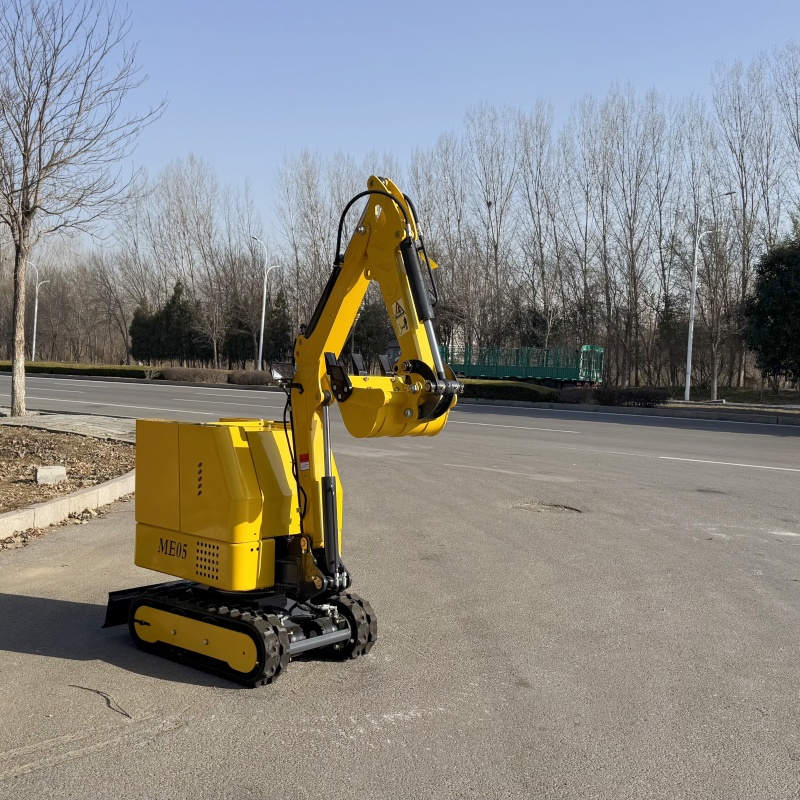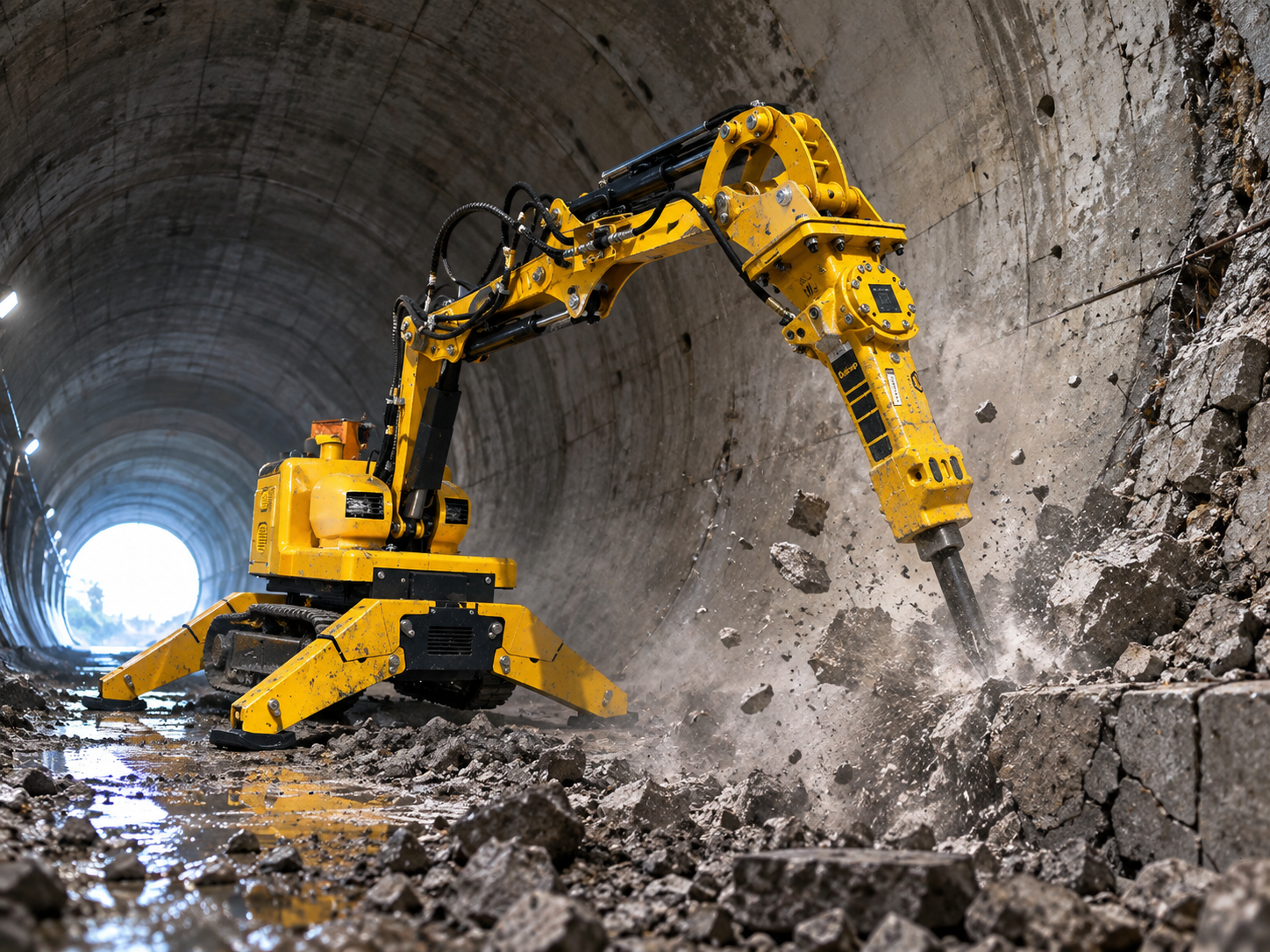
When it comes to the world of demolition work, safety, efficiency, and precision are of utmost importance. Demolition robots have emerged as a game – changer in this field, offering a range of benefits over traditional demolition methods. One of the key components that contribute to the performance and longevity of a demolition robot is its shock absorption system. As a demolition robot supplier, I’m here to delve deep into what the shock absorption system of a demolition robot is and why it matters.
The Basics of a Demolition Robot
Before we jump into the shock absorption system, let’s briefly understand what a demolition robot is. A demolition robot is a remotely controlled machine designed to carry out demolition tasks in various environments. These robots are equipped with powerful hydraulic tools such as breakers, crushers, and shears, which are used to break down structures. They are ideal for use in areas where human access is limited or dangerous, such as in hazardous waste sites, high – rise buildings, or tight spaces.
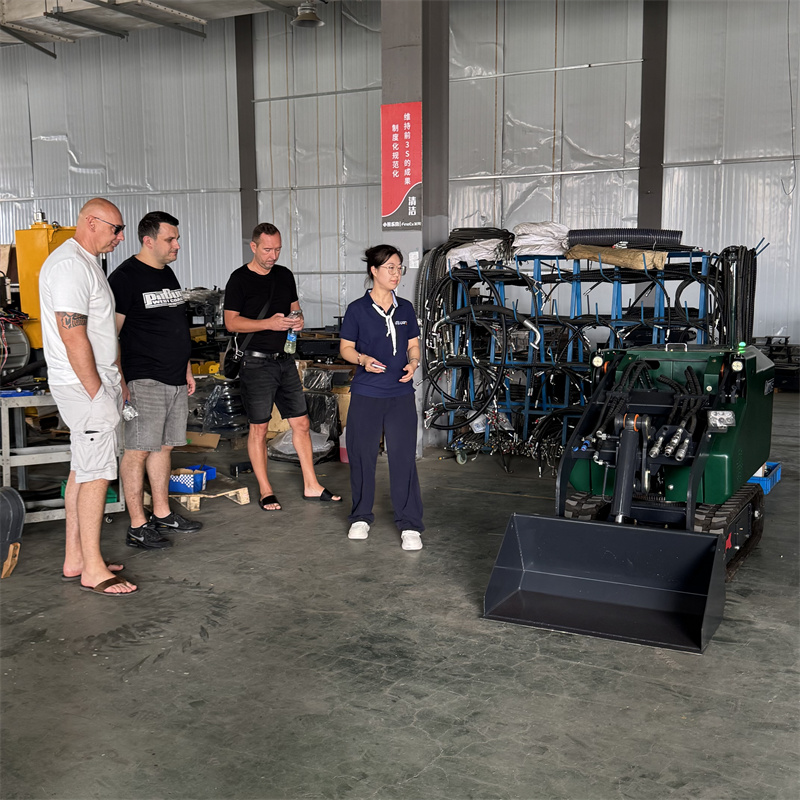
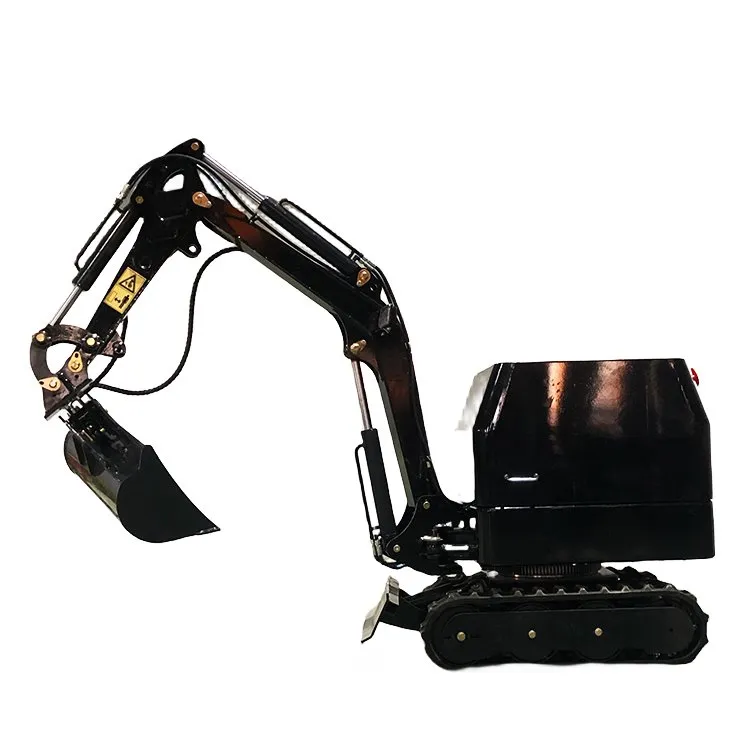
Some of our popular models include the Mini Miner Rc Excavator, Remote Controlled Construction Excavator, and Remote Controlled Excavator Demolition. These robots are known for their durability, precision, and advanced features.
What is a Shock Absorption System?
A shock absorption system in a demolition robot is a set of components and mechanisms designed to reduce the impact of vibrations and shocks generated during the demolition process. When a demolition robot’s hydraulic tool, like a breaker, strikes a structure, it creates a significant amount of force. This force not only acts on the structure being demolished but also on the robot itself. If left unmitigated, these shocks and vibrations can cause several problems.
Why is a Shock Absorption System Necessary?
Protecting the Robot’s Components
Demolition robots are complex machines with many sensitive components, including hydraulic systems, electrical wiring, and mechanical joints. Excessive shocks and vibrations can cause premature wear and tear on these components, leading to breakdowns and costly repairs. For example, the constant jolting can loosen electrical connections, damage hydraulic hoses, and cause misalignment of mechanical parts. A well – designed shock absorption system helps to distribute the impact force evenly and protect these vital components.
Enhancing Operator Comfort and Safety
Since demolition robots are remotely controlled, the operator is usually at a safe distance. However, excessive vibrations can still affect the stability of the robot, which in turn can pose a risk to the operator’s ability to control the machine accurately. In addition, if the robot is unstable due to lack of shock absorption, it may tip over or lose its balance, endangering the operator and those in the vicinity. A good shock absorption system ensures that the robot remains stable during operation, allowing the operator to work with confidence.
Improving Demolition Efficiency
When a demolition robot is equipped with an effective shock absorption system, it can maintain better contact with the structure being demolished. This means that the hydraulic tool can deliver more consistent and powerful blows, leading to faster and more efficient demolition. Without proper shock absorption, the robot may bounce or move erratically, reducing the effectiveness of the demolition process.
Components of a Shock Absorption System
Rubber Mounts
Rubber mounts are one of the most common components in a shock absorption system. These are typically placed between the robot’s frame and the components that are most likely to be affected by shocks, such as the hydraulic power unit or the control panel. Rubber has excellent shock – absorbing properties as it can deform under pressure and then return to its original shape. This deformation helps to absorb and dissipate the impact energy, reducing the amount of shock transmitted to the rest of the robot.
Spring – Based Systems
Spring – based shock absorbers are also used in some demolition robots. These systems work on the principle of compressing and expanding a spring when a shock is applied. The spring stores the energy from the impact and then releases it slowly, reducing the sudden jolt. Spring – based shock absorbers can be adjusted to suit different types of demolition tasks and the weight of the robot.
Hydraulic Dampers
Hydraulic dampers are another important part of the shock absorption system. They use hydraulic fluid to resist the movement caused by shocks. When a shock occurs, the hydraulic fluid is forced through small orifices, which creates resistance and slows down the movement of the components. This helps to control the vibrations and prevent excessive bouncing. Hydraulic dampers are known for their ability to provide smooth and consistent shock absorption over a wide range of operating conditions.
How the Shock Absorption System Works in Practice
Let’s take a look at how the shock absorption system functions during a typical demolition operation. When the demolition robot’s breaker strikes a concrete wall, a large amount of force is generated. This force is first absorbed by the rubber mounts, which start to deform. The deformation of the rubber mounts reduces the initial impact and sends a portion of the energy into the spring – based shock absorbers.
The springs in the shock absorbers compress, storing the energy. At the same time, the hydraulic dampers start to work, controlling the rate at which the springs expand. This coordinated action of the rubber mounts, springs, and hydraulic dampers ensures that the shock is absorbed and dissipated in a controlled manner. As a result, the robot remains stable, and the internal components are protected from the full force of the impact.
Maintenance of the Shock Absorption System
Proper maintenance of the shock absorption system is crucial for the long – term performance of the demolition robot. Here are some maintenance tips:
Regular Inspection
Inspect the rubber mounts for signs of wear, cracking, or deformation. Replace any damaged rubber mounts immediately. Also, check the springs for signs of corrosion or breakage, and the hydraulic dampers for leaks.
Cleaning
Keep the shock absorption components clean. Dirt and debris can accumulate on the rubber mounts and hydraulic dampers, which can affect their performance. Use a mild detergent and water to clean these components, and make sure they are dry before reassembling.
Lubrication
If the shock absorption system has moving parts, such as the springs or the joints in the hydraulic dampers, lubricate them regularly. This helps to reduce friction and ensure smooth operation.
Conclusion
In conclusion, the shock absorption system is an essential part of a demolition robot. It plays a vital role in protecting the robot’s components, enhancing operator safety, and improving demolition efficiency. As a demolition robot supplier, we understand the importance of a well – designed shock absorption system. Our robots are equipped with state – of – the – art shock absorption technology to ensure reliable and efficient operation.
If you are in the market for a demolition robot and want to learn more about our products and their shock absorption systems, we encourage you to reach out to us. We are happy to discuss your specific demolition needs and provide you with the best solutions. Whether you are involved in small – scale demolition projects or large – scale industrial demolitions, our demolition robots can meet your requirements. Contact us today to start a procurement discussion and take your demolition work to the next level.
References
“Demolition Robotics: Technology and Applications” – A comprehensive study on the latest advancements in demolition robot technology.
“Shock Absorption in Heavy Machinery” – An academic paper that explores the principles of shock absorption in various types of heavy machinery, including demolition robots.
Manufacturer’s manuals for our demolition robots, which provide detailed information on the shock absorption systems and their maintenance.