Hey there! I’m a supplier of 1.5-ton mini excavators, and today I’m gonna chat about the tire types of these little powerhouses. If you’re in the market for a 1.5-ton mini excavator, understanding the tire options can make a huge difference in your machine’s performance and suitability for different jobs.
First off, let’s talk about the most common tire types you’ll find on 1.5-ton mini excavators. There are mainly two types: crawler tracks and rubber tires. Each has its own set of pros and cons, and the choice depends on your specific needs.
Crawler Tracks
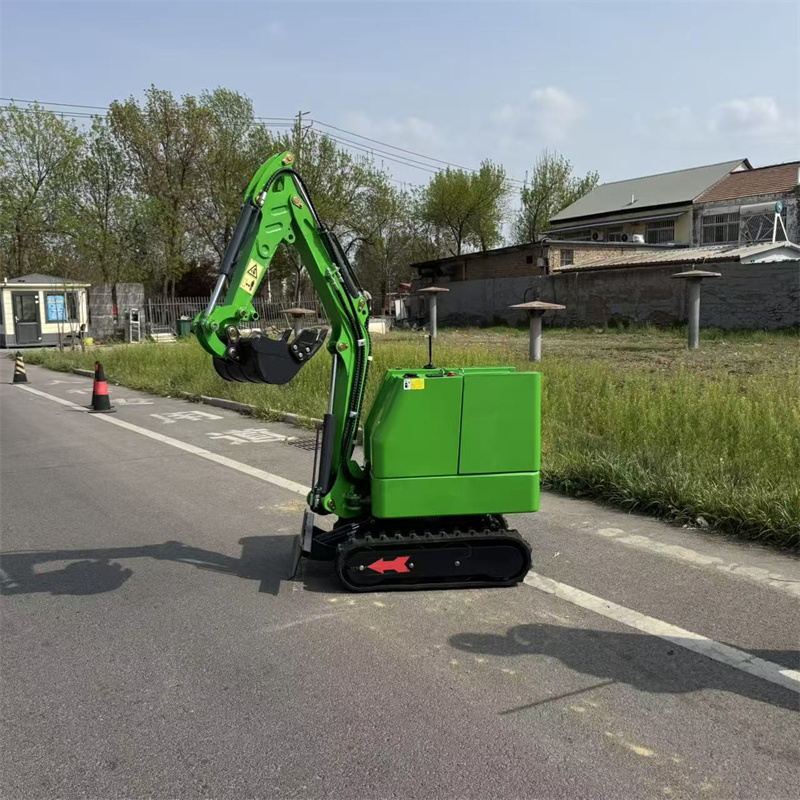
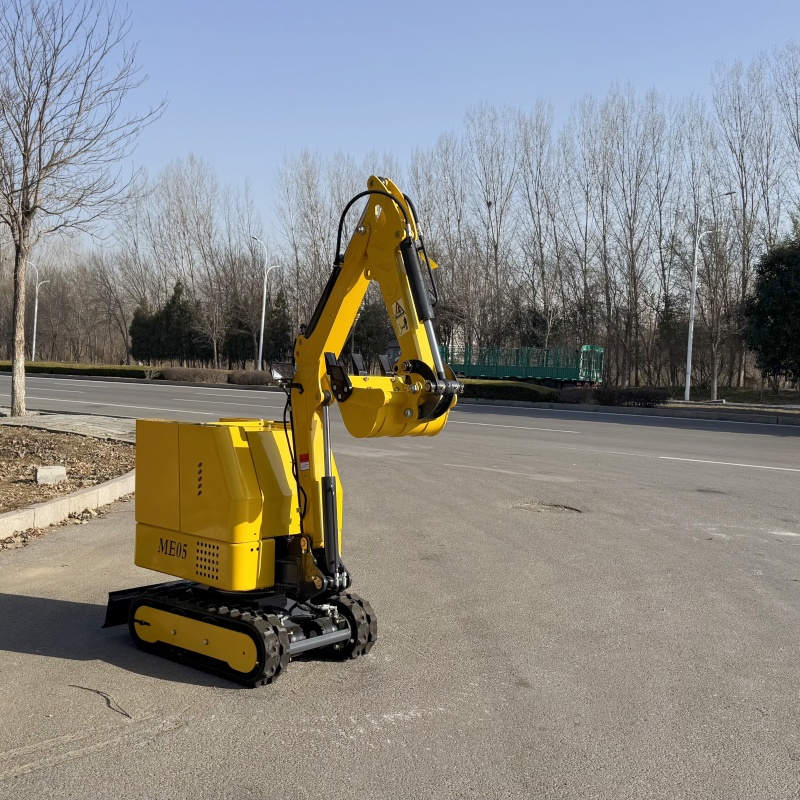
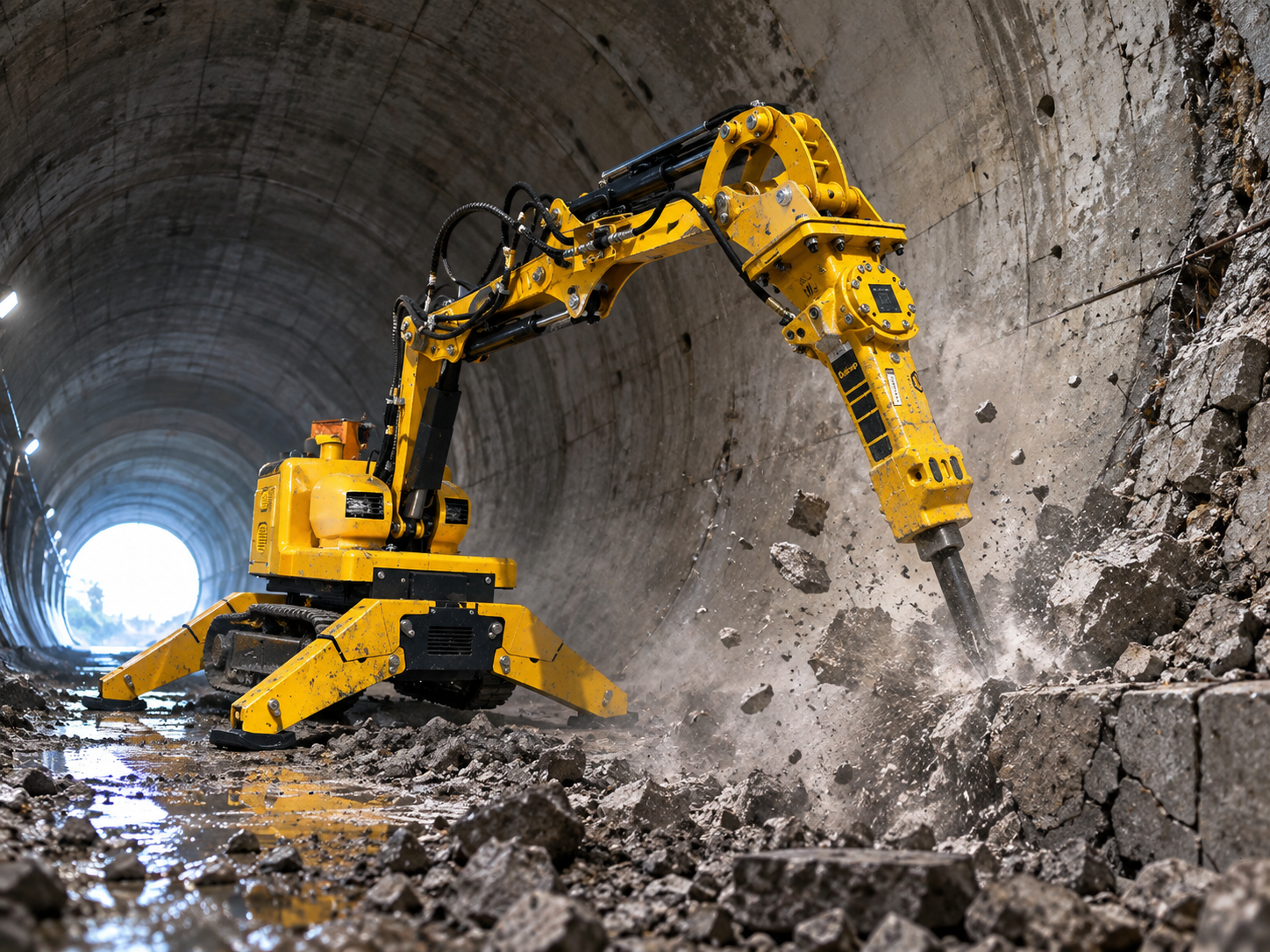
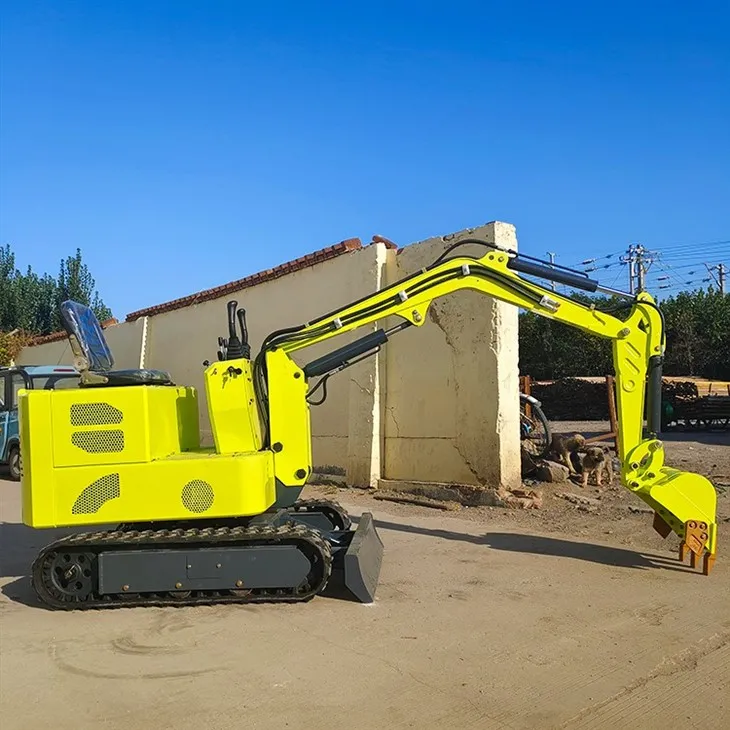
Crawler tracks are a popular choice for 1.5-ton mini excavators, especially when it comes to rough terrain and heavy-duty work. These tracks provide excellent traction and stability, allowing the excavator to move smoothly over uneven ground, mud, and slopes. The wide surface area of the tracks distributes the machine’s weight evenly, reducing the risk of sinking in soft soil.
One of the biggest advantages of crawler tracks is their ability to handle tough jobs. Whether you’re working on a construction site, a mining operation, or a landscaping project, a Crawler Electric Excavator with crawler tracks can get the job done. The tracks also offer better maneuverability in tight spaces, as they can turn on a dime without having to worry about tire skidding.
However, crawler tracks do have some drawbacks. They’re generally more expensive to maintain than rubber tires, as the tracks wear out faster and need to be replaced more frequently. They also move slower than rubber-tired excavators, which can be a disadvantage if you need to cover a lot of ground quickly.
Rubber Tires
Rubber tires are another option for 1.5-ton mini excavators. These tires are lighter and more agile than crawler tracks, making them ideal for jobs that require speed and mobility. They’re also quieter and cause less damage to paved surfaces, which is great for urban construction projects and landscaping work in residential areas.
A 1.5-ton mini excavator with rubber tires can easily move from one job site to another without the need for a trailer. This saves time and money, especially if you have multiple projects in different locations. The rubber tires also provide a smoother ride, which can reduce operator fatigue during long work days.
On the downside, rubber tires have less traction than crawler tracks, especially on soft or slippery surfaces. This means they may not be suitable for jobs in muddy or hilly areas. They also have a lower weight capacity, so they may not be able to handle as much heavy lifting as a crawler excavator.
Choosing the Right Tire Type
So, how do you decide which tire type is right for your 1.5-ton mini excavator? It all comes down to your specific needs and the type of work you’ll be doing. Here are some factors to consider:
Terrain: If you’ll be working on rough, uneven ground, crawler tracks are the way to go. They provide better traction and stability, allowing you to work safely and efficiently. On the other hand, if you’ll be working on paved surfaces or in urban areas, rubber tires may be a better choice.
Job Requirements: Consider the type of work you’ll be doing. If you need to lift heavy loads or perform deep digging, a crawler excavator may be more suitable. If you need to move quickly between job sites or work in tight spaces, a rubber-tired excavator may be the better option.
Budget: Crawler tracks are generally more expensive to purchase and maintain than rubber tires. If you’re on a tight budget, you may want to consider a rubber-tired excavator. However, keep in mind that the initial cost savings may be offset by higher operating costs over time.
Maintenance Tips
Regardless of which tire type you choose, proper maintenance is essential to keep your 1.5-ton mini excavator in top condition. Here are some tips to help you maintain your tires:
Check the Tire Pressure Regularly: Proper tire pressure is crucial for optimal performance and safety. Check the tire pressure at least once a week and adjust it as needed.
Inspect the Tires for Damage: Look for signs of wear, cuts, or punctures on the tires. Replace any damaged tires immediately to avoid further problems.
Clean the Tires: Keep the tires clean to prevent dirt and debris from building up. This can help extend the life of the tires and improve their performance.
Store the Excavator Properly: When not in use, store the excavator in a dry, covered area to protect the tires from the elements.
Conclusion
In conclusion, the tire type of a 1.5-ton mini excavator depends on your specific needs and the type of work you’ll be doing. Crawler tracks offer excellent traction and stability, making them ideal for rough terrain and heavy-duty work. Rubber tires are lighter and more agile, making them suitable for jobs that require speed and mobility.
If you’re still not sure which tire type is right for you, feel free to [contact us](insert contact details here). We’re a leading supplier of 1.5-ton mini excavators, and we can help you choose the right machine and tire type for your needs. Whether you’re looking for a Crawler Electric Excavator, a Mini Excavator Digging machine, or a Used Mini Excavator for Garden, we’ve got you covered.
So, what are you waiting for? Contact us today to learn more about our 1.5-ton mini excavators and start your next project with confidence!
References
Manufacturer’s specifications for 1.5-ton mini excavators
Industry reports on mini excavator tire types
Personal experience as a 1.5-ton mini excavator supplier