Hey there! I’m a supplier of 1.5 – ton excavators, and today I wanna chat about the travel speed of these nifty machines.
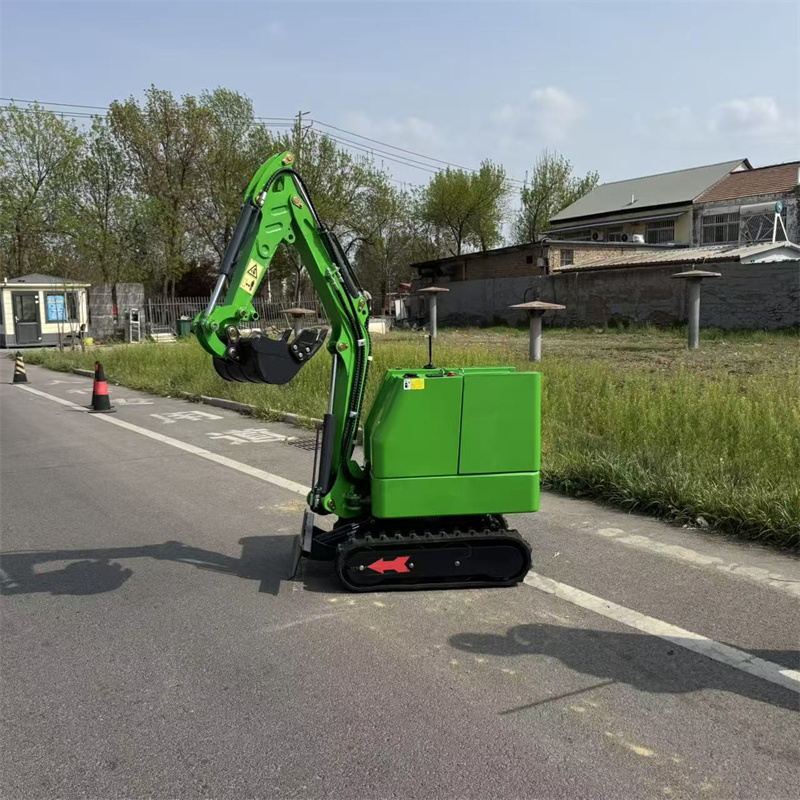
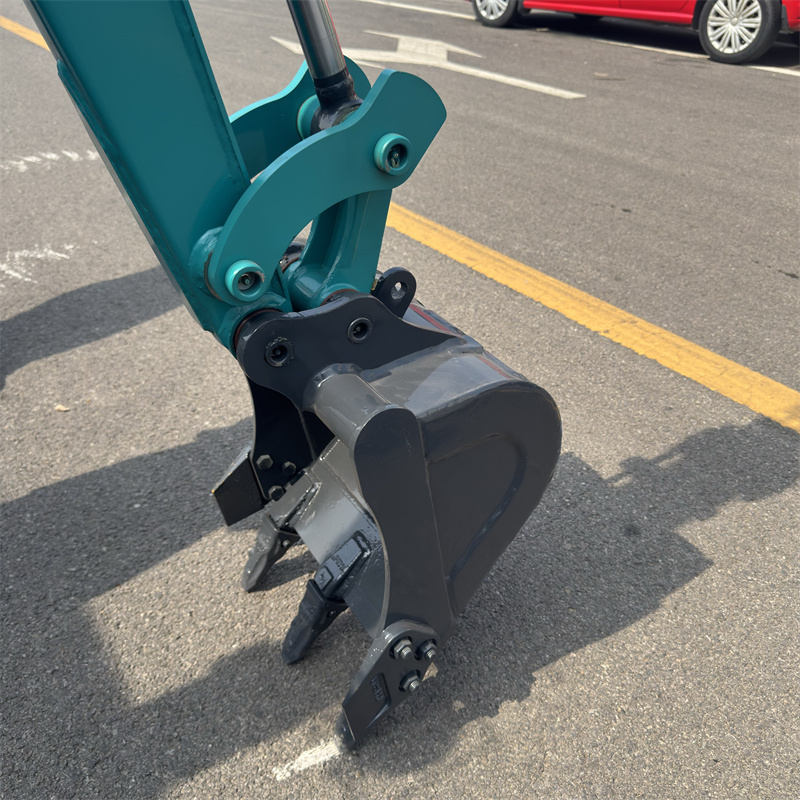
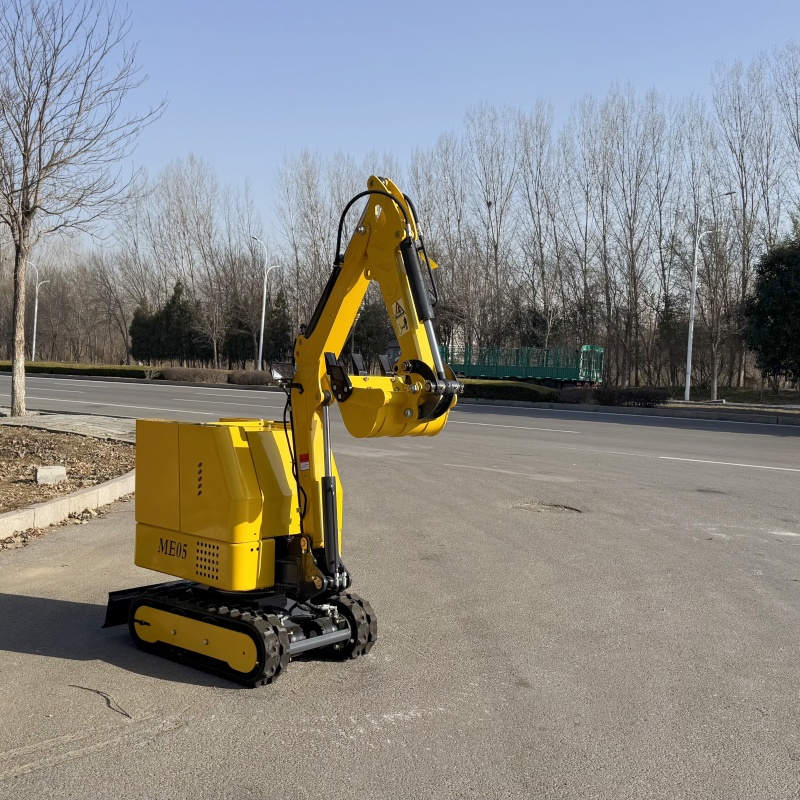
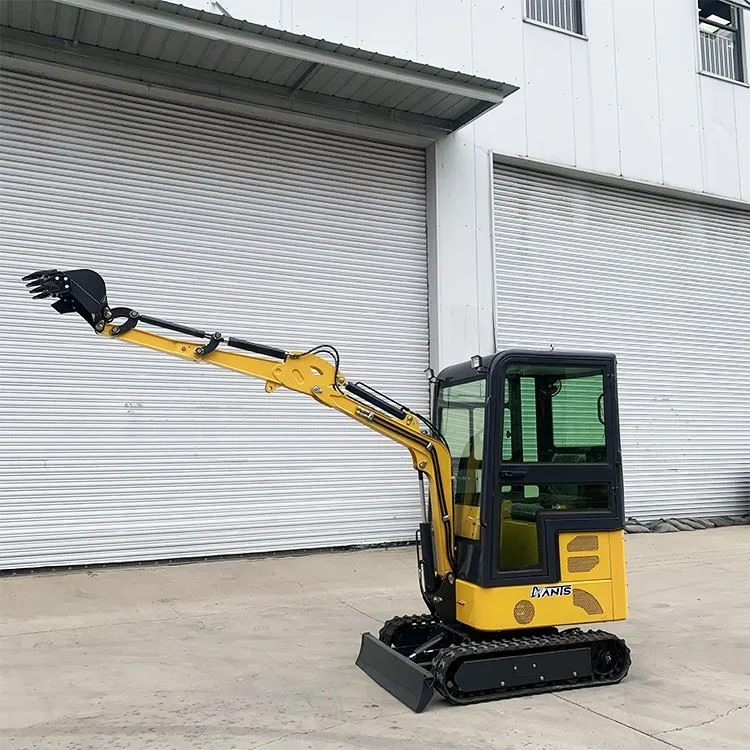
First off, let’s understand what a 1.5 – ton excavator is all about. These are compact yet powerful pieces of equipment, great for small – scale construction, landscaping, and even some home – use projects. They’re not as massive as the big – boys on construction sites, but they pack a punch in terms of functionality.
So, what’s the travel speed of a 1.5 – ton excavator? Well, it can vary depending on a few factors. Generally, the travel speed of these excavators ranges from about 2 to 5 kilometers per hour. That might not sound super fast, but it’s actually pretty decent considering their size and the type of work they’re designed for.
One of the main factors that affect the travel speed is the terrain. If the excavator is moving on a flat, smooth surface like a paved road or a well – compacted dirt path, it can reach the higher end of that speed range. The tracks or wheels (depending on the model) can roll smoothly, allowing the machine to move along at a reasonable clip.
On the other hand, if the terrain is rough, hilly, or muddy, the travel speed will slow down significantly. The excavator has to work harder to maintain traction and stability. In muddy conditions, for example, the tracks can get stuck, and the machine might have to move in short, careful bursts to avoid getting bogged down.
The design of the excavator also plays a role. Some 1.5 – ton excavators are built with more powerful engines and better – optimized drivetrains, which can give them a bit of an edge in terms of speed. Additionally, the weight distribution of the machine matters. A well – balanced excavator will be more stable and can potentially move faster without sacrificing safety.
Now, let’s talk about the different types of 1.5 – ton excavators and how their features can impact travel speed. There are diesel – powered and Lithium Battery Excavator 1.5 Ton. Diesel engines are known for their power and torque, which can sometimes translate into a slightly higher travel speed. However, they also come with the need for regular fuel refills and maintenance.
Lithium – battery excavators, on the other hand, are becoming more popular. They’re quieter, more environmentally friendly, and can offer a consistent level of power. While their travel speed might not be significantly different from diesel models, they have the advantage of instant torque, which can make them more responsive when starting and stopping.
Another type to consider is the Home Use Mini Excavator with Rubber Track. These are designed for light – duty work around the home, like digging small trenches for utilities or moving dirt in a garden. The rubber tracks provide better traction on soft surfaces and are less likely to damage paved areas. However, they might have a slightly lower top speed compared to models with steel tracks, as the rubber has more flexibility and can deform slightly under load.
When it comes to the practical applications of the travel speed, it’s important to think about how quickly the excavator needs to get from one job site to another. For example, if you’re working on a large construction site with multiple excavation points, a faster – moving excavator can save you a lot of time. You can move the machine between different areas more efficiently, increasing your overall productivity.
In a landscaping project, the travel speed might not be as crucial. You’re usually working in a more confined space, and the focus is on the precision of the digging and moving operations. But even in these cases, a reasonable travel speed can still be beneficial when you need to reposition the excavator for different tasks.
If you’re interested in seeing a 1.5 – ton excavator in action, check out Mini Excavator Digging. This link will take you to a page where you can see these machines doing what they do best.
As a supplier of 1.5 – ton excavators, I know that choosing the right machine is essential. You need to consider not only the travel speed but also other factors like the digging depth, lifting capacity, and the overall cost of ownership. If you have any questions about our 1.5 – ton excavators or want to discuss which model would be best for your specific needs, don’t hesitate to reach out. We’re here to help you make an informed decision and get the most out of your investment. Whether you’re a professional contractor or a homeowner looking to tackle a DIY project, we’ve got the right excavator for you. So, feel free to contact us for more information and let’s start the conversation about your next excavation project!
References
Construction Equipment Handbook, various editions
Industry reports on mini – excavator technology and performance