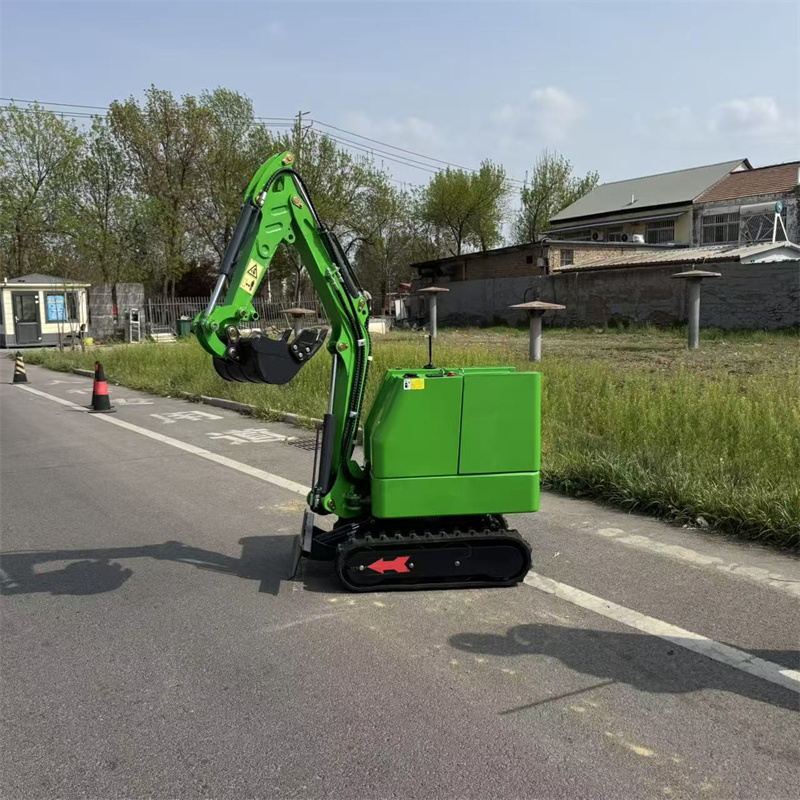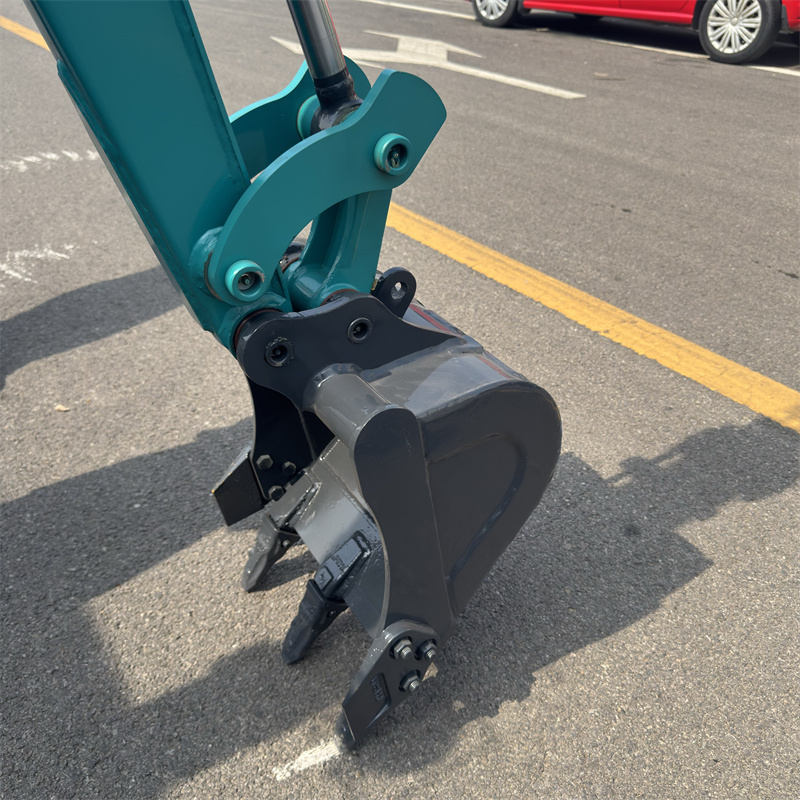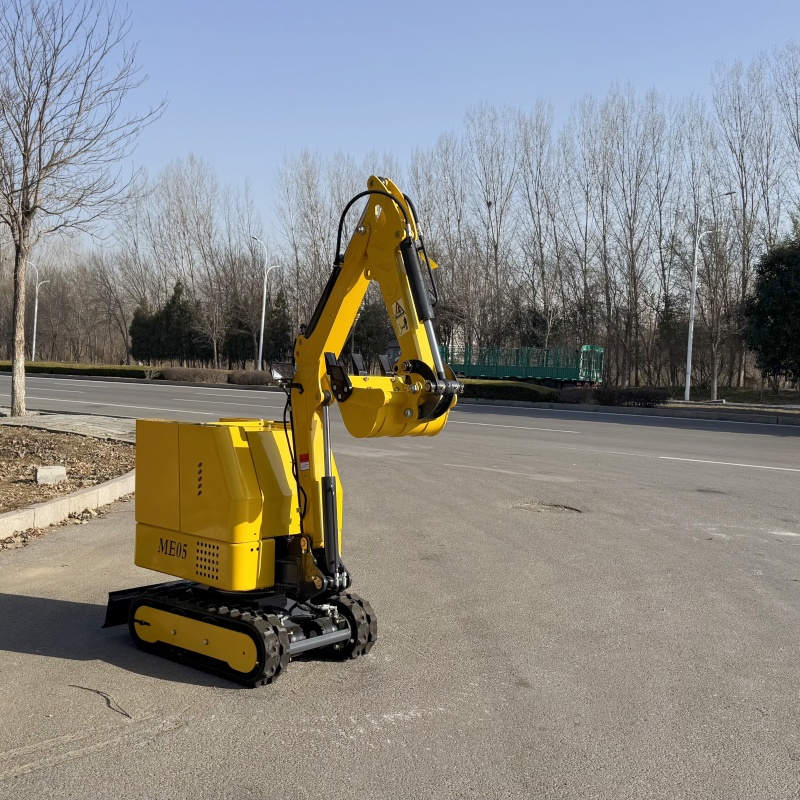
When it comes to construction and excavation projects, the 2.5 Ton Mini Excavator on tracks stands out as a versatile and efficient piece of equipment. As a supplier of these remarkable machines, I’ve had the privilege of witnessing their capabilities firsthand and answering numerous questions from customers. One of the most frequently asked questions is about the travel speed of a 2.5 Ton Mini Excavator on tracks. In this blog, we’ll delve into this topic, exploring the factors that influence travel speed, typical speed ranges, and how it impacts project efficiency.
Understanding the Basics of a 2.5 Ton Mini Excavator
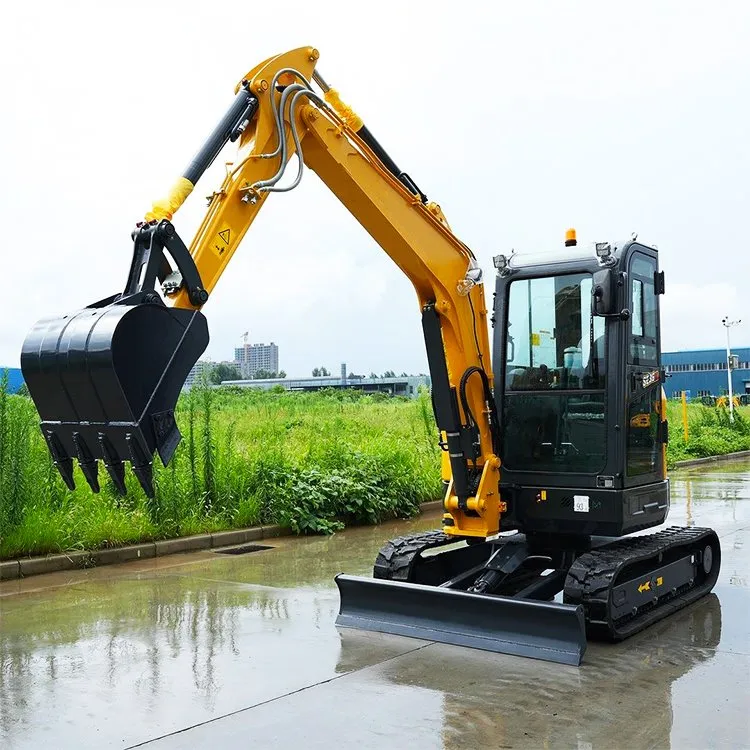
Before we dive into the travel speed, let’s briefly understand what a 2.5 Ton Mini Excavator is. These compact machines are designed for a variety of tasks, from small – scale construction projects to landscaping and utility work. They are equipped with tracks that provide excellent traction, stability, and the ability to operate on various terrains, including soft soil, uneven ground, and even slopes.
The 2.5 Ton Mini Excavator is a popular choice among contractors and operators due to its relatively small size, which allows it to access tight spaces where larger excavators cannot. Despite its compact size, it packs a punch with a powerful engine and a range of attachments that can be used for different purposes, such as digging, lifting, and breaking.
Factors Affecting the Travel Speed of a 2.5 Ton Mini Excavator
Several factors can influence the travel speed of a 2.5 Ton Mini Excavator on tracks. These include:
1. Engine Power
The engine is the heart of the excavator, and its power plays a crucial role in determining the travel speed. A more powerful engine can generate more torque, which enables the machine to move faster. However, engine power is also balanced with other factors such as fuel efficiency and the overall design of the excavator.
2. Track Design and Condition
The design of the tracks, including their width, pitch, and tread pattern, can affect the travel speed. Wider tracks generally provide more stability but may also increase rolling resistance, which can slow down the machine. Additionally, the condition of the tracks is important. Worn – out or damaged tracks can reduce traction and increase the effort required for the machine to move, resulting in a lower travel speed.
3. Terrain
The type of terrain the excavator is operating on has a significant impact on its travel speed. On flat, hard surfaces such as concrete or asphalt, the excavator can achieve its maximum travel speed. However, on soft or uneven ground, the machine may need to slow down to maintain stability and prevent slippage. Slopes also pose a challenge, as the excavator has to work against gravity when moving uphill and needs to control its speed when moving downhill.
4. Load and Attachment
If the excavator is carrying a heavy load or has an attachment installed, it will require more power to move, which can reduce the travel speed. For example, if the bucket is filled with soil or if a breaker attachment is being used, the machine may move more slowly compared to when it is operating without a load.
Typical Travel Speed Ranges
The travel speed of a 2.5 Ton Mini Excavator on tracks can vary depending on the model and the factors mentioned above. Generally, these machines have a travel speed range of approximately 2 – 5 kilometers per hour (1.2 – 3.1 miles per hour). Some models may be capable of reaching slightly higher speeds, while others may have a more limited range.
It’s important to note that this speed is designed to balance safety, stability, and the ability to perform the required tasks effectively. For instance, during excavation work, the operator may need to move the machine slowly and precisely to ensure accurate digging and avoid damage to the surrounding area.
Impact of Travel Speed on Project Efficiency
The travel speed of a 2.5 Ton Mini Excavator can have a significant impact on project efficiency. A higher travel speed allows the machine to move quickly between different work areas, reducing the time spent on transportation and increasing the overall productivity of the project.
For example, in a large – scale construction site where the excavator needs to move between multiple excavation points, a faster travel speed can save a considerable amount of time. This means that more work can be completed in a shorter period, leading to cost savings and potentially earlier project completion.
However, it’s also important to consider the trade – off between travel speed and other factors such as stability and safety. Moving too fast on uneven or soft terrain can increase the risk of accidents, which can not only delay the project but also result in damage to the machine and potential harm to the operator.
Comparing with Other Mini Excavators
When considering the travel speed of a 2.5 Ton Mini Excavator, it’s interesting to compare it with other similar machines in the market. For example, the 3.5 Ton Mini Excavator and the 3.5 Ton Mini Electric Excavator may have different travel speed characteristics.
The 3.5 Ton Mini Excavator, being larger and heavier, may have a slightly different power – to – weight ratio, which can affect its travel speed. It may be able to carry heavier loads but may also require more power to move, potentially resulting in a lower travel speed compared to the 2.5 Ton Mini Excavator in some situations.
On the other hand, the 3.5 Ton Mini Electric Excavator offers the advantage of quiet operation and lower emissions. However, its travel speed may be influenced by the battery capacity and the efficiency of the electric motor.
Conclusion and Call to Action
In conclusion, the travel speed of a 2.5 Ton Mini Excavator on tracks is influenced by multiple factors, including engine power, track design, terrain, load, and attachment. Understanding these factors can help operators and contractors make informed decisions about how to optimize the use of the machine for their projects.
If you’re in the market for a 2.5 Ton Mini Excavator or have any questions about its travel speed or other features, we’re here to help. Our team of experts can provide you with detailed information, technical specifications, and advice on choosing the right machine for your specific needs. Whether you’re a small – scale contractor or a large construction company, our 2.5 Ton Mini Excavator can offer the performance and reliability you need. Contact us today to start a discussion about your project requirements and explore how our machines can enhance your work efficiency.
References
Construction Equipment Handbook: Covers general information about mini – excavators, including their design, operation, and performance characteristics.
Manufacturer’s Technical Manuals: Provide detailed specifications and technical information about specific models of 2.5 Ton Mini Excavators.