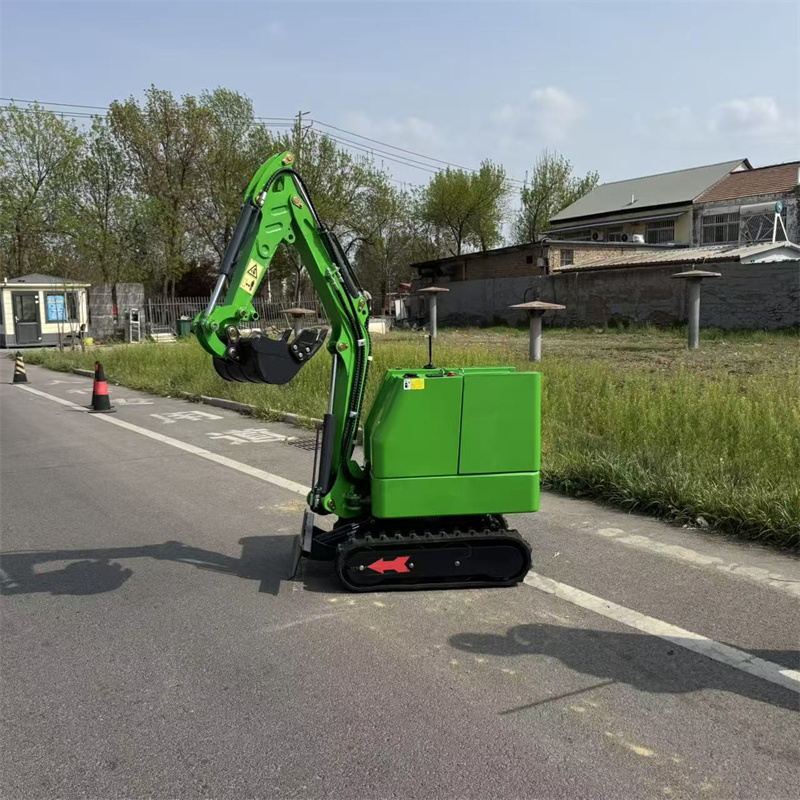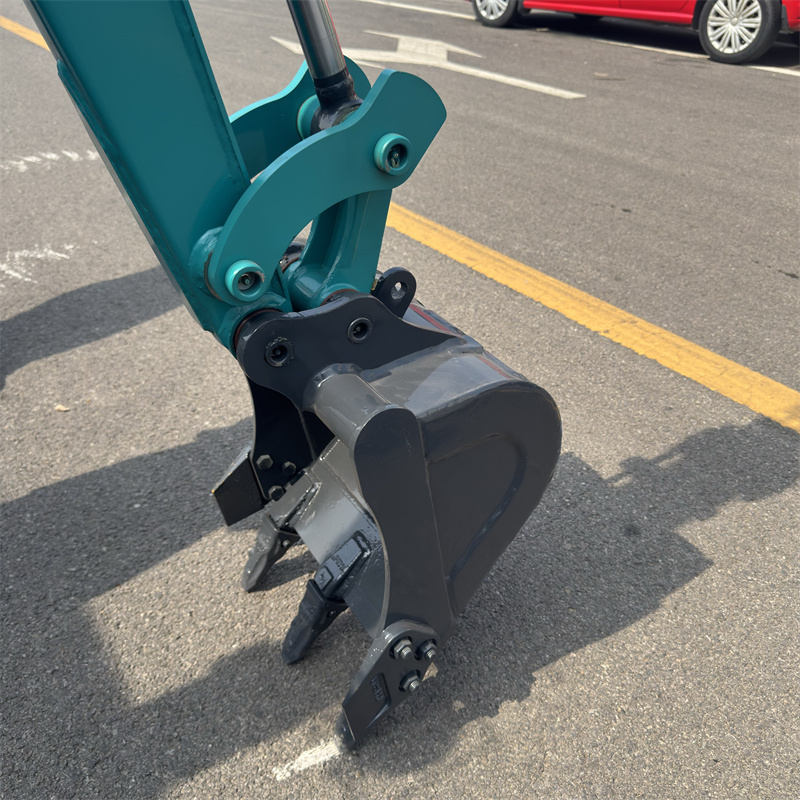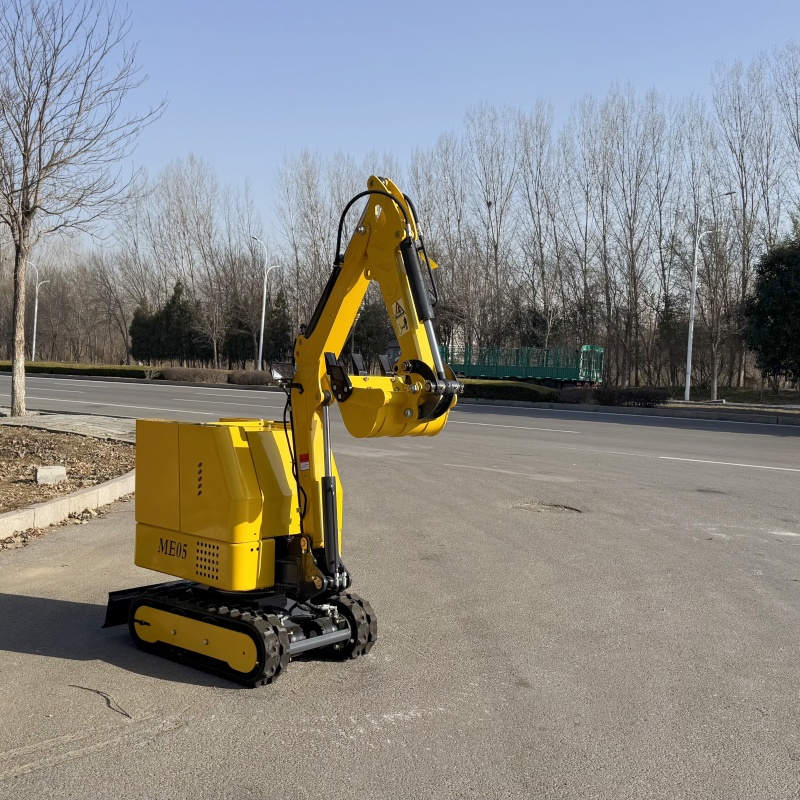
When it comes to construction, landscaping, or any job that requires moving materials in tight spaces, a Mini Crawler Dumper can be a game – changer. As a supplier of Mini Crawler Dumpers, I often get asked about various aspects of these machines, and one of the most common questions is: What is the unloading time of a Mini Crawler Dumper?
Understanding the Mini Crawler Dumper
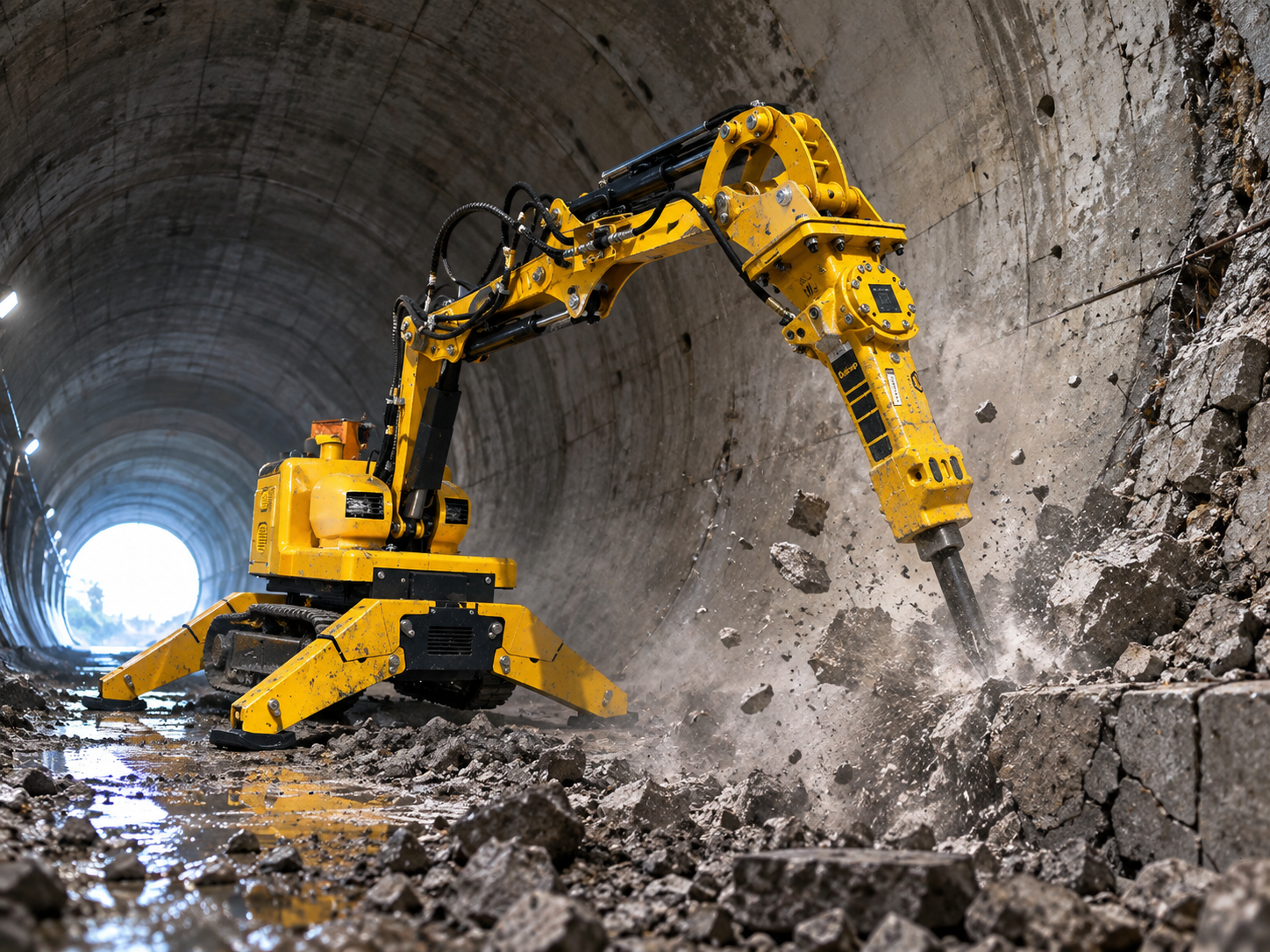
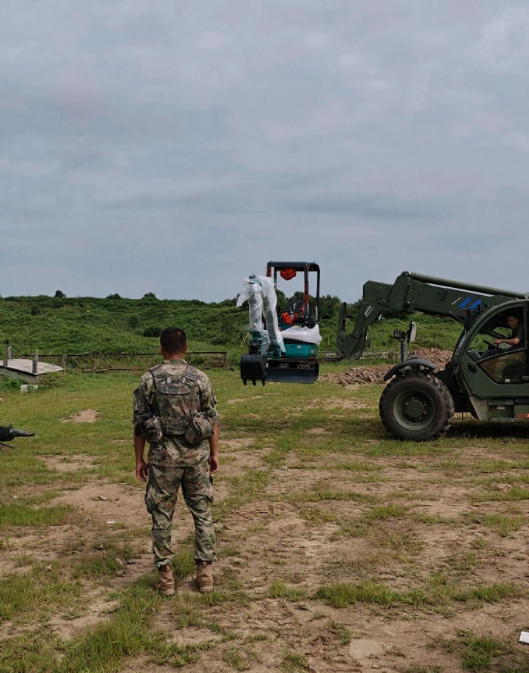
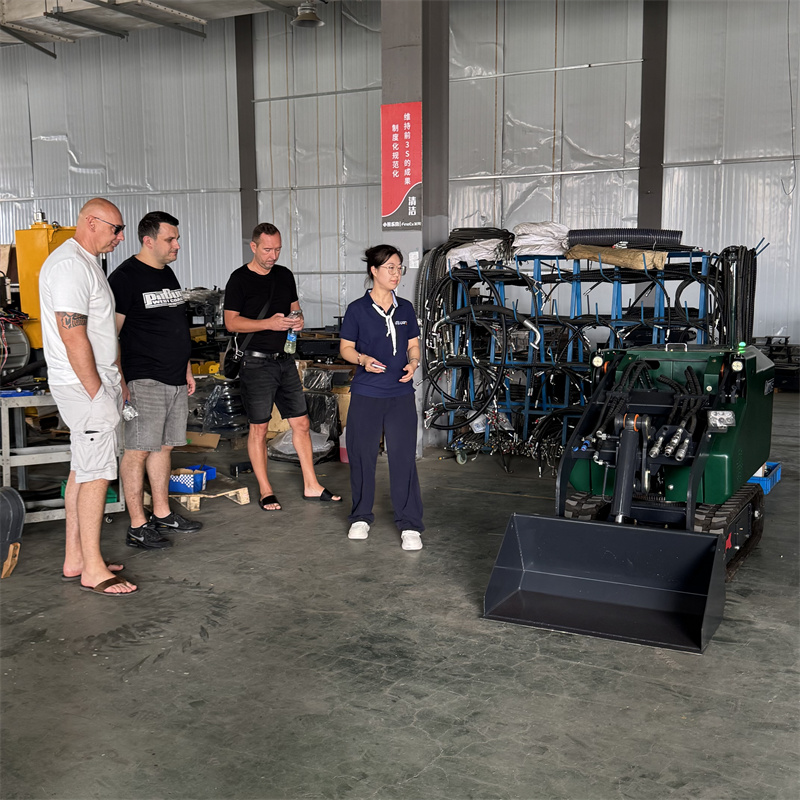
Before delving into the unloading time, let’s briefly understand what a Mini Crawler Dumper is. A Mini Crawler Dumper is a compact, versatile machine designed to transport and unload materials such as soil, gravel, sand, and debris. Its crawler tracks provide excellent stability and traction, allowing it to operate on uneven terrain and in confined areas where larger vehicles cannot reach. You can learn more about Mini Crawler Dumpers here.
Factors Affecting Unloading Time
The unloading time of a Mini Crawler Dumper is not a fixed value and can vary depending on several factors.
1. Dumper Capacity
The capacity of the dumper is a significant factor. Mini Crawler Dumpers come in different capacities, typically ranging from a few hundred kilograms to over a ton. A dumper with a larger capacity will generally take longer to unload compared to a smaller one. For example, a dumper with a 500 – kg capacity may unload its contents faster than a 1 – ton dumper because there is less material to discharge.
2. Material Type
The type of material being transported also plays a crucial role. Materials with a high flowability, such as sand or small gravel, will unload more quickly than sticky or cohesive materials like wet clay. Wet clay tends to stick to the dumper’s body, which can slow down the unloading process as it may require additional shaking or prodding to get all the material out.
3. Unloading Mechanism
Mini Crawler Dumpers are equipped with different unloading mechanisms. Some have hydraulic tipping systems, which are relatively fast and efficient. The hydraulic system can quickly lift the dumper’s body to a steep angle, allowing the material to slide out rapidly. On the other hand, some dumpers may have manual or semi – manual unloading systems, which are generally slower as they rely on human effort to operate.
4. Operator Skill
The skill and experience of the operator can impact the unloading time. An experienced operator knows how to position the dumper correctly, operate the unloading mechanism efficiently, and make adjustments if the material is not unloading smoothly. A novice operator may take longer to complete the unloading process due to inexperience.
Average Unloading Times
Based on my experience as a supplier and feedback from customers, here are some approximate unloading times for different scenarios:
Small – Capacity Dumpers with Flowable Materials
For a Mini Crawler Dumper with a capacity of around 300 – 500 kg transporting sand or small gravel and equipped with a hydraulic tipping system, the unloading time can be as short as 10 – 15 seconds. The high flowability of the material and the efficient hydraulic system allow for a quick discharge.
Medium – Capacity Dumpers with Average Materials
A dumper with a capacity of 700 – 1000 kg transporting a mixture of soil and gravel may take around 20 – 30 seconds to unload. This is because there is more material to handle, and the mixture may not flow as smoothly as pure sand or gravel.
Large – Capacity Dumpers with Cohesive Materials
When using a 1 – ton or larger Mini Crawler Dumper to transport wet clay or other cohesive materials, the unloading time can increase significantly. It may take anywhere from 40 seconds to over a minute, especially if the material is sticking to the dumper’s body and requires additional effort to remove.
Comparison with Other Equipment
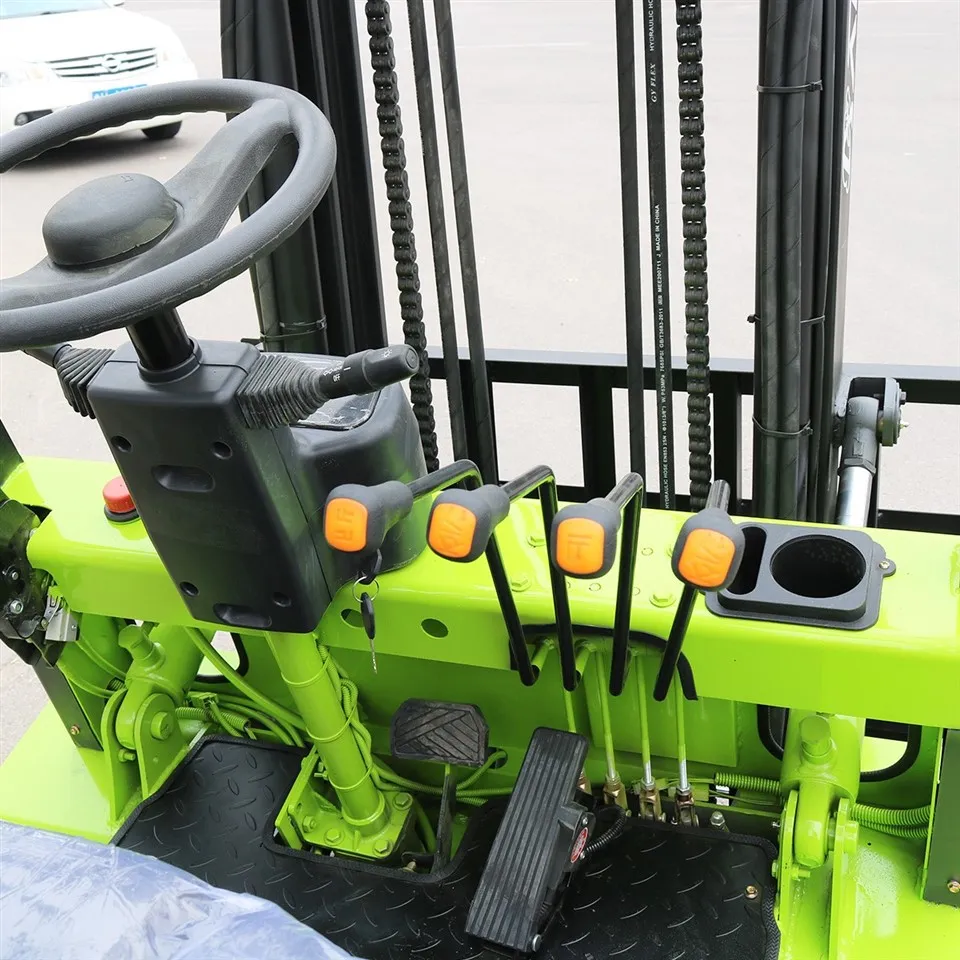
It’s interesting to compare the unloading time of a Mini Crawler Dumper with other similar equipment. For example, an Electric Pallet Forklift here is mainly used for moving palletized goods. While it can unload pallets relatively quickly, it is not designed for bulk material handling like a Mini Crawler Dumper. An Electric Forklift here is also more suitable for lifting and moving individual items rather than bulk unloading.
In terms of unloading bulk materials, a Mini Crawler Dumper has an advantage over these forklifts as it is specifically designed for this purpose. However, in a warehouse setting where palletized goods are the norm, forklifts are more efficient for their intended use.
Importance of Unloading Time
Understanding the unloading time of a Mini Crawler Dumper is crucial for project planning. In construction or landscaping projects, time is money. A shorter unloading time means that the dumper can make more trips in a given period, increasing productivity. For example, if a project requires moving a large amount of soil, a dumper with a fast unloading time can complete the job more quickly, reducing labor costs and overall project duration.
Tips to Reduce Unloading Time
If you want to minimize the unloading time of your Mini Crawler Dumper, here are some tips:
1. Choose the Right Dumper
Select a dumper with an appropriate capacity for your project. If you don’t need a large – capacity dumper, opt for a smaller one as it will unload faster. Also, choose a dumper with a hydraulic tipping system for maximum efficiency.
2. Prepare the Material
If possible, pre – treat the material to improve its flowability. For example, if you are transporting wet clay, you can add some dry sand or gravel to reduce its stickiness.
3. Train the Operator
Ensure that your operators are well – trained in using the dumper’s unloading mechanism. Provide them with training on proper positioning, operation, and troubleshooting in case of unloading issues.
Conclusion
The unloading time of a Mini Crawler Dumper is influenced by multiple factors, including dumper capacity, material type, unloading mechanism, and operator skill. While average unloading times can range from 10 seconds for small – capacity dumpers with flowable materials to over a minute for large – capacity dumpers with cohesive materials, there are ways to optimize this process.
If you are in the market for a Mini Crawler Dumper or want to learn more about how to improve the efficiency of your existing equipment, I encourage you to reach out for a detailed discussion. We can help you select the right dumper for your specific needs and provide you with all the necessary information to ensure smooth and efficient operation.
References
Construction Equipment Handbook, 3rd Edition
Landscaping Machinery and Equipment Manual