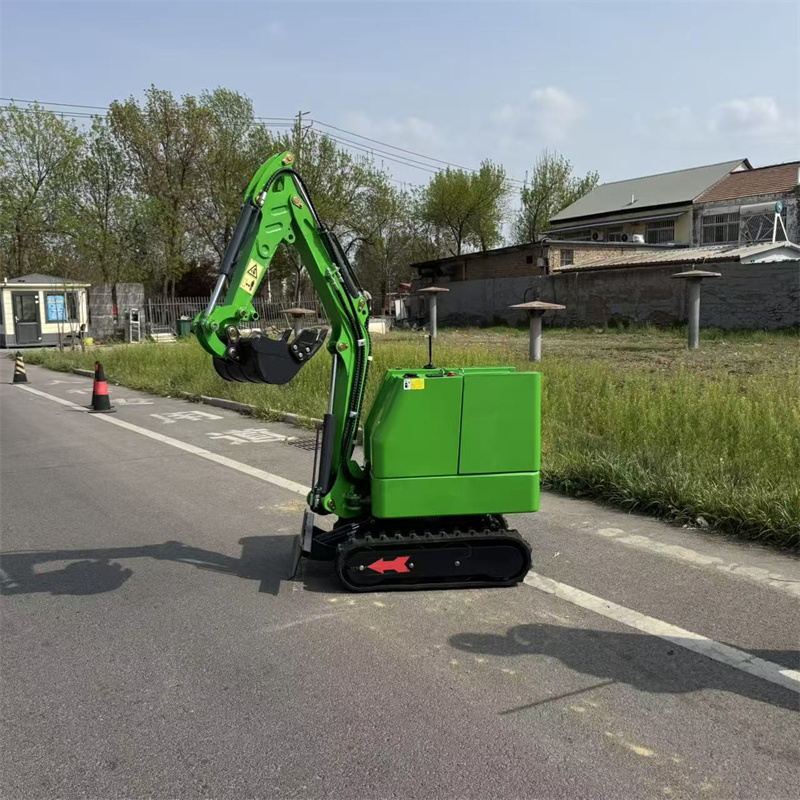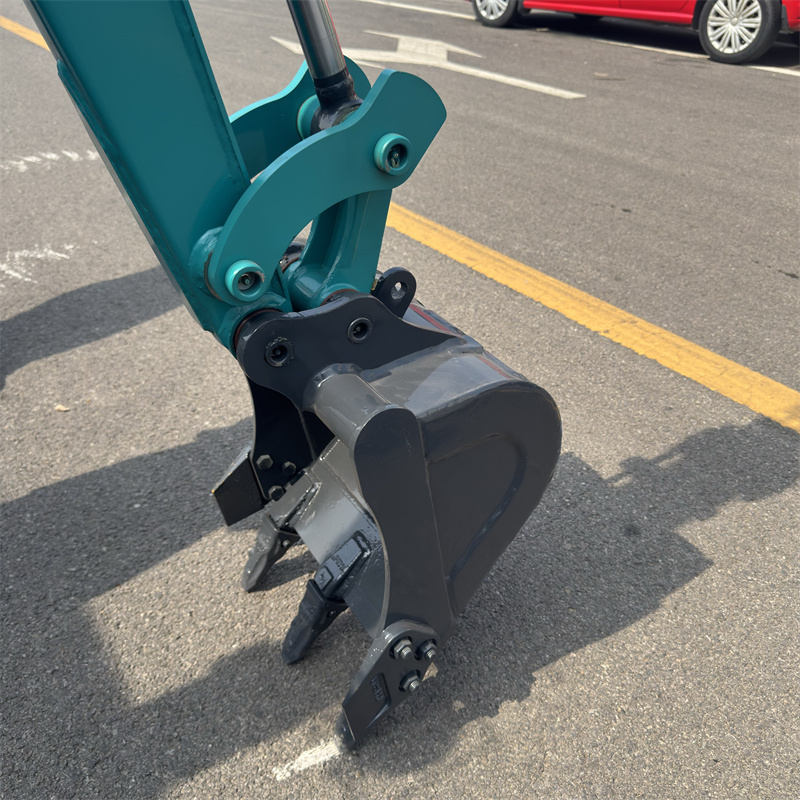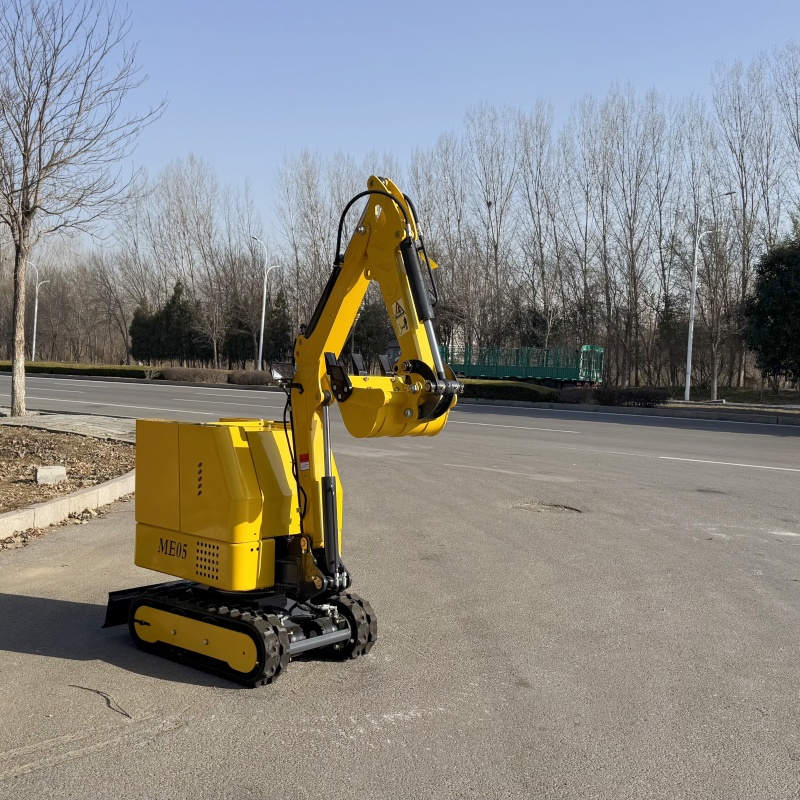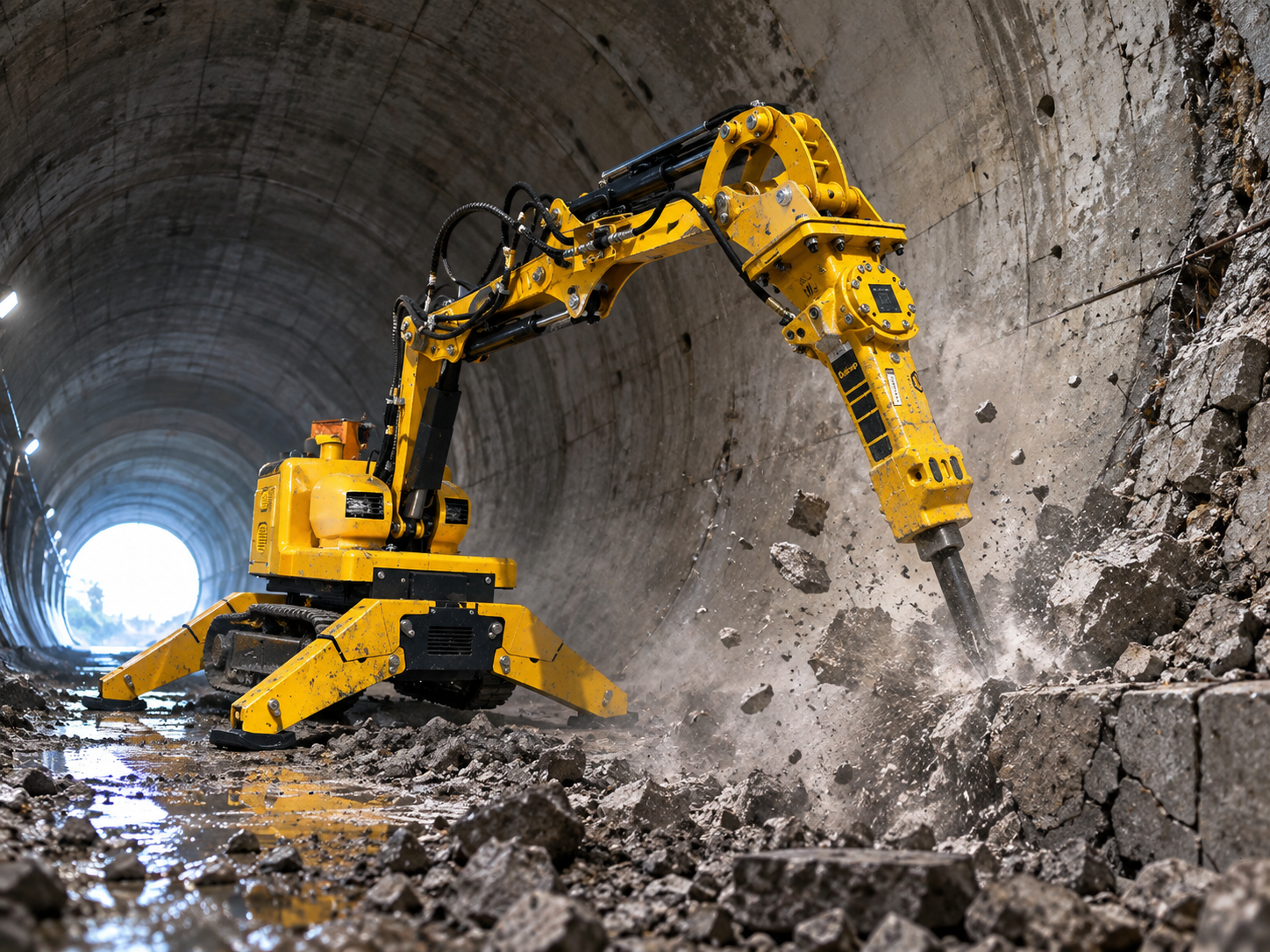
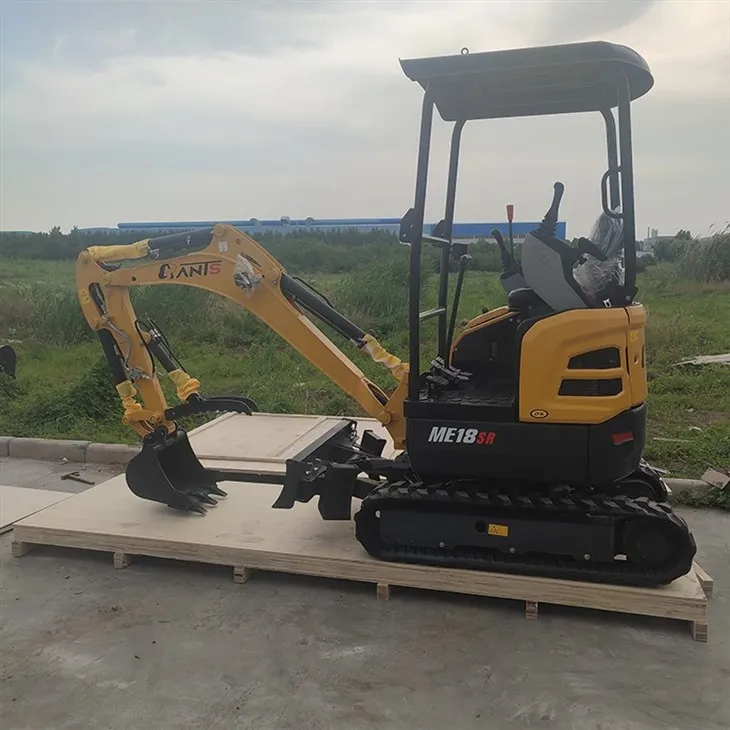
When it comes to the performance of a Mini Crawler Excavator, one of the most critical components that often goes under – the – radar is the bucket teeth. These small but mighty parts play a pivotal role in the machine’s efficiency, especially in terms of wear – resistance. As a well – established Mini Crawler Excavator supplier, I’ve witnessed firsthand how the wear – resistance of bucket teeth can make or break a project.
Understanding the Importance of Wear – Resistance
Bucket teeth are the front – line warriors of a Mini Crawler Excavator. They are constantly in contact with various materials, such as soil, gravel, rocks, and even concrete in some cases. Without proper wear – resistance, these teeth can quickly wear down, leading to a host of problems.
Firstly, worn – out bucket teeth reduce the digging efficiency of the excavator. When the teeth are no longer sharp or intact, they have to work harder to penetrate and break through the material. This results in increased fuel consumption as the machine has to exert more power. Secondly, frequent replacement of bucket teeth due to wear can be a significant cost factor. Not only do you have to purchase new teeth, but there is also the downtime associated with the replacement process, which can delay projects and cause financial losses.
Factors Affecting the Wear – Resistance of Bucket Teeth
Several factors influence the wear – resistance of bucket teeth on a Mini Crawler Excavator.
Material Quality
The material used to manufacture the bucket teeth is perhaps the most crucial factor. High – quality alloys are commonly used to ensure good wear – resistance. For example, some bucket teeth are made from manganese steel, which has excellent toughness and abrasion resistance. Manganese steel can withstand high – impact forces without breaking, making it suitable for heavy – duty digging operations. Another popular material is high – carbon steel, which offers high hardness and wear – resistance. However, it may be more brittle compared to manganese steel, so it needs to be used carefully in applications where there are high – impact loads.
Heat Treatment
Heat treatment is another important process that can enhance the wear – resistance of bucket teeth. Through heat treatment, the internal structure of the material can be modified to improve its hardness and toughness. For instance, quenching and tempering are common heat – treatment processes. Quenching involves rapidly cooling the heated material to increase its hardness, while tempering is done to relieve the internal stresses and improve the toughness of the material. A well – heat – treated bucket tooth can have a longer service life and better wear – resistance compared to one that has not undergone proper heat treatment.
Operating Conditions
The operating conditions of the Mini Crawler Excavator also have a significant impact on the wear – resistance of the bucket teeth. If the excavator is used in a harsh environment with abrasive materials such as sand or gravel, the bucket teeth will experience more wear. Similarly, if the digging is done at high – speed or with excessive force, it can accelerate the wear of the teeth. On the other hand, if the excavator is used in a relatively soft soil environment, the wear on the bucket teeth will be less severe.
Testing and Evaluating Wear – Resistance
As a Mini Crawler Excavator supplier, we take the wear – resistance of bucket teeth very seriously. We conduct various tests to evaluate the performance of the bucket teeth before they are installed on our machines.
One common test is the abrasion test. In this test, the bucket teeth are subjected to a controlled abrasive environment, such as rubbing against a rotating abrasive wheel. The amount of material loss after a certain number of rotations is measured to determine the wear – resistance of the teeth. Another test is the impact test, which measures the ability of the bucket teeth to withstand high – impact forces without breaking. A pendulum or a drop – weight test can be used to simulate the impact forces that the teeth may encounter during normal operation.
Our Solutions for High – Wear – Resistance Bucket Teeth
At our company, we are committed to providing Mini Crawler Excavators with bucket teeth that offer excellent wear – resistance. We source high – quality materials from reliable suppliers and ensure that our manufacturing processes, including heat treatment, are carried out to the highest standards.
We also offer a range of bucket teeth options to suit different operating conditions. For customers who use their excavators in abrasive environments, we recommend our manganese – steel bucket teeth, which are known for their excellent wear – resistance and toughness. For those who need a more cost – effective solution for less – demanding applications, our high – carbon steel bucket teeth can be a good choice.
In addition to the material and manufacturing quality, we also provide regular maintenance and inspection services for our customers. We can help customers identify signs of wear on the bucket teeth early and provide timely replacement or repair advice. This proactive approach can help extend the service life of the bucket teeth and reduce the overall operating costs of the Mini Crawler Excavator.
Real – World Applications and Case Studies
Let’s take a look at some real – world applications to understand the importance of wear – resistance in bucket teeth.
Construction Projects
In construction projects, Mini Crawler Excavators are often used for tasks such as digging foundations, trenching, and backfilling. The bucket teeth have to deal with a variety of materials, including soil, rocks, and concrete debris. For example, in a recent construction project where our 1.8 Ton Mini Excavator was used, the bucket teeth made from high – quality manganese steel showed excellent wear – resistance. Despite continuous digging in a rocky soil environment for several weeks, the teeth only showed minimal wear. This not only saved the customer on replacement costs but also ensured that the project was completed on time.
Landscaping Projects
Mini Crawler Excavators are also widely used in landscaping projects. In these applications, the bucket teeth are mainly used for tasks such as grading, digging small ponds, and moving soil. The Mini Excavator Landscaping operations usually involve softer materials, but the teeth still need to have good wear – resistance to maintain their efficiency. Our Mini Hydraulic Excavator equipped with well – heat – treated high – carbon steel bucket teeth has been well – received in the landscaping industry. The teeth can easily penetrate and move the soil without excessive wear, providing a smooth and efficient digging experience.
Conclusion
The wear – resistance of bucket teeth on a Mini Crawler Excavator is a crucial aspect that can significantly affect the performance and cost – effectiveness of the machine. By understanding the factors that influence wear – resistance, such as material quality, heat treatment, and operating conditions, and by taking appropriate measures to ensure high – quality manufacturing and maintenance, we can provide our customers with bucket teeth that offer long – lasting performance.
If you are in the market for a Mini Crawler Excavator or need advice on improving the wear – resistance of your existing bucket teeth, we are here to help. Our team of experts can provide you with detailed information and customized solutions based on your specific needs. Contact us today to start a discussion about your requirements and explore how our products can benefit your projects.
References
Smith, J. (2018). “Advanced Materials for Construction Equipment Components”. Journal of Construction Materials Science, 25(3), 123 – 135.
Johnson, R. (2019). “Wear – Resistance Testing of Bucket Teeth”. International Journal of Mining and Excavation Technology, 18(2), 89 – 98.
Brown, A. (2020). “Heat Treatment Processes for Improving the Performance of Construction Equipment Parts”. Heat Treatment Engineering Review, 32(4), 56 – 65.