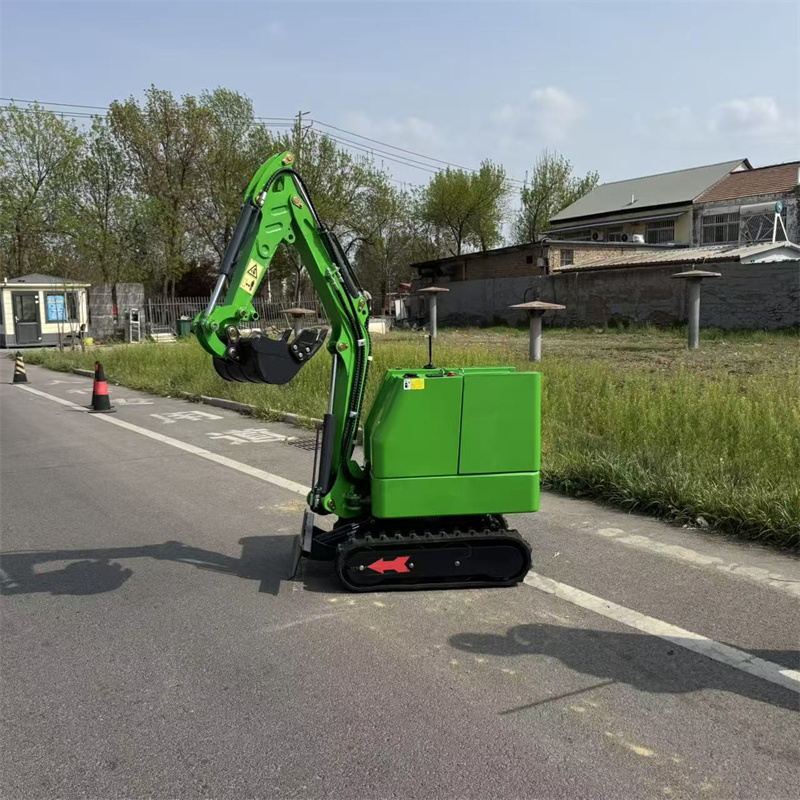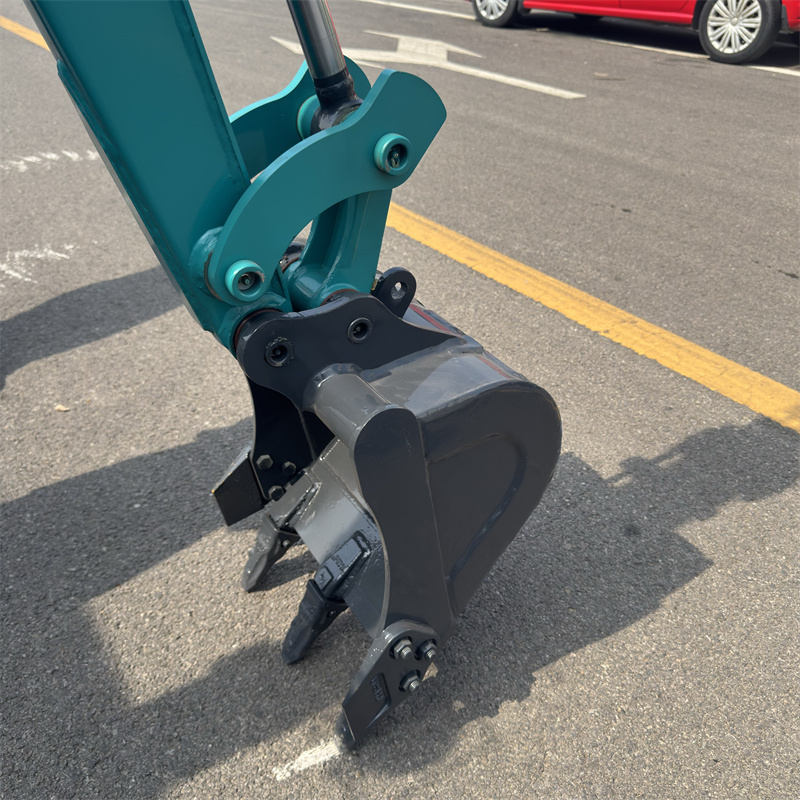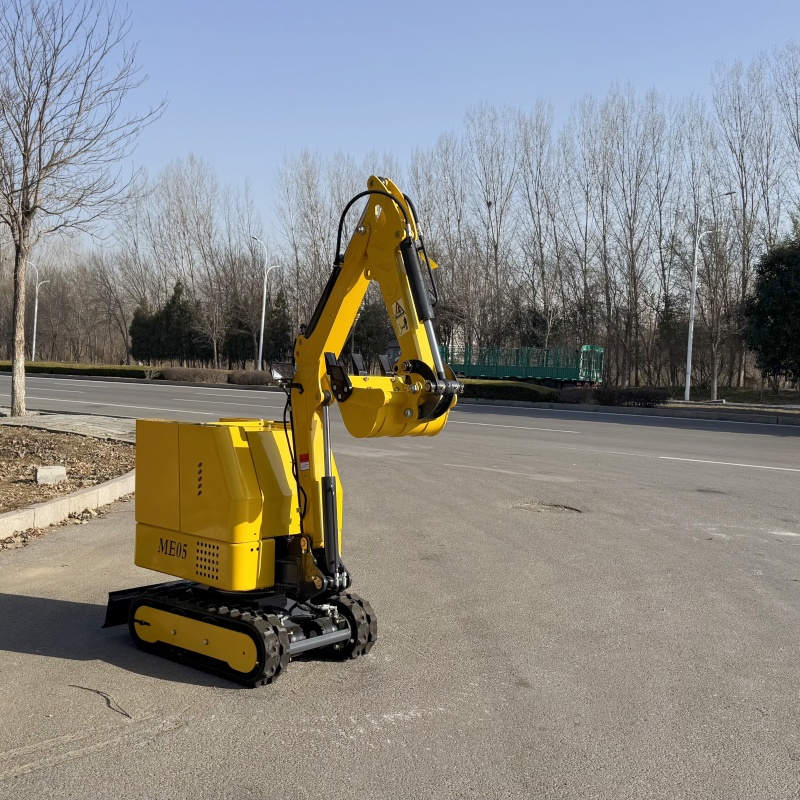
When it comes to general digging tasks, one of the most critical considerations for contractors, landscapers, and DIY enthusiasts is choosing the right mini excavator. A key factor in this decision is the weight of the mini excavator, which can significantly impact its performance, versatility, and suitability for various jobs. As a supplier of Mini Excavator Digging, I’ve had the opportunity to work closely with customers to understand their needs and help them select the ideal equipment. In this blog post, I’ll share insights on what weight of a mini excavator is suitable for general digging tasks.
Understanding Mini Excavator Weight Categories
Mini excavators are generally classified into several weight categories, each designed to meet specific requirements. These categories typically range from less than 1 ton to around 5 tons.
Less than 1 Ton Mini Excavators
These ultra – compact machines are incredibly lightweight and highly maneuverable. They are often referred to as micro or mini – micro excavators. Their light weight makes them ideal for indoor work, such as basement excavation or interior demolition. They can easily fit through standard doorways and operate in tight spaces where larger equipment cannot access. For example, in a small home renovation project where you need to dig a small trench for a new plumbing line in a confined backyard, a less – than – 1 – ton mini excavator would be a great choice. However, due to their limited size and power, they are not suitable for heavy – duty digging in hard soil or large – scale projects.
1 – 2 Ton Mini Excavators
This weight range offers a good balance between maneuverability and digging power. They are suitable for a wide variety of general digging tasks. Landscaping projects, such as digging small ponds, laying drainage pipes, or creating flower beds, are well within their capabilities. They can also be used for light construction work, like digging footings for small structures. Their relatively light weight allows them to be transported easily on a small trailer, which is convenient for contractors who need to move between job sites frequently. For instance, a local landscaper who takes on multiple small – scale projects in a day can rely on a 1 – 2 ton mini excavator to get the job done efficiently.
2 – 3 Ton Mini Excavators
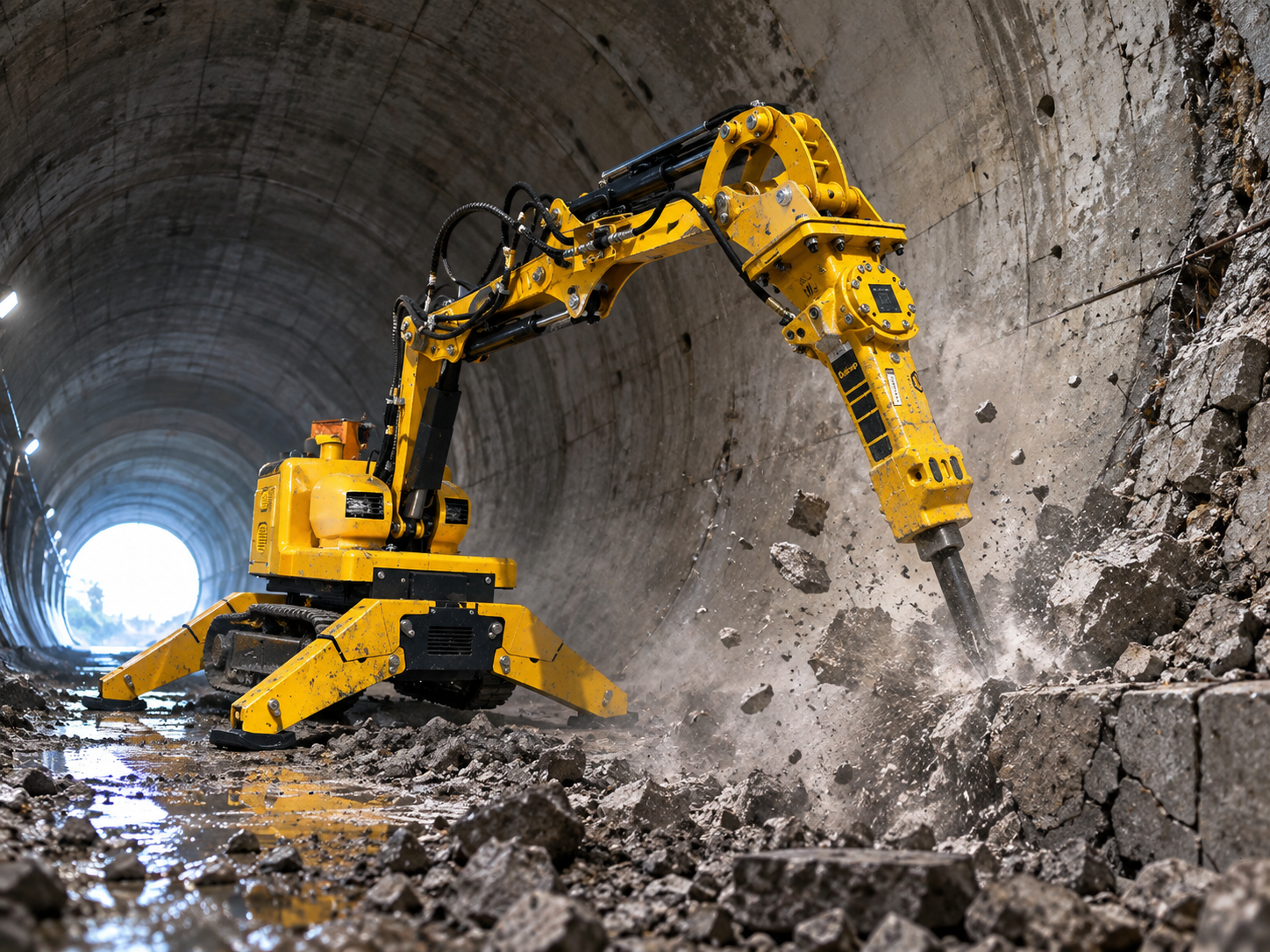
These machines have more power compared to the smaller models. They are capable of handling more demanding digging tasks, such as digging deeper trenches for utility lines or excavating for small – to – medium – sized building foundations. They are also better suited for working in moderately hard soil conditions. In addition, they often come with more advanced features and attachments, which increases their versatility. For example, they can be equipped with a hydraulic breaker for breaking up concrete or rock, making them useful for demolition and site preparation work.
3 – 5 Ton Mini Excavators
At the heavier end of the mini – excavator spectrum, 3 – 5 ton machines offer substantial digging power. They are suitable for larger construction and excavation projects. They can dig deeper and wider than their lighter counterparts, and are capable of handling heavy – duty tasks such as large – scale earthmoving and excavation for commercial buildings. However, their larger size and weight mean that they require a larger trailer for transportation and may have more limited access in extremely tight spaces.
Factors Influencing the Choice of Weight
Nature of the Digging Task
The type of digging task is the primary factor in determining the appropriate weight of the mini excavator. If the task involves digging in soft soil, a lighter machine may be sufficient. For example, in a sandy coastal area where soil is loose, a 1 – 2 ton mini excavator can easily dig trenches or small holes. On the other hand, if the soil is hard clay or rocky, a heavier and more powerful machine, such as a 3 – 5 ton mini excavator, will be needed to break through the tough ground.
Site Conditions
The physical characteristics of the job site play a crucial role. If the site has limited access, such as a narrow alleyway or a crowded urban area, a lighter and more compact machine will be necessary. In contrast, if the site is large and open, a heavier machine can operate more efficiently, as it can cover more ground in less time.
Transportation Requirements
The ease of transportation is another important consideration. If you need to move the excavator frequently between different job sites, a lighter machine that can be towed by a standard pickup truck or a small trailer is preferable. Heavier machines may require a larger, more specialized transport vehicle, which can add to the cost and logistical complexity of the project.
Advantages of Choosing the Right Weight
Cost – Efficiency
Selecting the right – weight mini excavator can save you money in the long run. If you choose a machine that is too large for the task, you’ll end up paying more for fuel, maintenance, and potentially transportation. On the other hand, if you choose a machine that is too small, it may take longer to complete the job, which can result in increased labor costs. For example, using a 5 – ton excavator for a small backyard landscaping project would be overkill and wasteful, while using a less – than – 1 – ton machine for a large – scale commercial excavation would be inefficient and time – consuming.
Productivity
The right – weight machine will be more productive. It will be able to complete the digging task more quickly and with less effort. A well – matched mini excavator can work at an optimal pace, which is essential for meeting project deadlines and maximizing profits.
Our Product Offerings
As a Mini Excavator Digging supplier, we offer a wide range of mini excavators in different weight categories to meet your specific needs.
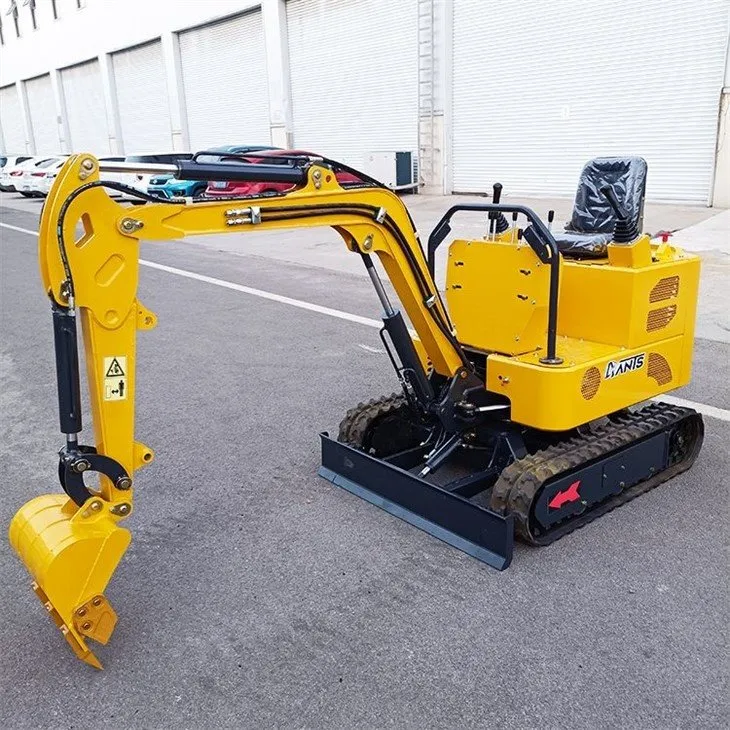
For those looking for a highly maneuverable option for small – scale and indoor work, our Home Use Mini Excavator with Rubber Track is a great choice. It is in the 1 – 2 ton range and comes with rubber tracks, which are gentle on sensitive surfaces like driveways and lawns.
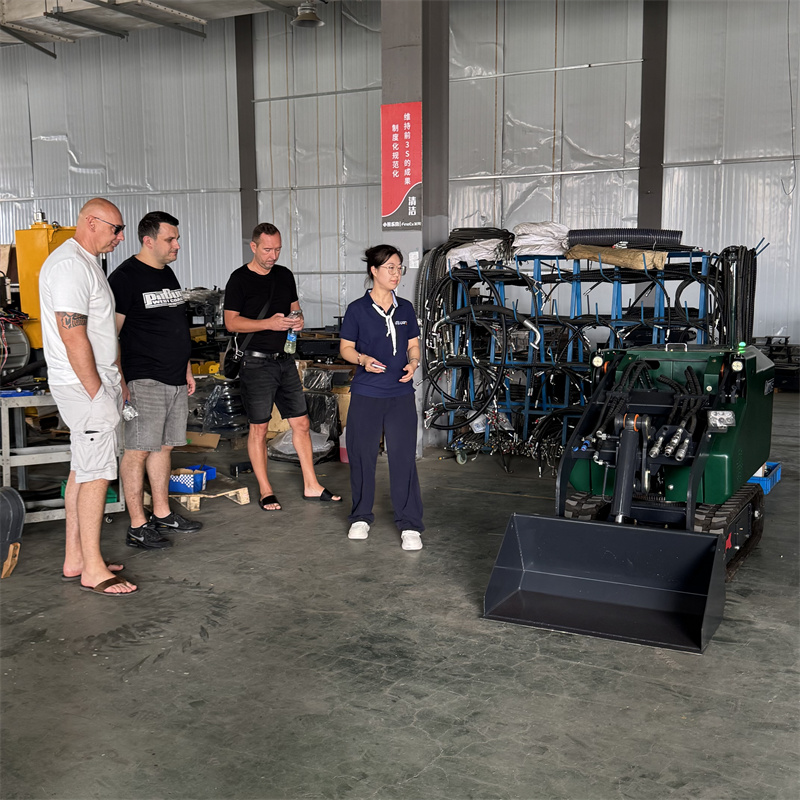
If you need more power for larger projects, our Crawler Electric Excavator in the 2 – 3 ton range offers excellent performance and is environmentally friendly.
Conclusion
Choosing the right weight of a mini excavator for general digging tasks is a crucial decision that depends on multiple factors. By understanding the capabilities of different weight categories and considering the nature of your project, site conditions, and transportation requirements, you can select the most suitable machine. As a supplier, we are committed to helping you make the best choice for your needs. If you are interested in learning more about our mini excavators or have any questions regarding which weight is right for your project, please reach out to us. We are here to assist you in making an informed decision and ensuring that your digging tasks are completed efficiently and effectively.
References
“Mini Excavator Buying Guide”, Equipment World Magazine.
“The Handbook of Construction Equipment”, McGraw – Hill Professional.