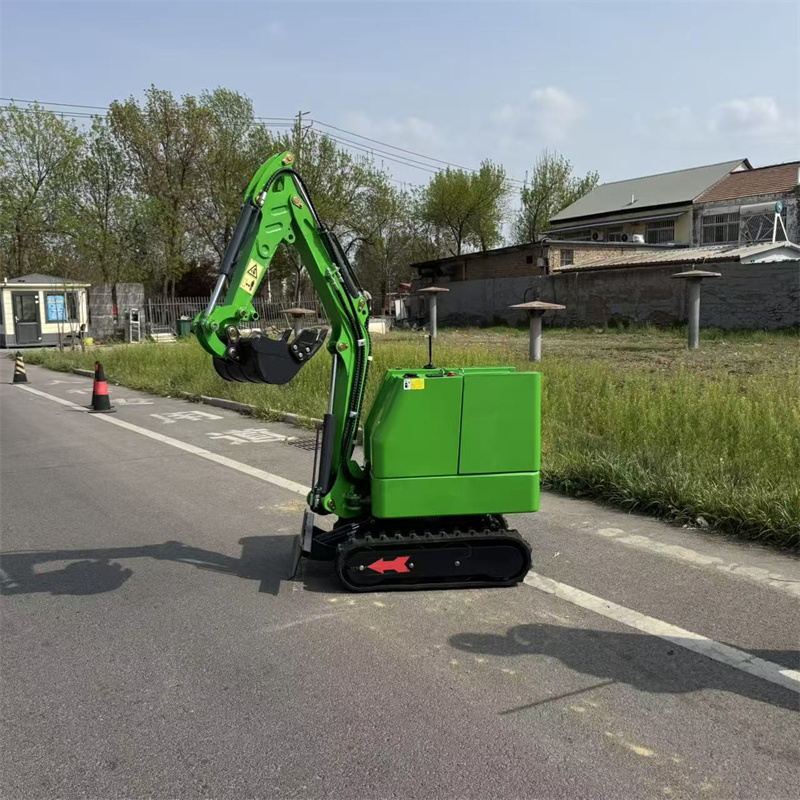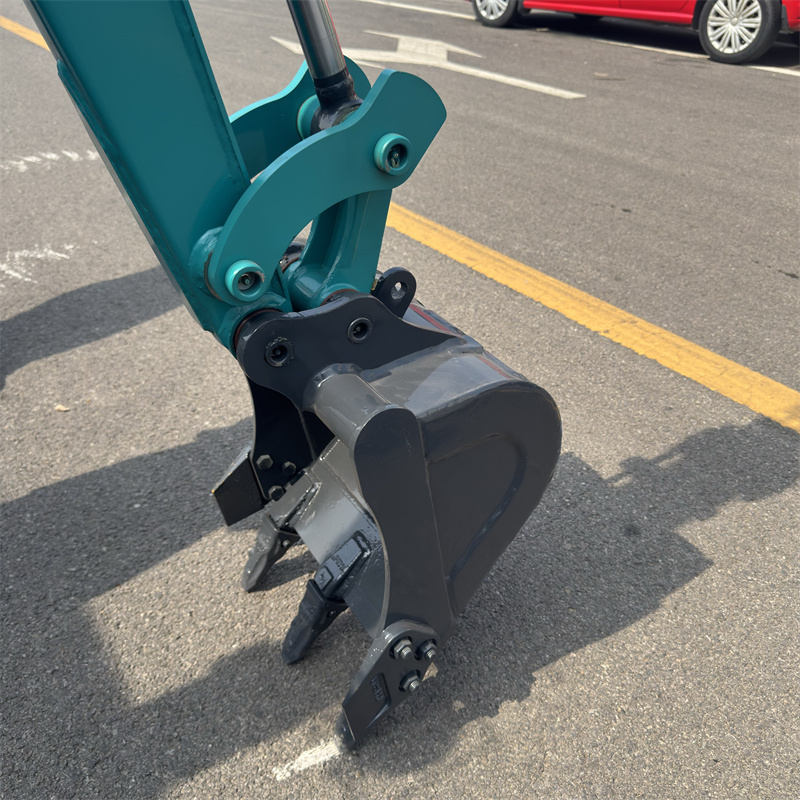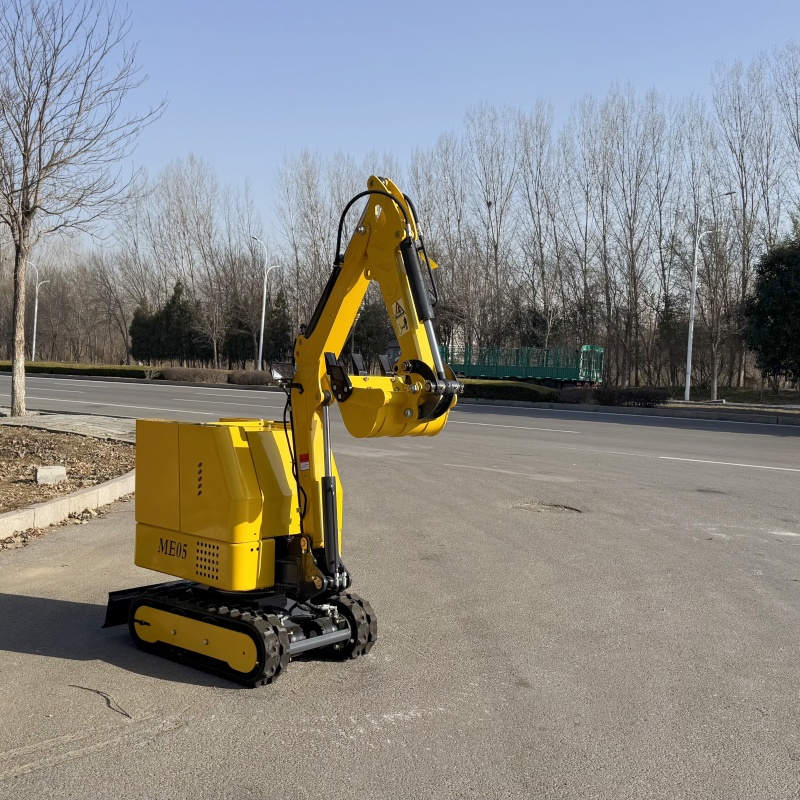
Hey there! As a supplier of 1.5 – ton excavators, I often get asked about the type of engines these little workhorses usually have. So, I thought I’d share some insights with you all in this blog post.
First off, let’s talk about why the engine matters. The engine is the heart of an excavator. It’s what gives the machine the power to dig, lift, and move around. For a 1.5 – ton excavator, which is relatively small but still needs to pack a punch, the right engine is crucial.
Common Engine Types
Diesel Engines
Diesel engines are by far the most common choice for 1.5 – ton excavators. There are a few good reasons for this.
Power and Torque: Diesel engines are known for their high torque output. Torque is what allows the excavator to dig into the ground and lift heavy loads. A 1.5 – ton excavator needs to be able to handle tough digging jobs, and a diesel engine provides the necessary power. For example, when you’re working on a construction site and need to dig a foundation or move some heavy rocks, the high – torque diesel engine can get the job done efficiently.
Fuel Efficiency: Diesel fuel is more energy – dense than gasoline. This means that a diesel engine can produce more power per unit of fuel. For a 1.5 – ton excavator, which might be used for long hours on a job site, fuel efficiency is a big plus. It saves you money on fuel costs in the long run.
Durability: Diesel engines are built tough. They can withstand the rigors of heavy – duty use. In the construction and excavation industry, equipment is often exposed to harsh conditions, such as dust, dirt, and extreme temperatures. Diesel engines are designed to handle these conditions and have a longer lifespan compared to some other engine types.
Some well – known manufacturers of diesel engines used in 1.5 – ton excavators include Yanmar, Kubota, and Deutz. These companies are known for producing high – quality engines that are reliable and efficient.
Gasoline Engines
While less common, gasoline engines are also used in some 1.5 – ton excavators.
Lower Initial Cost: Gasoline engines are generally cheaper to manufacture than diesel engines. This can result in a lower purchase price for the excavator. If you’re on a tight budget and don’t need the heavy – duty performance of a diesel engine, a gasoline – powered 1.5 – ton excavator might be a good option.
Quieter Operation: Gasoline engines tend to be quieter than diesel engines. This can be an advantage if you’re working in a residential area or a noise – sensitive environment. For example, if you’re doing some landscaping work in a backyard, a quieter engine won’t disturb the neighbors as much.
However, gasoline engines have some drawbacks. They typically have lower torque output compared to diesel engines, which means they might struggle with heavy – duty digging tasks. They also tend to be less fuel – efficient, which can lead to higher operating costs over time.
Electric Engines
In recent years, there has been a growing interest in electric engines for 1.5 – ton excavators.
Environmental Friendliness: Electric engines produce zero emissions at the point of use. This is a big advantage in today’s environmentally conscious world. If you’re working on a project that has strict environmental regulations, an electric excavator can help you meet those requirements.
Low Maintenance: Electric engines have fewer moving parts compared to diesel or gasoline engines. This means less maintenance and fewer opportunities for something to go wrong. You don’t have to worry about things like oil changes, fuel filters, or exhaust systems.
But there are also some challenges. The main one is the limited range. Electric excavators need to be recharged, and the battery life might not be sufficient for long – term, continuous use. Also, the initial cost of an electric excavator can be higher due to the cost of the battery technology.
Engine Considerations for 1.5 – Ton Excavators
When choosing an engine for a 1.5 – ton excavator, there are a few things to keep in mind.
Job Requirements: Consider the type of work you’ll be doing. If you’re mainly doing light – duty tasks like landscaping or small – scale excavation in a residential area, a gasoline or electric engine might be sufficient. But if you’re working on a construction site with heavy – duty digging and lifting requirements, a diesel engine is probably the way to go.
Operating Environment: Think about where the excavator will be used. If it’s in a cold climate, diesel engines can be more difficult to start in low temperatures. You might need to use some kind of engine heater. On the other hand, if you’re working in a noise – sensitive area, a gasoline or electric engine would be a better choice.
Cost: This includes both the initial purchase price and the long – term operating costs. Diesel engines might be more expensive upfront but can save you money on fuel in the long run. Gasoline engines are cheaper to buy but can be more expensive to operate. Electric engines have a high initial cost but lower maintenance and operating costs.
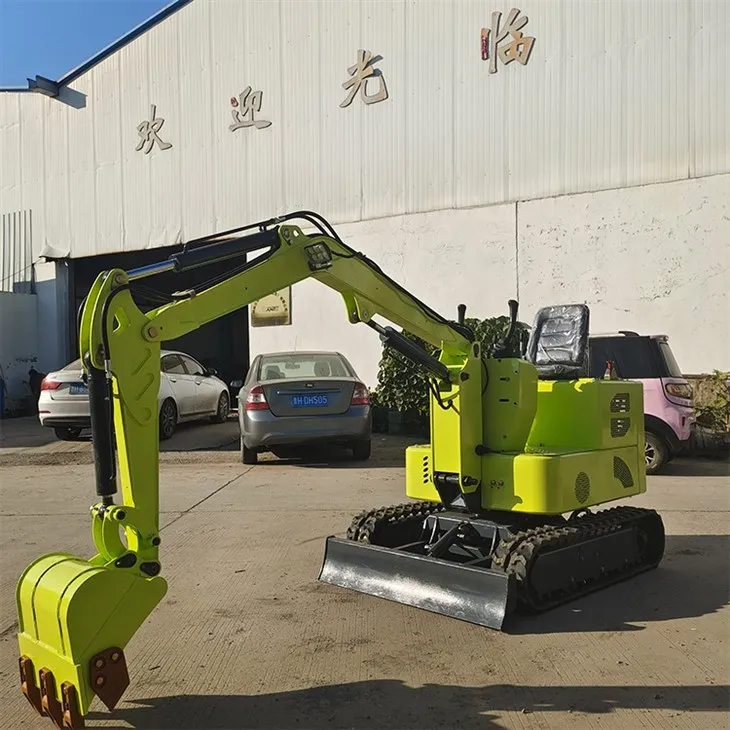
As a supplier of Excavator 1.5 Ton, we offer a variety of excavators with different engine types to meet your specific needs. Whether you’re looking for a powerful diesel – powered machine for heavy – duty work or an environmentally friendly electric excavator for a green project, we’ve got you covered.
If you’re interested in a used excavator for your garden, check out our Used Mini Excavator for Garden page. We have a selection of quality – used 1.5 – ton excavators that are perfect for small – scale gardening and landscaping projects.
And if you want to see these excavators in action, take a look at our Mini Excavator Digging page. It shows how our 1.5 – ton excavators perform in real – world situations.
If you’re thinking about purchasing a 1.5 – ton excavator, don’t hesitate to reach out. We’re here to answer all your questions and help you find the perfect machine for your needs. Whether you’re a professional contractor or a DIY enthusiast, we can offer the right advice and support. Let’s start a conversation about your excavation requirements and find the best solution together.
References
Construction Equipment Magazine
Manufacturer brochures from Yanmar, Kubota, and Deutz
Industry reports on excavator engine trends