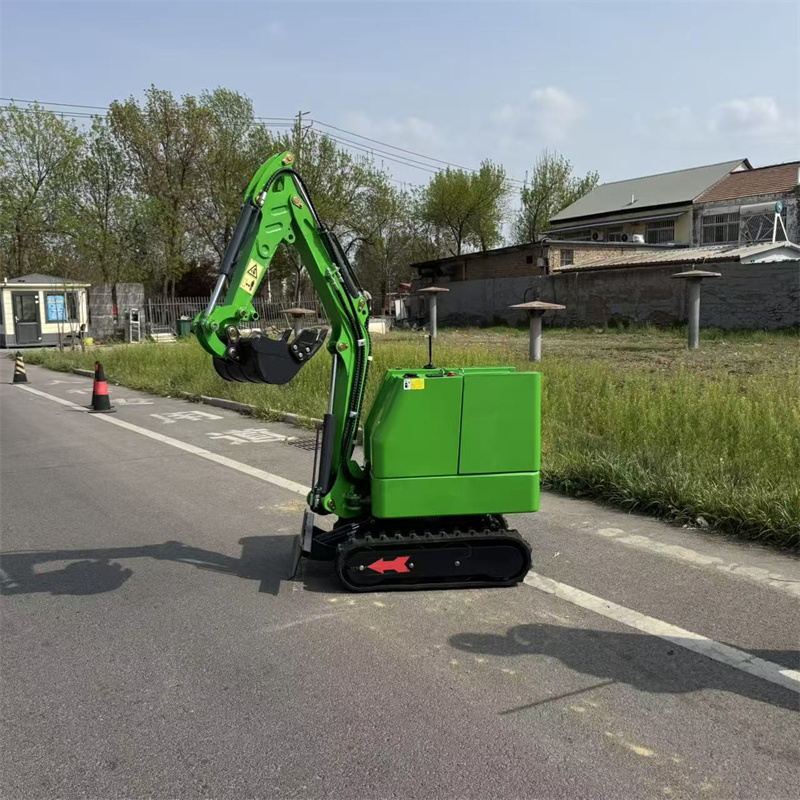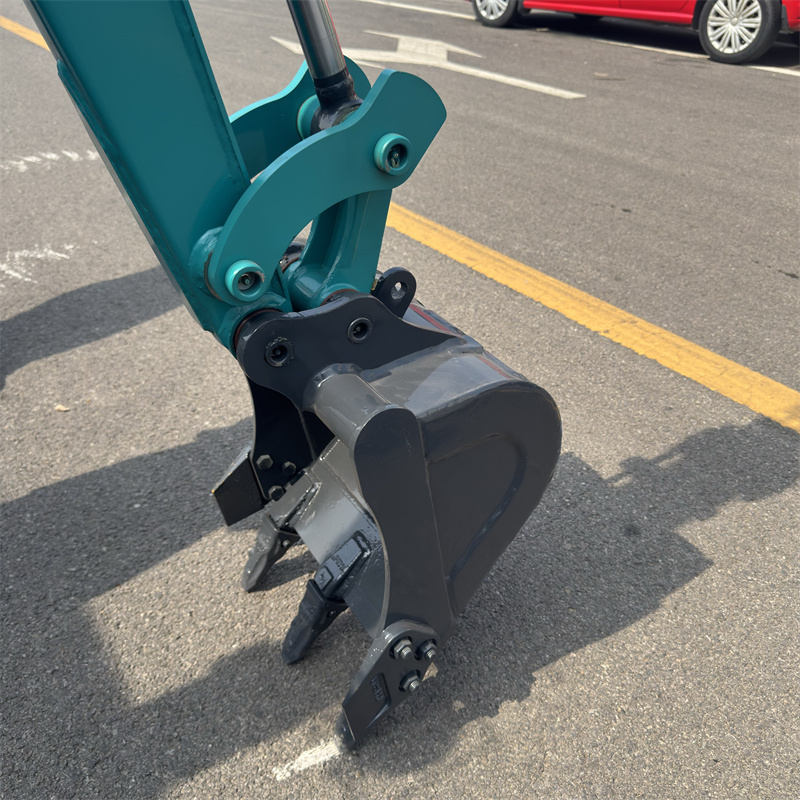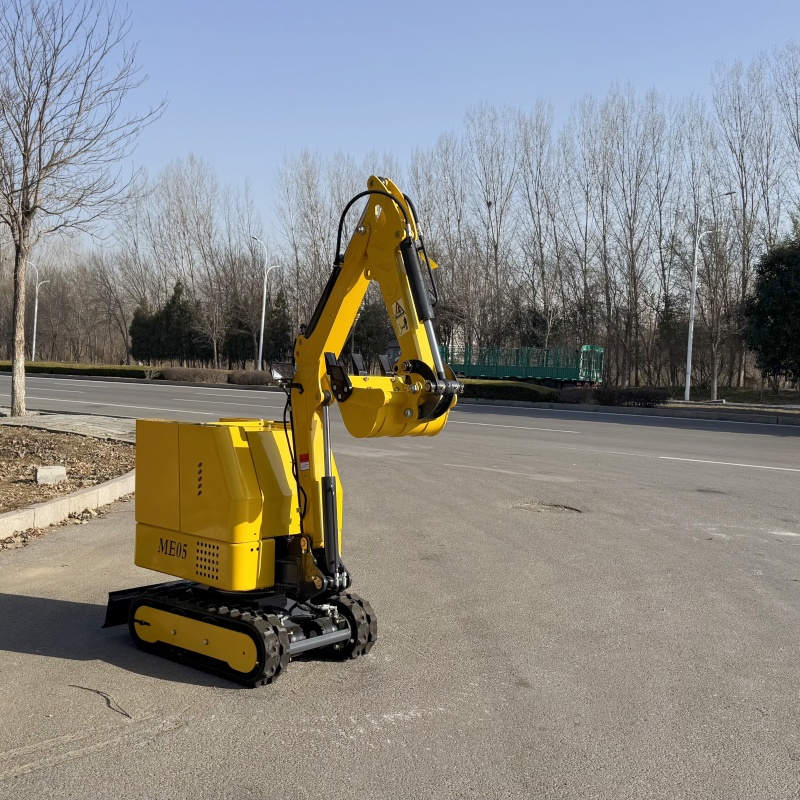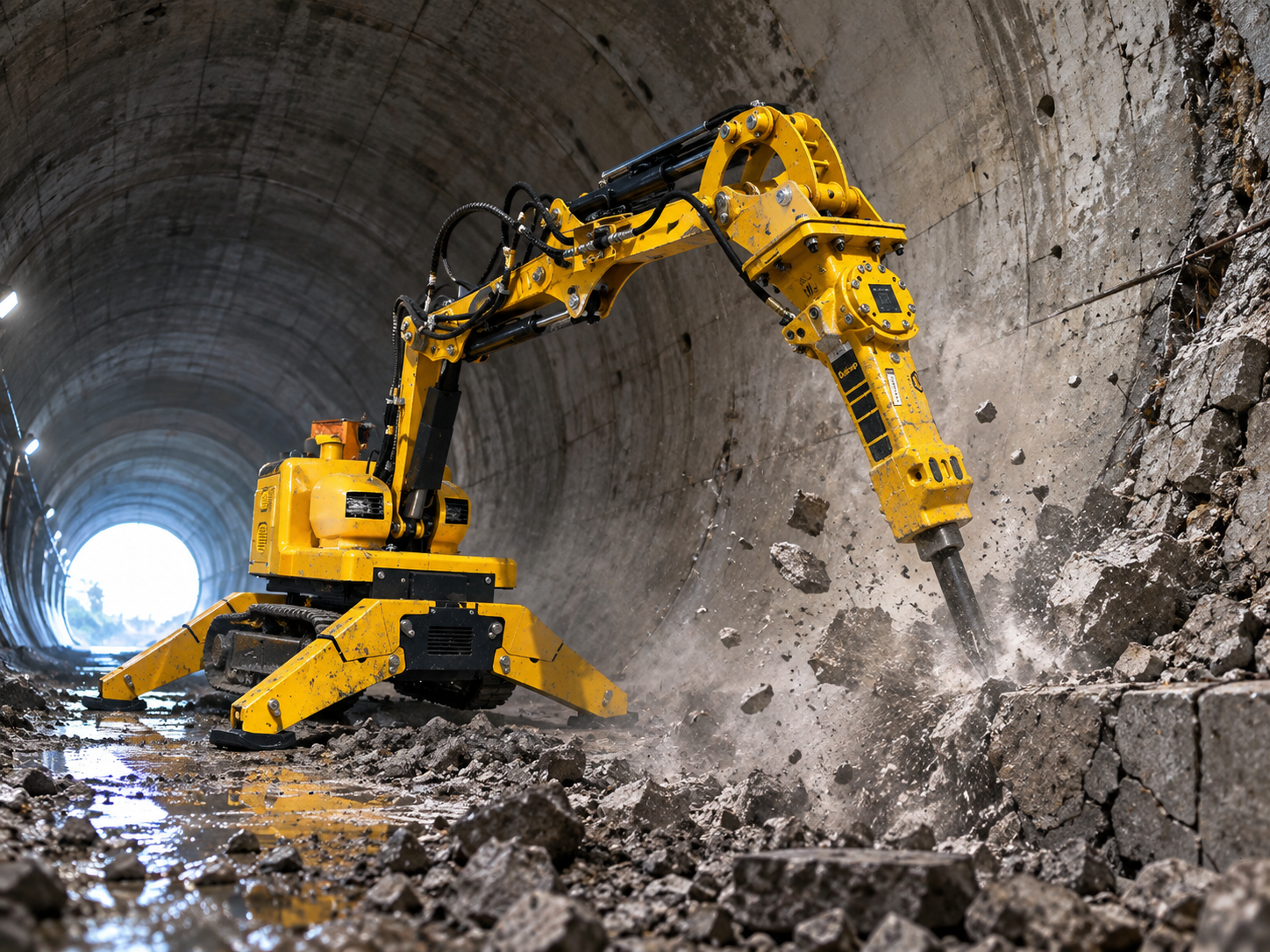
Hey there! As a supplier of 1.8 Ton Excavators, I often get asked about the type of engines these machines use. So, I thought I’d put together this blog post to give you all the deets.
First off, let’s talk about why the engine is such a big deal in a 1.8 Ton Excavator. These little guys are super versatile. Whether you’re into Mini Excavator Landscaping, small construction projects, or just need to dig some trenches, the engine is what powers everything. It’s like the heart of the excavator, keeping it running smoothly and getting the job done.
Now, when it comes to engines for 1.8 Ton Excavators, there are a few common types. The most popular ones are diesel engines. Diesel engines have a bunch of advantages that make them a top choice for these machines.
One of the main reasons diesel engines are so popular is their power. They pack a real punch, which is crucial for an excavator. You need enough power to dig through different types of soil, lift heavy loads, and operate all the hydraulic systems. Diesel engines can generate a high amount of torque, which means they can handle tough jobs without breaking a sweat.
Another great thing about diesel engines is their fuel efficiency. They burn fuel more efficiently than gasoline engines, which means you can get more work done on a single tank of fuel. This is a huge plus, especially if you’re using the excavator for long hours on a job site. You don’t want to be constantly stopping to refuel.
Diesel engines are also known for their durability. They’re built tough to withstand the rigors of heavy use. In an excavator, the engine has to deal with a lot of vibrations, heat, and dirt. Diesel engines are designed to handle these conditions, so they tend to last longer and require less maintenance compared to other types of engines.
But it’s not all sunshine and rainbows with diesel engines. They do have a few drawbacks. One of the biggest issues is emissions. Diesel engines produce more pollutants than gasoline engines, which can be a concern for the environment. However, modern diesel engines are much cleaner than their older counterparts, thanks to advancements in technology. Many manufacturers are now using exhaust after-treatment systems to reduce emissions and make their engines more environmentally friendly.
Another potential downside is the cost. Diesel engines are generally more expensive to purchase and maintain than gasoline engines. The initial cost of the engine is higher, and the parts and labor for repairs can also be pricier. But when you consider the long-term benefits of power, fuel efficiency, and durability, the extra cost can often be worth it.
Apart from diesel engines, there are also some 1.8 Ton Excavators that use gasoline engines. Gasoline engines are lighter and quieter than diesel engines, which can be an advantage in certain situations. For example, if you’re working in a residential area where noise is a concern, a gasoline engine might be a better choice.
Gasoline engines are also easier to start, especially in cold weather. They don’t require a glow plug or other starting aids like diesel engines do. This can save you time and hassle, especially if you’re using the excavator in different weather conditions.
However, gasoline engines have their own set of drawbacks. They’re not as powerful as diesel engines, so they may struggle with heavy-duty tasks. They also tend to be less fuel-efficient, which means you’ll have to refuel more often. And like I mentioned earlier, they’re not as durable as diesel engines, so they may need more frequent repairs and maintenance.
There’s also a growing trend towards electric engines in the excavator industry. Electric engines are clean, quiet, and efficient. They produce zero emissions, which is great for the environment. They’re also very easy to maintain, as they have fewer moving parts than diesel or gasoline engines.
But electric engines do have some limitations. The main issue is the battery life. Most electric excavators can only operate for a few hours on a single charge, which may not be enough for long jobs. And charging the battery can take a while, which can slow down your work.
So, which type of engine is the best for a 1.8 Ton Excavator? Well, it really depends on your specific needs and preferences. If you need a powerful, fuel-efficient engine that can handle tough jobs, a diesel engine is probably your best bet. If you’re working in a noise-sensitive area or need an engine that’s easy to start, a gasoline engine might be a better choice. And if you’re looking for an environmentally friendly option and don’t mind the limitations of battery life, an electric engine could be worth considering.
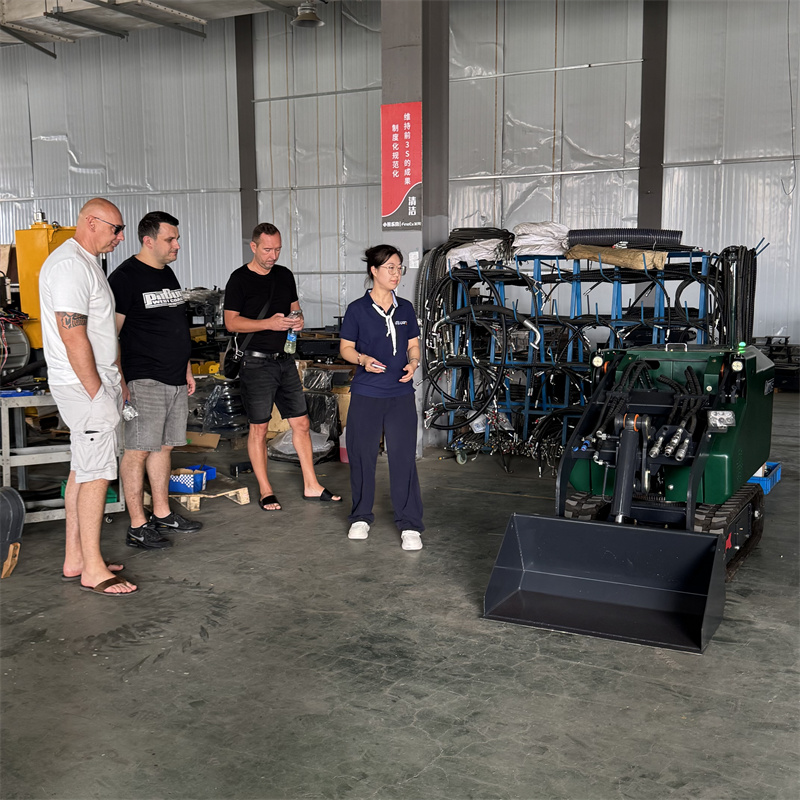
At our company, we offer a range of Small Excavator 1.8 Ton models with different engine types. We can help you choose the right engine for your needs and budget. Our team of experts is always on hand to answer any questions you may have and provide you with all the information you need to make an informed decision.
If you’re in the market for a 1.8 Ton Excavator, don’t hesitate to get in touch with us. We’d love to have a chat with you about your requirements and show you our range of Mini Crawer Hydraulic Excavator models. Whether you’re a professional contractor or a DIY enthusiast, we have the perfect excavator for you.
In conclusion, the type of engine you choose for your 1.8 Ton Excavator can have a big impact on its performance, efficiency, and cost. By understanding the pros and cons of different engine types, you can make the right choice and get the most out of your machine. So, if you have any questions or need more information, just give us a shout. We’re here to help you find the perfect excavator for your next project.
References
“Excavator Engine Technology: A Comprehensive Guide” – Industry Journal
“Diesel vs. Gasoline Engines in Construction Equipment” – Construction Magazine
“The Future of Electric Engines in Excavators” – Environmental Research Report