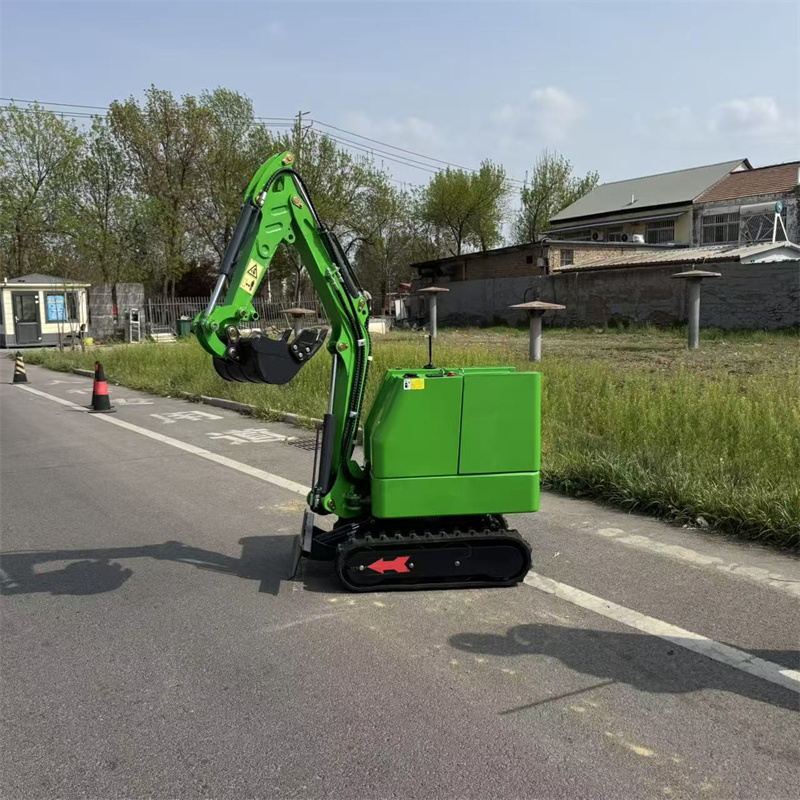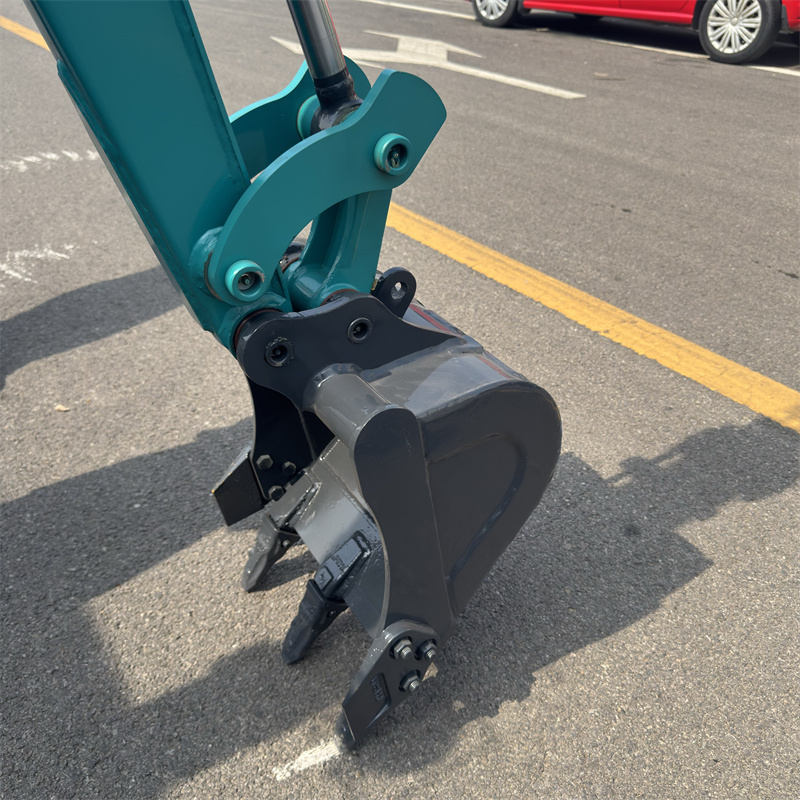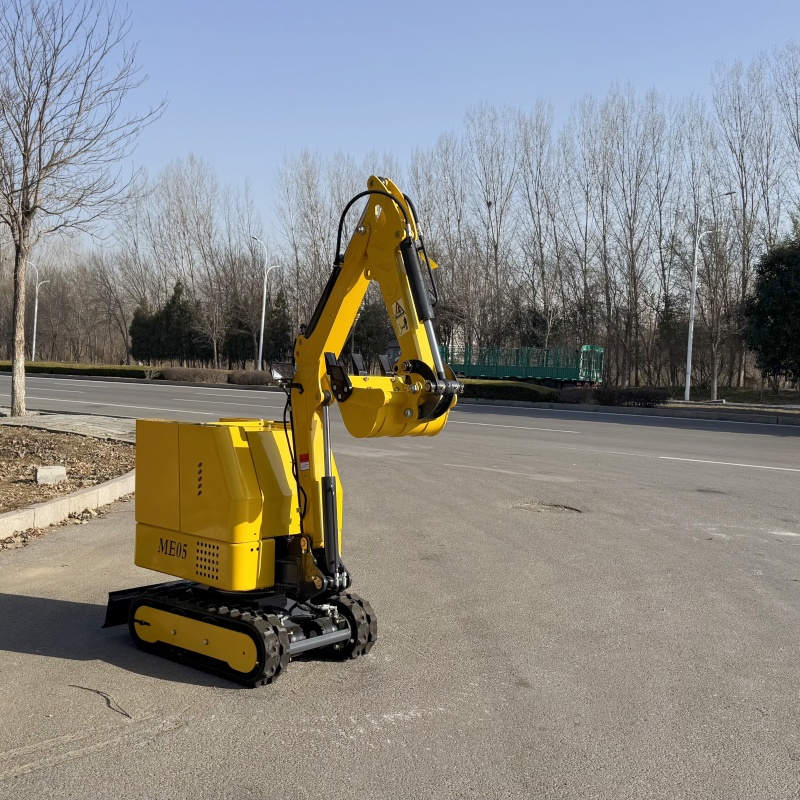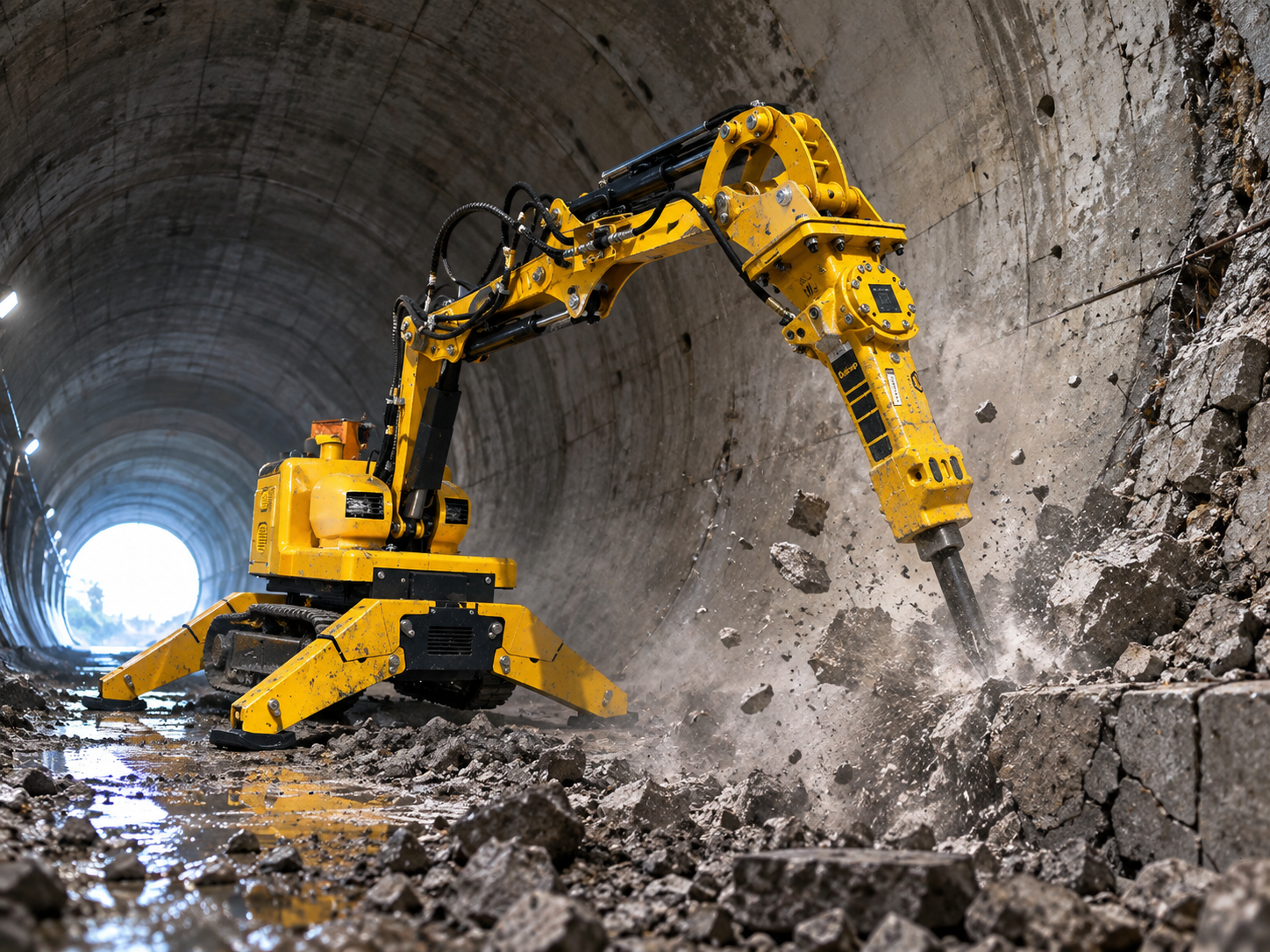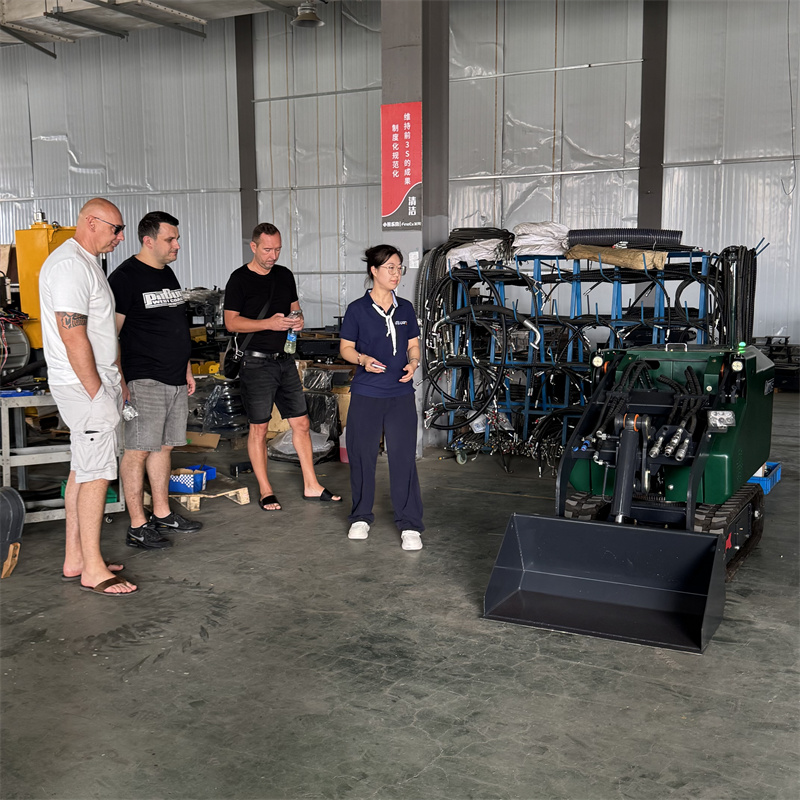
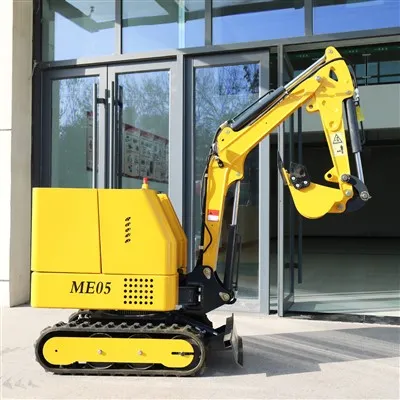
With the continuous advancement of technology, remote-controlled excavators, as a construction machinery equipment that integrates modern wireless communication technology, artificial intelligence and automation control, are widely used in multiple fields, greatly improving operational efficiency and safety, and providing new solutions for construction in complex environments.
1. Mining mining
In the mining field, remote-controlled excavators are widely used in the excavation, loading and transportation of underground mines and open-pit mines. Its advantage is that it can effectively reduce the chance of people being exposed to dangerous environments. For example, in high-risk areas where landslides, explosions, toxic gas leakage and other risks, remote-controlled excavators can replace manual operation, significantly reducing the incidence of safety accidents. In addition, remote control excavators can continue to work under harsh conditions without being affected by the climate, thereby significantly improving production efficiency.
2. Emergency rescue and disaster recovery
After natural disasters such as earthquakes, floods, mudslides, remote-controlled excavators can respond quickly, enter the ruins site to clean up, open up passages, and assist in post-disaster reconstruction. This equipment can quickly clean up the ruins without jeopardizing the safety of rescue personnel and gain valuable time for rescue work. For example, the Sany SY215 remote control excavator has participated in emergency drills in Mianyang, Sichuan and played an important role in many disaster rescues.
3. Urban infrastructure construction
In construction projects in urban central areas or densely populated areas, remote-controlled excavators can flexibly respond to challenges in narrow streets and limited operating areas. Its high-precision positioning system and automatic obstacle avoidance function can ensure that the excavation depth and flatness meet design requirements and reduce the possibility of rework. In addition, remote-controlled excavators can continue to operate at night or in severe weather conditions, further shortening the construction period.
4. Environmental protection and ecological restoration
Remote-controlled excavators have also played an important role in environmental protection projects such as afforestation, wetland restoration, and landfill management. They can accurately perform tasks such as soil tilling and seedling transplantation, while reducing interference to the natural environment and promoting the sustainable development of the ecosystem.
5. Hazardous environment operations
In special operating scenarios such as nuclear facilities decommissioning, chemical pollution control, and unexploded bomb explosion, remote-controlled excavators can operate from a safe distance, greatly reducing the personal safety risks of operators. For example, when dealing with workplaces containing radioactive substances or other harmful factors, remote-controlled excavators can be equipped with a variety of sensors and monitoring equipment to transmit data in real time to ensure the safety of operators.
6. Agriculture and Landscaping
In the fields of agriculture and landscaping, remote-controlled excavators are used in farmland infrastructure construction, park maintenance, golf course renovation and other scenarios. They can be finely trimmed without disturbing visitors, maintaining a good visual effect while reducing the impact on the natural environment.
7. Intelligent construction and smart construction site
The remote-controlled excavator combines IoT technology and big data analysis to build an intelligent construction site management system. Through pre-programmed path planning and automatic obstacle avoidance functions, they can complete various tasks efficiently and accurately, optimize resource allocation, and improve overall operational efficiency.
Summarize
Relying on its significant advantages in safety, efficiency, accuracy and other aspects, remote control excavators are changing traditional construction methods and promoting the transformation and upgrading of the construction machinery industry. With the continuous advancement of technology, its application scope will continue to expand, bringing revolutionary changes to more industries.