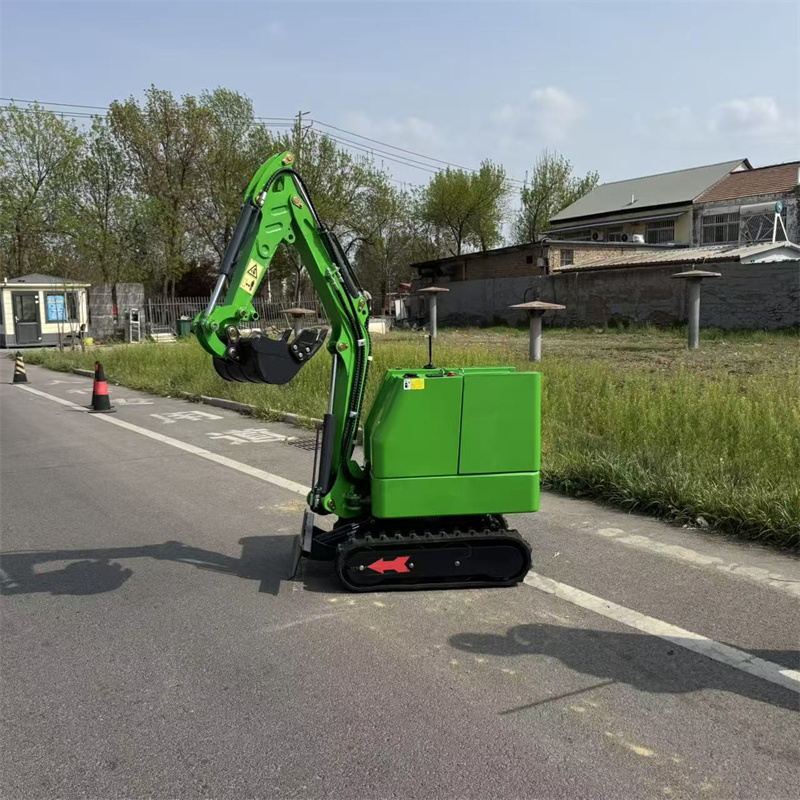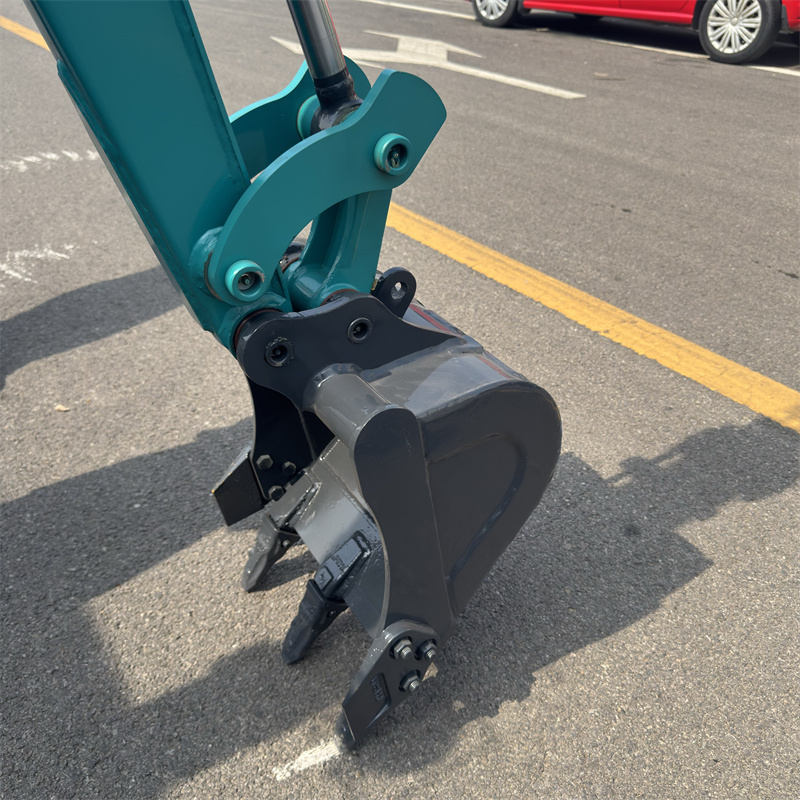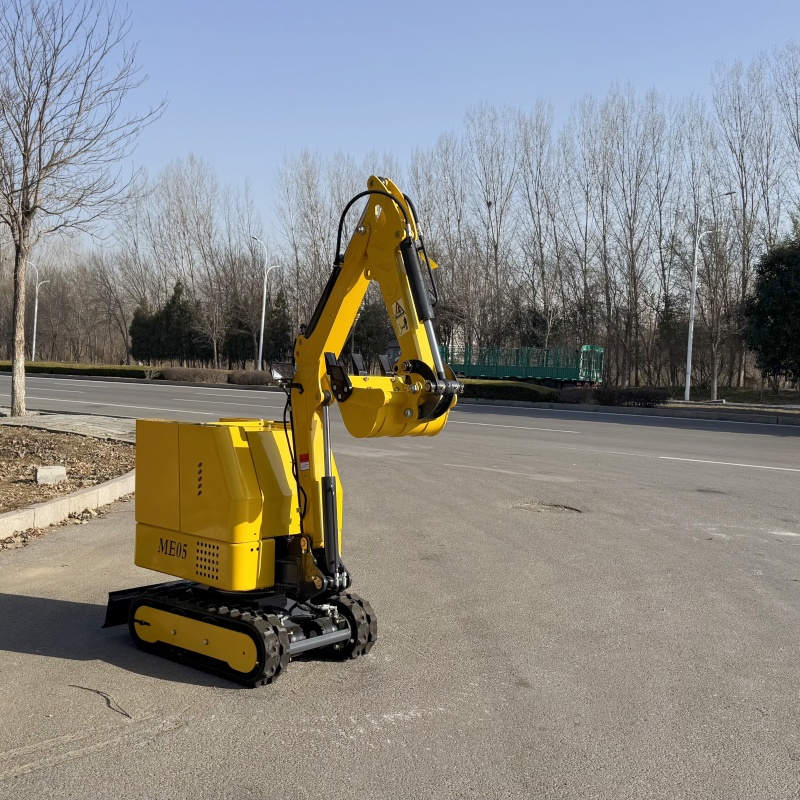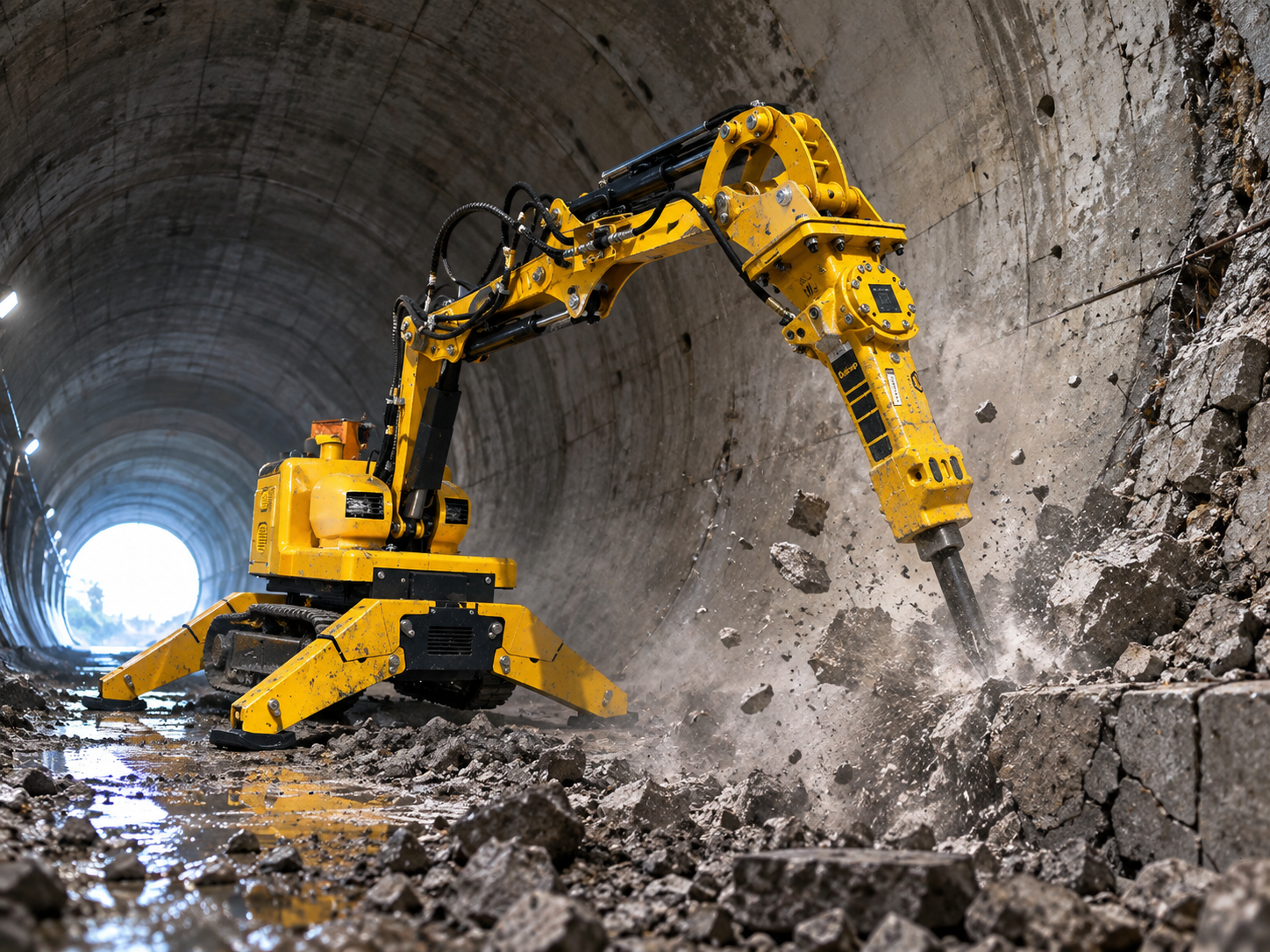
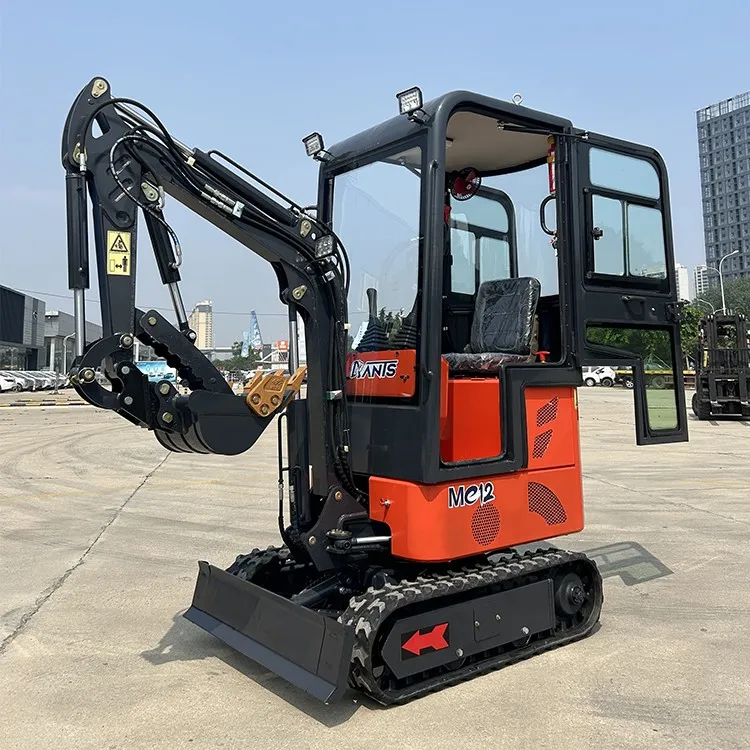
When it comes to choosing a mini excavator, mini excavators that use diesel and petrol are the most common choices. What are the key differences between electric mini excavators and mini excavators that use diesel? The following will show you.
Advantages of diesel mini excavators
1. Fuel Availability: Diesel and petrol are common fuels, so it is easy to find places to refuel your machine. Even on remote job sites where there is no reliable electricity to charge electric models, it is easier to find fuel that can be used for gas-powered mini excavators.
2. Proven reliability: Gas excavators have a long history of reliability. Contractors are familiar with the use and maintenance of gas-powered excavators and are therefore confident in their performance.
3. Power output: Diesel engines are known for their high power and ability to work in harsh environments. This is why they are often the first choice for heavy-duty jobs that require considerable digging power.
4. Longer Operating Hours: A full fuel tank allows for longer operating hours. This reduces the need to make frequent stops for recharging, which is a great benefit for time-critical projects.
5. Price: Typically, the initial purchase price of a petrol-powered mini excavator is lower than that of an electric excavator. For companies with lower budgets, a lower price means a more attractive option.
Environmental impact and emissions
Models that use diesel fuel emit exhaust fumes that contribute to air pollution and climate change. However, electric excavators work without exhaust emissions. This feature is attractive for environmentally fragile locations, urban construction sites and indoor applications where air purity is critical.
In addition, electric mini excavators are much quieter, reducing noise pollution. This is a great advantage for residential areas or places sensitive to noise. Less noise and emissions are in line with the growing global emphasis on long-lasting construction techniques.
Operating costs and energy efficiency
Electric mini excavators typically have lower operating costs than diesel excavators. Electricity is generally cheaper than diesel, and electric excavators can save significant fuel costs in the long run. In addition, electric motors require less maintenance and upkeep than diesel engines. This can save even more.
Electric motors are known for their high efficiency, converting large amounts of electrical energy into mechanical work. This efficiency, combined with regenerative braking (which collects and reuses the energy again) can result in significant power savings.
Performance
1. Power and torque
The latest electric mini excavators are comparable to diesel models in terms of power and torque. Improvements in electric motor technology have resulted in compact but powerful machines that can deliver considerable power and torque. They also provide almost instant torque, which is useful for specific digging or lifting tasks.
2. Longevity
Electric motors have fewer moving parts. This leads to a longer service life and increased operational reliability. In addition, the absence of an internal combustion engine means fewer internal parts are used, which may extend the life of the equipment.
3. Power supply duration
For electric mini excavators, it is important to consider the battery life. This issue is being addressed as battery technology continues to advance, with larger capacities and faster charging now available.