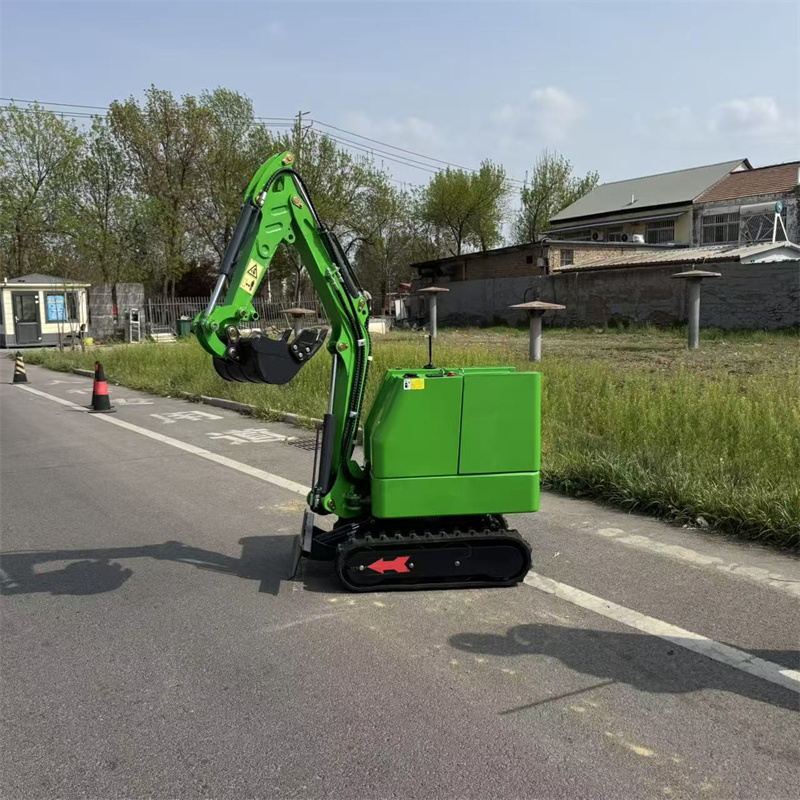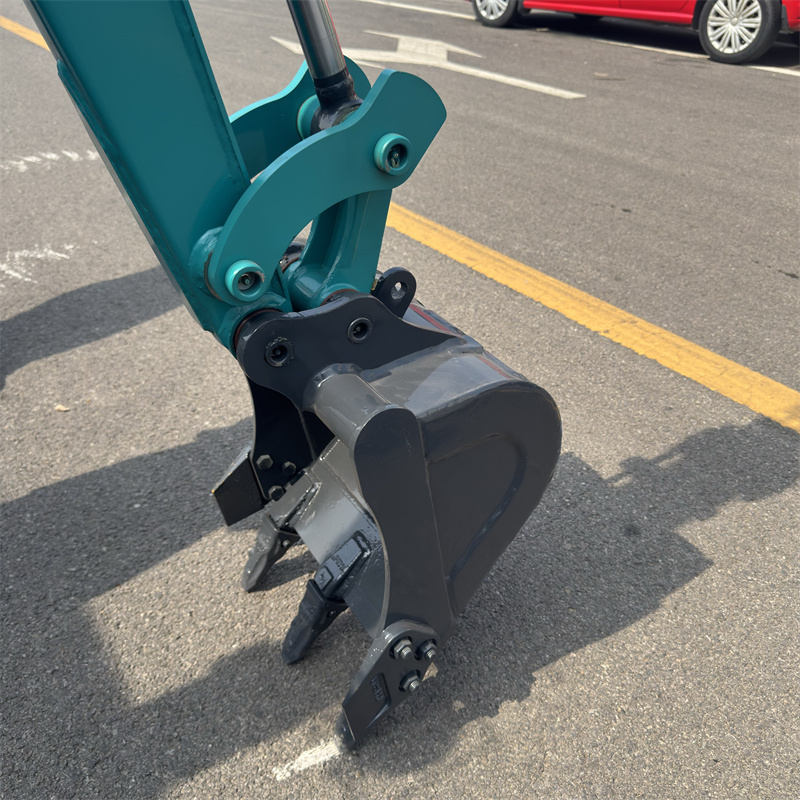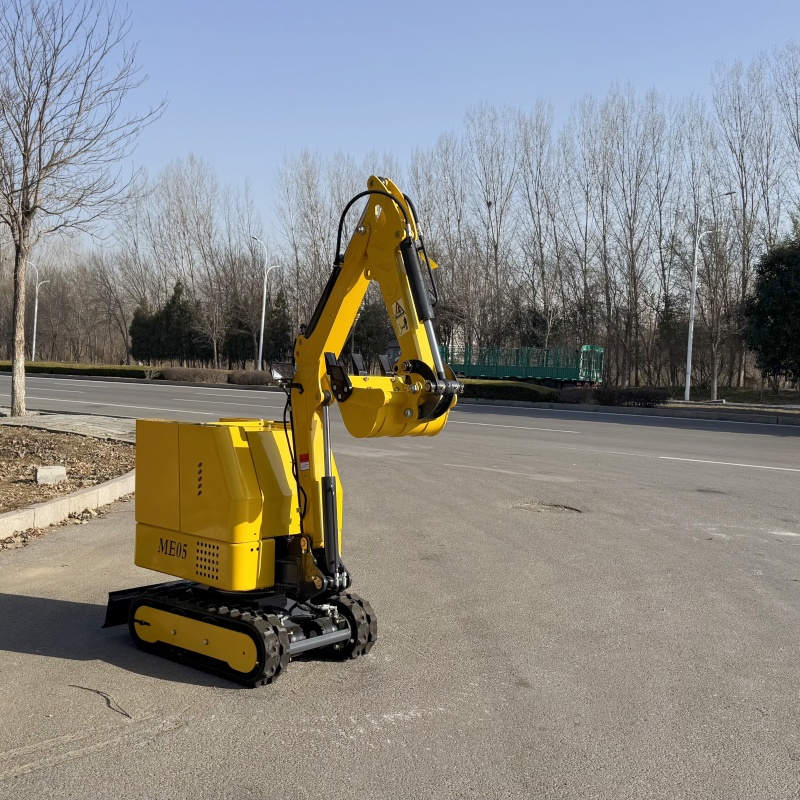
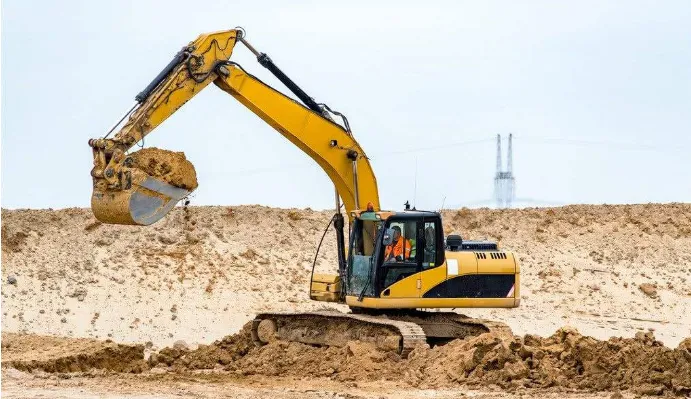
Driving the excavator on the slope looks simple, in fact, it is very easy to turn over so how to avoid accidents on the slope of the excavator? In fact, the key is a word “slow” in addition to the following operating skills you can refer to
Preparation before going up and down the slope:
1. Observe whether the slope Angle is within the operating range of the excavator before going up and down the slope. In case of snow, mud and slippery slope, it is not appropriate to go up and down the slope to prevent danger.
2. Use a bucket to sort out a flat slope, avoid high and low, which not only increases the risk of rollover, but also easily drops the track.
3, clean up the obstacles on the slope, especially the larger stones, to prevent the excavator from slipping when it encounters the stones.
4, if the slope is too steep, you can dig the soil on the slope to the bottom, thereby reducing the slope slope. 5. Clean the track before going up and down the slope to avoid the track being stuck when going up and down the slope.
6, fasten your seat belt, downhill, if you do not wear a seat belt, the machine is easy to lean forward.
uphill
1, when the excavator walks uphill, the driving wheel is behind to increase the adhesion of the track to the ground.
2, the excavator should be open up against the slope, climb the slope as far as possible to reduce the center of gravity of the equipment, fold the forearm, the bucket and the ground to maintain 20-30cm distance, if the machine slides or instability, immediately put down the bucket, stabilize the body.
3. On the slope where the track slips, the bucket teeth can be inserted into the ground, and the bucket rod can be withdrawn to assist in climbing. At this time, the boom should be lifted, otherwise, the front side will be lifted.
downhill
1. When going downhill, the driving wheel should be in front, so that the upper track is tight to prevent the car body from sliding downward under the action of gravity when stopping.
2. When the excavator goes downhill, reduce the speed and keep a constant speed, extend the forearm, the bucket rod and the big arm should maintain a 90-degree Angle, the distance from the ground on the back of the bucket is 20-30 cm, and the bucket should be put down immediately if there is an accident.
3. If the excavator is on the slope and needs to go downhill, do not rush to do the turning action, first reduce the height of the big arm as far as possible, withdraw the forearm, and reduce the turning radius and inertia force during the turning action. At the same time, the machine hand should pay attention to observe the bucket and forearm rotation when there is no obstruction, and then do the rotation action after confirming that it is correct. At this time, the center line of the big arm can not exceed the vertical center line of the excavator to avoid tipping due to the instability of the center of gravity.
4. When the excavator is near the bottom of the slope, use the bucket to support the ground, so that the front side of the excavator track is lifted from the ground, and the excavator walks forward until the back side of the track completes the slope to prevent the front side of the track from digging into the soil.