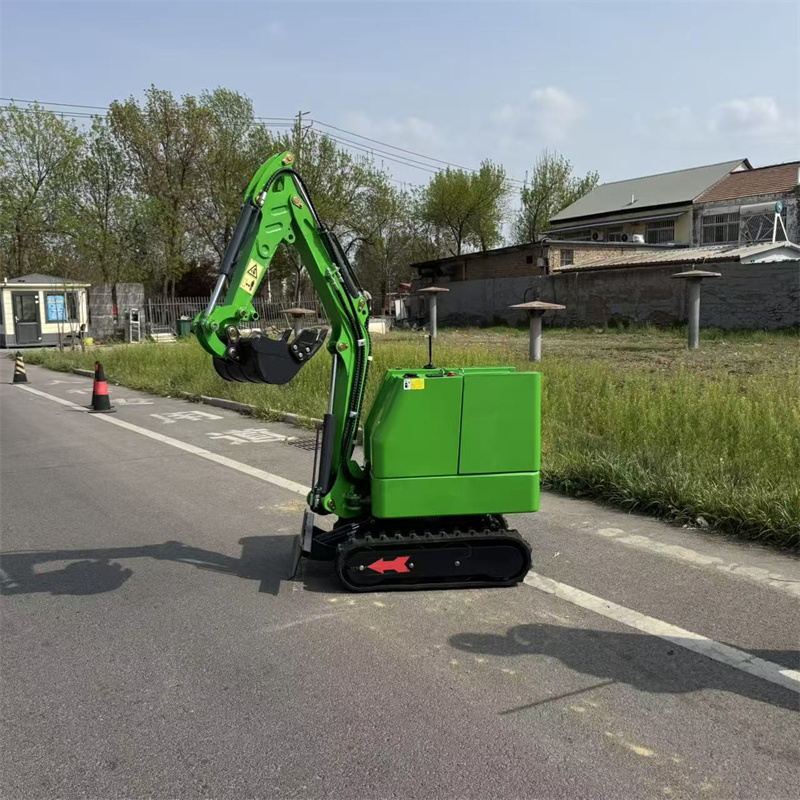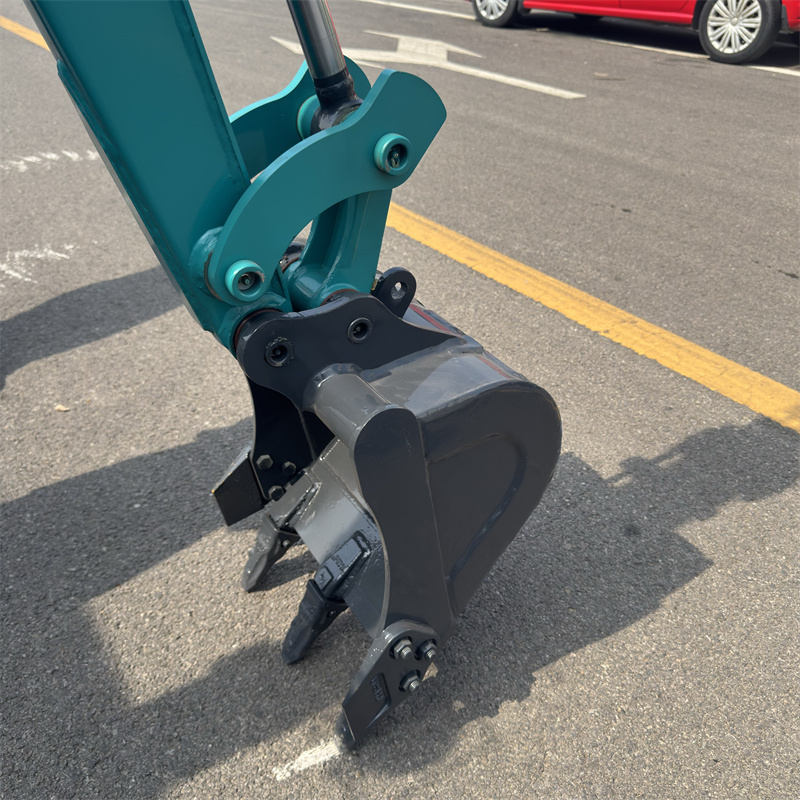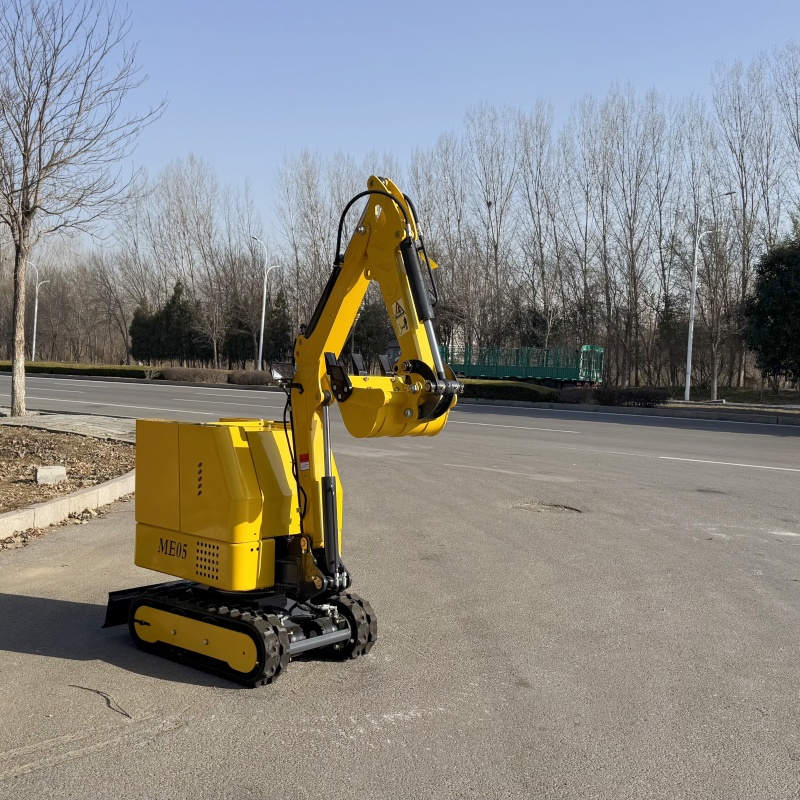
Be used in a wide range of industries.
1.What safety equipment should I wear when operating a mini excavator for trenching?
When operating a mini excavator, you should wear, at a minimum, steel-toe boots, heavy gloves, goggles, and earmuffs. You should also wear a helmet and high-visibility vest when working near high-traffic areas.
2.How can I ensure that my mini excavator is stable when digging trenches?
Park the mini excavator on firm, level ground with the weight evenly distributed on the tracks. Aim the front of the excavator at the trench you plan to dig for the best range of movement. Avoid long off-center moves that may make the machine unstable.
3.What is the correct technique for digging a trench with neat and even sidewalls?
Precise joystick and bucket control movements keep the bottom edge of the bucket vertical as it swings through the soil. This cuts through flat, smooth trench walls. Maintain a consistent 45-degree angle and work from the bottom up, not just to the side.
4.Why are the walls and bottom of my trench sloping unevenly?
Digging the trench on the outside before reaching the bottom depth creates an uneven “V”-shaped trench with sloping walls. In addition, if the bucket edges are not vertical, this can cause the walls of the trench to slant. Dig the bottom first, then use a horizontal bucket motion.
5.How often should a mini excavator used for a home trenching project be serviced?
Follow the machine manufacturer’s manual for maintenance intervals, but the general rule is to check the hydraulic oil level and lubrication points before each major use. During the digging season, change the hydraulic filter every 6 months or 200 hours.
6.How can a mini excavator improve trenching efficiency?
A mini excavator can improve trench digging efficiency by allowing precise, fast digging in confined spaces, reducing physical labor, and providing strong digging capabilities even in confined or rocky soils.