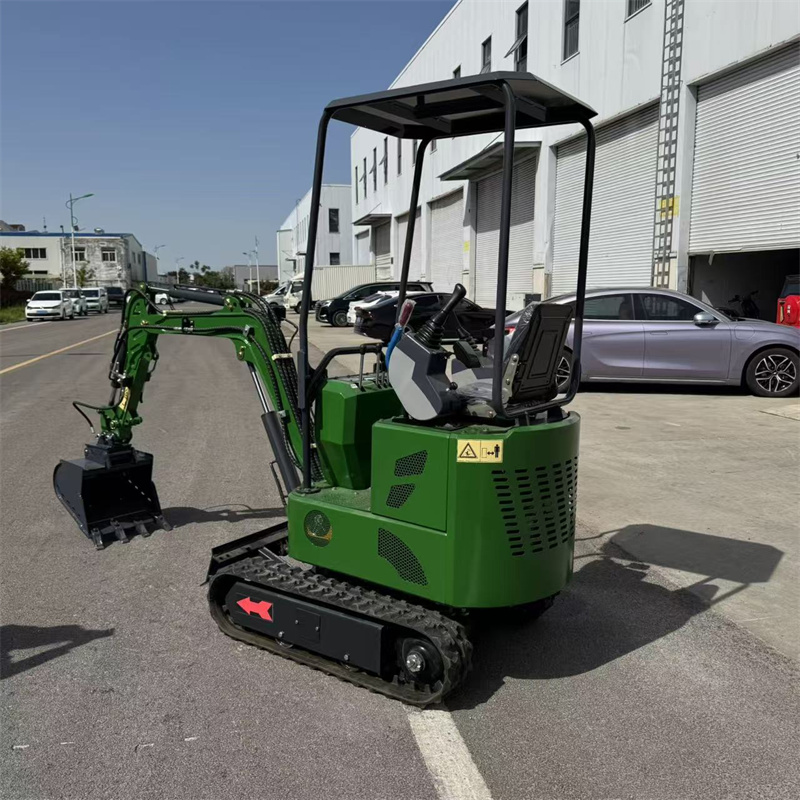
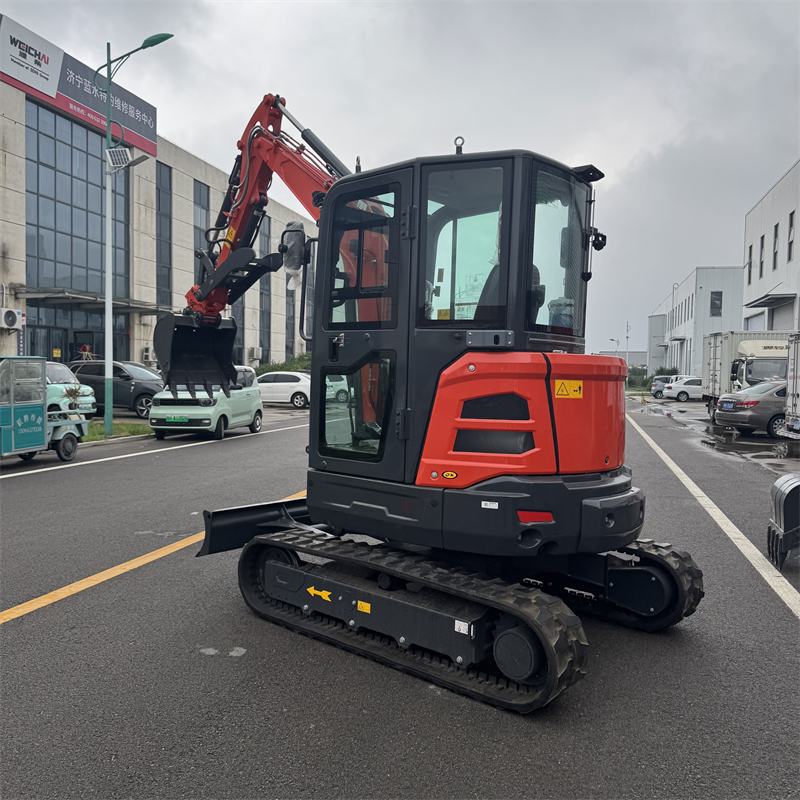
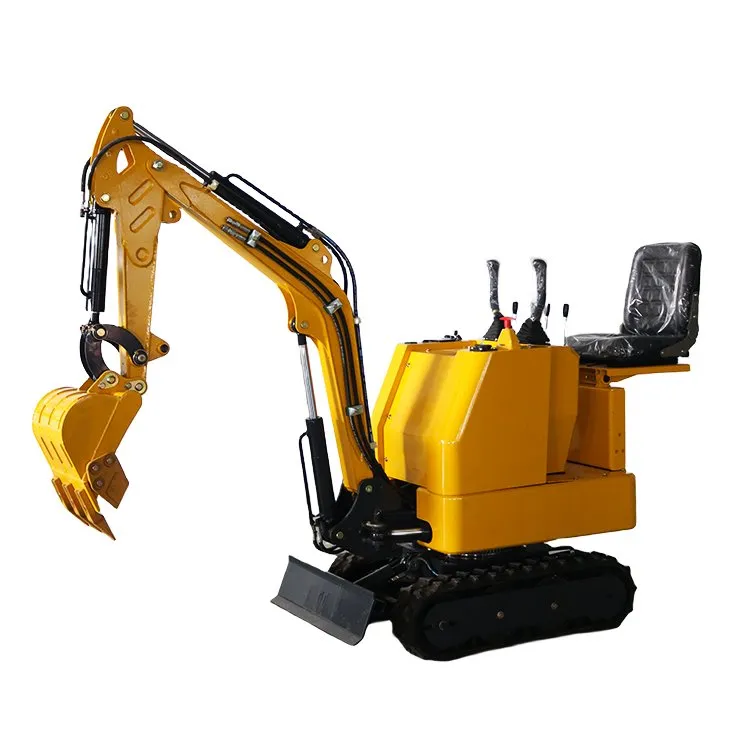
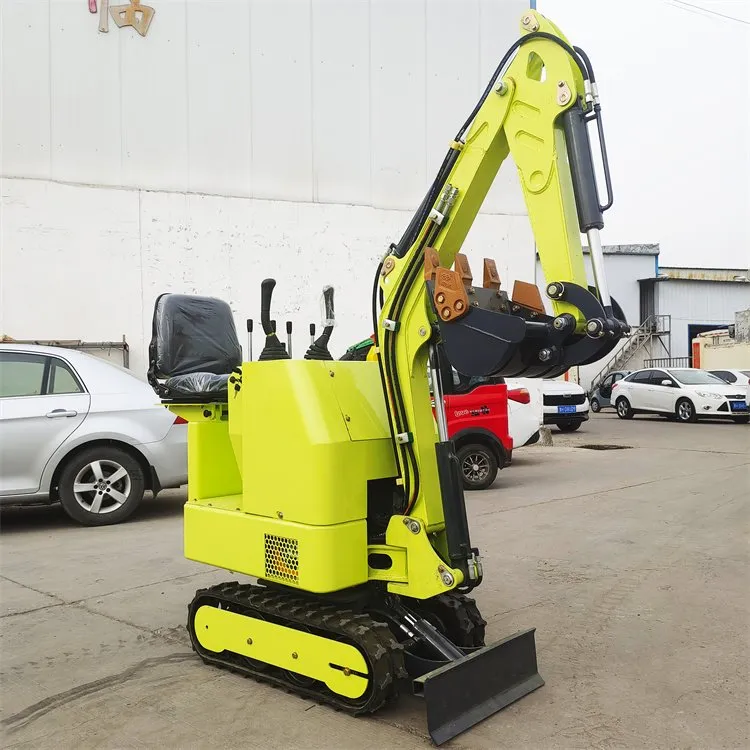
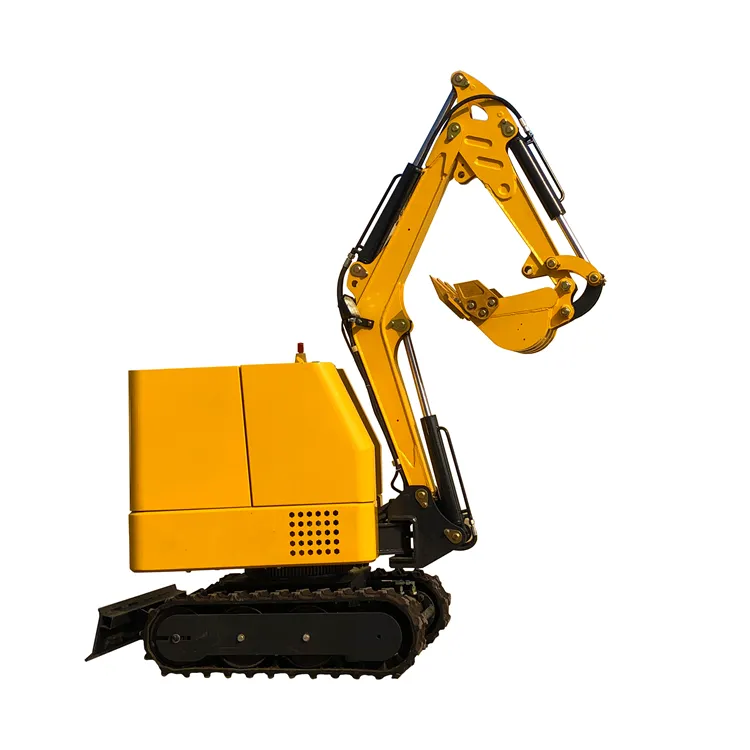
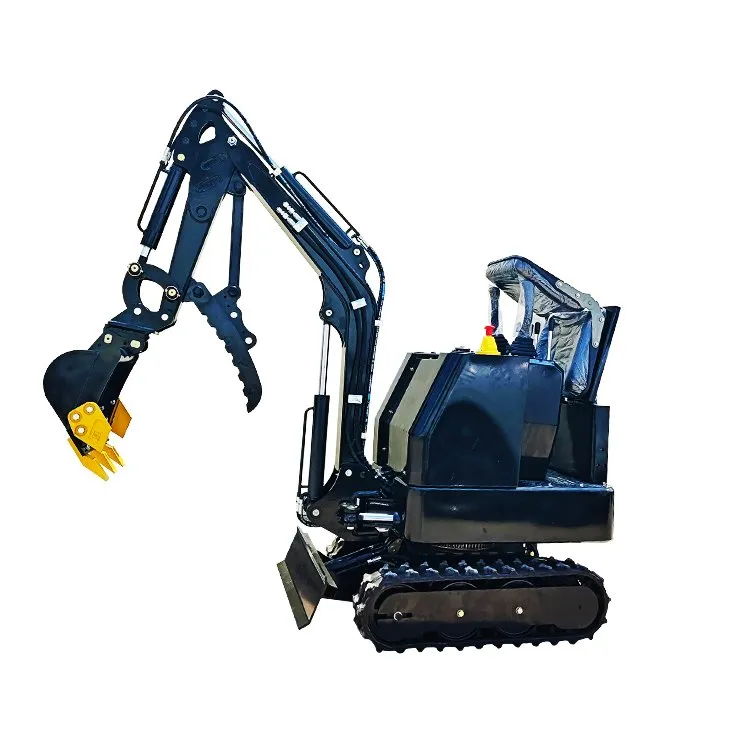
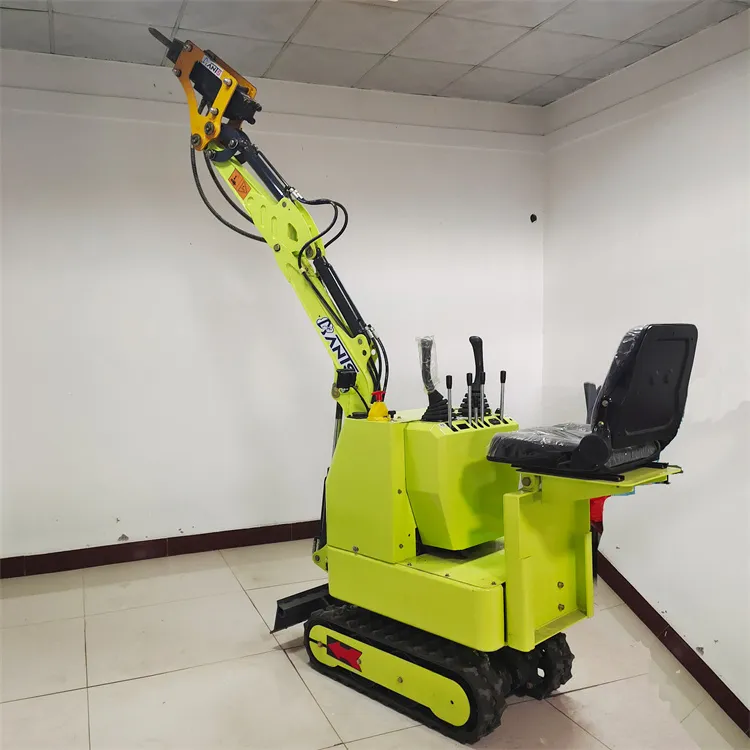
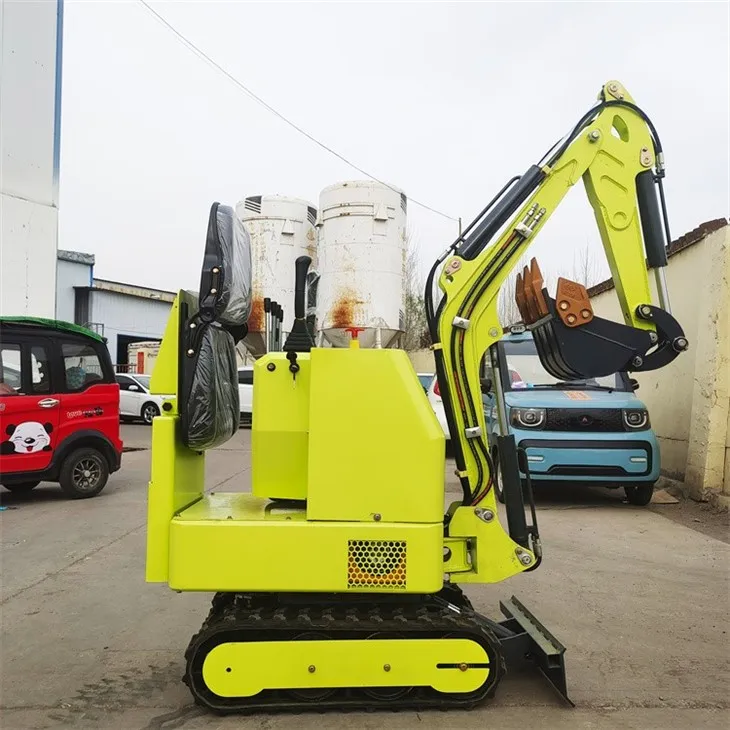
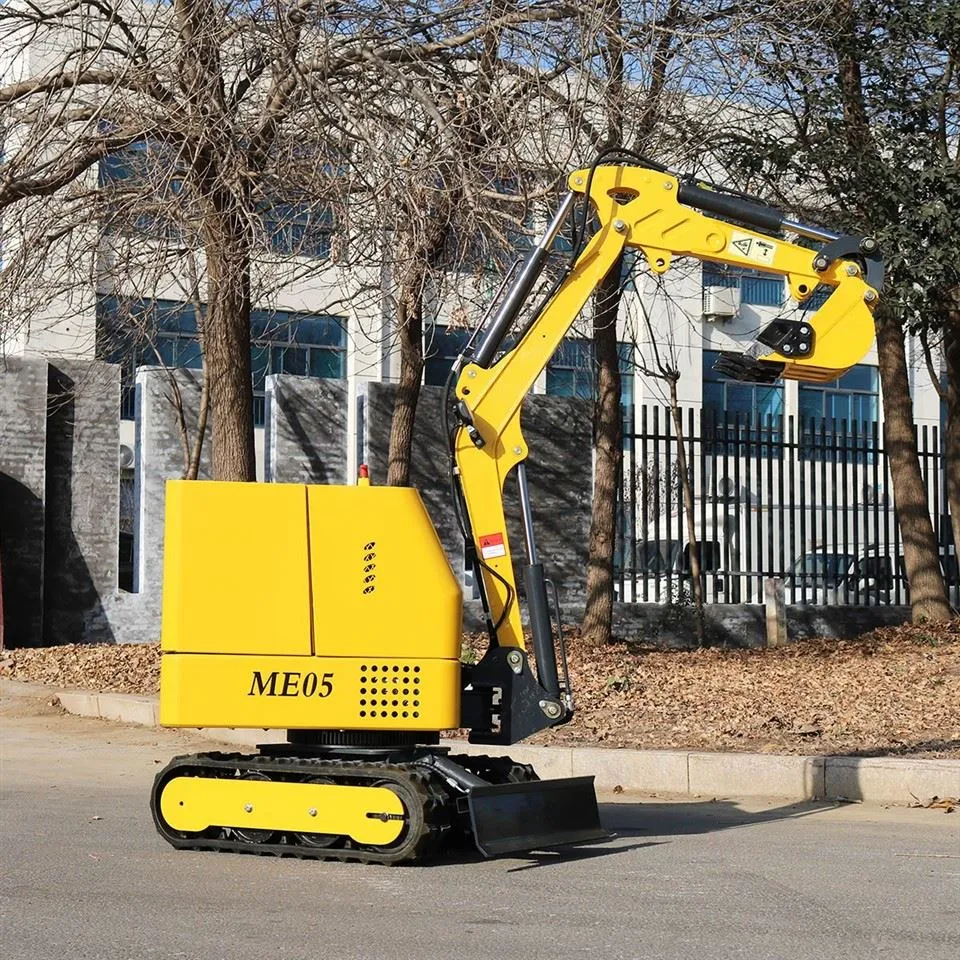
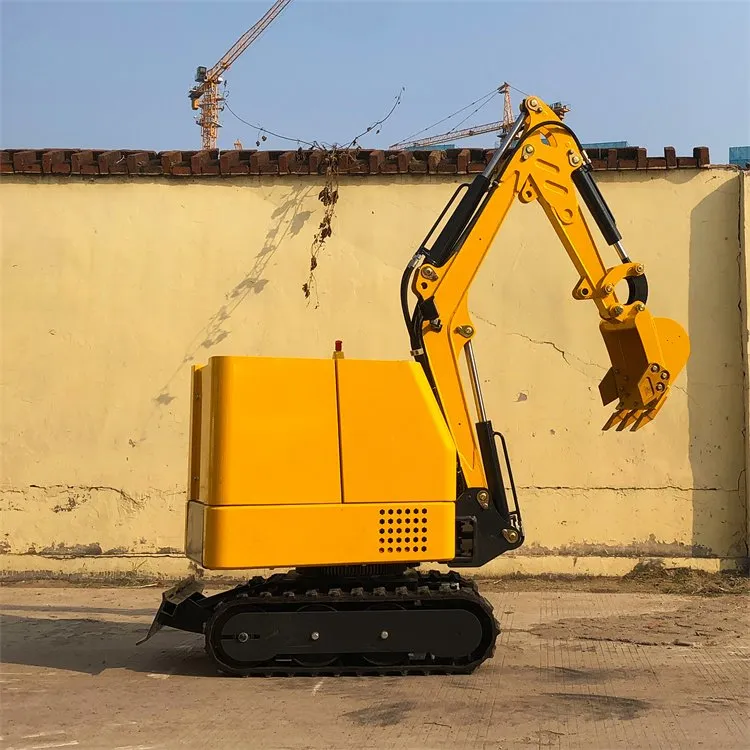
Mini Excavator

Your Professional Mini Excavator Supplier in China!


Ant Cloud Intelligent Equipment (Shandong) Co., Ltd. is a machinery manufacturing company integrating R&D, production and sales. The main products include mini excavators, electric mini excavators, remote control mini excavators, mini skid steer loaders and other products.

Quality Control

The most advanced manufacturing base, and the latest management, ensuring each product is of high quality.

OEM&ODM

As the genuine manufacturer of all mini micro diggers, our technical team could design customized products for you.

Strict Testing

Each product has to be tested and debugged after the installation is finished. We guarantee the products are delivered with zero problems.

7*24 Service

We provide 7*24 comprehensive service for each valued client that you could purchase and use our equipment with confidence.


First 1234567 Last 1/10
Introduction of Mini Excavator


A compact or mini excavator is a tracked or wheeled vehicle with an approximate operating weight from 0.7 to 8.5 tonnes. It generally includes a standard backfill blade and features independent boom swing. Hydraulic excavators are somewhat different from other construction equipment in that all movement and functions of the machine are accomplished through the transfer of hydraulic fluid. The compact excavator's work group and blade are activated by hydraulic fluid acting upon hydraulic cylinders. The excavator's slew (rotation) and travel functions are also activated by hydraulic fluid powering hydraulic motors.


How Does a Mini Excavator Work?


Many construction operations are more productive and safe when done using mini excavators. Their compact size enables swift movement into tight spaces, expediting various tasks. Below mentioned are a few steps to operate a Mini Excavator.
Before operating, ensure you are familiar with the position and purpose of each control. Never alter the way the control lever is used. If the operator fails to do that, it will result in machine malfunction.
When excavating grooves next to walls or roadsides, run the machine effectively using the boom swing feature. The boom-swing pedal on the operator’s right foot is used to operate the boom swing.
Use the lever on the operator’s right side to raise and lower the blade. The blade lever immediately returns to neutral when it is released, retaining the blade in place until the lever is pressed once again.
The purpose of the pilot control shut-off lever is to prevent machine malfunction if the control levers are unintentionally changed when the operator exits or enters the cab. The console latch mechanism is connected to the pilot control shut-off lever to make it easier to enter and depart the operator’s station and for maintenance.
Park the machine on a firm and level surface. Lower the bucket and the blade to the ground. Return all control levers to neutral. Properly shut down the engine. Pull the pilot control shut-off lever and raise the console to the full lock position.
The standard operating temperature of hydraulic oil is between 50 and 80 °C (122 and 176 °F). If the machine is run while the hydraulic oil temperature is below 20 °C (68 °F), hydraulic components may suffer substantial damage. Follow these warm-up methods before beginning work until the hydraulic oil temperature is above 20 °C (68 °F).
For operating the backhoe, use the right arm and bucket for the work. Pull the bucket toward the machine using the arm as the main digging force. When soil sticks to the bucket, remove it by moving the arm and/or bucket rapidly back and forth. Place the bucket teeth on the ground with the bottom of the bucket at a 45degree angle to the ground. When trenching a straight line, position the tracks parallel to the trench. After digging to the desired depth, move the machine as required to continue the trench. When operating the arm, avoid bottoming the cylinder to prevent cylinder damage.
For Grading operations, use the blade for soil refilling and general grading operations after excavation. Grading operation can also be performed by operating the boom, arm, and bucket simultaneously.
Slowly roll in the arm while slightly raising the boom when grading from the forward to the backward. As soon as the arm passes the vertical position, slowly lower the boom so that the bucket can be horizontally moved. Operate the arm and bucket rolled back when grading from the backward to the forward as described above.
Do not travel while thrusting the bucket teeth into the ground, and do not raise the rear of the machine to use the machine’s weight as an additional digging force. This may cause Severe machine damage may result.


productcate-1-1


The Advantages of Using Mini Excavators

More Accessibility
With regular-sized excavators, the accessibility on a construction site is limited. Due to its smaller size, a mini excavator allows for more accessibility in tight spaces. This also means that there are more areas in a construction project where you can use an excavator, especially if it’s a renovation project.

Cause Less Damage
In addition, mini excavators cause less damage. A reason why mini excavators can cause less damage is that, in addition to being smaller, they are lighter pieces of equipment compared to a regular excavator. So, there’s a decreased chance that you’ll bump into something.

Easier to Operate
Another one of the advantages of using mini excavators is that they are easier to control. This makes construction work more efficient with less time spent on training workers on how to operate heavy-duty equipment and more time doing the job itself.

Make Less Noise
Noise levels are a danger to everyone on a construction site, which is why finding ways to reduce levels is vital for everyone’s safety. Using a mini excavator is one way to make less noise on a site because, since it’s a smaller machine, it produces less noise.

Easy to Transport
A huge advantage of mini excavators is that they are easy to transport. Not only does this improve efficiency, but it can reduce transportation costs, ultimately saving your company money over time.


Types of Mini Excavators


Micro Excavators
Micro excavators are the smallest type of mini excavators, typically weighing less than 1 ton. They are highly compact and maneuverable, making them ideal for working in tight spaces and indoor environments. Micro excavators are commonly used for small-scale landscaping, residential projects, and utility maintenance. However, they fall short at handling some of the more intensive jobs.

Compact Mini Excavators
Compact mini excavators range from 1 to 3 tons in weight. They strike a balance between size and power, offering increased digging capabilities compared to micro excavators. Compact mini excavators are versatile and widely used in landscaping, construction, and utility applications. These are generally some of the strongest excavators for their size.

Midi Excavators
Midi excavators fall within the 4 to 7-ton weight range. They provide greater power and digging depth compared to smaller mini excavators, making them suitable for medium-scale construction projects. You’re likely to see midi excavators being used in residential and commercial construction, as well as for road maintenance and excavation tasks.

Large Mini Excavators
Large mini excavators, aside from starting to sound like an oxymoron, typically weigh between 8 to 10 tons. This is where they start to offer a more substantial digging force and lifting capacity, making them suitable for heavy-duty construction and earthmoving projects. Large mini excavators are commonly used in larger construction sites, roadworks, and utility installations.

Hybrid and Electric Mini Excavators
With the growing emphasis on environmental sustainability, hybrid and electric mini excavators are gaining popularity. As the name suggests, hybrid excavators combine an electric motor with a conventional engine, reducing fuel consumption and emissions. The fully electric mini excavators run solely on battery power, offering zero emissions and quieter operation, making them one of the best options for urban environments and especially for indoor projects.

Wheeled Mini Excavators
Wheeled mini excavators swap out the tracks that excavators commonly have for some wheels. This provides enhanced mobility and speed on smoother surfaces making it perfect for projects that require frequent transportation between job sites or on-road travel. Wheeled mini excavators are commonly used for utility repairs and landscaping projects.

Tracked Mini Excavators
Tracked mini excavators utilize tracks instead of wheels in order to improve stability and traction on uneven terrain or soft ground. Even in these landscapes they offer excellent maneuverability and digging performance, making them suitable for various applications, including construction, agriculture, and forestry.


Mini Excavator Specs and Considerations
 

While all excavators are categorized by weight, there are other specifications to consider before renting a mini excavator. Digging capacity, dimensions and engine power are all important factors to consider when picking the right mini excavator for a project. Here’s a closer look at the eight most common excavator specs.

Operating Weight
Mini excavators are classified by their operating weight. The operating weight is how much a mini excavator weighs while working. The operating weight is determined by calculating the sum of the weight of the machine, an average-sized operator and the fuel that keeps it running. The operating weight of the machine is essentially the counterweight to the bucket’s load. If a project requires heavy lifting and digging through dense materials, a higher operating weight proves necessary.

Digging Depth
The digging capacity or depth determines how deep an excavator can dig into a surface. For mini excavators, a general rule of thumb is the larger the size, the further it can dig. Of course, the makes and models of excavators differ, so you should always double-check that a machine’s digging specifications will suit your needs.

Overall Dimensions
One of the main reasons anyone operates a mini excavator is due to its compact design that can fit and work within small spaces. That said, mini excavators still come in different shapes and sizes. It’s wise to double-check the measurements of the area you’re working in to ensure the excavator’s height, width and length are the optimal sizes.

Engine Power
Engine power on a mini excavator is typically measured in horsepower (HP) or kilowatts (kW). The engine power rating indicates the amount of power that the engine can generate. The higher the engine power, the more energy it can exert for digging large loads and breaking through compact surfaces.

Bucket Breakout Force
Bucket breakout force is the maximum amount of force that an excavator bucket can exert and is measured in pound-force. Knowing the breakout force of the machine is important because it determines its digging and lifting capacity. Essentially, the higher the breakout force, the better equipped the machine is for handling scooping up large loads.

Arm Reach
The arm’s reach is how far the arm can extend. It may seem like this specification may not be as relevant if you’re working within a small space, but operating an arm that’s too long within a confined work area may be difficult. Always double-check that the arm’s reach of an excavator is long enough to suit your digging and reaching needs, but not so long that it becomes a nuisance to the project.

Swing Space
The swing of a mini excavator refers to the amount of space required for the machine to rotate without hitting any obstacles. When working in tight or confined spaces, it’s considered the boom (the arm) and tail swing of the excavator. Low and zero-swing excavators are available for operating within small spaces.

Dumping Height
The dumping height of an excavator refers to the maximum height the machine’s arm can dump or scoop material from its bucket. The height is determined by measuring the ground to the highest point of the bucket when it’s fully extended and in the dumping position. Dumping height is an important consideration because it determines the height of the dumpster, truck or other containers that the machine can load or unload.


Uses of a Mini Excavator
productcate-1-1
productcate-1-1
productcate-1-1
productcate-1-1

Construction
Contractors use mini excavators for various construction tasks. Mini excavators can dig out trenches and ditches. They’re especially useful on delicate surfaces or in tight spaces where a standard-sized excavator wouldn’t fit. A mini excavator can move materials to and from the job site, and these machines are a breeze to operate. Attachments add an array of capabilities, including:
Drilling: Augers can dig down to support posts, fences and other structures.
Ripping: Rippers cut through hard-packed earth and ice to make room for construction.
Compacting: Available in various designs like plates and rollers, compactor attachments can make quick work of these tasks.

Landscaping
A mini excavator is a popular tool for landscaping because of its versatility and light weight. The small size means it can fit easily on a lawn without damaging the ground. Attachments allow landscapers to take on a range of tasks, like.

  • Placing and removing trees.
  • Tearing down small structures like sheds and decks.
  • Carrying away debris.
  • Installing pools and spas.
  • Raking, mowing grass and removing brush.
  • Mulching.

Maintenance and Utility Work
Mini excavators are also useful for some kinds of utility and maintenance work. They cost less than the standard-sized piece of machinery and can accomplish similar tasks.
Mini excavators can dig trenches for sewer lines and drill holes for utility pole installation. They’re also useful for cleanup jobs, such as plowing snow and sweeping large areas.

Farming
On the farm, mini excavator uses include everything from spearing and moving hay bales to digging holes for fence posts. Farmers can swap out attachments as needed and use the machinery for any number of tasks, like tilling soil, lifting feed bags, digging ditches and mowing grass.

Materials Handling
Mini excavators are great for lifts, and the attachments can accommodate odd shapes. You can use forks, bucket thumbs, bale grabs and material handling arms built for the job at hand. Mini excavators can handle oddly shaped piles of debris as well as pallets, drums and other loads.


4 Features That Make the Mini Excavator a Must-have on Site
 
01/

Range of Bucket Attachments
It may seem like a small detail, but after all the smaller features are the ones that tend to have the biggest impact. Being able to interchange the bucket attachments on the mini excavator means you are able to adapt to whatever task is at hand. For example, if you require a precise outline to be dug, a smaller bucket attachment might be best suited for the job. Now you’ve got your outline, it is probably time the bigger attachments are fitted so you can excavate the land with maximum efficiency.

02/

Mini Excavators are Small in Stature
As the name suggests, the biggest feature of the mini excavator is how small they really are. Our fleet of mini excavators only features machines that are a little over a metre wide, meaning no gate or access point is too narrow. This is what makes these machines so good for landscaping jobs. When access to a garden or area is restricted, fret not as it is likely that the mini excavator will fit and save you hours of labour-intensive work. Of course, if you need an even smaller machine, we offer a selection of micro excavators too.

03/

Most Mini Excavators come Equipped with Retractable Tracks
While we did just mention the fact that a lot of our machines come in a little over a metre in width, a lot of mini excavators come equipped with retractable tracks, making it an even slimmer machine. Take the Kubota KX018 for example, at standard width it is only 1300mm wide, but with the tracks pulled in it comes in at a narrow 990mm. We mean it when we say there are very few access points this machine couldn’t get through.

04/

Spacious Cab and Modern Tech
A lot of the newer machines in our range come equipped with the latest tech inside a spacious cabin. With most manufacturers focussing on operator comfort with their latest models, they have prioritised making their machines as easy as possible to operate. Small details such as cup holders and armrests also go a long way in providing comfort that ultimately turns into highly-efficient work.


Mini Excavator Main Components


House
Attached to the undercarriage with a swing bearing, the house contains your operator’s cab, engine, hydraulic pump and distribution components. The house and the workgroup rotate or “slew” 360 degrees to provide exceptional agility when working in confined areas where larger machines can’t fit.

Undercarriage
The undercarriage includes standard rubber excavator tracks surrounding drive sprockets, rollers and idlers which propel the machine. The most common type of undercarriage for smaller mini excavators is the retractable undercarriage. This H-shaped undercarriage can be retracted to temporarily reduce overall machine width, which is valuable for traveling through small openings or working in tight areas. It should be expanded before doing any work. A fixed excavator undercarriage is typically a little wider than the house structure.

Workgroup
The boom, arm and any attachment you add to the machine are all included in the workgroup. Compact excavators are unique in that their workgroup is connected to the front of the house with a “swing frame.” The swing frame can be hydraulically pivoted left or right so you can do offset digging parallel to the excavator tracks.

Backfill Blade
Hydraulically activated and controlled from inside the excavator cab, the backfill blade is connected to the undercarriage and used for grading, leveling, backfilling and dozing. It can also be used as a stabilizer for the machine depending on its position. An angle blade option is ideal if you need to backfill and grade quickly. This option lets you angle the excavator’s backfill blade 25 degrees left or right to direct soil from one side to the other.


Safety Tips for Buying a Mini Excavator
 

In addition to finding the right mini excavator that offers all the safety features you desire, there are a few considerations to keep in mind when shopping for new or used heavy machinery. The following tips may help you ensure the safety and longevity of your mini excavator.

Research and Compare Models
There are various models of mini excavators that will suit your needs. However, comparing the features, capabilities and specifications of different brands can ensure you select a machine that offers maximum performance for all your current and future projects. Don’t be afraid to look around and try out different models.

Inspect the Machine Thoroughly
Used equipment offers many benefits, including cost-efficiency. If you’re buying a used mini excavator, be sure to inspect its overall condition. This could include reviewing the maintenance records, previous repairs, hours of operation and checking for any signs of damage to the tracks and undercarriage. Taking a test drive can help you assess the excavator’s condition and maneuverability.

Consider Attachments
Excavator attachments can substantially expand your machine’s versatility. If you have your eye on a specific model, be sure to note which attachments are compatible. Common attachments include buckets, plate compactors, grapples, hammers, mulchers, breakers, rippers, rakes and augers.

Determine Fuel Efficiency and Maintenance
All heavy machinery requires regular maintenance. More advanced models may offer better fuel efficiency and upgraded technology. Choosing a reputable brand with product support after the sale can make maintenance easier and improve accessibility to spare parts. After-sale support will also help you save time and money in the long run by keeping your equipment well-maintained and offering emergency repairs to reduce project downtime.


What Size Mini Excavator Do I Need? Factors to Consider
productcate-1-1
productcate-1-1
productcate-1-1
productcate-1-1

The machine you pick should be able to meet your digging, lifting or demolition needs. It must fit into the work area and should be easy to transport to and from the jobsite. Consider these specifications when choosing a mini excavator. Generally speaking, it’s best to choose the smallest mini excavator that can handle your job.

Operating Weight
Operating weight is used to calculate the mini excavator lifting capacity, which takes into consideration the height and radius of the lift. It also dictates the pressure the mini excavator will exert and the impact it will have on the ground.

Dig Depth
The dig depth indicates how deep an excavator can dig into the earth and remove it.

Reach
Reach is a measure of how far the excavator can reach at ground level.

Dump Height
Dump height is maximum height the excavator can lift and dump a load.

Bucket Breakout Force
Bucket breakout force is the maximum force exerted through the bucket. The higher the breakout force, the more a mini excavator can dig and lift.

Dimensions
The mini excavator dimensions-the height, width and length of the machine-will affect whether it fits in the work area and how you transport it to and from the jobsite. Larger mini excavators often have to be transported by a driver with a commercial license, while a small mini excavator can fit on a pickup.

Swing
Swing is the amount of space the mini excavator needs around it to move without hitting anything. If you’re working in a small space, consider both the boom and tail swing, and choose an excavator with low or no swing.


How to Use a Mini Excavator


Lower the Blade: Use the control lever to lower the blade until it tilts the machine up slightly.

Use the Throttle for Power: If you are new to using a mini excavator, consider using half power for a while until you get more comfortable operating the machine.

Position the Stick and Bucket for Excavating: To start excavating, push the primary stick to extend the stick outward. When the stick is about halfway extended, use the bucket control to angle the bucket. Lower the boom until the bucket’s teeth meet the ground. Use the joysticks to finesse your angle as needed.

Dig with the Stick: Pull on the stick to make the bucket dig into the earth. Then pull the primary boom lever to maintain your grade. If you have a swing boom or variable-angle boom, you can swivel the boom and dump the dirt. Or turn the mini excavator and drive the dirt to the established dumping location.


Our Certificate


The company has been actively benchmarked against the strict product testing standards of overseas markets, and products have passed many authoritative certifications from international agencies such as SGS, UDEM.


productcate-1-1


Frequently Asked Questions


Q: What is a mini excavator?

A: A mini excavator, also known as a compact excavator or mini digger, is a small, versatile piece of construction equipment used for tasks such as digging trenches, excavating foundations, grading surfaces, and landscaping.

Q: What are the typical size and weight of mini excavators?

A: Mini excavators will generally weigh somewhere between 1 to 8 tons (2,000 – 16,000 lbs) and have a width of approximately 3.5 to 6 feet, depending on the model. Their small size makes them highly maneuverable in tight spaces.

Q: What are the main components of a mini excavator?

A: A mini excavator typically consists of a house (the central body), an undercarriage with tracks, a hydraulic boom, stick, and attachments such as a bucket or auger.

Q: What are the advantages of using a mini excavator over bigger excavators?

A: Mini excavators are more compact, maneuverable, and quieter than larger excavators, making them ideal for construction work in tight or urban spaces, residential areas, or places with noise restrictions. They also consume less fuel, are easier to transport, and cause minimal ground damage.

Q: What are the types of mini excavators available?

A: There are several types of mini excavators available on the market, including standard tail swing, zero tail swing, and compact excavators.
Standard tail swing excavators are the most common and have a rear end that swings out when turning.
Zero-tail swing excavators have a rear end that stays within the width of the tracks when turning, making them ideal for tight spaces.
Compact excavators are smaller and more lightweight than standard or zero tail swing excavators, making them easier to manoeuvre.

Q: What are the common mini excavator sizes?

A: Mini excavators come in a range of sizes, from as small as 0.8 tonnes to as large as 5.5 tonnes. Choosing the right size is crucial for getting the job done efficiently and safely. Here is a mini excavator size chart to help you determine which size is right for your project.
0.8 to 1.2 tonnes: Ideal for landscaping, trenching, and light demolition.
1.2 to 2.5 tonnes: Suitable for small construction projects, digging foundations, and landscaping.
2.5 to 3.5 tonnes: Good for medium-sized construction projects, digging trenches, and landscaping.
3.5 to 5.5 tonnes: Best for heavy-duty tasks, such as demolition and excavation of large areas.

Q: Are mini excavators hard to use?

A: While operating a mini excavator is a fairly straightforward process once you become familiar with the controls, it will take practice to get comfortable and proficient. Before using the equipment under live job site conditions, you should find a flat, level, open area away from other equipment.

Q: How do I know what size excavator I need?

A: Before you choose an excavator, review your required dig depths. Lifting capacity: Since excavators also double as material handlers, their lift capacity is crucial as well. Lift capacity simply refers to how much weight the excavator can handle.

Q: How much weight can a mini excavator carry?

A: They may be small in size but mini excavators pack some punch when it comes to heavy lifting. Depending on the lift point radius, mini excavators can have a maximum load limit of 1500kg out the front of the machine and 500kg over the side.

Q: What is the most common size excavator?

A: A typical standard excavator will weigh 19-24 tons, but they can range from 10 to 45 tons. Unlike smaller sizes, standard excavators are fitted with treads instead of wheels, making them good at navigating rough terrain. Their treads are where they get the name “crawlers.”

Q: What is the most popular size excavator?

A: The most popular crawlers fall in the 19–24 ton range, and this class is most common in commercial construction. Standard excavators not only offer more power and reach, but their hydraulic systems make them capable of handling multiple tool attachments.

Q: How long do mini excavators last?

A: Mini-excavators typically offer a similar average lifespan of around 10,000 hours. For both excavators and mini-excavators, you'll want to pay special attention to the undercarriage wear and the condition of the tracks.

Q: Are mini excavators worth it?

A: Mini excavators are designed to be compact and maneuverable, allowing them to access tight spaces that larger machines cannot reach. This makes them particularly useful for urban construction projects, landscaping in residential areas, and working in confined spaces such as basements or trenches.

Q: Is an excavator a bulldozer?

A: Excavators are typically larger than bulldozers and can be used on uneven terrain, whereas bulldozers are used on level ground. The excavator's bucket allows it to transport materials, but a bulldozer cannot transport materials in the blade.

Q: Is an excavator a forklift?

A: Forklifts are designed with the intent to load and unload goods on their forks while excavators are designed as earth-moving construction machinery. Both forklifts and excavators are, in general, not intended for use as lifting machines to carry out lifting operations.

Q: Is a mini excavator better than a tractor?

A: If you're looking to dig, excavators are the better choice. Excavators have been designed specifically for digging and digging only. They're also much stronger than tractors, which can handle more weight when moving dirt around your property.

Q: What not to do with a mini excavator?

A: Don't exceed bucket load capacity: Mini excavator buckets come in various sizes and load capacities. Know how much your machine's bucket can handle and never go over the limit. An overloaded bucket increases the tipping hazard and can damage the boom, arms and hydraulic system.

Q: Are excavators hard to learn?

A: If you take the time to train and master excavator operation, it comes easily. Practice, training, and time in the machine all contribute to ease of use. Most excavators operate similarly no matter the brand, so once you learn how to operate one you can run any.

Q: What size is a small excavator?

A: Small excavators are those at the bottom of this size class that weigh between 7 and 10 tons. The small size and low tail swing of midi excavators mean they are helpful for many of the same tasks as mini excavators, but offer more power, reach and dig depth.

Q: Why use a mini excavator?

A: Because they are smaller and lighter, mini excavators leave reduced track marks and cause less ground damage. Smaller footprint. Compact mini excavators are easier to work with when a work site is small or crowded, like a parking lot. Easy transport.
As one of the leading mini excavator manufacturers in China, we warmly welcome you to buy high-grade mini excavator in stock here from our factory. All customized products are with high quality and competitive price. Contact us for pricelist. Lithium Battery Power Mini Excavator, 1ton Electric Mini Excavator, Mini Electric Excavator

whatsapp

Phone

E-mail

Inquiry