


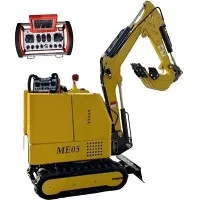


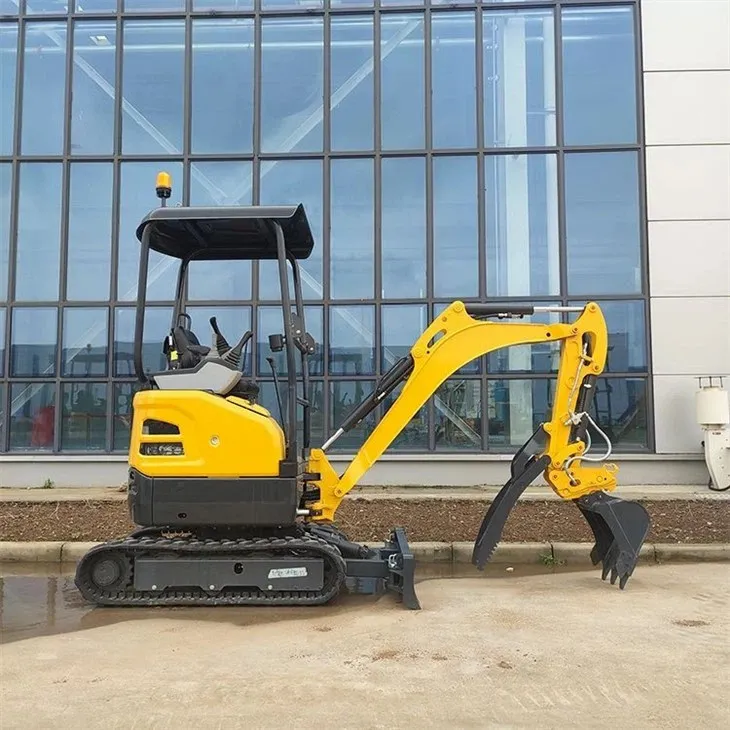
Mini Small Excavator
Ant Cloud Intelligent Equipment (Shandong) Co., Ltd.,Established in2019, is a professional engaged in the research, development, sale and service of mini excavator ,electric mini excavator ,and remote control excavator.We are located in Jining, Shandong Province with convenient transportation access. Dedicated to strict quality control and thoughtful customer service, our experienced staff members are always available to discuss your requirements and ensure full customer satisfaction. We warmly welcome customers from at home and abroad to cooperate with us for common success.
Why Choose Us
Our Factory
Ant Cloud Intelligent Equipment (Shandong) Co., Ltd.,Established in2019, is a professional engaged in the research, development, sale and service of mini excavator ,electric mini excavator ,and remote control excavator.
Our Product
Mini excavator, electric mini excavator, remote control mini excavator, mini skid steer loade.
Product Application
It is widely used in many fields such as municipal road, house decoration, tunnel construction, foundation engineering, agricultural production, mining, landscaping and so on.
Our Service
More than 100 experienced technicians and professional service teams provide pre-sale, in-sale, and after-sale services for every valued customer.


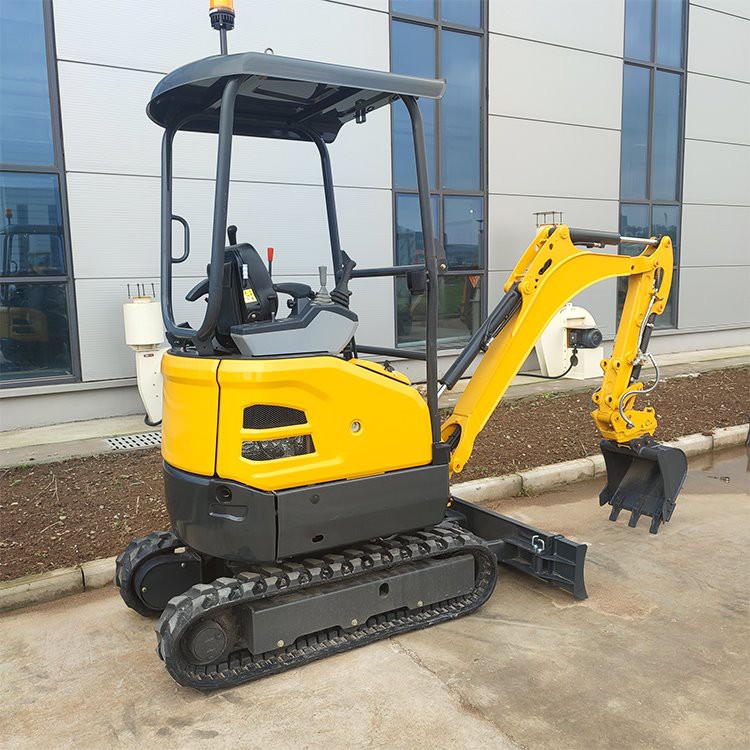


A mini small excavator is a small diesel- or battery-powered tracked or wheeled machine that combines the digging ability of an excavator with the mobility and flexibility of a compact piece of equipment. Mini small excavator are typically equipped with a hydraulic boom and an arm fitted with a bucket, auger, breaker or any one of a variety of attachments, and a cab where the operator sits. Their small size and precise controls make them ideal for countless applications, including construction, landscaping, utility work and demolition projects.
Advantages of Mini Small Excavator
More accessibility
With regular-sized excavators, the accessibility on a construction site is limited. Due to its smaller size, a mini excavator allows for more accessibility in tight spaces. This also means that there are more areas in a construction project where you can use an excavator, especially if it's a renovation project.
Cause less damage
In addition, mini excavators cause less damage. A reason why mini excavators can cause less damage is that, in addition to being smaller, they are lighter pieces of equipment compared to a regular excavator. So, there's a decreased chance that you'll bump into something.
Easier to operate
Another one of the advantages of using mini excavators is that they are easier to control. This makes construction work more efficient with less time spent on training workers on how to operate heavy-duty equipment and more time doing the job itself.
Make less noise
Noise levels are a danger to everyone on a construction site, which is why finding ways to reduce levels is vital for everyone's safety. Using a mini excavator is one way to make less noise on a site because, since it's a smaller machine, it produces less noise.
Components of Mini Small Excavator
House
Attached to the undercarriage with a swing bearing, the house contains your operator's cab, engine, hydraulic pump and distribution components. The house and the workgroup rotate or "slew" 360 degrees to provide exceptional agility when working in confined areas where larger machines can't fit.
Undercarriage
The undercarriage includes standard rubber excavator tracks surrounding drive sprockets, rollers and idlers which propel the machine. The most common type of undercarriage for smaller mini excavators is the retractable undercarriage. This h-shaped undercarriage can be retracted to temporarily reduce overall machine width, which is valuable for traveling through small openings or working in tight areas. It should be expanded before doing any work. A fixed excavator undercarriage is typically a little wider than the house structure.
Workgroup
The boom, arm and any attachment you add to the machine are all included in the workgroup. Compact excavators are unique in that their workgroup is connected to the front of the house with a "swing frame." the swing frame can be hydraulically pivoted left or right so you can do offset digging parallel to the excavator tracks.
Backfill blade
Hydraulically activated and controlled from inside the excavator cab, the backfill blade is connected to the undercarriage and used for grading, leveling, backfilling and dozing. It can also be used as a stabilizer for the machine depending on its position. An angle blade option is ideal if you need to backfill and grade quickly. This option lets you angle the excavator's backfill blade 25 degrees left or right to direct soil from one side to the other.
Factors to Consider When Choosing a Mini Small Excavator


1. Operating weight and size the operating weight and size of the excavator are critical factors, as they determine where the machine can be used and what tasks it can perform. Consider the typical environments and tasks your excavator will encounter and choose a size that offers the best balance between power and maneuverability.
2. Engine power and performance engine power directly impacts the machine's performance, especially when operating heavy attachments or working in challenging conditions. Higher horsepower engines provide more power, but they also consume more fuel, so it's essential to balance power needs with efficiency.
3. Hydraulic flow and auxiliary circuits the hydraulic system is vital for operating attachments, so it's important to consider the hydraulic flow rate and the number of auxiliary circuits available. Machines with higher flow rates and multiple circuits can handle a wider range of attachments, offering greater versatility.
4. Attachment compatibility ensure that the excavator you choose is compatible with the attachments you plan to use. Some models come with universal couplers that allow for quick and easy attachment changes, while others may require specific couplers or additional modifications.
5. Cab comfort and visibility operator comfort is essential for long workdays, so look for cabs that offer ergonomic seating, good visibility, and easy-to-use controls. A comfortable operator is more productive and less prone to fatigue, which can also improve safety on the job site.
6. Maintenance and serviceability consider the ease of maintenance and serviceability when choosing a compact excavator. Machines with easy access to key components, clear maintenance schedules, and readily available parts will reduce downtime and extend the life of the machine.
Read the excavator's instruction manual and understand the controls. Each mini small excavator can be different, so be sure to check your manual to be sure you understand the excavator's controls and how to operate each function that you need for the job.
Enter the cab of the mini small excavator, ensuring three points of contact, and put on your seatbelt, start the excavator, and pull the safety lock lever down. These steps ensure that the excavator is ready to safely operate. Mini small excavator use either a standard ignition with a key or a digital keypad.
Raise the stabilizer bar before you start driving. The mini small excavator comes equipped with two control joysticks. The right joystick controls the boom and bucket curl. The left joystick extends the stick out and it also controls which direction you want your excavator to be facing (called the "swing").
Locate the track pedals to begin moving the mini small excavator. Be sure to set your engine speed and adjust your stabilizer bar using the machine's control levers. Go through all the controls and get a feel for the machine.
By using the hand controls together, you can move the machine forward and backward. It takes a while to get used to turning and moving these machines, though, making proper training even more essential.
To begin excavation, extend the machine's boom away from you and push the boom level forward until the bucket's teeth contact the ground. Then, pull back the bucket through the soil toward you. You can also swing the boom and move the excavated soil to an appropriate dumping location.
Tips for Maintaining a Mini Small Excavator
Regular inspections: Conduct routine inspections of your mini small excavator to identify any signs of wear, damage, or loose components. Check the hydraulic system, engine, tracks or tires, bucket, and attachments. Don't forget to address any issues asap to prevent any further damage!
Lubrication: Keep all moving parts well lubricated according to the manufacturer's guidelines. Regularly grease pivot points, bearings, and other critical components to reduce friction and extend their lifespan. It's also important to only use the appropriate lubricants recommended for your mini small excavator.
Filter maintenance: Clean or replace filters, including air, fuel, and hydraulic filters, at the recommended intervals. Clogged filters can reduce performance and potentially damage the engine or hydraulic system. Additionally, make sure to double check that the filters are installed correctly and securely.
Fluid levels: It's important to regularly check and maintain the proper fluid levels in the engine, hydraulic system, and coolant. To do this just follow the manufacturer's instructions for checking fluid levels and use the recommended fluids. Always be monitoring for leaks and address them immediately should they occur.
Track/tire maintenance: There exists different maintenance for your excavator depending on its means of transportation. If your mini small excavator has tracks, inspect them regularly for wear, damage, or misalignment. Adjust tension as needed to ensure proper track alignment and tension. For wheeled mini excavators, simply check tire pressure and inspect for any signs of damage or excessive wear.
Cleaning: To keep your mini small excavator clean, remove dirt, mud, and debris after each use. Use a pressure washer or hose to clean the tracks, undercarriage, and attachments. Pay attention to hard-to-reach areas to prevent buildup and corrosion.
Battery care: If your mini small excavator has a battery, regularly inspect and clean the battery terminals to ensure a good connection. Keep the battery charged according to the manufacturer's recommendations and be sure to replace it when necessary.
Storage: When you're not using it, store your mini small excavator in a dry, covered area. Protect it from the elements and extreme temperatures. If you plan to store it for an extended period, then follow the manufacturer's specific guidelines for proper storage procedures. This should include details on fuel stabilization and equipment preparation.
Application of Mini Small Excavator
One of the most common applications of compact excavators is in residential and commercial construction. These machines are perfect for small to medium-sized projects that require excavation in confined spaces. From digging foundations for homes to creating trenches for utility installations, compact excavators are highly efficient in these environments. Their ability to maneuver in tight spaces, such as between buildings or along narrow streets, gives them a clear advantage over larger, bulkier machines.
Landscapers frequently turn to compact excavators for their various landscaping projects. The small footprint and precise digging capabilities of these machines allow for detailed work in residential yards and commercial green spaces. Tasks like tree planting, stump removal, and digging for irrigation systems are made easier with the use of compact excavators.
Compact excavators are also highly effective in light demolition work. In situations where delicate or precise work is required, a compact excavator provides the necessary control and precision. They are commonly used for demolishing small buildings, sheds, fences, and even removing interior structures within buildings. The ability to attach different tools, such as hydraulic hammers or grapples, further enhances their demolition capabilities.
In utility and infrastructure projects, compact excavators play a crucial role. These machines are often used for installing or repairing underground utilities, such as water, gas, and electrical lines. Their compact size allows them to work efficiently in urban environments where space is limited, while their precision digging helps minimize disruption to the surrounding area.
Farms and agricultural operations benefit greatly from the use of compact excavators. These machines are ideal for performing tasks that would otherwise require extensive manual labor or larger, less precise equipment. Compact excavators are frequently used for digging irrigation channels, maintaining drainage systems, and removing rocks or tree stumps from fields.
Compact excavators are regularly utilized in road and path construction, especially for smaller-scale projects such as walkways, bike paths, and driveways. Their ability to precisely dig and move materials makes them well-suited for this type of work. In addition, compact excavators are often used for repairing and maintaining existing roads, particularly when dealing with damaged asphalt or laying new surfaces in restricted spaces.
6 Safety Tips for Mini Small Excavator

Wear the proper personal protective equipment
The right personal protective equipment (ppe) helps ensure operator safety. Wear a reflective vest to make yourself more visible and durable work boots to protect your feet. You should also wear a hard hat and clear or tinted safety glasses. For some applications, you'll want to protect your hands with gloves and wear ear protection.
Maintain three points of contact when entering and exiting
When you're entering or exiting your mini excavator, be sure to maintain three points of contact with the machine at all times. Those three points of contact can be either both feet and a hand or both hands and a foot. Maintaining these contact points helps improve your stability and reduces the chance of slips and falls.
Wear your seat belt
Even though a mini excavator doesn't move nearly as fast as a car, wearing your seat belt is still essential. The retractable seat belt, a feature built into all mini excavators, helps protect you if the machine overturns or collides with something.
Use the safety interlock
Mini excavators come equipped with a safety interlock. The safety interlock prevents you from bumping into levers and accidentally moving the excavator in a way that would injure you as you exit the machine. Raising the safety interlock gives you more space to get out and locks the mini excavator's components in place, ensuring you can exit safely.
Use the camera feature
Some mini excavators come with cameras for enhanced safety. You can use the wide-angle shot or switch to a close-up view of the area behind the machine. The camera feature helps you view the area around the mini excavator to avoid people or colliding with nearby objects.
Maintain proper blade positioning while digging
For balancing and safety reasons, proper blade positioning with your mini excavator is essential. With a mini excavator of more than 8 tons, you'll generally want to keep the blade in front. But with smaller mini excavators, particularly those weighing less than 3 tons, positioning the blade in the back can provide much-needed stability and balance.
With smaller excavators, if you try to dig with the blade positioned in the front, the cab will tip backward as the bucket digs into the soil. In this case, it's best to move the blade to the back of the mini excavator. It can grip the earth to provide stability and prevent the cab from tipping as you dig.
FAQ
Hot Tags: mini small excavator, China mini small excavator manufacturers, factory, Plug in Mini Excavator 1 5 Ton, 1 5ton Mini Crawler Excavator, Demolition Robot, Mini Hydraulic Excavator, 2 3 5ton Mini Excavator, Home Use Mini Excavator With Rubber Track
Previous
Small Excavator 1.8 TonYou Might Also Like


Send Inquiry