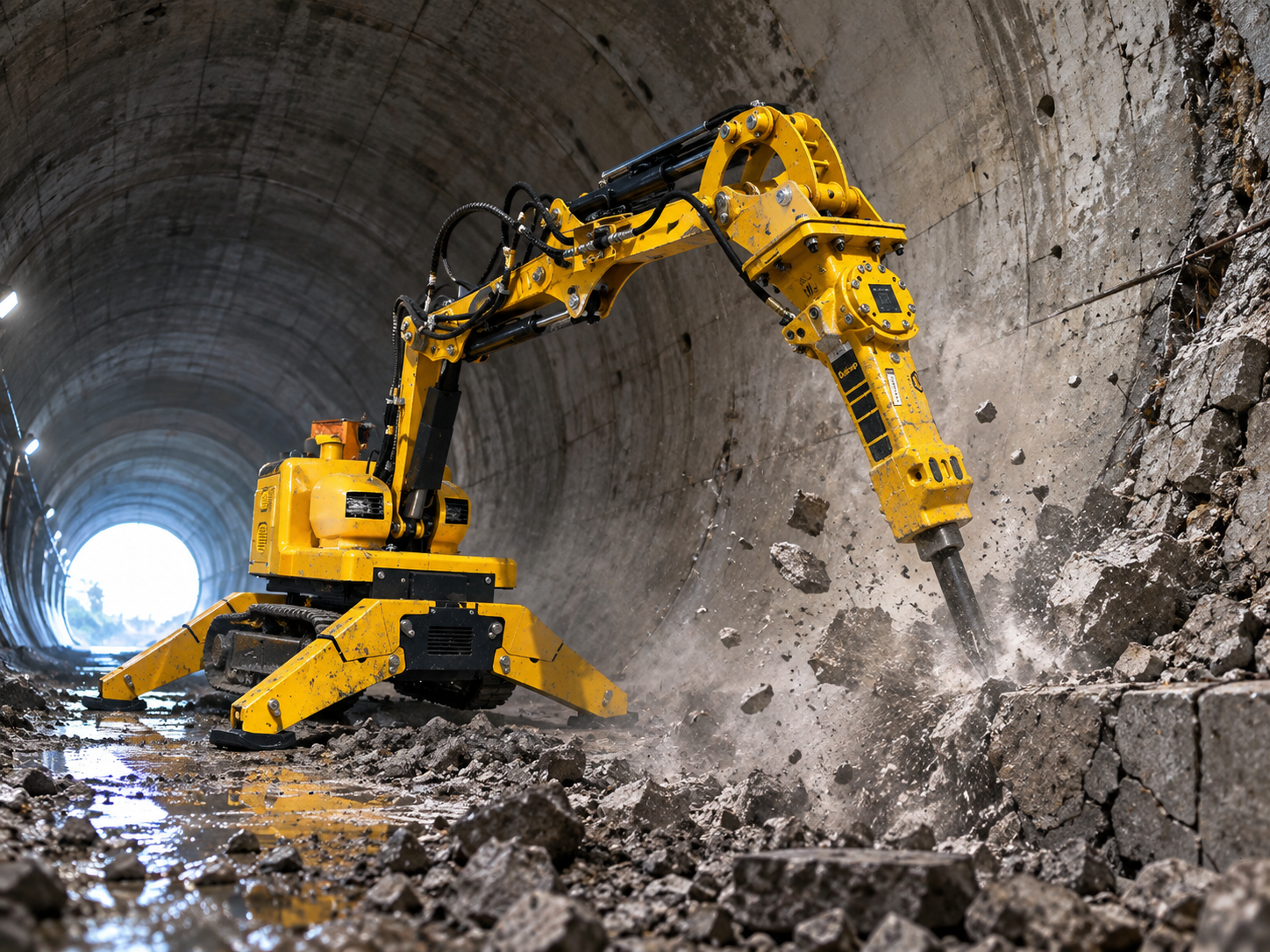
Performance Comparison Between Mini Excavators and Large Excavators
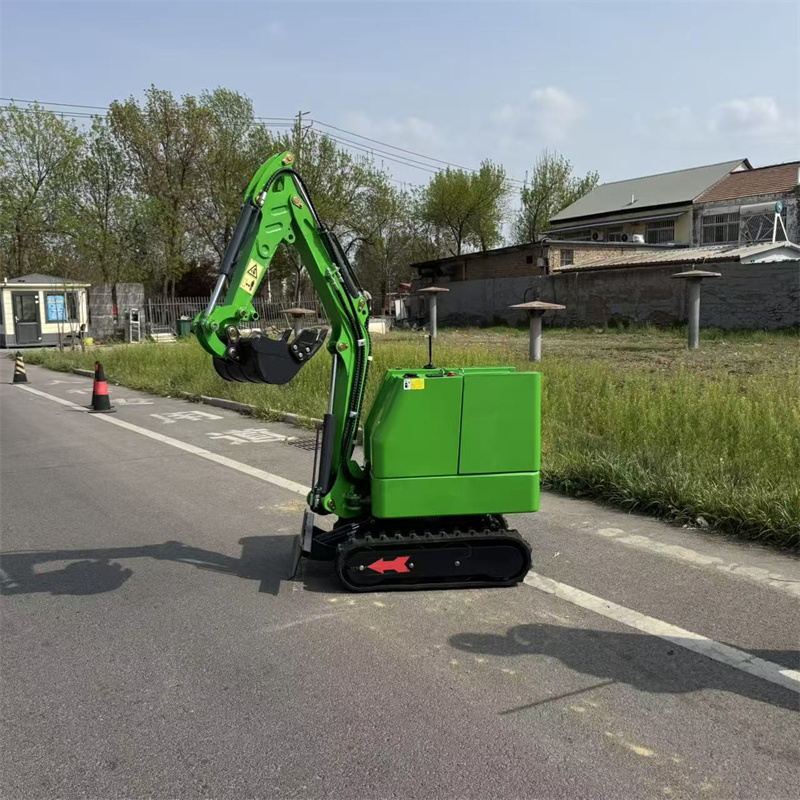
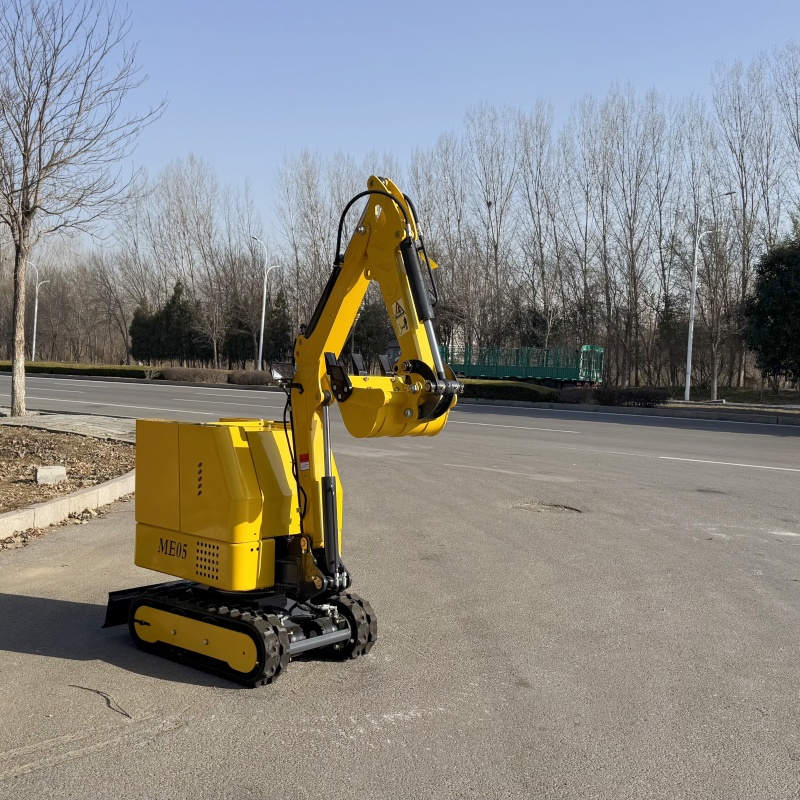
Excavators play a crucial role in today’s construction environment. Machines of different tonnage vary greatly in design focus, working scenarios, and core performance. To help users make informed choices, this article compares mini excavators (1–6 tons) and large excavators (20+ tons) from four major perspectives: power, operational capability, flexibility, and cost efficiency.
Powertrain: Lightweight and Fuel-Efficient vs. Powerful Output
Mini excavators typically use 10–30 kW engines with compact, high-torque designs suitable for light to medium-duty tasks. Optimized fuel systems and load-sensing hydraulics help reduce fuel consumption while maintaining responsive power output-ideal for urban projects and landscaping.
Large excavators feature powerful 100–300 kW engines designed for intense workloads such as mining and large-scale excavation. With high-capacity hydraulic pumps, they deliver over 200 kN of digging force. However, this strong performance comes with significantly higher fuel consumption.
Operational Capabilities: Precision Construction vs. Large-Scale, Efficient Excavation
Mini excavators operate within a 3–5 m working radius and 2–3 m digging depth. Their compact swing radius and boom swing capability allow precise operations in confined spaces-ideal for indoor demolition, residential renovation, and trenching.
Large excavators offer a digging radius of over 10 meters and deep excavation capabilities beyond 7 meters. With large bucket capacities, they handle massive volumes of earth daily, making them essential for infrastructure, mining, and large earthmoving operations.
Flexibility: Advantages of confined spaces vs. dominance of open spaces
Mini excavators are highly maneuverable, able to pass through narrow passages such as doorways, basements, and greenhouses. Some models with adjustable track width enhance accessibility. They excel in environments requiring tight turns and delicate control.
Due to their size, large excavators need open spaces and special transportation for relocation. However, they offer excellent stability and endurance during long working cycles, making them ideal for large-scale projects.
Economic efficiency: Low barriers to entry and high turnover vs. high input and high output
Mini excavators offer low acquisition costs, low fuel consumption, and simple maintenance, making them ideal for small contractors and rental companies. Their versatility also leads to a faster return on investment.
Although more expensive to purchase and maintain, large excavators shorten project timelines significantly. For major contractors, the increased efficiency often outweighs the high investment cost.
In conclusion, the two types of devices each have their own strengths, and future intelligentization will further narrow the gap.
Mini excavators stand out for their flexibility and precision, while large excavators dominate in heavy-duty, high-efficiency environments. Choosing the right equipment depends on project needs, worksite conditions, and budget considerations.
As electrification and intelligent control technologies advance, the gap between these two categories will narrow, opening new possibilities for the construction industry.