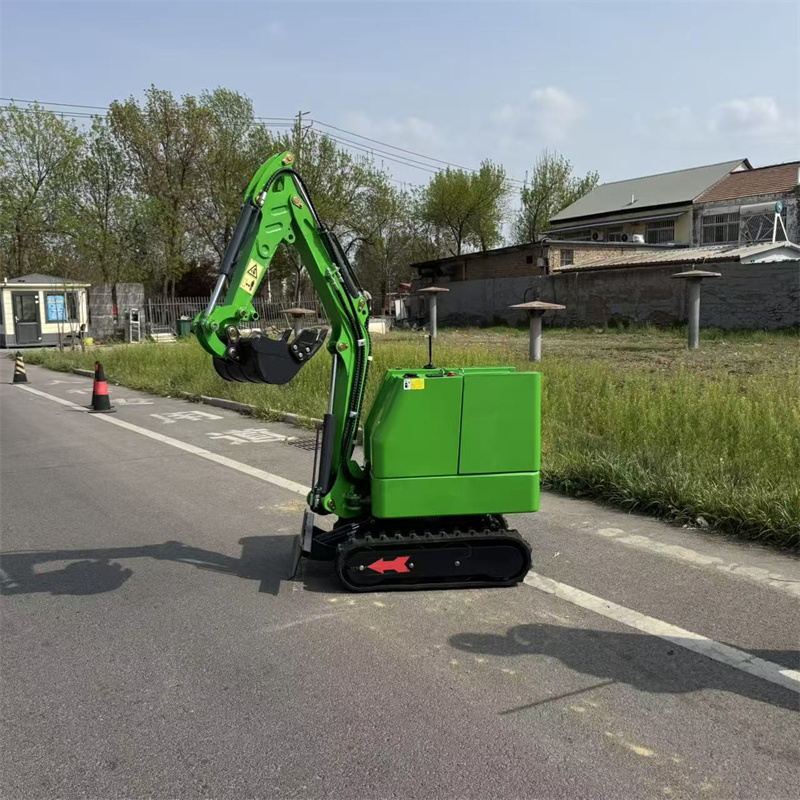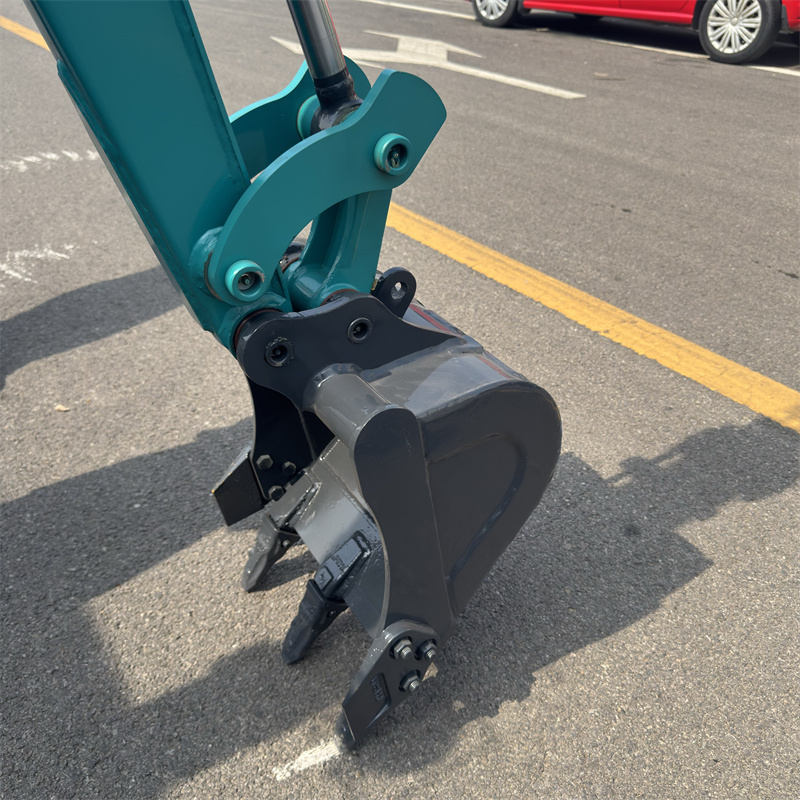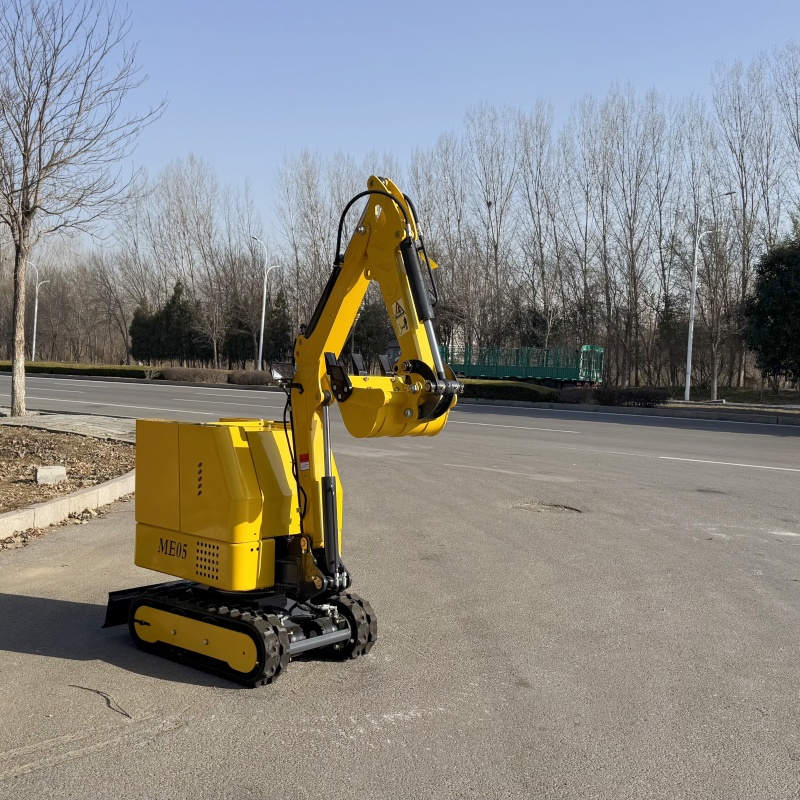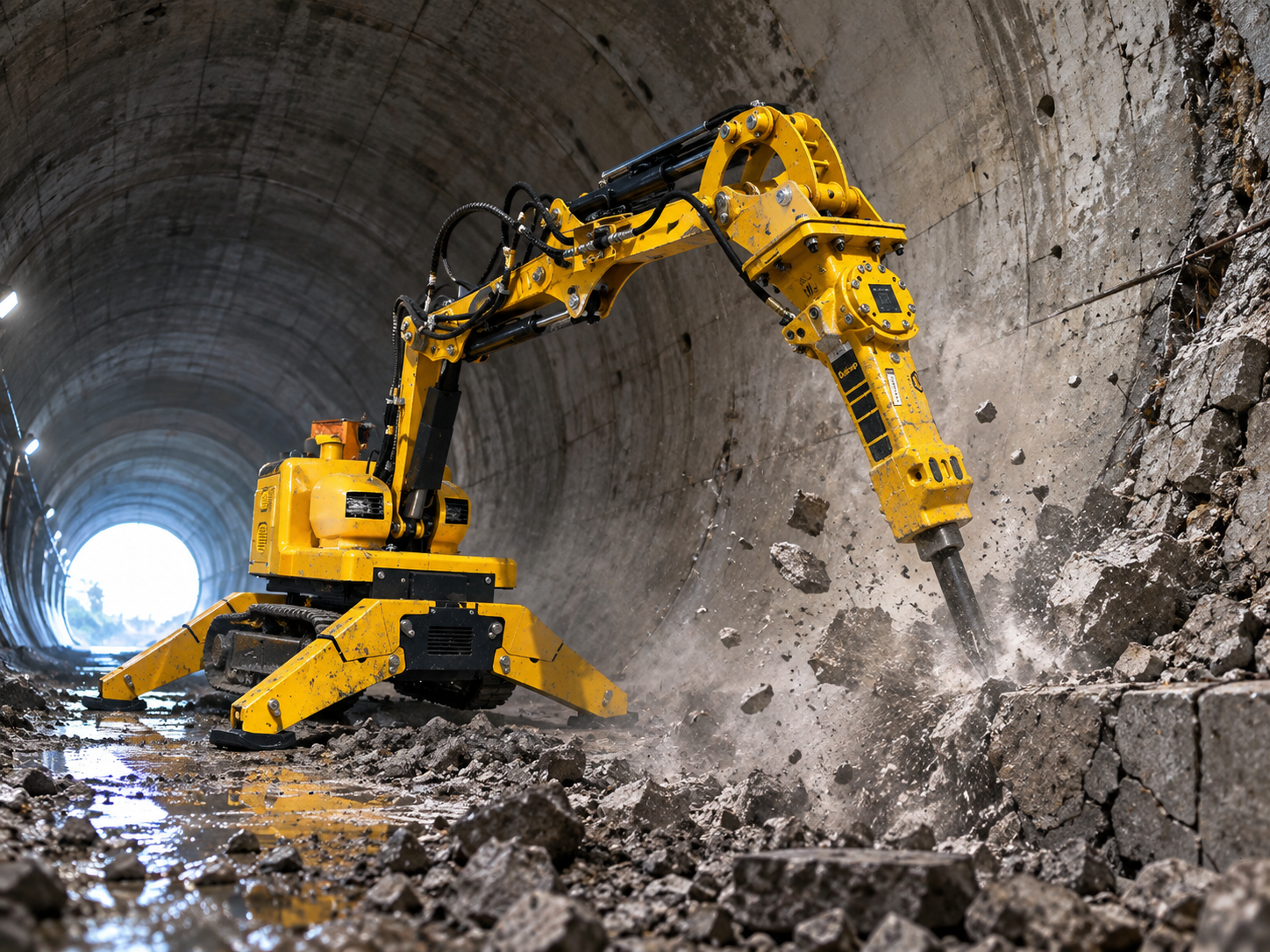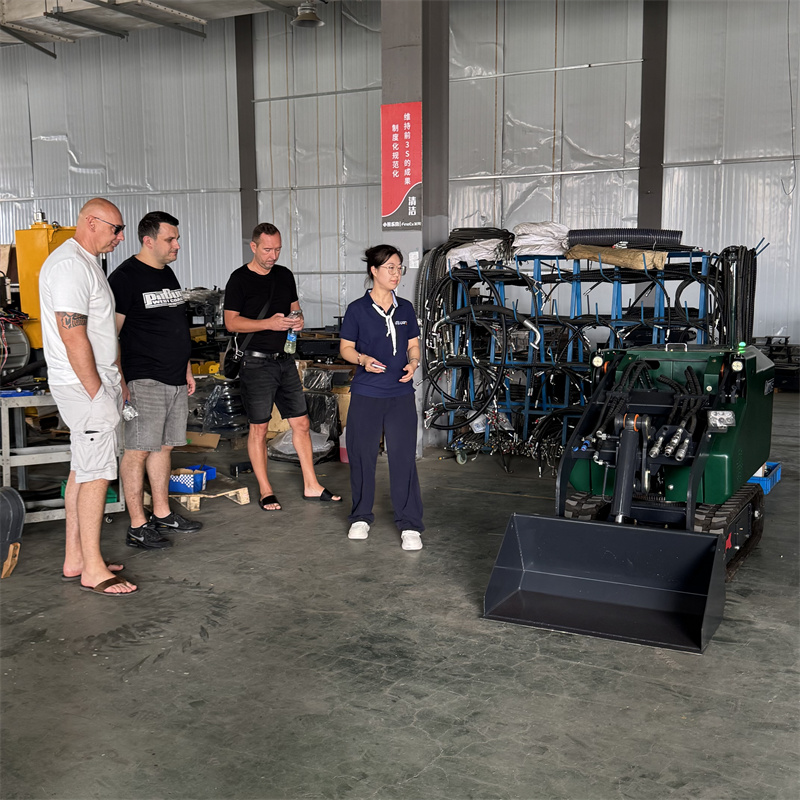
The technological innovation of small excavators in environmental protection is one of the key directions for the development of the construction machinery industry in recent years, aiming to reduce environmental impact during construction, improve energy efficiency, reduce emissions, and promote sustainable development. The following points outline several important technological innovations in this field:
1. Hybrid technology
As demonstrated by the domestically produced hybrid excavator launched by Sany Heavy Industry, this technology achieves optimized energy utilization during operation by combining traditional diesel engines with electric motors. This design can automatically adjust the power source according to the workload, thereby relying more on electric drive during light loads, reducing fuel consumption and emissions, and reportedly achieving up to 30% energy-saving effect. This not only reduces operating costs, but also significantly reduces the burden on the environment.
2. Electrification trend
With the advancement of battery technology, all electric small excavators have gradually become a reality. These devices rely entirely on battery power, achieving zero exhaust emissions and greatly improving the air quality of construction sites. Although battery life and charging facilities are currently challenges for its widespread application, fast charging technology and more efficient battery management systems are constantly breaking through, making the practicality and economy of electric excavators constantly improve.
3. Energy efficiency improvement and intelligent control
By optimizing hydraulic system design, such as using load sensing hydraulic system and variable pump technology, small excavators can reduce energy waste while maintaining strong excavation force. The intelligent control system can monitor the operation status in real time, automatically adjust the power output, and ensure optimal efficiency operation under various working conditions. In addition, the application of remote monitoring and data analysis technology helps users better plan maintenance cycles and avoid energy waste and environmental pollution caused by improper maintenance.
4. Low noise and shock-absorbing design
Environmental protection is not limited to emissions and energy consumption, but also includes reducing noise pollution. The small excavator adopts sound insulation materials, low-noise engine, and fine shock absorption design, effectively reducing the noise level during operation and reducing the impact on surrounding residents and ecological environment.
5. Sustainable Materials and Recycling Design
In the manufacturing process, more and more manufacturers are adopting recyclable materials and environmentally friendly processes, while designing product structures that are easy to disassemble and recycle to promote product recycling, reduce resource consumption and waste generation.
In summary, the technological innovation of small excavators in environmental protection is a multidimensional and systematic project, involving multiple levels such as power systems, material applications, and intelligent management. These innovations not only enhance the environmental performance of the equipment itself, but also provide strong support for promoting the green transformation of the entire construction industry. With the continuous maturity of technology and active guidance from policies, future small excavators will become more efficient, clean, and intelligent, becoming an important tool for achieving sustainable development goals.