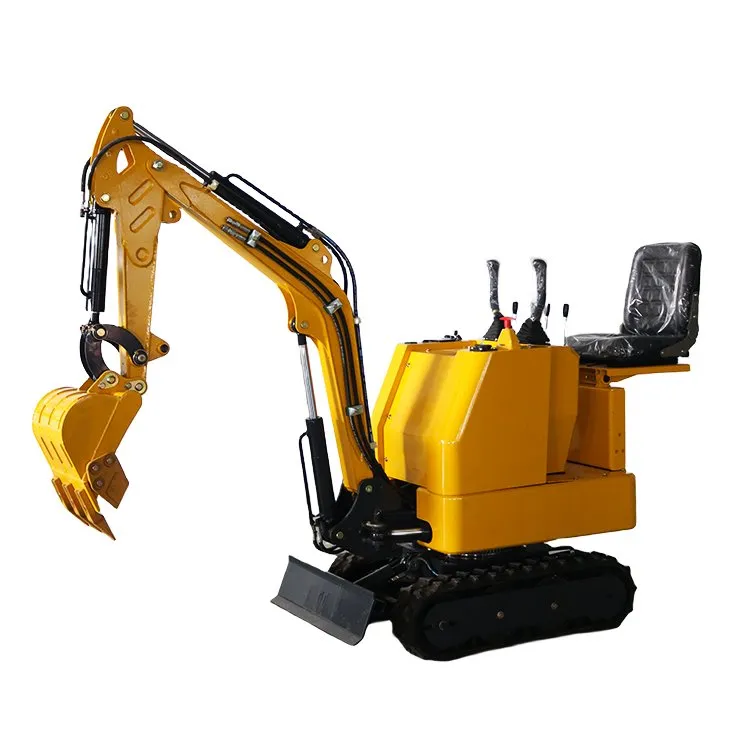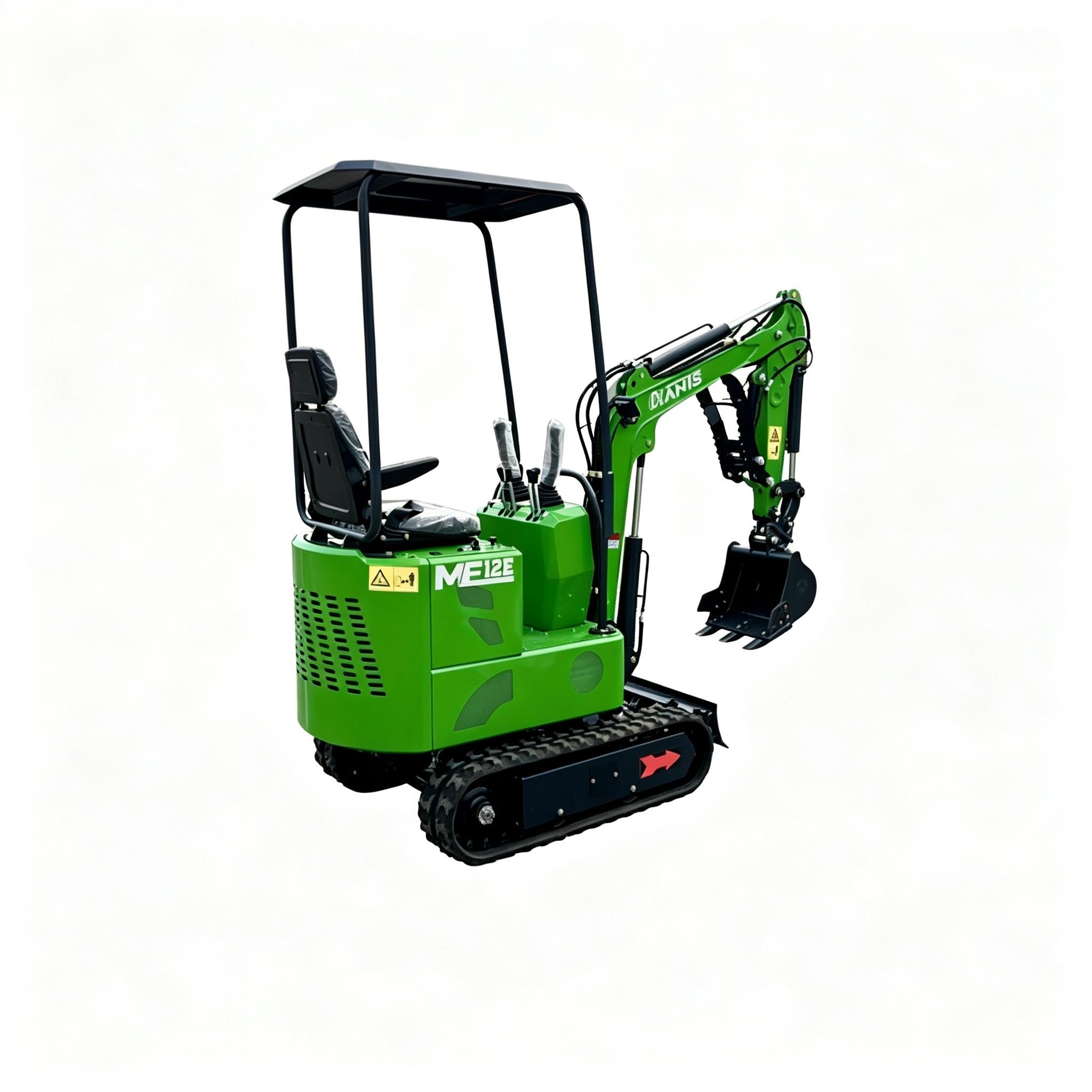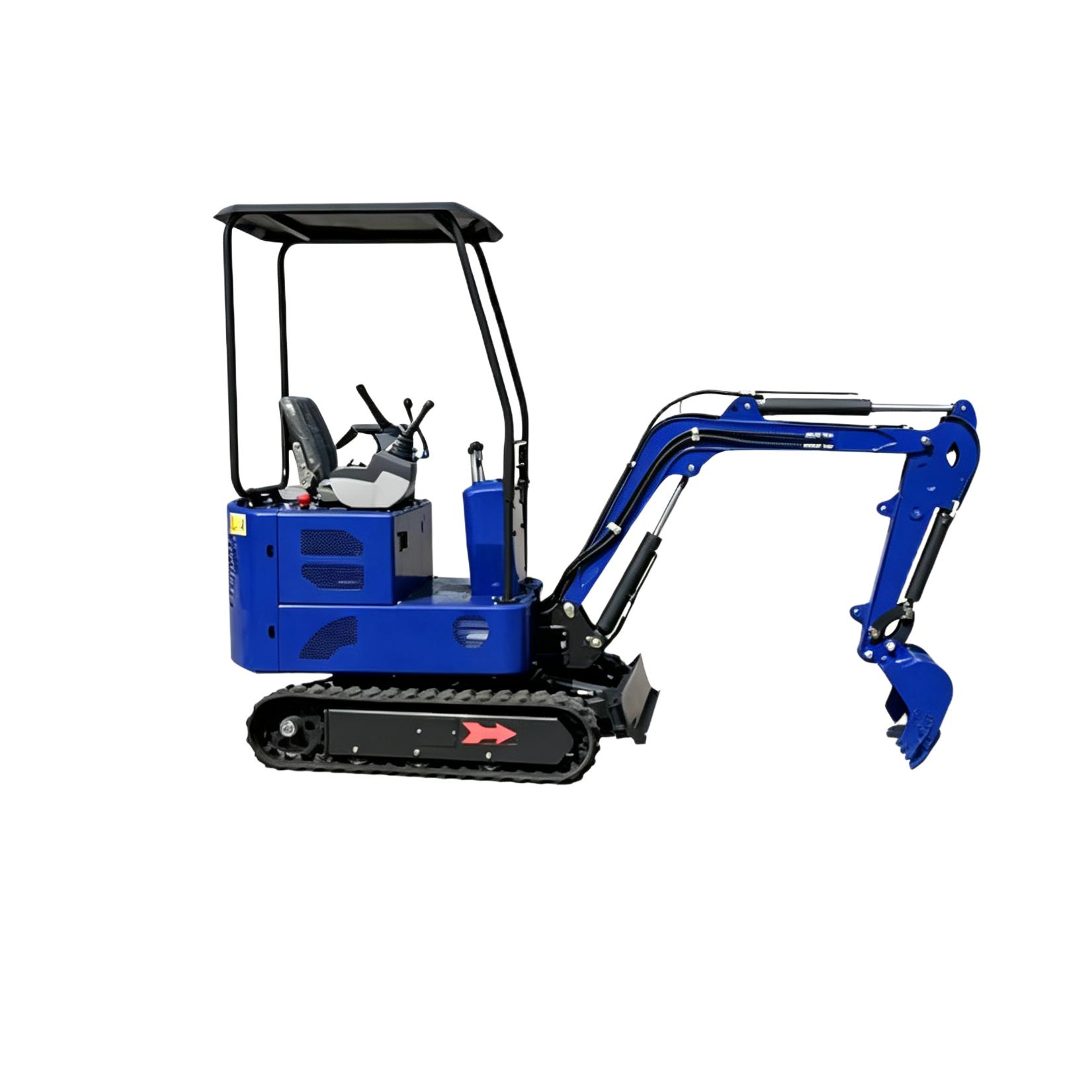
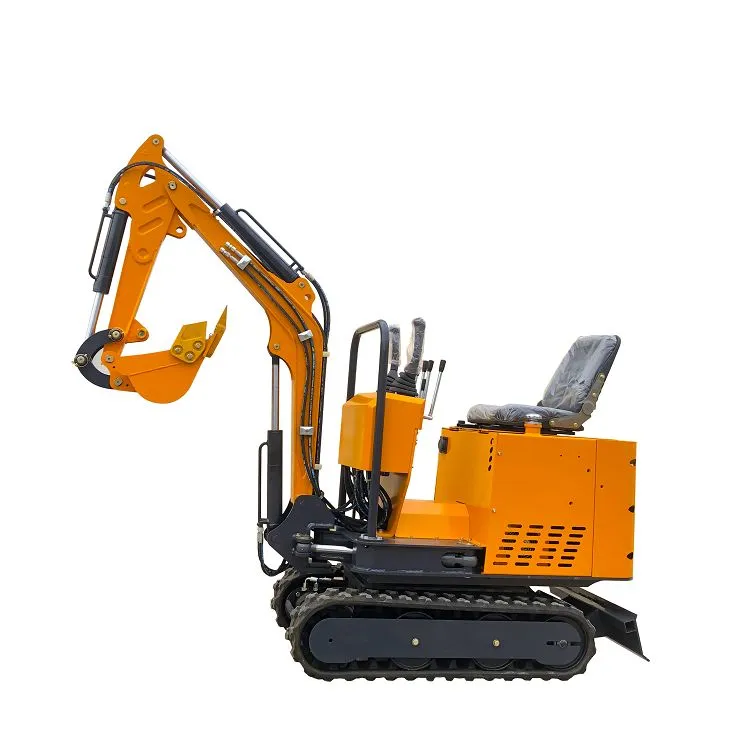
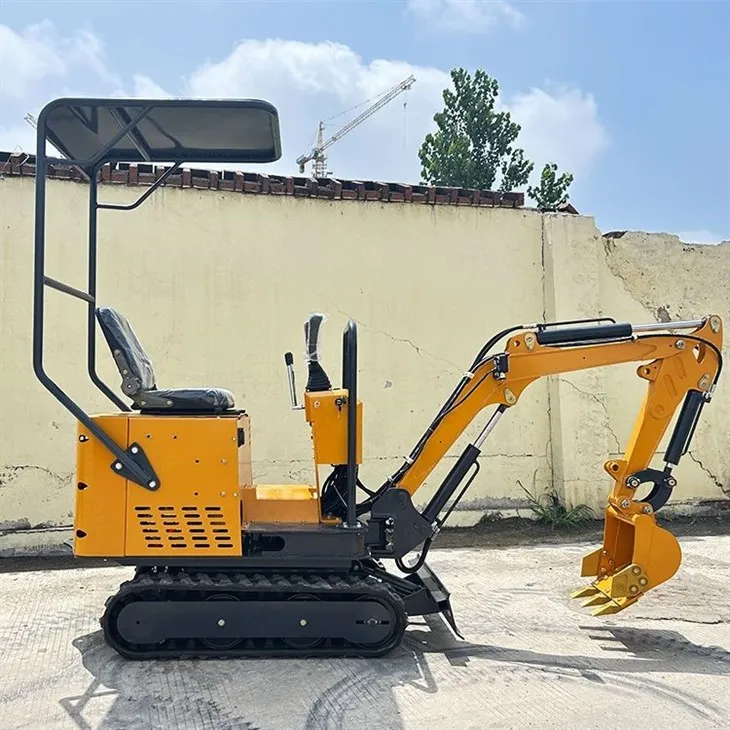
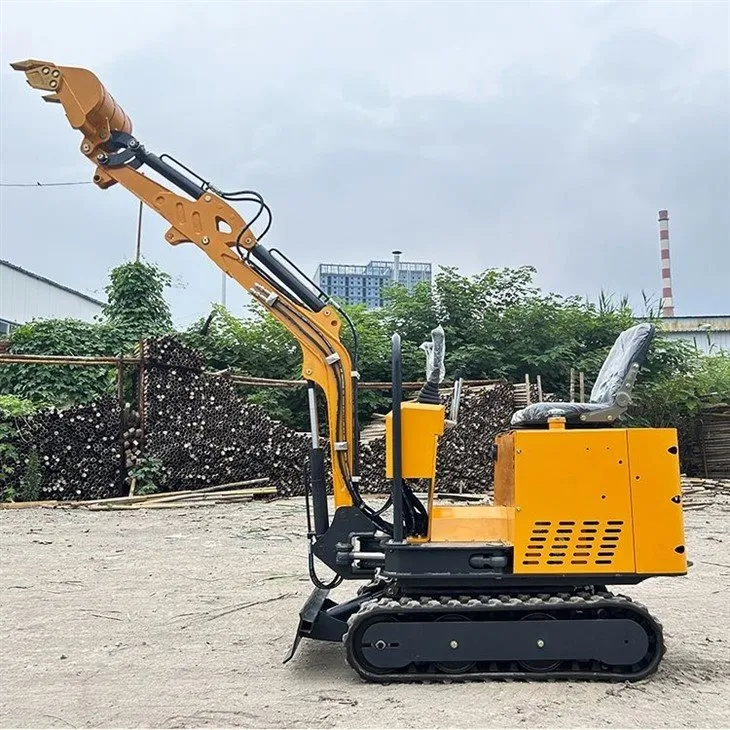
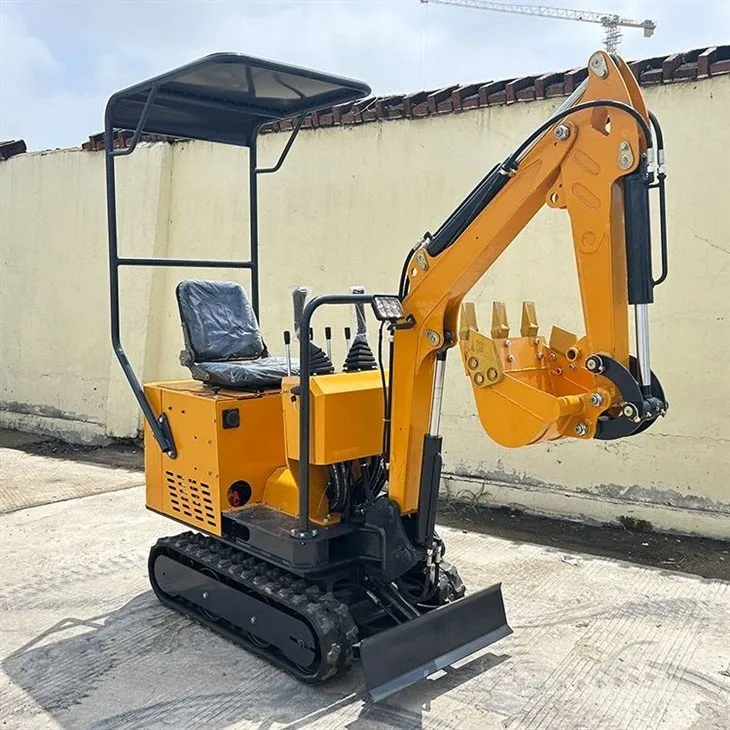
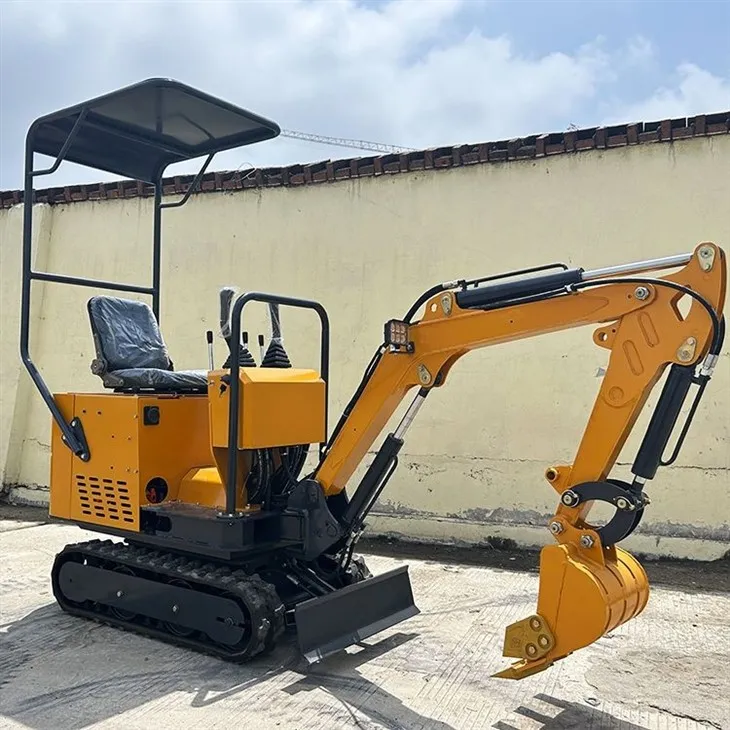
Product Details
Lithium battery powered mini excavator is a small excavator that uses lithium battery as a power source. Compared with traditional oil-fired excavators, it has the following advantages:
Environmental protection: Lithium batteries do not produce exhaust gas and harmful emissions, and are environmentally friendly.
Energy saving: Lithium batteries have high energy density and long life, which can provide longer driving range.
Light: Due to the use of lithium battery as a power source, the weight of the whole machine is relatively light, easy to handle and operate.
Low maintenance cost: The maintenance cost of lithium batteries is relatively low, the life span is long, and the frequency of replacement parts is reduced.
| PROJECT | UNIT | ME08E |
| Machine weight | kg | 800 |
| Bucket volume | m³ | 0.025 |
| Engine model | Battery | LiFePO4/LiCoMnNio2 |
| BYD:Lithium battery+BMS | 72v/ah | 130/180/210 |
| Working time | h | 6/9/10.5 |
| PMSM motor | 72v/Kw | 4 |
| Peak power | Kw | 8 |
| Charging time | h | 4-8 |
| Power consumption | Kwh | 1.2-1.4 |
| Decibels within 1 meter | Dba | < 50 |
| L*W*H | mm | 2480*720*1250 |
| Chassis width | mm | 720/700-900 |
| Maximum digging radius | mm | 2400 |
| Maximum digging height | mm | 2200 |
| Maximum digging depth | mm | 1220 |
| Walking speed | km/h | 2.2 |
| Hydraulic flow | L/mim | 23 |
| Swing speed | 10″/360° | |
| Climbing angle | 40° |
Applicable Scenarios

Construction

Gardens and orchards

Indoor demolition
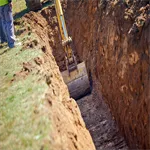
Digging trenches
FAQ
Ant Cloud Intelligent Equipment (Shandong) Co., Ltd.